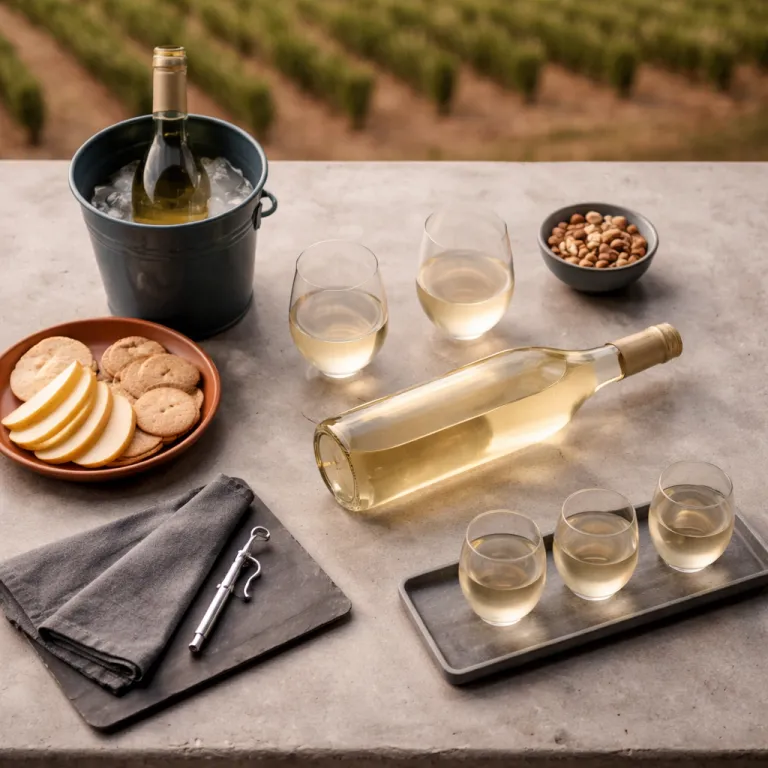
Why the best non alcoholic white wine belongs in your travel plans
Non alcoholic white wine has moved from curiosity to essential companion for refined travelers. As vineyards respond to guests who want alcohol free options without sacrificing pleasure, the best non alcoholic white wine now stands proudly beside classic alcoholic wines in tasting rooms. This shift lets you enjoy wine culture, terroir, and cellar visits while keeping a clear head for the rest of your journey.
Across Europe, North America, and New Zealand, estates now pour alcohol removed cuvées during guided tours, often presenting both alcoholic wine and its alcohol free counterpart side by side. You can compare how the same sauvignon blanc or chardonnay tastes before and after the winemaker gently reduces wine alcohol, noting how structure, acidity, and finish evolve. For many guests, this dual tasting offers a deeper understanding of technique than a standard flight of white wines or red wines ever could.
Travelers who once skipped evening tastings now linger over glasses of light, crisp free wine in vineyard courtyards. They still enjoy detailed tasting notes, talk about dry or off dry styles, and debate which glass offers the best balance of fruit and minerality. As one sommelier in Rheingau put it during a recent visit, “these no-alcohol whites let people stay curious all day and still feel fresh for tomorrow’s drive.” The only difference is that the price on the menu often reflects a modest regular price, while the impact on your energy the next morning is essentially free.
Key producers elevating alcohol free white wines for travelers
Three producers now set the benchmark for the best non alcoholic white wine served in tasting rooms worldwide. Leitz Winery in Germany, Giesen Wines in New Zealand, and Sovi Wine Co. in California each approach alcohol removed cuvées with the same seriousness they apply to every alcoholic white in their cellars. Their wines show that alcohol free does not mean character free, especially when you taste them in the landscapes that shaped the grapes.
When you visit Leitz, you may find a Leitz Eins Zwei Zero Chardonnay poured alongside a classic chardonnay alcoholic cuvée, allowing you to compare texture, body, and finish. Producer notes describe aromas of yellow apple, pear, and citrus peel with a gently creamy palate. At Giesen Wines, the Giesen 0 % Sauvignon Blanc often appears in flights with their regular sauvignon, giving you a direct sense of how alcohol influences mouthfeel in both white and red styles; expect passionfruit, lime, and fresh herbs with a brisk, saline edge. Sovi Wine Co. focuses on canned formats, ideal for picnics among the vines where glass is impractical yet serious wines are still desired.
These estates also understand that travelers plan itineraries around both red wine heritage and white wine excellence, especially in regions like Burgundy where an elegant journey into Burgundy white wine now often includes at least one alcohol free pour. During guided visits, sommeliers explain how they manage pricing for these cuvées, often positioning them slightly below the regular price of comparable alcoholic wines, for example around 8–15 EUR per bottle instead of 12–20 EUR. For guests, that thoughtful price structure makes it easier to add cart selections of both blanc and sparkling styles to ship home.
How non alcoholic white wines are crafted in leading vineyards
Understanding how the best non alcoholic white wine is made will enrich every cellar visit you plan. Most serious producers begin exactly as they would for any high quality white wines, choosing cool vineyard sites, harvesting at night, and fermenting carefully to preserve light, crisp aromatics. Only after the base wine is complete do they remove alcohol, usually through vacuum distillation or reverse osmosis designed to protect delicate tasting notes.
On a tour, ask your guide whether the estate uses spinning cone technology or membrane filtration to create its alcohol removed blanc cuvées. Each method affects how dry the final alcohol free wine feels on the palate, how long the finish lingers, and how clearly varietal character such as sauvignon or chardonnay shines through. Some wineries even offer side by side tastings of alcoholic chardonnay and its non alcoholic counterpart, inviting you to compare structure, acidity, and texture directly while hearing how the cellar team adjusts blending or residual sugar to keep balance.
Regions that once focused almost exclusively on red wines now experiment with free white cuvées to welcome a broader audience. In chardonnay strongholds, an elegant traveller’s guide to the best chardonnay wines and vineyards increasingly includes at least one alcohol free option on tasting menus. When you review the list, notice how the final price of these wines often reflects the extra work involved in gentle alcohol removal, yet still offers a fair sale point compared with flagship alcoholic wines.
Planning vineyard visits around the best non alcoholic white wine
Thoughtful planning helps you weave the best non alcoholic white wine into a broader vineyard itinerary. Start by contacting estates such as Leitz Winery, Giesen Wines, or Sovi Wine Co. in advance, asking which alcohol free white wines are currently poured in their tasting rooms. Many wineries now publish tasting notes online, allowing you to choose between dry, off dry, or lightly sweet blanc styles before you travel.
When you arrive, treat the alcohol removed flight with the same seriousness you would bring to a line up of best alcoholic cuvées. Take time to note how each white wine expresses fruit, acidity, and minerality, and compare these impressions with any red or sparkling wines you taste later in the day. You will often find that the most successful alcohol free wines share the same vineyard blocks and cellar techniques as the estate’s top alcoholic wine selections.
Some regions with strong red wine reputations now highlight their lighter, crisper side through free white cuvées designed for daytime tasting. In southern France, for example, itineraries that once focused only on powerful reds now include estates featured in this reflection on Cahors black wine and Bordeaux’s organic revival. There, you can move from structured red wines to refreshing alcohol free blanc glasses, comparing how climate and soil shape both styles while keeping your overall alcohol intake modest.
Reading labels, prices, and online carts for alcohol free whites
Once you start buying the best non alcoholic white wine during your travels, label literacy becomes essential. Look for clear statements such as “alcohol removed”, “dealcoholised”, or “no-alcohol” on the back label, and confirm that the final alcohol level sits at or below the legal threshold for alcohol free classification in that country. Some bottles may still be marketed alongside alcoholic wines on the same shelf, so careful reading prevents confusion.
Price structures for these wines vary, and understanding them will help you build a smart cart when ordering from winery shops. Many estates set the bottle price of alcohol free blanc slightly below that of comparable alcoholic white cuvées, reflecting lower taxation yet similar production costs; in practice, this can mean roughly 10–20 % less than the estate’s entry-level still whites. Online, you may see both standard price and promotional sale price displayed, especially when mixed cases of red, white, and sparkling wines are offered at a limited-time regular price.
When you add cart selections on a winery website, pay attention to shipping rules for alcohol free bottles, which sometimes differ from those for standard alcoholic wines. Some retailers group free wine and low alcohol options together, so filter carefully if you want strictly alcohol free white wines rather than reduced alcohol styles. If you are building a mixed case, consider balancing one or two best alcoholic reds with several light, crisp alcohol removed whites to keep both budget and consumption in harmony.
Food pairings and tasting room etiquette for alcohol free whites
Pairing the best non alcoholic white wine with regional cuisine can transform a simple tasting into a memorable travel moment. Alcohol free sauvignon blanc works beautifully with goat cheese salads, grilled vegetables, and seafood platters, especially when the wine is dry with a zesty, citrus driven finish. A chardonnay alcoholic cuvée might suit richer dishes, while its alcohol removed counterpart offers a lighter option for guests who prefer a gentler experience.
During tasting sessions, treat alcohol free white wines with the same respect you give to any carefully crafted alcoholic white. Swirl the glass, note the color and viscosity, then focus on tasting notes such as green apple, white peach, lemon zest, or chalky minerality that often define high quality blanc styles. Many closely mimic traditional wines, offering similar flavors and aromas, so you can still discuss structure, balance, and length with the sommelier.
In mixed groups, ordering at least one free white bottle signals to the winery that serious demand exists for these styles. This, in turn, encourages estates to expand their range of alcohol free wines, perhaps adding sparkling blanc or even alcohol removed red options to future line ups. Over time, your choices help ensure that every tasting room offers both alcoholic wine and free wine alternatives, making vineyard travel more inclusive for all guests.
Key statistics on non alcoholic white wine and vineyard travel
- The global non alcoholic wine market reached about 1.1 billion USD in value according to Statista’s 2023 non-alcoholic wine market overview, reflecting strong demand for alcohol free options in both white and red categories.
- Statista reports an annual growth rate of around 7.1 % for non alcoholic wines between 2023 and 2027, a pace that encourages more vineyards to invest in alcohol removed white wines for tasting room visitors.
- Industry data and producer reports show a steady increase in the number of wineries offering at least one alcohol free blanc, especially sauvignon blanc and chardonnay, to complement their core range of alcoholic wines.
- Travel agencies now report higher bookings for vineyard tours that explicitly include non alcoholic white wine tastings, indicating that inclusive experiences influence destination choice.
FAQ about the best non alcoholic white wine for travelers
What are the best non alcoholic white wines to try on a trip ?
Top options include Leitz Eins Zwei Zero Chardonnay, Giesen 0% Sauvignon Blanc, and Sovi Chenin Blanc. These wines are widely praised for their balance, light body, and crisp finish that closely resemble traditional blanc styles. Producer descriptions highlight notes of citrus, orchard fruit, and gentle florals, and many estates pour them in tasting rooms, making them ideal benchmarks for travelers.
Do non alcoholic white wines taste like regular wines ?
Do non-alcoholic white wines taste like regular wines? Many closely mimic traditional wines, offering similar flavors and aromas. Quality examples show clear varietal character, from grassy sauvignon blanc to stone fruit driven chardonnay, though body and warmth on the palate are naturally lighter.
Where can I buy non alcoholic white wines during vineyard travel ?
You can usually purchase alcohol free white wines directly from winery shops after tastings, often at a favorable bottle price compared with flagship alcoholic cuvées. Many producers also sell online, allowing you to add cart selections for home delivery once you return. In major cities, specialist retailers and some supermarkets now stock leading brands such as Leitz, Giesen, and Sovi.
How should I store alcohol free white wine bought on the road ?
Store bottles upright in a cool, dark place, ideally between 8 and 12 °C, just as you would for delicate alcoholic white wines. Avoid leaving them in a hot car during travel days, since heat can dull crisp acidity and fresh fruit notes. Once opened, keep the bottle refrigerated and enjoy within a few days for the best tasting experience.
Can I pair non alcoholic white wines with the same foods as regular whites ?
Yes, most alcohol free blanc cuvées pair well with the same dishes you would choose for classic white wines. Light, crisp sauvignon styles suit salads, seafood, and goat cheese, while fuller bodied chardonnay works with poultry, creamy sauces, and roasted vegetables. During vineyard visits, ask the estate team for local pairing suggestions to match regional cuisine.
References
- Statista – Global non alcoholic wine market size and growth rate data, Non-Alcoholic Wine Report 2023, www.statista.com.
- Leitz Winery – Producer information and technical details on Eins Zwei Zero alcohol removed wines, available via official Leitz product pages.
- Giesen Wines – Producer information on Giesen 0 % Sauvignon Blanc and related cuvées, as outlined in Giesen’s published product notes and technical sheets.
- Sovi Wine Co. – Producer descriptions of canned alcohol free wines, including Sovi Chenin Blanc, from Sovi’s own product literature and online catalogue.