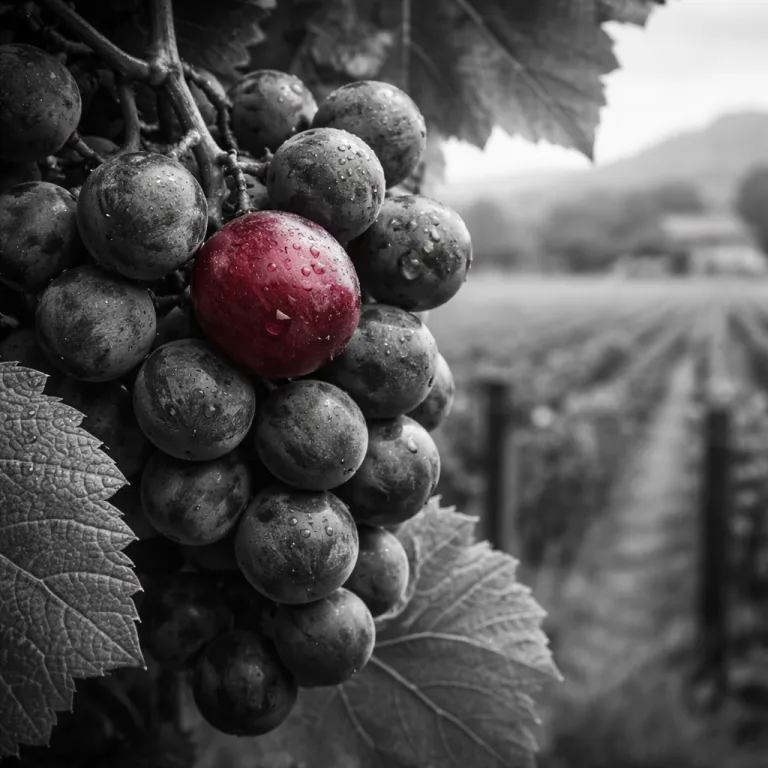
Why popular Malbec wines belong on every wine traveler’s itinerary
Malbec is a deeply colored purple grape variety used in making red wine. Among popular Malbec wines, travelers find an ideal bridge between approachable richness and serious terroir expression, especially when planning vineyard journeys. Reading about Malbec grapes before a trip quickly reveals how this red variety shapes landscapes, food culture, and hospitality across several regions.
For wine focused travel, Malbec wine offers a clear narrative that links Argentina, France, and the United States. These regions show how one grape can yield full bodied or more restrained red wines, depending on climate, altitude, and winemaker choices. Malbec wines also pair naturally with local cuisines, from Argentine asado to Washington State lamb, which makes every glass part of a wider cultural experience.
Typical tasting notes for Malbec red include plum, blackberry, and black cherry, often layered with dark chocolate, vanilla, and violet. Such fruit forward profiles, supported by supple tannins, make Malbecs especially welcoming for travelers who are still building confidence with structured red wine styles.
Mendoza, Argentina: heartland of Malbec and high altitude vineyard travel
Mendoza, Argentina is the epicenter of popular Malbec wines and a natural starting point for any Malbec themed journey. Around 85% of the world’s Malbec grapes are grown in Argentina, according to Decanter and other industry sources, and much of that comes from the irrigated desert vineyards around the city of Mendoza. When you study local maps, you notice three main sub regions: Luján de Cuyo, Maipú, and the increasingly celebrated Valle de Uco.
Travelers seeking the best Malbec experiences should plan time in Valle de Uco, where high altitude vineyards between roughly 900 and 1,500 metres create intense yet balanced Malbec wines. The combination of strong sunlight, cool nights, and stony soils produces fruit forward profiles with firm but polished tannins and precise tasting notes. Many wineries here use concrete vessels and French oak barrels, allowing each Malbec Mendoza expression to remain both full bodied and refreshingly vibrant.
Among specific producers, Zuccardi Concreto Malbec (often around the USD 35–45 range on release for recent vintages) stands out for its floral nose, berry palate, and chalky tannins that clearly reflect high altitude terroir. Bemberg La Linterna El Milagro Malbec, typically priced higher and released in smaller quantities, offers a deeper, more concentrated style that suits collectors who want to add a cellar worthy Malbec wine to their list. Tasting these wines at the source, perhaps while watching late afternoon light fall across the Andes, helps you understand why Mendoza, Argentina has become synonymous with the best Malbec experiences for serious wine travelers.
For readers interested in broader red wine journeys in the Americas, the detailed guide to Terra Blanca and Red Mountain estate wines in Washington State offers a useful contrast to Malbec focused trips in Mendoza. It shows how different regions in the United States interpret full bodied red grapes such as Cabernet Sauvignon alongside Malbec. This comparison helps you evaluate where to add each region to your long term wine travel plans.
From Cahors to Washington: contrasting Malbec regions for curious travelers
While Malbec Mendoza dominates conversations about popular Malbec wines, the grape’s spiritual home lies in Cahors, in south west France. Here, Malbec wines are often more structured, with firmer tannins and slightly earthier tasting notes than their Argentine cousins. Travelers who explore Cahors before visiting quickly see how this historic region shaped Malbec’s identity long before it reached Mendoza, Argentina.
In Cahors, Malbec red wine is sometimes blended with small amounts of Merlot or Tannat, creating red wines that age gracefully and pair beautifully with regional dishes such as duck confit. The best Malbec examples from this region show less overt black cherry and more savoury fruit, yet they remain fruit forward compared with many Old World reds. Visiting both Cahors and Mendoza allows you to compare how climate and winemaker choices influence tannins, body, and price across different Malbecs.
Across the United States, Malbec grapes have found promising homes in Washington and in Napa Valley. In Washington, Malbec wine often appears alongside Cabernet Sauvignon and Cabernet Franc in blends, adding colour, fruit, and mid palate richness to these red wines. In Napa Valley, some estates bottle unique single varietal Malbec wines that sit between plush Argentine styles and more structured French expressions, giving travelers another angle on popular Malbec wines during a broader California red wine tour.
If you enjoy exploring lesser known red wine regions, you may also appreciate the elegant journey through Mencía in northwest Spain described in this guide to Bierzo’s refined red landscapes. Reading about such regions helps you frame Malbec within a wider world of characterful red grapes. This context enriches every Malbec tasting, whether you are in Argentina, France, or the United States.
Planning a Malbec focused itinerary in Mendoza’s valleys
Designing a trip around popular Malbec wines in Mendoza requires more than simply booking tastings. Start by mapping the main valleys, then decide how much time to allocate to each Malbec Mendoza sub region based on your interest in altitude, soil types, and wine styles. Luján de Cuyo tends to offer softer, earlier drinking Malbec wines, while Valle de Uco highlights high altitude freshness and more pronounced tannins.
In Valle de Uco, many estates sit above 1,000 metres, where cooler nights preserve acidity and aromatic lift in Malbec grapes. This high altitude setting often yields tasting notes of black cherry, plum, and violet, with a fruit forward core wrapped in fine grained tannins. When you read winery descriptions, look for mentions of concrete fermentation or minimal new oak, as these techniques often emphasise the unique mineral edge of Malbec red wines from this valley.
Travelers who enjoy comparing varieties should include tastings where Malbec appears alongside Cabernet Sauvignon and Cabernet Franc from the same plots. Such line ups reveal how each red wine responds to Mendoza’s intense sunlight and desert climate, and they help you understand why Malbec wine became the region’s flagship. Many wineries also run wine club style memberships, allowing you to add shipments of your favourite Malbecs to your home cellar after the trip.
For a focused two day Valle de Uco itinerary, you might spend the first day visiting one estate known for concrete aged Malbec and another specialising in single parcel bottlings, then reserve the second day for a long lunch at a winery restaurant followed by a sunset tasting at a smaller family run bodega. Most estates now require advance reservations, which you can usually make through winery websites or by email, and travel time from the city of Mendoza to central Valle de Uco typically ranges from 75 to 90 minutes by car. Some visitors prefer to add a day in the city of Mendoza, Argentina itself, using it as a base for day trips into surrounding regions, while others choose to stay closer to Valle de Uco, waking up among vineyards where the first light touches rows of Malbec grapes and sets the tone for another day of red wine exploration.
How to taste and compare popular Malbec wines on the road
Approaching tastings with a clear method helps you make sense of popular Malbec wines during travel. Begin by noting colour, as Malbec red typically shows deep purple hues that hint at concentration. Then move to the nose, where you can often read layers of fruit, spice, and floral notes before your first sip.
On the palate, focus on three elements: fruit character, tannins, and acidity. Many Malbec wines from Mendoza show ripe black cherry, blackberry, and plum, often with hints of dark chocolate or violet, while French and Washington examples may lean slightly more savoury. Assess whether the wine feels full bodied or medium bodied, and whether its fruit forward style remains balanced by freshness and structure.
When comparing Malbecs with Cabernet Sauvignon or Cabernet Franc during a tasting, pay attention to how each grape expresses tannins and length. Cabernet based red wines often show firmer, more linear structures, while Malbec wine can feel broader and more velvety, especially in warmer regions. Writing brief tasting notes as you travel allows you to read back later and remember which Malbec wines you considered the best Malbec examples for your palate.
Many wineries now offer curated flights that include Malbec Mendoza bottlings at different price levels, sometimes alongside limited releases or experimental cuvées. These line ups help you understand how factors such as high altitude vineyards, older vines, or specific winemaker decisions influence both style and price. If you join a local wine club during your visit, you can often add a selection of your favourite Malbecs to periodic shipments, extending the journey long after you return home.
Practical tips for buying, shipping, and pairing Malbec while traveling
Once you have identified your favourite popular Malbec wines on the road, the next step is deciding what to buy. Many wineries and specialist shops now use digital systems that let you effectively add bottles to a virtual cart while you taste, then finalise payment and shipping at the end of the visit. This approach allows you to compare price, vintage, and shipping options calmly, rather than rushing decisions between tastings.
When choosing which Malbec wines to add to your shipment, think about drinking windows and food pairings at home. Full bodied Malbec red wines with firm tannins and concentrated black cherry fruit often benefit from a few years of bottle age, especially those from high altitude sites in Valle de Uco. Softer, more fruit forward Malbecs from lower lying parts of Mendoza or from Washington can be enjoyed sooner, particularly with grilled meats, roasted vegetables, or rich vegetarian dishes.
Travelers who prefer to carry a small selection home in luggage should read airline regulations carefully and invest in protective bottle sleeves. Focus on unique bottles that are hard to find in your home market, whether that means a single parcel Malbec Mendoza, a Washington State Malbec blend, or a limited release from Cahors. For those building a broader cellar, consider how Malbec will sit alongside Cabernet Sauvignon, Cabernet Franc, and other red wine styles you already own, ensuring diversity in both regions and flavour profiles.
To deepen your understanding of sparkling options that can complement Malbec at the table, the guide on how Champagne differs from other sparkling wines offers a refined perspective. Reading such material helps you plan complete meals where Champagne, Malbec wine, and other wines each play a distinct role. This holistic view of pairing and service elevates every bottle you bring back from your Malbec journeys.
Key figures and statistics about Malbec for wine travelers
- Approximately 85% of the world’s Malbec grapes are grown in Argentina, according to Decanter and other industry sources, which explains why Mendoza, Argentina has become the primary destination for Malbec focused wine tourism.
- High altitude vineyards in Valle de Uco often sit between roughly 900 and 1,500 metres above sea level, creating cooler night time temperatures that help preserve acidity and aromatic complexity in Malbec wines.
- Producers such as Zuccardi use concrete vessels for fermentation alongside French oak barrels, a combination that many winemakers credit with highlighting soil character while maintaining the fruit forward style of Malbec Mendoza wines.
- Malbec’s flavour profile is widely recognised as including plum, blackberry, and black cherry, with frequent notes of dark chocolate, vanilla, and violet, which makes the grape especially versatile for pairing with grilled meats and rich vegetarian dishes during wine travel.
FAQ about Malbec and vineyard travel
What are the typical flavours of Malbec wine?
The typical flavours of Malbec wine include plum, blackberry, and black cherry, often supported by notes of dark chocolate, vanilla, and violet. These tasting notes are especially pronounced in popular Malbec wines from Mendoza, where high altitude vineyards and strong sunlight encourage ripe, fruit forward profiles. Cooler regions such as Cahors may show slightly more savoury tones, but the core dark fruit character remains.
Which regions are best for a Malbec focused wine trip?
Mendoza, Argentina is the leading destination for Malbec focused travel, thanks to its concentration of vineyards and well developed wine tourism infrastructure. Within Mendoza, Valle de Uco offers some of the most exciting high altitude Malbec wines, while Luján de Cuyo and Maipú provide easier access from the city. Beyond Argentina, Cahors in France and selected areas of Washington and Napa Valley in the United States also reward travelers who want to compare different regional expressions of Malbec.
How does Malbec from Mendoza differ from Malbec in Cahors?
Malbec Mendoza wines typically show riper black cherry and plum fruit, softer tannins, and a more overtly fruit forward style, especially from warmer sites. In Cahors, Malbec red wines often have firmer tannins, slightly higher acidity, and more savoury or earthy notes, which can make them feel more structured. Tasting both regions side by side during travel highlights how climate, soil, and winemaker choices shape the final wine.
Is Malbec usually blended with other grapes?
In Argentina, many of the most popular Malbec wines are bottled as single varietal Malbec wine, although some producers blend small amounts of Cabernet Sauvignon or Cabernet Franc for added structure. In Cahors, blending with Merlot or Tannat is more common, contributing to the region’s distinctive style of red wine. In Washington and Napa Valley, Malbec often appears both as a varietal wine and as a component in Bordeaux inspired blends.
What food pairs best with Malbec during a wine trip?
Malbec’s combination of dark fruit, moderate to firm tannins, and full bodied texture makes it an excellent partner for grilled beef, lamb, and game, which you will encounter frequently in Mendoza’s asado culture. The grape also works well with rich vegetarian dishes such as mushroom based plates, lentil stews, and roasted root vegetables, especially when the wine shows bright acidity from high altitude vineyards. During travel, ask local winemakers and chefs for pairing suggestions, as they often know which Malbec wines best complement regional specialities.