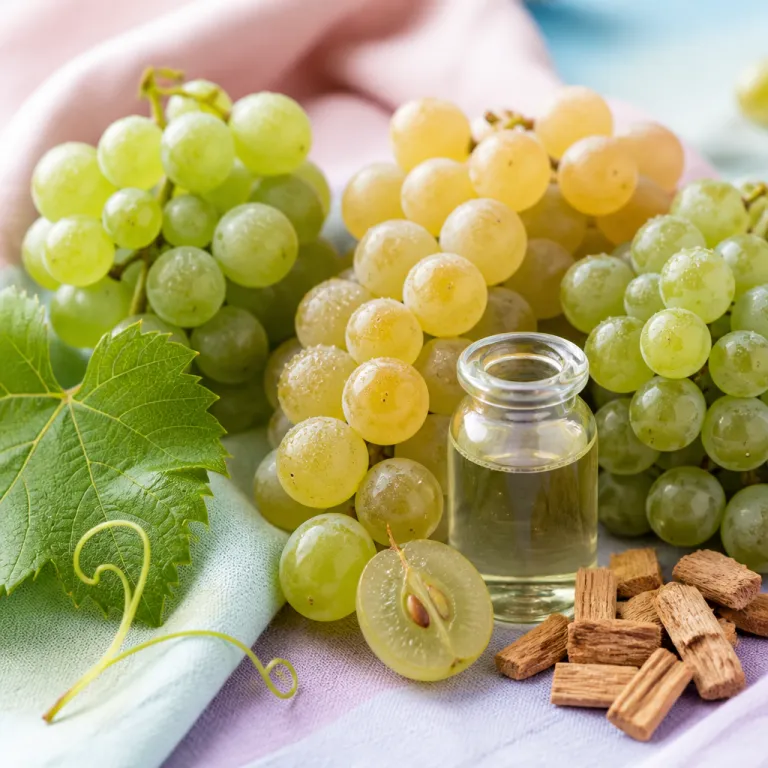
Why popular white wines belong at the heart of vineyard travel
Planning a vineyard journey around popular white wines transforms a simple trip into a sensory itinerary. When you treat each white wine as a destination in its own right, every glass connects landscapes, grape variety, and local culture in a tangible way. This approach lets you compare different white wines side by side, understanding how climate, grapes, and winemaking shape their flavors, structure, and style.
Across Europe and beyond, estates specialising in white wines invite travellers into cool cellars, stainless steel fermentation rooms, and oak barrel halls. You taste the same white grapes in different regions and realise how soil and weather alter the wine types, from light bodied to full bodied expressions. By the end of such a journey, the word white no longer feels generic but becomes a spectrum of styles, textures, and aromas.
For many visitors, the first question is simple: what are the most popular white wines to seek out on the road? The answer usually starts with chardonnay, sauvignon blanc, pinot grigio, pinot gris, and chenin blanc, each offering distinct flavors and acidity. These names appear on wine lists worldwide, yet tasting them at the source reveals nuances in fruit notes, from green apple to apple pear and tropical fruit.
Chardonnay remains the benchmark white wine for many travellers, because it ranges from light medium styles to rich, full bodied examples. Sauvignon, especially as sauvignon blanc, offers piercing high acidity and herbal notes that feel refreshing after a day in the sun. Pinot, whether labelled as pinot grigio or pinot gris, tends to be light bodied and easy to drink, which makes it ideal for relaxed lunches among the vines.
Understanding these grapes before you travel helps you read tasting room menus with confidence. When you know which grape variety tends to be dry or sweet, or where to expect a bodied white with more texture, you can plan your route more intelligently. That knowledge also supports better food pairing choices in local restaurants, where regional dishes often echo the character of nearby wines and highlight acidity, body, and fruit notes in the glass.
Following sauvignon blanc from the Loire Valley to coastal vineyards
Among all popular white wines, sauvignon blanc is the one that most clearly expresses place. Travelling through the Loire Valley in France, you encounter sauvignon blanc in appellations such as Sancerre and Pouilly Fumé, where the grape shows razor sharp acidity and mineral driven flavors. These white wines often carry notes of green apple, citrus, and subtle smoke, shaped by limestone and flint rich soils.
In this part of France, many estates welcome visitors for guided walks through sauvignon vines, followed by structured tastings. Hosts explain how picking the grapes earlier preserves high acidity, resulting in a dry white wine that feels crisp and light bodied on the palate. You quickly see why the region is a reference point for this grape variety and why its wines remain favourites on serious wine lists.
Food pairing here is a highlight, because local goat cheese, river fish, and seasonal vegetables match the wine’s light, zesty profile. Classic plates such as crottin de Chavignol with a chilled glass of sauvignon blanc show how acidity cuts through richness and lifts delicate flavors. Travellers who enjoy seafood will find that these white wines also work beautifully with oysters and shellfish along the Atlantic coast.
Outside France, sauvignon based white wines take on different personalities, yet they remain among the most popular white wines for visitors. In cooler coastal regions, the grape can show intense fruit notes of passion fruit and lime, while still staying dry and refreshing. Warmer inland vineyards sometimes produce medium bodied examples, where the bodied white texture softens the edges of the acidity.
For a structured overview of elegant options, many travellers consult an expert guide to good white wines and vineyard journeys, such as this curated white wine travel resource. Using such references, you can compare different types white expressions of sauvignon, from very dry to subtly dry sweet styles. This preparation ensures that once you arrive at the estate, you already know which wines to prioritise in your tasting flight.
Chardonnay, pinot grigio, and pinot gris on the traveller’s map
Chardonnay is widely considered the most popular white wine. That single sentence, supported by global planting data from the International Organisation of Vine and Wine, explains why so many travellers centre their itineraries around this grape. From cool coastal vineyards to warmer inland valleys, chardonnay offers a full range of wine types, from light bodied and citrus driven to full bodied and oak aged.
In classic regions of France, chardonnay based white wines often show refined acidity, subtle fruit, and delicate oak notes. Travellers walking through these vineyards see how careful viticulture and controlled yields produce concentrated grapes that translate into complex, medium bodied wines. Tasting in the cellar, you can compare stainless steel fermented chardonnay, which feels light medium and fresh, with barrel aged versions that are richer and more bodied white in style.
Pinot grigio and pinot gris, although genetically the same grape variety, offer a different experience for visitors. In many Italian regions, pinot grigio is crafted as a light, crisp white wine with gentle flavors of green apple, pear, and lemon. Travellers often enjoy these white wines at outdoor trattorias, where their light bodied character pairs effortlessly with salads, seafood, and simple pasta dishes.
In contrast, pinot gris from cooler, more northerly vineyards can be medium bodied or even full bodied, with richer fruit notes and sometimes a touch of sweetness. These wines may show apple pear aromas alongside spice and floral tones, offering a more textural style for thoughtful sipping. Such diversity within one grape underlines why understanding wine types and grape variety is essential for meaningful vineyard travel.
For those planning a route specifically around this style, an elegant set of pinot grigio recommendations for refined vineyard journeys, such as the guidance found in this specialised pinot grigio travel guide, can be invaluable. It helps you identify estates where pinot grigio and pinot gris are treated with particular care, resulting in exemplary white wines. On site, you can then compare dry and dry sweet versions, noting how residual sugar interacts with acidity and fruit.
Chenin blanc and the art of balancing dry and sweet styles
Travellers who appreciate versatility in popular white wines should place chenin blanc high on their list. This grape variety, rooted historically in the Loire Valley of France, can produce everything from bone dry white wines to lusciously sweet dessert bottles. Walking through these vineyards, you see how varied picking dates and cellar decisions create a full spectrum of styles from the same grapes.
In the drier expressions, chenin blanc often shows high acidity, with flavors of green apple, quince, and citrus. These wines tend to be light medium or medium bodied, making them ideal for food pairing with river fish, poultry, and local cheeses. When you taste them at the estate, winemakers explain how careful control of ripeness and fermentation temperature preserves freshness in the finished white wine.
Sweeter versions, sometimes harvested late or made from grapes affected by noble rot, offer intense fruit notes and honeyed richness. Despite their sweet character, they retain enough acidity to avoid heaviness, which is why many travellers find them surprisingly refreshing. This balance between dry sweet sensations in the same grape variety fascinates visitors who previously thought of white wines only as either dry or sweet.
From a travel planning perspective, chenin based routes allow you to compare light bodied aperitif wines, medium bodied table wines, and full bodied dessert wines in a single day. You can start with a crisp, dry chenin blanc as an aperitif, move to a more bodied white with your main course, and finish with a sweet wine alongside dessert. Such progression deepens your understanding of how grape, acidity, and residual sugar interact in different wine types.
Winemakers in the Loire Valley often highlight that chenin blanc’s adaptability reflects the region’s varied soils and microclimates. For visitors, this means that short drives between villages can reveal strikingly different expressions of the same white grapes. It is an ideal case study for anyone who wants to link vineyard landscapes directly to the flavors in their glass.
Reading the glass: acidity, body, and flavors in white wines
Understanding structure is essential when you travel for popular white wines, because it helps you interpret what you taste. Three elements matter most in the glass: acidity, body, and flavors, all of which are shaped by grape variety and winemaking choices. Once you can recognise these components, you navigate tasting rooms with the same confidence you bring to planning flights and hotels.
Acidity gives white wines their freshness, and many classic grapes such as sauvignon blanc, riesling, and chenin blanc are known for naturally high acidity. When you sip a white wine that makes your mouth water, you are experiencing this structural backbone, which keeps even sweet wines from feeling cloying. Travellers often find that wines with high acidity pair best with rich regional dishes, because the acidity cuts through fat and highlights delicate flavors.
Body refers to how full or light a wine feels on the palate, ranging from light bodied to full bodied. A light white, such as many pinot grigio examples, feels almost weightless, while a full bodied chardonnay aged in oak can feel creamy and substantial. Between these extremes, medium bodied wines offer a versatile middle ground, which is why many restaurants in wine regions feature them prominently on pairing menus.
Flavors and aromas, often described as fruit notes, floral tones, or mineral impressions, complete the picture. In tastings, you might hear guides refer to green apple, apple pear, citrus, stone fruit, or tropical fruit when describing different wine types. These descriptors help you connect what you smell and taste to specific grapes and regions, turning each sip into a small geography lesson.
As you move from estate to estate, pay attention to how bodied white styles change with climate and altitude. Cooler sites tend to produce lighter, more delicate wines, while warmer vineyards often yield fuller, richer expressions from the same grapes. Keeping a small notebook of your impressions allows you to compare white wines across regions and refine your preferences for future trips.
Designing a white wine focused itinerary across regions
Building an itinerary around popular white wines allows you to connect multiple regions into a coherent journey. Many travellers begin in France, exploring the Loire Valley for sauvignon blanc and chenin blanc, then move to chardonnay heartlands before crossing borders to taste pinot grigio and pinot gris. This progression lets you compare how different climates and soils influence the same grape variety and the resulting white wines.
When planning, consider alternating days focused on light bodied and light medium wines with days dedicated to medium bodied and full bodied styles. Such rhythm prevents palate fatigue and keeps each tasting experience fresh, especially when you are sampling many types white wines in a short period. It also helps you align local food pairing opportunities with the structure of the wines you will encounter.
Transport logistics matter as much as cellar appointments, particularly in rural areas where vineyards are spread across hills and valleys. Some travellers choose to base themselves in a central town and make day trips to surrounding estates, focusing on one grape such as chardonnay or sauvignon each day. Others prefer a linear route, moving from village to village and tracking how white grapes change character along the way.
Balancing white wine focused days with time devoted to red wines can enrich your understanding of each region’s full offering. For guidance on shaping the red side of your journey, resources such as an elegant route to the top cheap red wines for vineyard minded travellers, available at this specialised red wine travel article, can be helpful. Integrating both colours into your schedule ensures that you experience the complete spectrum of local wine types and food traditions.
Finally, remember that many estates now offer structured tastings that compare dry, off dry, and sweet white wines side by side. Participating in these sessions deepens your understanding of how dry sweet balances work in practice, especially in grapes such as riesling and chenin blanc. Over time, such experiences turn you from a casual taster into a confident traveller who can read a wine list anywhere in the world.
Key figures and practical insights for white wine travellers
Reliable data helps travellers understand why certain popular white wines appear everywhere they go. According to the International Organisation of Vine and Wine, global chardonnay plantings cover around 210 000 hectares, while sauvignon blanc occupies roughly 110 000 hectares worldwide. These figures explain why chardonnay and sauvignon based white wines are so widely available in tasting rooms and restaurants across continents.
When visitors ask tasting room staff, “What is the most popular white wine?” the answer is clear: Chardonnay is widely considered the most popular white wine. Another frequent question concerns sweetness levels, and hosts often respond with: Which white wine is the sweetest? Riesling often produces sweet wines, though it varies. For food pairing, many guides emphasise the versatility of sauvignon, noting: What foods pair well with Sauvignon Blanc? Seafood, salads, and goat cheese pair well with Sauvignon Blanc.
For travellers, these concise statements offer a practical framework for planning tastings and meals. If you enjoy dry, high acidity wines, you might focus on sauvignon blanc and certain styles of chenin blanc, especially in cooler regions. If you prefer richer, full bodied whites with more fruit notes, you may gravitate towards oak aged chardonnay or late harvested grapes that yield sweet wines.
As interest in white wines grows, more vineyards and wineries invest in visitor facilities, from tasting rooms to educational tours. Many estates now explain viticulture and vinification in detail, showing fermentation tanks, oak barrels, and experimental plots where different grape variety clones are tested. These experiences align with a broader trend towards transparency and quality, which benefits travellers seeking authentic encounters with white wine culture.
Finally, the rise of natural and sparkling white wines adds another layer of choice for visitors. While this article focuses on still popular white wines, many regions now offer pétillant naturel and traditional method sparkling options based on the same grapes. Including a few sparkling tastings in your itinerary can provide a refreshing contrast to still bodied white wines, especially on warm afternoons among the vines.
Key statistics for travellers exploring popular white wines
- Global chardonnay plantings cover about 210 000 hectares, according to the International Organisation of Vine and Wine, making this grape the most widely planted source of white wine worldwide.
- Sauvignon blanc accounts for roughly 110 000 hectares of vineyards globally, which explains its frequent presence on wine lists and in tasting rooms focused on aromatic, high acidity white wines.
- In many classic regions, white grapes occupy a significant share of vineyard area, reflecting sustained demand for light bodied and medium bodied white wines among international travellers.
- Growth in sparkling white wines has accelerated in recent years, as more producers adapt traditional method techniques to popular white grapes such as chardonnay and chenin blanc.
- Riesling, chenin blanc, and other versatile grapes are increasingly used to produce both dry and sweet styles, offering travellers a wider range of bodied white options within a single region.
FAQ about travelling for popular white wines
What is the most popular white wine to taste while travelling?
Chardonnay is widely considered the most popular white wine, thanks to its 210 000 hectares of global plantings and its ability to produce everything from light bodied, unoaked styles to full bodied, oak aged wines in many regions.
Which white wine is usually the sweetest in tasting rooms?
Riesling often produces sweet wines, though it varies by region and producer, so travellers should always check tasting notes or ask staff whether a particular riesling is dry, off dry, or fully sweet before ordering.
What foods pair best with sauvignon blanc during vineyard visits?
Seafood, salads, and goat cheese pair well with Sauvignon Blanc, making it an ideal choice for coastal lunches, picnics in the Loire Valley, or light meals in wine region restaurants that focus on fresh, seasonal ingredients.
How can I tell whether a white wine will be light bodied or full bodied?
Grape variety, climate, and winemaking choices determine body; pinot grigio from cool regions is usually light bodied, while oak aged chardonnay from warmer sites tends to be medium bodied or full bodied, so reading the label and asking staff for guidance is essential.
Is it better to focus on one grape variety or several during a short trip?
For a brief visit, concentrating on one or two grapes such as sauvignon blanc and chardonnay allows you to compare different expressions across estates, while longer journeys can comfortably include a wider range of white wines, from pinot gris to chenin blanc and beyond.