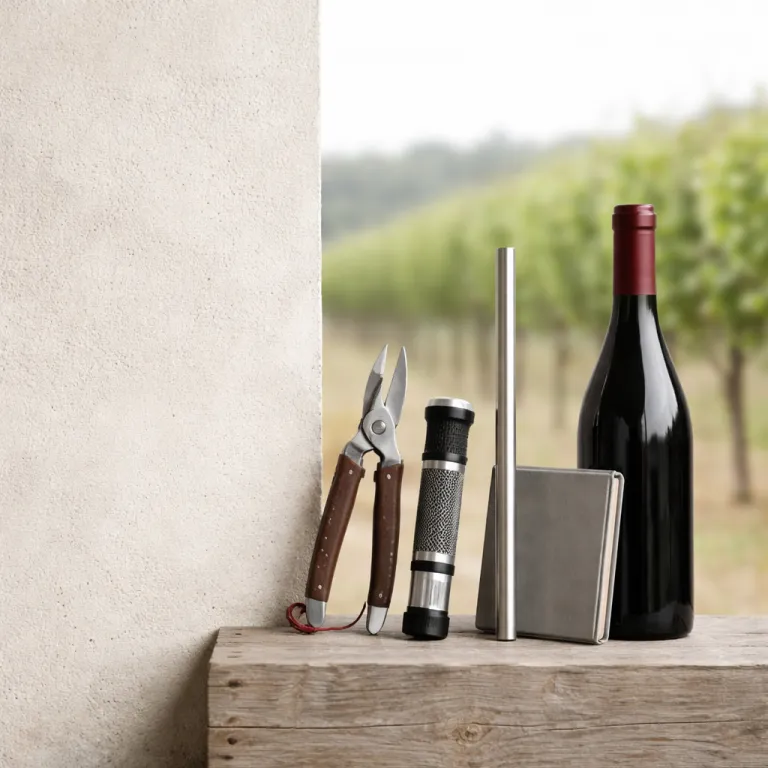
Tracing french cabernet to its Bordeaux roots
French cabernet begins in Bordeaux, where the cabernet grape first gained fame. In this Atlantic-swept region of southwest France, gravel soils and mild temperatures shape red wine with remarkable structure and depth. Local guides explain that “Cabernet Sauvignon is a red grape variety used in wine production,” but tasting at estates such as Château Lafite Rothschild or Château Margaux quickly shows how nuanced that simple definition can become.
Here, cabernet sauvignon and cabernet franc share the spotlight, each grape contributing different layers to the wines of the Médoc and Graves. Travelers walking between rows of vines see how this red variety, a natural cross between Cabernet Franc and Sauvignon Blanc, thrives in well-drained parcels close to the Gironde estuary. Many estates offer detailed cellar tours that show how traditional tools such as fermentation tanks and French oak barrels still define the content of each cuvée, from entry-level bottlings to grand vin selections.
When you taste these french cabernet wines at the source, the style feels unmistakable. Left Bank blends lean on cabernet sauvignon for firm tannins and full, age-worthy structure, while cabernet franc adds floral lift and red fruit brightness. Right Bank addresses cabernet differently, often blending it with Merlot to create softer reds that still carry the star signature of Bordeaux, especially in appellations such as Saint-Émilion and Pomerol.
Planning a cabernet focused journey through France
A focused french cabernet itinerary starts in Bordeaux city, then radiates into surrounding appellations by car or train. Distances are short, often less than 40 km between key villages, which allows time to browse wines calmly at each estate. Many châteaux now offer structured tastings that compare red wines, white wines, and even a mixed wine flight including rosé wine and dry white options.
North of the city, the Médoc region is ideal for travelers who want to explore award-winning and top-rated estates that age their cabernet in new French oak. South of the Garonne, Graves and Pessac-Léognan combine red wine and white wine production, so you can taste both cabernet sauvignon blends and vibrant sauvignon blanc or even a textured sauvignon wine with a touch of oak. Some properties also ship directly to the United States, offering international shipping solutions that simplify cellaring your favorite wines at home, whether they are classic Bordeaux reds or fresher whites.
To make the most of travel time, consider a simple three-day outline: day one in Bordeaux city with a tram ride to nearby Pessac-Léognan, day two driving the D2 “Route des Châteaux” through the Médoc, and day three on the Right Bank around Saint-Émilion, which sits about 45 minutes by car from the city center. Booking visits directly on estate websites or by email at least two weeks ahead usually secures an English-language tour and tasting, especially in peak season.
From Médoc gravel to Loire limestone: key french cabernet regions
French cabernet is not confined to Bordeaux; it also thrives in the Loire Valley. In this cooler region, cabernet franc becomes the star red grape, producing lighter yet still full-flavored wines in appellations such as Chinon, Bourgueil, and Saumur-Champigny. Travelers can walk from medieval town centers directly into vineyards, where limestone and tuffeau soils give the wines a refined, almost chalky texture.
In the Loire Valley, many estates focus on cabernet franc as a single-varietal red wine, while others experiment with mixed wine cases that include rosé wine, white wine, and even sparkling cuvées. Here, oak is used more sparingly than in Bordeaux, so the content of the glass emphasizes red fruit, herbs, and delicate florals rather than strong French oak spice. Vegan and vegetarian travelers will appreciate that a growing number of domaines clearly label their red wines and white wines as unfined, which often aligns with plant-based preferences.
For those who love comparisons, a Loire tasting can sit alongside a focused session on other classic grapes such as pinot noir and pinot grigio. A helpful reference before you travel is this elegant guide to the taste of Pinot Noir, which explains how that grape differs from cabernet in body, tannin, and aromatic profile. When you later browse wines at Loire cellars, you will quickly sense how cabernet franc stands between the structure of Bordeaux cabernet sauvignon and the finesse of pinot noir.
How winemaking shapes the style of french cabernet
Winemaking choices have a profound impact on the style of french cabernet in your glass. Traditional techniques in Bordeaux and the Loire Valley still rely on careful grape sorting, controlled fermentation, and aging in oak barrels. Many estates use a mix of older casks and new French oak to balance structure with aromatic finesse, adjusting the proportion of new wood according to the power of each vintage.
Cabernet sauvignon typically produces full-bodied red wines with firm tannins, especially when grown in warmer, well-exposed parcels. Cabernet franc, by contrast, often yields slightly lighter red wines with redcurrant, violet, and leafy notes, particularly in cooler Loire Valley sites. Some producers craft a mixed wine range that includes a cabernet-driven red wine, a fresh sauvignon blanc or sauvignon wine, and a delicate rosé wine, allowing visitors to compare how each grape responds to stainless steel versus oak aging.
In recent years, estates in France and the United States have both experimented with more sustainable viticulture and gentler extraction techniques. This shift often results in cabernet wines that feel more precise, with less overt oak and more clarity of fruit, whether you are tasting in Bordeaux, the Loire Valley, or Napa. When you browse wines at cellar doors, ask about fermentation temperatures, maceration length, and whether the wines are suitable for vegan or vegetarian drinkers, since some producers now avoid animal-based fining agents.
Comparing french cabernet with global cabernet styles
Travelers who know cabernet from the United States often arrive in Bordeaux expecting similar power and ripeness. Instead, french cabernet usually offers more restraint, higher acidity, and a stronger sense of region, especially in classic appellations along the Gironde. The wines still feel full and structured, but the emphasis lies on balance rather than sheer concentration, particularly in benchmark years such as 2010, 2016, or 2019.
In Napa Valley and other warm regions of the United States, cabernet sauvignon tends to produce plush red wines with ripe black fruit, generous oak, and higher alcohol. By contrast, Bordeaux and Loire Valley cabernet franc and cabernet sauvignon often show cooler fruit, graphite, and savory notes, especially when aged in carefully selected French oak. Many estates in France now present comparative flights that include a white wine such as sauvignon blanc or even pinot grigio, alongside a red wine and a dry wine white from the same property, to highlight how climate and soil influence each style.
For travelers building a broader wine education, it is helpful to explore how sparkling and still wines intersect in France. A useful reference is this guide on how Champagne differs from other sparkling wines, which clarifies why some regions focus on bubbles while Bordeaux remains devoted to still red wines. Once you understand these regional specializations, you can browse wines more confidently, choosing between star cabernet cuvées, mixed wine cases, or even a few bottles of rosé wine to refresh your palate between structured tastings.
Practical tips for tasting and buying french cabernet on the road
Thoughtful planning turns a french cabernet trip into a seamless experience from vineyard to home cellar. Start by booking tastings in advance, especially at top-rated estates whose red wines receive strong reviews from international critics. Many properties limit group sizes to keep the content of each visit focused and personal, with time for questions about vintages, blends, and cellaring potential.
During tastings, compare cabernet sauvignon, cabernet franc, and any available blends side by side, noting how each grape contributes to structure, aroma, and length. Ask whether the estate produces white wine, sauvignon wine, or even a light rosé wine, since these can refresh your palate between more tannic red wines. Travelers who follow vegan or vegetarian diets should enquire about fining practices, because some award-winning wines now clearly state plant-based suitability on their labels.
When it comes to purchases, check whether the estate offers international shipping, particularly if you live in the United States or another distant market. Many châteaux now provide mixed wine cases that combine red wine, wine white, and sometimes a bottle of pinot noir or pinot grigio, allowing you to browse wines efficiently while keeping transport costs reasonable. If you prefer to carry bottles yourself, remember that a standard 750 ml bottle weighs around 1.2 kg when full, so plan luggage space accordingly for your favorite french cabernet selections.
Key figures for french cabernet and global plantings
- Cabernet Sauvignon covers about 341 000 hectares of vineyard area worldwide according to OIV data (OIV, 2017), making it one of the most widely planted red grapes on the planet.
- The average alcohol content for many cabernet-based red wines is around 13.5 %, a level that balances body with freshness when grapes are harvested at optimal ripeness.
- Bordeaux remains the historical heart of cabernet in France, with thousands of hectares dedicated to cabernet sauvignon and cabernet franc across the Médoc, Graves, and surrounding appellations.
- The Loire Valley has become a reference region for cabernet franc, where cooler conditions and limestone soils create red wines with lower alcohol and higher acidity than many New World counterparts.
- Global demand for cabernet wines has encouraged increased plantings in New World regions such as the United States, Chile, and Australia, leading to a broader range of styles for travelers to compare against classic french cabernet.
FAQ about french cabernet for vineyard travelers
What is Cabernet Sauvignon and how is it used in France ?
Cabernet Sauvignon is a red grape variety used in wine production, and in France it forms the backbone of many Bordeaux blends. In regions such as the Médoc and Graves, it is often combined with Merlot, cabernet franc, and Petit Verdot to create full-bodied red wines with strong aging potential. Travelers can taste these blends directly at châteaux, where traditional winemaking and French oak aging remain central.
Where did cabernet originate and why does Bordeaux matter ?
Cabernet Sauvignon originated in Bordeaux, France, as a natural cross between Cabernet Franc and Sauvignon Blanc. The region’s gravel soils and maritime climate proved ideal for this grape, allowing it to ripen slowly and develop complex tannins. Visiting Bordeaux vineyards offers insight into how this origin shaped global cabernet styles, from France to the United States.
What styles of wine are made from cabernet grapes ?
Cabernet grapes primarily produce full-bodied red wines, often blended with other varieties to enhance complexity and balance. In Bordeaux, cabernet sauvignon and cabernet franc appear in both Left Bank and Right Bank blends, while in the Loire Valley cabernet franc frequently stands alone. Some estates also include cabernet in mixed wine cases alongside white wine, sauvignon blanc, or rosé wine for broader tasting experiences.
How does french cabernet differ from New World cabernet ?
French cabernet typically shows higher acidity, firmer tannins, and more moderate alcohol than many New World examples. In regions such as Bordeaux and the Loire Valley, the focus lies on expressing terroir, so red wines often feature graphite, herbal, and floral notes rather than only ripe fruit. By contrast, cabernet from warmer areas of the United States often emphasizes richness, sweet oak, and concentrated dark fruit.
Is french cabernet suitable for vegan vegetarian travelers ?
Many french cabernet producers now offer wines suitable for vegan and vegetarian drinkers, but labeling practices vary. Some estates avoid animal-based fining agents and clearly indicate this on back labels or technical sheets. When visiting vineyards, vegan or vegetarian travelers should ask directly about fining methods to ensure that the red wines and white wines they purchase align with their preferences.