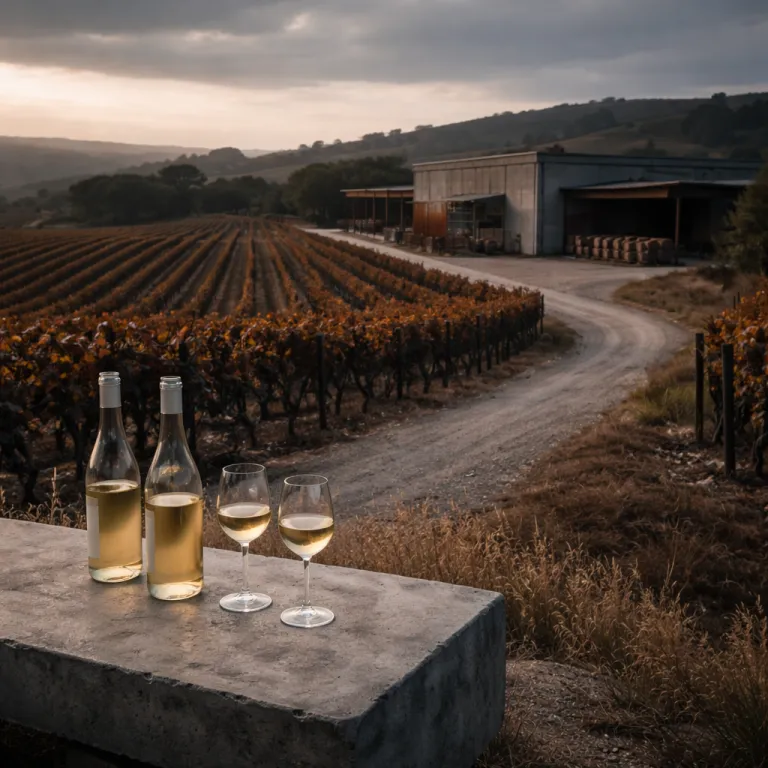
Why good chardonnay brands belong on every vineyard itinerary
Planning a wine-focused journey often means choosing routes around reliable, good chardonnay brands. When you understand how chardonnay wine reflects its origin, you can design vineyard days that move from coastal fog to sun-baked hillsides and taste the shift in fruit flavors and acidity. This grape rewards curious travelers who want both landscape and glass to tell the same story.
Chardonnay is the most widely planted white grape in many classic regions, so it anchors countless wines on tasting room lists. The best chardonnay examples range from bright unoaked chardonnay raised in stainless steel tanks to richly oaked styles with creamy textures and layered oak spices. Knowing which chardonnays you enjoy helps you decide whether to prioritize a breezy Sonoma Coast drive, a warmer Napa Valley backroad, or a detour to Santa Barbara and Santa Barbara County vineyards.
For travelers, the wine best suited to a route is not only about flavor but also about access and price. Some good chardonnay producers, such as Kendall-Jackson in California, offer widely available chardonnay wines that you can taste at home before visiting their vineyards. Others, like small wineries in Sonoma County or along the coastal chardonnay corridor, reward the effort of a specific vineyard visit with limited valley chardonnay bottlings that rarely leave the region.
Old world benchmarks: Burgundy and the art of white chardonnay wines
Any serious exploration of respected chardonnay labels should begin with Burgundy, where the grape reaches some of its most precise expressions. In villages such as Puligny-Montrachet, producers like Domaine Leflaive craft chardonnay wines that balance ripe grapes, firm acidity, and subtle oak into long-lived bottles. These wines show how carefully judged barrel élevage can frame fruit flavors without overwhelming the white wine’s mineral core.
Domaine Leflaive is widely regarded as a benchmark for the best chardonnay from Burgundy, and its bottles often command a high price that reflects meticulous vineyard work. Travelers who plan ahead can sometimes arrange tastings that compare different vineyard parcels, learning how slope, soil, and exposure change chardonnay styles in the glass. For collectors wondering which chardonnay is best for aging, many critics and merchants highlight Domaine Leflaive’s wines as particularly ageworthy, thanks to their concentration and structure.
Farther north, Domaine Laroche in Chablis offers a contrasting take on chardonnay wine, with steely, saline bottles raised mostly in stainless steel rather than new oak. These white wines highlight citrus and green apple fruit flavors, with piercing acidity that pairs beautifully with local cheese and seafood. When you walk the vineyards around Chablis, the fossil-rich soils underfoot explain why these chardonnays feel so linear and precise compared with many richer California styles.
Travelers who enjoy comparing white varieties can deepen their understanding by reading about how Sauvignon Blanc tastes along major vineyard routes. Tasting sauvignon alongside Chablis in France reveals how different grapes translate similar cool climates into very different wines. This contrast sharpens your sense of what makes chardonnay best in each region you visit.
California chardonnay routes: from sonoma coast to santa barbara
California remains essential for anyone mapping a trip around good chardonnay brands, because it offers a full spectrum of styles within a single state. Along the Sonoma Coast, fog-cooled vineyards yield California chardonnay wines with bright acidity, citrus-driven fruit flavors, and restrained oak. These coastal chardonnay bottlings often see partial stainless steel fermentation, which preserves freshness while a portion ages in oak for texture.
Drive inland toward Sonoma County and you encounter warmer sites that give richer chardonnays with riper grapes and more tropical flavors. Producers such as Kendall-Jackson, often written as Kendall Jackson or Kendall-Jackson Winery, have built their reputation on approachable, creamy chardonnay wines that still keep enough acidity for versatile food pairings. For travelers asking what is a good affordable chardonnay, many retail guides point to Kendall-Jackson’s widely distributed bottlings at around fifteen dollars as a dependable starting point.
Farther south, Santa Barbara and the wider Santa Barbara County coastline provide a different face of chardonnay Sonoma fans may not expect, with wind-swept vineyards and long growing seasons. Here, valley chardonnay from transverse valleys like Santa Maria often shows a mix of stone fruit, subtle oak, and saline notes that pair beautifully with local seafood and regional cheese. When planning your route, consider alternating a day of chardonnay wine tasting with a session focused on chilled reds, using guides such as this piece on the refined pleasure of red wines served chilled to broaden your perspective.
Travelers who enjoy cross-comparing white grapes can also look at focused tastings such as discussions of Oyster Bay Sauvignon Blanc in Marlborough. Experiencing sauvignon in New Zealand and chardonnay in California on separate trips helps you understand how climate, grapes, and winemaking choices shape both wines. This comparative approach makes each vineyard visit more engaging and each glass more instructive.
How oak, stainless steel and acidity shape chardonnay styles
Understanding cellar choices helps you evaluate good chardonnay brands more confidently during tastings. When chardonnay ferments and ages in new oak barrels, the wines often gain creamy textures, vanilla and spice flavors, and a rounder mouthfeel. These oaked chardonnays can feel luxurious, especially when grapes come from low-yielding vineyard parcels in regions like Napa Valley or Sonoma County.
By contrast, chardonnay raised entirely in stainless steel emphasizes purity of fruit flavors and crisp acidity, with no oak-derived aromas. Unoaked chardonnay from places such as Chablis or cooler pockets of Santa Barbara tends to highlight citrus, green apple, and sometimes a saline edge that pairs beautifully with oysters and fresh cheese. Travelers who prefer lighter white wines should ask at each tasting room whether a stainless steel cuvée is available, because these wines often provide the most refreshing option on a warm afternoon.
Many respected chardonnay houses now offer both oaked and unoaked styles, sometimes from the same vineyard, which allows visitors to compare directly. A producer might pour a barrel-fermented valley chardonnay alongside a tank-raised version, showing how oak changes texture while acidity remains similar. When you taste these chardonnay wines side by side, note which style you consider your personal best chardonnay, then use that preference to guide future stops on your route.
Some California estates, such as Rombauer Vineyards and Penfolds’ white wine releases, are known for richer, creamy wines that still maintain balance. Others, like Domaine Laroche in Chablis, lean firmly toward stainless steel and minimal oak, creating chardonnays that feel almost chiselled. As you travel, ask winemakers about their decisions on oak, tank, and lees contact, because these details explain why one chardonnay wine feels plush while another feels taut.
Food pairings and cheese boards along the chardonnay trail
One of the pleasures of visiting regions known for good chardonnay brands is the chance to enjoy thoughtful food pairings on site. In many tasting rooms, hosts will suggest local cheese, seasonal dishes, or seafood that highlight the wine’s acidity and fruit flavors. Accept these suggestions whenever possible, because they reveal how each chardonnay wine was designed to pair with regional cuisine.
Richer, oaked chardonnays with creamy textures and moderate acidity often pair beautifully with roast chicken, buttery sauces, and aged cheese. In Napa Valley or Sonoma County, you might find a barrel-fermented California chardonnay served with grilled corn, local goat cheese, and herb-roasted poultry, creating a harmony between oak spices and savory flavors. Lighter unoaked chardonnay from Santa Barbara or Chablis, raised in stainless steel, tends to shine with raw shellfish, fresh salads, and soft cheeses that echo the wine’s brightness.
Travelers should pay attention to how different chardonnays respond to similar dishes as they move from vineyard to vineyard. A Sonoma Coast chardonnay with high acidity and citrus fruit flavors will cut through rich sauces more sharply than a rounder valley chardonnay from a warmer site. Keeping simple notes on which chardonnay wines felt like the best match for specific foods will help you choose bottles and food pairings confidently when you return home.
Some estates, including Kendall-Jackson and Rombauer Vineyards, offer structured tastings that focus specifically on food pairings, sometimes featuring multiple chardonnays in a single flight. These experiences allow you to compare how cheese, seafood, and vegetarian dishes interact with both oaked and unoaked wines. For travelers who value culinary experiences as much as vineyard scenery, such tastings can be the highlight of a California wine journey.
Planning a chardonnay focused itinerary: prices, producers and practical tips
Building a trip around good chardonnay brands requires balancing prestige, availability, and price. High-end producers such as Domaine Leflaive in Burgundy sit at the top of the price spectrum, with chardonnay best suited for collectors and serious enthusiasts. Mid-range estates like Penfolds, Rombauer Vineyards, and Domaine Laroche offer chardonnay wines that combine strong reputations with more accessible pricing, making them ideal anchors for a varied itinerary.
For travelers starting in California, Kendall-Jackson provides a reliable reference point for widely distributed California chardonnay at an approachable price, with many retailers listing its flagship bottling around fifteen dollars. From there, you can branch out to smaller Sonoma County and Sonoma Coast producers, where single-vineyard chardonnays may cost more but offer distinct expressions of grapes and site. In Santa Barbara and Santa Barbara County, many wineries still pour excellent valley chardonnay at tasting rooms for modest fees, giving you a chance to taste widely before deciding which bottles to ship home.
When comparing prices, remember that oak aging, low yields, and specific vineyard designations all increase production costs, which appear in the final bottle price. Stainless steel and unoaked chardonnay styles are sometimes more affordable, yet they can still rank among the wine best options for refreshment and food friendliness. As you plan, allocate part of your budget to a few iconic bottles from renowned estates, then fill the rest of your case with characterful chardonnays from emerging producers you meet along the way.
Finally, consider seasonality and logistics when mapping your route between Napa Valley, Sonoma, and Santa Barbara. Harvest periods bring energy to the vineyard but also crowds, while quieter months allow longer conversations with winemakers about grapes, oak choices, and evolving chardonnay styles. With thoughtful planning, your journey through these regions will leave you with a personal shortlist of best chardonnay experiences that no simple ranking could replace.
Key figures and reference prices for notable chardonnay producers
- Domaine Leflaive’s benchmark Burgundy chardonnays often retail around 100 USD per bottle in recent merchant listings, placing them among the higher-priced white wines and signalling their suitability for long-term cellaring.
- Penfolds chardonnay bottlings typically sit near 50 USD based on current retail ranges, offering travelers a mid-tier option that combines international recognition with comparatively moderate price points.
- Rombauer Vineyards chardonnay averages about 40 USD per bottle in many U.S. shops, which reflects its position as a popular, creamy California style that remains accessible for many visitors.
- Kendall-Jackson chardonnay is widely available at roughly 15 USD per bottle according to major supermarket and online retailers, making it a practical reference wine to taste before planning a California vineyard trip.
- Domaine Laroche Chablis often appears around 22 USD in recent retail data, providing an affordable entry into classic unoaked or lightly oaked Chablis that showcases high acidity and mineral character.
FAQ about good chardonnay brands and vineyard travel
What is a good affordable chardonnay for planning a tasting trip ?
Kendall-Jackson is a strong affordable option, with many outlets listing its main chardonnay around 15 USD. This price point allows travelers to sample the style before visiting California vineyards. It also serves as a benchmark when comparing other chardonnay wines during your journey.
Which chardonnay is best for aging in a home cellar ?
For long-term cellaring, Burgundy producers such as Domaine Leflaive are frequently cited by critics and collectors for their ability to age gracefully. These chardonnays combine concentration, acidity, and judicious oak, which support gradual evolution in bottle. Travelers interested in aging potential should prioritize tastings at estates with similar reputations for structured, cellar-worthy wines.
What is considered a classic French chardonnay style ?
Chablis is often referenced as a classic French chardonnay expression, with producers like Domaine Laroche offering textbook examples. This cooler-climate style typically shows minimal oak, high acidity, and pronounced mineral notes. Visiting these vineyards offers a clear contrast to richer California styles from Napa Valley or Sonoma County.
How do I choose between oaked and unoaked chardonnays when traveling ?
Oaked chardonnays tend to be creamier, with flavors of vanilla and toast, while unoaked chardonnay raised in stainless steel emphasizes citrus and green apple. During vineyard visits, ask whether each wine spent time in oak or tank, then taste both styles side by side. Your preference will guide which producers and regions you prioritize on future trips.
Are california chardonnays always richer than European examples ?
California chardonnays from warmer sites in Napa Valley or inland Sonoma often taste richer than many European wines, but coastal areas such as the Sonoma Coast and Santa Barbara can produce fresher, higher-acidity styles. European regions like Chablis and parts of Burgundy typically focus on tension and mineral character rather than overt ripeness. Comparing these wines during travel helps you understand how climate and winemaking choices shape each glass.