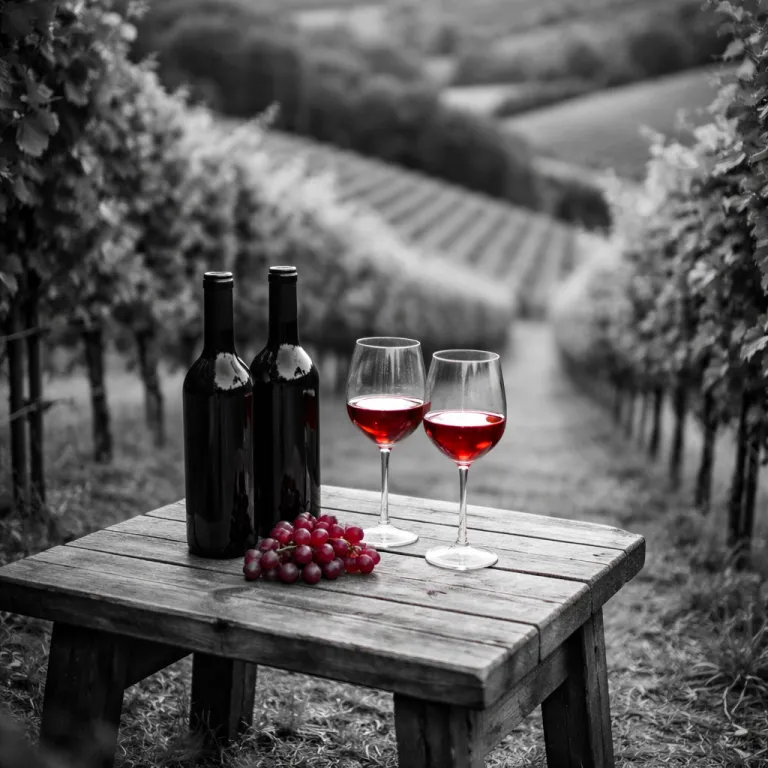
Miani wine and the quiet power of Friuli’s Colli Orientali
Miani wine attracts travelers who value depth, restraint, and quiet excellence. In the hills of Friuli Venezia Giulia, the Colli Orientali landscape frames the small Miani vineyard holdings with soft slopes and meticulous rows. Many visitors arrive already aware that these wines are among the best in the region, yet the place itself often feels surprisingly understated.
The village of Buttrio sits at the heart of this story, where Enzo Pontoni tends vines that rarely exceed modest yields. Here, the Colli Orientali hills form a natural amphitheater, with vineyards facing different exposures that shape each single vineyard expression. Travelers who care about terroir quickly sense how the soils, the winds, and the light all converge in these vineyards.
For wine focused travel, Miani wines offer a study in patience and precision. Production remains small, with only a limited number of bottles sold each year, and many allocations spoken for years ago. This scarcity influences the price, but it also heightens the sense of purpose when you finally taste a glass of Miani wine in its own region.
Visitors often arrive with a mental cart empty of expectations about hospitality frills, focusing instead on the vineyard itself. The vines years in the ground, some older and deeply rooted, tell their own story through the concentration in the wines. When you stand among these vineyards, the connection between careful farming and the intensity of Miani wines becomes unmistakable.
White miani wines: sauvignon blanc, ribolla gialla, and the elegance of Zitelle
Among white Miani wines, sauvignon blanc holds a special place for many travelers. The sauvignon from these vineyards in Friuli Venezia Giulia shows a different face than versions from cooler Atlantic regions, with more texture and a quieter aromatic profile. When you taste Miani wine here, you sense how the Colli Orientali landscape tempers sauvignon’s exuberance into something more layered.
The cuvée often referred to as sauvignon blanc from Zitelle comes from a single vineyard site that enthusiasts know as sauvignon Zitelle. This parcel sits within the broader Colli Orientali area, where the vines years in the ground and the careful pruning shape a wine of remarkable density. For visitors, walking the Zitelle vineyard and then tasting sauvignon Zitelle side by side with other Miani wines offers a clear lesson in micro terroir.
Ribolla gialla from Miani vineyards adds another dimension to the white range. In this part of Friuli Venezia Giulia, ribolla gialla can show both citrus brightness and a subtle, almost saline finish that pairs beautifully with local seafood. Travelers who plan their route around white wines often combine a visit here with regional food experiences and focused sauvignon blanc wine pairing itineraries, such as those outlined in specialized sauvignon blanc pairing guides for elegant vineyard journeys.
Chardonnay and other blanc expressions from Miani vineyards also reflect the same disciplined approach. The price of these white Miani wines often surprises newcomers, yet seasoned travelers understand that low yields and tiny production volumes inevitably limit what can be sold. For those who value precision and longevity, these whites rank among the best in Friuli Venezia Giulia.
Red miani wines: refosco, merlot, and the depth of Buri and Casa Rossa
Red Miani wines have earned a near cult following among serious collectors and travelers. The vineyards around Buttrio host refosco cossut, merlot buri, and parcels that feed into labels such as casa rossa and miani refosco. Each red Miani wine reflects a specific combination of vines years in the ground, exposure, and soil composition.
The refosco cossut bottling shows how a traditional Friuli grape can reach almost grand cru intensity in the right vineyard. Here, the term grand cru is used informally by enthusiasts to express quality, not as an official classification, yet the comparison helps travelers frame expectations. When you stand in the cossut vineyard and feel the breeze from the Adriatic, the structure and freshness of miani refosco suddenly make sense.
Merlot buri, sourced from the Buri vineyard, offers another perspective on Miani wines. This single vineyard expression often shows dark fruit, fine tannins, and a length that rivals top reds from more famous regions. Visitors who taste merlot buri alongside casa rossa quickly understand how each vineyard, each slope, and each set of vines years in the ground shapes a distinct personality.
For travelers planning food focused itineraries, these red Miani wines pair beautifully with local game, aged cheeses, and refined meat dishes. Those interested in structured pairing ideas can complement their Friuli trip with broader resources on elegant red wine pairings, such as the guidance available in a dedicated cabernet food pairing guide for refined vineyard journeys. While centered on another grape, the principles translate well to merlot buri and miani refosco.
Planning a visit to Miani: appointments, expectations, and local delivery
Travelers interested in Miani wine should understand that visits operate strictly by appointment. The estate in Buttrio focuses on vineyard work and small scale production, so hospitality remains intentionally discreet. When you arrange a visit, you are entering a working environment where vines, barrels, and timing take precedence over tourism.
Because Miani wines are produced in very small quantities, not every label will be available to taste or purchase. Some wines may already be sold through allocations, while others are reserved for long standing clients who committed years ago. This reality can affect both availability and price, so it is wise to manage expectations before you travel.
In the surrounding Friuli Venezia Giulia region, select retailers and restaurants may offer Miani wines by the bottle or glass. Some provide local delivery within the area, allowing travelers to arrange a shipment to their accommodation rather than carrying bottles during vineyard walks. When you see a wine list that includes sauvignon Zitelle, merlot buri, or miani refosco, it is worth asking how many bottles remain, as quantities are often limited.
Many visitors combine a stop at Miani with broader exploration of the Colli Orientali and nearby Venezia Giulia zones. This allows you to compare Miani wines with other producers working similar varieties such as sauvignon blanc, ribolla gialla, and refosco. For those who enjoy hosting gatherings back home, planning ahead with resources like an elegant wine tasting party guide can help you share your Friuli experiences with friends.
Understanding price, scarcity, and the role of Venezia Giulia terroir
The price of Miani wine reflects a combination of low yields, tiny vineyard holdings, and intense manual work. With only a small number of bottles produced from about 13 hectares of vineyards, each cuvée represents a narrow slice of Friuli Venezia Giulia terroir. Travelers who follow the region closely know that these wines often sell out quickly, sometimes years ago through prearranged allocations.
Within the broader Venezia Giulia area, the Colli Orientali subregion stands out for its marl and sandstone soils. These formations, combined with the moderating influence of the Adriatic and the Alps, create ideal conditions for varieties such as sauvignon blanc, ribolla gialla, and refosco cossut. When you taste Miani wines, especially single vineyard expressions like mont zuc, buri, or casa rossa, you experience how this terroir translates into texture and length.
Scarcity also shapes how travelers encounter Miani wines on the road. Some bottles appear only briefly on restaurant lists before being sold to collectors, while others remain hidden in private cellars for many years. This can make it challenging to compare different Miani wines side by side, especially if your travel schedule is tight.
For those planning a focused itinerary, it helps to add flexibility and time in the Colli Orientali region. This allows you to explore other vineyards, taste additional sauvignon blanc and ribolla gialla expressions, and contextualize Miani wine within the wider Friuli Venezia Giulia landscape. By the end of such a trip, many travelers feel their mental cart empty of preconceptions, replaced by a deeper understanding of how place, vines years in the ground, and patient farming shape these wines.
From Friuli to your table: serving, pairing, and preserving miani wines
Bringing Miani wine from Friuli Venezia Giulia to your own table requires thoughtful handling. These wines, whether sauvignon blanc, ribolla gialla, merlot buri, or miani refosco, benefit from careful serving temperatures and gentle aeration. Many travelers who tasted them near the vineyards later try to recreate that experience at home.
For white Miani wines such as sauvignon Zitelle or ribolla gialla, slightly warmer than standard fridge temperature often works best. This allows the texture and subtle aromatics shaped by the Colli Orientali terroir to emerge more clearly. When you pour sauvignon blanc from Miani vineyards into large glasses, the wine’s layered character becomes more evident.
Red Miani wines like merlot buri, casa rossa, and refosco cossut usually benefit from a short decant. Their structure, influenced by low yields and vines years in the ground, can appear tight at first pour. Allowing the wine to breathe for a modest period helps the fruit, spice, and mineral notes align.
Travelers who return with several bottles often plan themed dinners around their Friuli experiences. They might add local dishes inspired by the region, pairing sauvignon blanc with seafood, ribolla gialla with delicate starters, and miani refosco with richer meats. In such settings, the memory of walking through the vineyards of Buttrio and the Colli Orientali transforms each glass into a vivid reminder of the journey.
Key figures about Miani wine and its vineyards
- Approximate annual production of Miani wines is around 7 000 bottles, emphasizing scarcity and artisanal scale.
- The estate farms roughly 13 hectares of vineyards in and around Buttrio in Friuli Venezia Giulia.
- Miani focuses on about 7 key grape varieties, including sauvignon blanc, ribolla gialla, chardonnay, merlot, and refosco.
Essential questions for planning a Miani focused vineyard journey
What grape varieties does Miani cultivate?
What grape varieties does Miani cultivate?
How can I purchase Miani wines?
How can I purchase Miani wines?
Is Miani open for public visits?
Is Miani open for public visits?