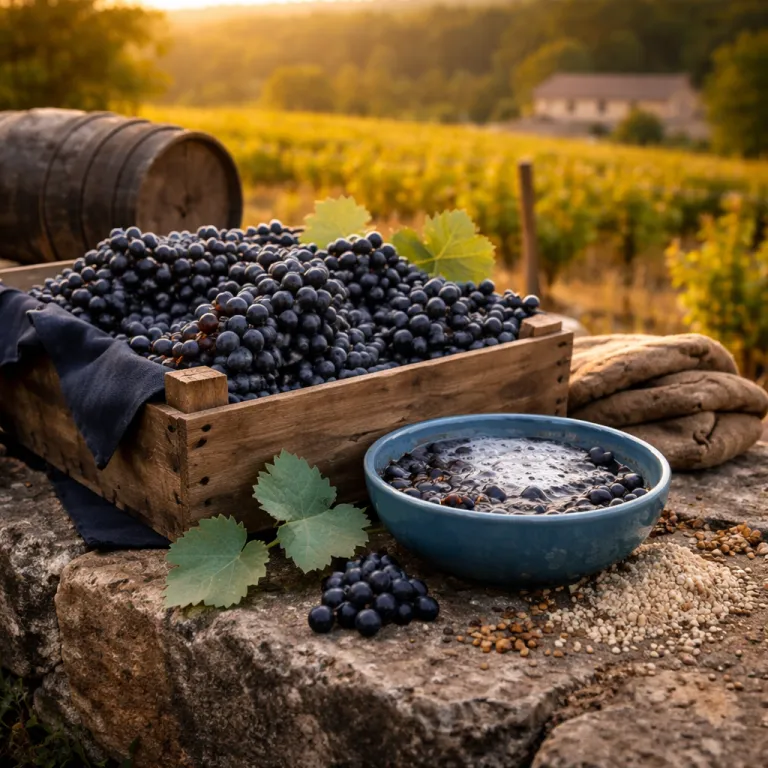
En mémoire du Malbec in southern France: a journey between Cahors and Bordeaux
En mémoire du Malbec in southern France is more than a label; it is a narrative that links forgotten vineyards to renewed ambition. Travellers who follow this Malbec wine trail move between the deep valleys of Cahors and the softer hills around Bordeaux, tracing how one grape shaped two very different wine regions. Along the way, you taste red wine styles that range from inky black wine to supple, modern French Malbec wines with soft tannins and luminous fruit.
In Cahors, Malbec Cahors has long been known as vin noir, the black wine whose colour once guided merchants on the Lot River towards barrels of power and longevity. Today, many producers in the Lot département still craft traditional Cahors Malbec wines, yet a growing number experiment with organic methods and gentler extraction to highlight fresher fruit and more polished tannins. This shift allows visitors to compare older, more rustic wine Cahors expressions with contemporary interpretations that feel lighter on the palate but remain unmistakably red and profound.
Further west, the story of Malbec in southern France takes on a different tone at Château de Lagarde in Bordeaux, where Vignobles Raymond has revived Malbec as a pure grape expression. According to the estate’s own technical sheets, the cuvée En Mémoire du Malbec is indeed produced here as a commercial wine. The family honours the memory of the frost that destroyed much of the historic Malbec vineyard area in Bordeaux, while embracing organic viticulture and a blend of oak barrels with stainless steel tanks. Travellers can taste how this organic Malbec wine balances ripe black fruit with soft tannins, offering a Bordeaux answer to both Cahors intensity and the plush Malbec wines of Argentina.
Cahors, Lot River landscapes and the soul of black wine
The historic heart of en mémoire Malbec southern France lies in Cahors, where steep terraces rise above the sinuous Lot River. Here, Malbec Cahors vines cling to limestone and gravel, giving wines with dense colour, firm tannins and a savoury edge that once earned them the name black wine. Travellers who walk these vineyards quickly understand why this grape, known locally as Côt and often also called Auxerrois in older documents, became the backbone of traditional wine Cahors styles.
Many Cahors producers now offer structured tastings that compare younger Malbec wines with mature bottles, allowing you to feel how tannins soften and fruit evolves over time. A typical flight might begin with a red wine from the valley floor, showing juicy fruit and relatively soft tannins, then move to a plateau cuvée with more concentration and darker spice. Some estates, such as Clos Chêne or cuvées labelled Chêne Hors Série, highlight specific parcels, giving visitors a precise sense of how different lots of grapes translate into distinct Cahors Malbec personalities, from blackcurrant and plum to graphite and dried herbs.
For travellers who already appreciate nuanced Pinot Noir, this region offers a fascinating counterpoint in structure and depth. Reading an elegant guide to the taste of Pinot Noir before arriving can sharpen your palate for comparing lighter reds with the more muscular French Malbec wines of the Sud Ouest. On site, many châteaux integrate vineyard walks, cellar visits and photography friendly viewpoints over the Lot, making Cahors an ideal base for wine and landscape lovers who want both intellectual insight and sensory pleasure; one winemaker likes to say that “the river carves the valley, but Malbec carves the memory of the place in your glass.”
Bordeaux and En Mémoire du Malbec: organic revival at Château de Lagarde
While Cahors guards the ancestral image of black wine, Bordeaux now writes a new chapter in en mémoire Malbec southern France through En Mémoire du Malbec at Château de Lagarde. Produced by the family owned Vignobles Raymond, this French Malbec wine is certified organic and crafted entirely from Malbec grapes grown in the rolling countryside of Saint Laurent du Bois. The project pays tribute to the era when Malbec was widely planted in Bordeaux, before a devastating frost eliminated many vines and shifted the region’s focus towards Merlot and Cabernet.
Visitors to Château de Lagarde can explore how organic viticulture shapes both the vineyard and the glass, from cover crops between rows to reduced chemical inputs that respect local biodiversity. In the cellar, the team combines oak barrels and stainless steel tanks, an approach that preserves fresh fruit while adding subtle spice and structure to the Malbec wine. Tasting En Mémoire du Malbec alongside classic Bordeaux blends reveals how this grape can stand alone as a top wine in France, offering a bridge between Cahors intensity and the silkier styles often associated with Argentina.
Travellers interested in broader red wine journeys might pair a visit here with other estates highlighted in guides to red mountain estate wines, such as those at Terra Blanca in Washington State. Comparing En Mémoire du Malbec with international Malbec wines helps you understand how climate, soil and winemaking choices influence tannins, acidity and aromatic profiles. For many guests, this tasting becomes a focal point of their Bordeaux itinerary, adding depth and historical context to the more familiar Cabernet and Merlot experiences.
From Sud Ouest to Argentina: tracing Malbec’s global path
Following en mémoire Malbec southern France naturally leads to a broader reflection on how this grape travelled from the Sud Ouest to the Andes. In Cahors and Bordeaux, Malbec wines tend to show firmer tannins, higher acidity and a savoury, sometimes earthy character that pairs beautifully with regional cuisine. By contrast, Malbec from Argentina often offers riper fruit, softer tannins and a more opulent texture, shaped by high altitude vineyards and intense sunlight.
Many French producers now frame their tastings around this comparison, pouring a Cahors Malbec beside an Argentine red to highlight differences in fruit profile and structure. You might taste notes of black plum, cassis and graphite in a French Malbec, then move to violet, blueberry and sweet spice in a Malbec wine from Mendoza. This side by side approach helps travellers understand that one grape can yield multiple expressions, and that the Malbec heritage of southern France is part of a global conversation rather than a nostalgic look backwards.
Some estates in the Sud Ouest even host themed evenings where chefs create menus that pair both French and Argentine Malbec wines with dishes from each country. These events often attract a cosmopolitan crowd of wine lovers who appreciate both the rustic charm of wine Cahors and the polished allure of New World reds. For travellers, such experiences transform a simple tasting into a cultural exchange, deepening appreciation for how grapes, people and landscapes interact across continents.
Photography, BKWine and capturing Malbec’s landscapes
Wine travellers drawn to en mémoire Malbec southern France often carry cameras as eagerly as tasting notebooks. The terraced vineyards above the Lot River, the stone châteaux of Cahors and the gentle slopes around Bordeaux all lend themselves to evocative photography. Companies such as BKWine have long recognised this, integrating vineyard photography into their wine tours and publishing images that celebrate both grapes and the people who tend them.
Through BKWine photography, co founder Britt Karlsson and her équipe have documented Malbec vineyards in France and beyond, from Sud Ouest terraces to high altitude sites in Argentina. Many of these images, marked with copyright BKWine or Cahors copyright, show seasonal changes in the vines, the texture of old Clos Chêne walls and the play of light on the Lot. Travellers inspired by this work often plan their own itineraries around key viewpoints, seeking dawn or dusk shots that capture the deep greens and autumnal reds of Malbec leaves.
When visiting estates, always ask permission before photographing workers or private areas, and respect any signage related to copyright or restricted zones. Some producers now offer dedicated photography friendly visits, allowing extra time in the vineyards and cellars for careful composition. For those who wish to study visual storytelling in wine regions more deeply, BKWine photography books and hors série publications provide a thoughtful framework for seeing beyond the glass and into the wider cultural landscape of Malbec.
Planning an en mémoire Malbec itinerary in southern France
Designing a journey around en mémoire Malbec southern France means balancing depth of tasting with the pleasure of slow travel. A classic route begins in Bordeaux, where you can visit Château de Lagarde to taste En Mémoire du Malbec, then continues east towards the Sud Ouest and the Lot valley. Along the way, you pass through varied wine regions, each offering different expressions of red wine, from Merlot based blends to pure French Malbec wines.
In Cahors, base yourself near the Lot River to access both riverside terraces and plateau vineyards within short drives of 10 to 20 kilometres. Plan visits to a mix of traditional producers and more experimental estates, including those working with organic grapes or single parcel cuvées such as Chêne Hors Série. Many châteaux now require reservations, so contact them in advance, especially if you want extended tastings that compare multiple Malbec wines or focus on specific lots of wine Cahors.
Between cellar visits, leave time for regional cuisine, from duck confit to truffle dishes that pair beautifully with black wine and other structured reds. If sparkling wines also interest you, reading a guide on how Champagne differs from other sparkling wines can enrich your understanding of contrast when you return to still Malbec. By the end of such a trip, most travellers feel they have not only tasted top wine examples of Malbec Cahors and Bordeaux, but also gained a nuanced sense of how landscape, history and human choices shape every glass.
Key figures and statistics about Malbec in Bordeaux and Cahors
- Historical accounts describe severe frosts in Bordeaux that destroyed a large share of Malbec plantings and encouraged a shift towards Merlot and Cabernet Sauvignon; some trade sources, such as Natural Merchants, estimate losses at around seventy five percent, though exact figures vary by source and period and should be treated as indicative rather than definitive. This context makes En Mémoire du Malbec at Château de Lagarde a rare example of a Bordeaux estate returning to pure Malbec wine. For travellers, tasting this cuvée offers insight into a style that nearly vanished from the region.
- Cahors regulations require that Malbec, locally called Côt or Auxerrois, forms the majority of the blend in wine Cahors, typically at least seventy percent; the official Cahors AOC rules specify a minimum of 70% Malbec, with Merlot and Tannat allowed as complementary grapes. This legal framework ensures that the appellation remains closely associated with French Malbec, preserving the identity of black wine from the Lot valley. Visitors can therefore rely on Cahors labels to provide a consistent Malbec driven experience across producers.
- Organic vineyards now represent a growing share of plantings in both Bordeaux and the Sud Ouest, reflecting increased demand for organic wines among international travellers. Estates such as Vignobles Raymond at Château de Lagarde demonstrate how organic viticulture can coexist with traditional cellar practices using both oak and stainless steel. For wine tourists, this trend translates into more opportunities to taste organic Malbec wines that express terroir with clarity.
- The Lot River valley offers more than three main terrace levels of vineyards, each with distinct soil compositions that influence Malbec tannins and fruit profile. Lower terraces tend to produce softer, more approachable reds, while higher plateaus yield structured wines suited to ageing. Guided tastings that compare these levels help visitors grasp the geological diversity behind the term wine regions of southern France.
FAQ about En Mémoire du Malbec and Malbec travel in southern France
What is En Mémoire du Malbec and where is it produced ?
En Mémoire du Malbec is an organic Malbec wine produced by Vignobles Raymond at Château de Lagarde near Bordeaux in France. The cuvée is made from one hundred percent Malbec grapes and honours the historical role of this grape in Bordeaux before most vines were lost to frost. Travellers can taste it on site as part of a broader exploration of en mémoire Malbec southern France.
How does Malbec from Cahors differ from Malbec in Bordeaux ?
Malbec from Cahors, often called black wine, typically shows deeper colour, firmer tannins and a more savoury profile than many Bordeaux examples. In Bordeaux, Malbec is usually blended, but En Mémoire du Malbec offers a rare single grape expression with softer tannins and more polished fruit. Tasting both styles during one trip reveals how soil, climate and cellar choices shape French Malbec wines.
Why is the Lot River important for Malbec travellers ?
The Lot River carves the main valley where many of the best Malbec vineyards of Cahors are planted on terraces and plateaus. Its meanders create varied exposures and microclimates, which in turn influence grape ripening and the structure of wine Cahors. Travellers who follow the river by car or bicycle can easily visit multiple producers while enjoying dramatic views of vineyards and cliffs.
Are there organic options for Malbec wine in southern France ?
Yes, both Cahors and Bordeaux now host a growing number of organic producers working with Malbec grapes. En Mémoire du Malbec at Château de Lagarde is a leading organic Malbec wine in Bordeaux, while several Cahors estates farm organically or biodynamically to highlight terroir and reduce environmental impact. Visitors interested in sustainability should ask specifically for organic Malbec wines when booking tastings.
How can I combine Malbec travel with other wine experiences in France ?
A practical itinerary might start in Bordeaux for classic blends and En Mémoire du Malbec, then continue east to Cahors for black wine and Lot River landscapes. From there, travellers can extend their journey to other Sud Ouest wine regions or return towards Champagne and Burgundy for sparkling wines and Pinot Noir. This approach creates a rich contrast between structured Malbec reds and other iconic French wines within a single trip.