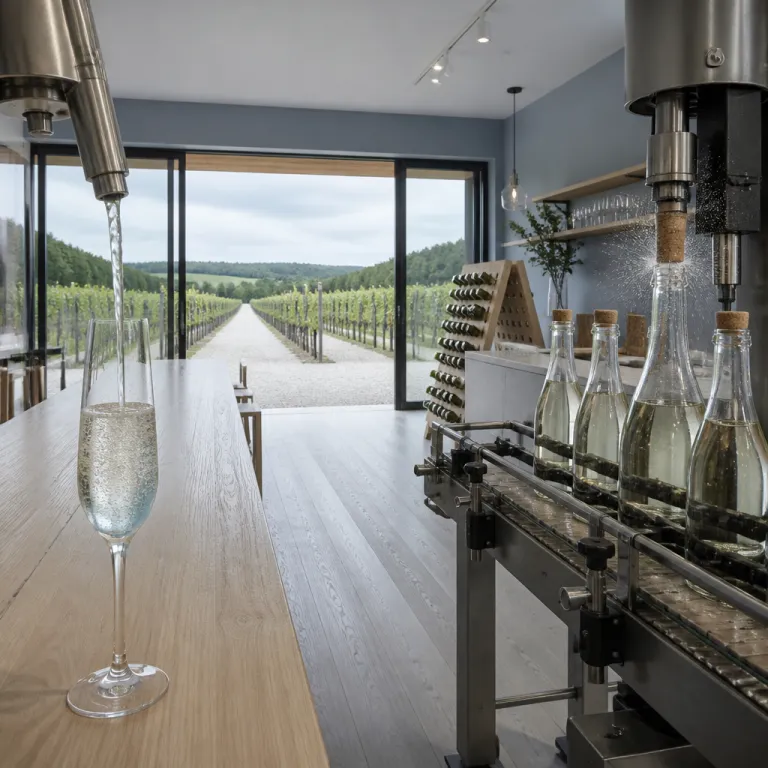
Planning an English sparkling wine vineyard visit across the UK
Why English sparkling wine now rivals classic European bubbles
English sparkling wine has moved from curiosity to serious contender in a single generation. Chalk rich soils in parts of southern England mirror the geology of Champagne, while a cooler but steadily warming climate now ripens Chardonnay and Pinot Noir reliably enough for precise, elegant traditional method wines. For any English sparkling wine vineyard visit across the UK, this combination of soil and climate is the quiet force behind the glass in your hand.
On an English sparkling wine vineyard tour, UK travelers quickly notice how close the style sits to grower Champagne, with long lees ageing, restrained dosage and a focus on single vineyard expression. Producers across Sussex, Kent and the wider south of England talk less about branding and more about specific slopes on each wine estate, explaining how the south facing parcels catch light that cooler north facing vineyards never see. When you taste several sparkling wines side by side during a guided tour, the differences between chalk, greensand and clay become as vivid as any comparison between Champagne and the best Italian or Spanish sparkling wine regions.
English vineyards and wineries now treat sparkling wine as their flagship, not a sideline. Many estates offer a combined wine tour and structured wine tasting that walks you from the vineyard row to the cellar door, then into a calm tasting room where three or four English wines are poured in sequence. For the solo traveler planning an English sparkling wine vineyard visit, UK specialists recommend booking tours and tastings in advance, because the most in demand guided tour slots on peak days can sell out quickly.
The 55 percent surge in vineyard visits and what it means for travelers
Over a recent two year period, vineyard visits in England rose by 55 percent, a shift that has quietly reshaped rural tourism in the south east. According to WineGB’s 2022 Industry Report, visitor numbers increased from around 300,000 in 2019 to more than 465,000 in 2021, with English sparkling wine identified as the main driver of this growth (WineGB, 2022, “Industry Report 2022 – Tourism and Visitor Centres,” winegb.co.uk). WineGB notes that visitors now travel specifically for a vineyard tour rather than adding it as a rainy day diversion. As one industry FAQ puts it with disarming simplicity, “Why visit UK vineyards? To experience wine production and taste local wines.”
This surge has practical implications for anyone planning an English sparkling wine vineyard visit, especially in Sussex, Kent and West Sussex where visitor numbers concentrate. Estates have responded with more structured tours and tastings, better online booking systems and clearer information about seasonal opening hours, which makes it easier to secure a guided tour on a chosen day. For the traveler, it means you can now build a focused sparkling wine itinerary in England with the same confidence you might plan a Champagne weekend or a trip devoted to Spanish semi dry elegance, such as the style explored in this guide to refined brut sparkling wine.
Economic impact is visible in the villages around leading vineyards, where restaurants, inns and transport services have adapted to wine tourism rhythms. A short taxi ride from a rural station now often comes with a driver who knows the cellar door opening times better than many locals once did. For solo explorers, the 55 percent rise in visits means more English wine options by the glass in countryside pubs, more sparkling wines on local lists and a growing sense that an English sparkling wine vineyard visit within the UK can anchor an entire long weekend rather than a single afternoon.
From London to the South Downs: a weekend sparkling wine trail
London is now one of Europe’s most convenient launch pads for a compact wine tour focused on English sparkling. Direct trains place you within easy reach of Sussex and Kent in under two hours, turning an English sparkling wine vineyard visit in the UK into a realistic weekend escape for solo travelers. Once you step off the train, a ten to fifteen minute taxi ride often bridges the gap between station and vineyard, especially in West Sussex and along the South Downs.
A classic route begins with vineyards near the chalky slopes of the South Downs, where a wine estate might pour a flight of award winning sparkling wines alongside a still Pinot Noir that hints at future potential. At Ridgeview, for example, the Bloomsbury and Cavendish cuvées have collected trophies at the Decanter World Wine Awards and the International Wine Challenge in recent years (Decanter World Wine Awards 2020–2022; International Wine Challenge 2019–2021), while nearby Wiston Estate has earned praise for its Blanc de Blancs in Decanter panel tastings. Many vineyards offer a combined tour and tasting format, starting among the vines before moving into the winery for a look at the traditional method process that defines English sparkling. Lunch at a countryside restaurant attached to an estate allows you to pair local seafood or seasonal vegetables with a glass of English wine, then perhaps place an online order later when you check the sale price from home.
On day two, shift east towards Kent, where a different mix of soils and slightly warmer conditions shape the wines. Here, a guided tour might focus on how the estate balances sparkling wine production with still wines, giving you a broader sense of what an English sparkling wine vineyard visit across the UK can offer beyond bubbles alone. At Chapel Down, for instance, visitors can taste the Three Graces sparkling alongside Bacchus still wines, while Gusbourne near Appledore showcases single vineyard bottlings that highlight specific parcels. Travelers who have already explored classic European sparkling regions, such as those covered in this overview of sparkling wine from Italy, often remark on how compact distances in England allow two or three contrasting vineyards in a single day without feeling rushed.
How the English vineyard experience differs from France and Italy
An English sparkling wine vineyard visit within the UK feels markedly more intimate than many large scale French or Italian estates. Most vineyards in England remain relatively small, with owners or senior winemakers frequently leading the guided tour themselves and pouring wines at the cellar door. That direct contact gives solo travelers a rare chance to ask detailed questions about clones, pruning choices and why one Pinot Noir parcel goes into sparkling wine while another is bottled as still wine.
Compared with Champagne, where tours and tastings can feel choreographed, English vineyards often operate with a lighter touch and more flexible formats. A typical tour and tasting might include a walk through the vineyard, a stop in the compact winery to see riddling racks and press equipment, then a seated wine tasting of three or four sparkling wines plus one still English wine. The atmosphere leans more towards conversation than lecture, which suits travelers who prefer to understand a wine estate through the people behind it rather than a scripted presentation.
Food plays a different role as well, with many English wineries partnering with a nearby restaurant rather than running full service kitchens on site. That means your English sparkling wine vineyard visit UK itinerary might alternate between vineyards and village restaurants, each highlighting local produce with glasses of English bubbly. For those who have already followed our elegant journey through red Italian wine, the contrast is striking; Tuscany often revolves around agriturismo stays, while England’s wine trail feels more like a string of focused daytime visits linked by short countryside drives or train hops.
Climate change, northern Europe and the future of English sparkling travel
Climate change sits uncomfortably at the heart of the English sparkling story, yet it is impossible to ignore its role in making an English sparkling wine vineyard visit across the UK so compelling today. Warmer growing seasons have pushed viable viticulture further north, allowing England to ripen Chardonnay and Pinot Noir for sparkling wine with a consistency that would have been rare several decades ago. The same trend underpins emerging vineyards in Sweden and other northern European countries, where regulatory changes such as Sweden’s move away from a strict retail monopoly have opened new paths for winery to consumer sales.
For travelers, this shift means that English sparkling now competes directly with Champagne on both quality and style, while often offering a more approachable sale price at the cellar door. Award winning cuvées from Sussex, Kent and West Sussex show fine mousse, precise acidity and autolytic complexity that stand comfortably beside many established French sparkling wines. Nyetimber’s Classic Cuvée, for example, has taken multiple gold medals at the International Wine & Spirit Competition (notably in 2018, 2020 and 2022), while Gusbourne’s Brut Reserve has featured among top scoring English wines in Decanter blind tastings since the late 2010s. During a guided tour, winemakers frequently pour their English sparkling next to a Champagne benchmark, inviting guests to judge for themselves rather than relying on marketing claims.
As northern Europe’s wine map expands, itineraries that once focused solely on France, Italy or Spain now plausibly include England as a first or final chapter. A traveler might begin with a visit to Fairmile Vineyard near Henley, continue to vineyards London side in Surrey and Sussex, then fly onwards to continental regions for a broader sparkling wine arc. A practical two day outline could see a Saturday morning train from London Victoria to Haywards Heath for a late morning tour at Ridgeview, lunch on site, then an afternoon tasting at Wiston Estate, followed on Sunday by an early train to Ashford International for a midday visit to Gusbourne and a late afternoon stop at Chapel Down before returning to London in the evening. In this context, an English sparkling wine vineyard visit UK based is no longer a novelty; it is part of a wider rebalancing of European wine tourism, where cooler climate regions step forward and traditional powerhouses adapt to warmer conditions.
FAQ
What is English sparkling wine ?
English sparkling wine is a traditional method sparkling wine produced in England, usually from classic Champagne grapes such as Chardonnay, Pinot Noir and Pinot Meunier. Secondary fermentation takes place in the bottle, creating natural bubbles and allowing extended ageing on lees for complexity. Many of the best examples come from chalk and greensand soils in Sussex, Kent and other parts of southern England.
Why plan an English sparkling wine vineyard visit UK wide instead of going to Champagne ?
An English sparkling wine vineyard visit UK based offers a more intimate, small scale experience than many large Champagne houses, with winemakers often leading tours themselves. Travel logistics from London are straightforward, with vineyards in Sussex and Kent reachable by train and short taxi rides, making weekend trips easy for solo travelers. Quality has risen sharply, so you can now taste award winning sparkling wines that stand credibly beside many Champagnes, often at a more approachable cellar door price.
When is the best time to visit English vineyards for sparkling wines ?
The most rewarding period for an English sparkling wine vineyard visit UK wide typically runs from late spring through early autumn. Vines are in full leaf, weather is milder and many estates schedule extra tours, tastings and outdoor events during these months. Harvest time can be particularly atmospheric, though some wineries limit access to focus on picking and pressing.
Do I need to book vineyard tours and tastings in advance in England ?
Advance booking is strongly recommended for any English sparkling wine vineyard visit UK travelers are planning, especially on weekends and during peak summer months. The 55 percent rise in visitor numbers means that guided tour slots and structured wine tasting sessions often sell out several days ahead. Online booking systems on winery websites make it easy to secure a place and check seasonal opening times before you travel.
How does English sparkling wine compare on price and style to Champagne ?
Stylistically, many English sparkling wines aim for a similar profile to grower Champagne, with high acidity, fine bubbles and flavours of citrus, orchard fruit and brioche from lees ageing. On price, top cuvées from leading English estates often sit close to mid range Champagne, while entry level non vintage bottles can offer good value at the cellar door. Travelers on an English sparkling wine vineyard visit UK wide often find that the combination of quality, personal experience and direct purchase options delivers strong overall value compared with more formal Champagne visits.