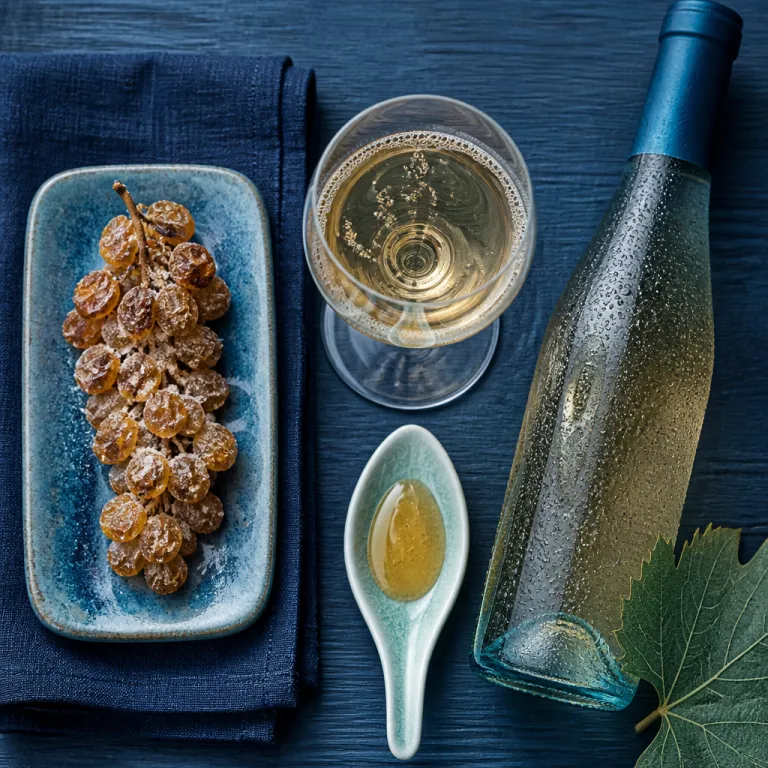
White sweet wine travel: from vineyard landscapes to the glass
White sweet wine is not just a drink; it is a style that shapes entire vineyard landscapes and travel itineraries. When you walk through estates focused on sweet white wines, you see how every decision about grapes, harvest timing, and cellar work is aimed at preserving sweetness and layered flavors. These wines become a lens through which you read the culture of a region, its cuisine, and even its climate.
Across Europe and the New World, winemakers craft white wines with residual sugar by using late harvest techniques, noble rot, or stopping fermentation early to keep natural grape sugar. These methods create a spectrum of sweet white expressions, from feather-light Moscato to concentrated Sauternes, each wine offering its own aromatic profile of honey, ripe fruit, and spice. For the traveller, understanding how sweetness is created helps you interpret cellar tours, ask sharper questions, and choose the best wine orders to ship home.
On the road, you will hear producers speak about residual sugar levels, which for many classic dessert wines often sit somewhere between 80 and 150 grams per liter, depending on region and style (for example, Sauternes and German Beerenauslese frequently fall in this range according to producer technical sheets and OIV sweetness guidelines that classify wines above roughly 45 grams per liter as sweet). Those numbers matter because they shape how the wine pairs with spicy foods, rich pâtés, or fruit-based desserts, and how versatile sweet bottles can be at the table. When a sommelier explains that sweet white wine complements bold spicy dishes or blue cheese, you can connect that advice directly to what you have seen in the vineyards and cellars.
Key regions for white sweet wine and how to visit them
Some of the most compelling journeys for lovers of white sweet wine lead to Sauternes in Bordeaux, the Mosel and Rhine valleys for Riesling, and Alsace for Gewurztraminer. In Sauternes, misty mornings encourage botrytis on white grapes, creating intensely sweet wines with caramel and honey flavors that have made the region famous. Walking between châteaux, you sense how the landscape itself is creating the sweetness in your glass.
In Germany and France, Riesling vineyards cling to steep slopes where late-harvest grapes are picked by hand in multiple passes, each berry selected for perfect ripeness. These Riesling wines range from delicately sweet to lusciously rich, and their vibrant acidity keeps every sip refreshing rather than cloying. Travellers who time their visits for the harvest season, typically from late September to early November depending on the vintage, can sometimes watch pickers at work, gaining a vivid sense of how labor intensive great sweet white wines can be.
Alsace offers another dimension, with aromatic Gewurztraminer and Pinot Blanc based wines that pair well with spicy foods and local Munster cheese. Here, you will often see labels marked vendange tardive for late harvest and sélection de grains nobles for intensely concentrated berries, both signalling elevated sweetness and complexity. If you are curious about how sweet red styles compare, many travellers combine these routes with reading about sweet red wine experiences before planning a broader dessert wine itinerary.
From vine to glass : how sweetness is crafted
Behind every memorable glass of white sweet wine lies a chain of precise decisions, starting with grape variety. Riesling, Moscato, and Sémillon are among the best grapes for retaining acidity while building sweetness, which is why you see them so often in renowned sweet white wines. When you tour vineyards, ask guides how each grape variety contributes to fruit character, structure, and aging potential.
Winemakers use three main methods to create sweet white wines: late harvest, noble rot, and arrested fermentation. Late harvest means leaving grapes longer on the vine so that water evaporates and sugars concentrate, while botrytis cinerea shrivels berries in regions like Sauternes, creating intense honeyed flavors. Stopping fermentation early, often by chilling the must, using sterile filtration, or in some traditions by fortifying with grape spirit, preserves natural sugar and results in a wine sweet style that can be lighter in alcohol and very aromatic.
Cellar visits reveal the tools behind these choices, from stainless steel vats that protect delicate fruit aromas to oak barrels that add texture and spice. Guides may explain that “Residual sugar in sweet white wines can range from about 45 grams per liter in lighter styles to well over 150 grams per liter in the richest late-harvest and botrytised wines” and that “Dessert wines represent only a small share of global wine production, which is estimated at around 250 million hectoliters per year by the International Organisation of Vine and Wine (OIV)”, figures that highlight how specialised this category remains. For travellers eager to deepen their knowledge, resources such as this elegant guide to sweet wines can frame what you see in the cellar with clear, structured information.
Pairing white sweet wine with local cuisines while travelling
One of the great pleasures of wine travel is tasting how white sweet wine complements regional dishes in situ. In many destinations, chefs design menus where a single sweet white cuvée pairs with several courses, from foie gras to fruit tarts. This is where you feel how a versatile sweet style can move beyond dessert and become a central part of the meal.
In Asia-inspired restaurants and modern bistros, sommeliers often pour Riesling or Gewurztraminer with bold spicy dishes, showing how sweetness and acidity tame heat. They know that wine pairs well with spicy flavours when there is enough sugar to soften chilli and enough freshness to keep the palate lively. Travellers who enjoy Thai curries, Sichuan cuisine, or Korean barbecue will find that a carefully chilled white sweet wine complements these plates far better than many dry whites.
Classic European pairings remain essential, especially in regions where late harvest wines are produced. Sauternes with Roquefort, Alsace Gewurztraminer with strong washed rind cheeses, and Loire sweet white wines with tarte tatin all demonstrate how sweetness, salt, and fat can balance each other. When you taste these combinations at the source, you gain a deeper understanding of why wine complements food so powerfully and why certain grapes have become local icons.
Practical tips for buying, shipping, and pricing sweet white wines
Travellers who fall in love with white sweet wine often want to bring bottles home, either in luggage or via shipping orders from the estate. Many wineries now offer online wine orders with clear information about unit price, shipping costs, and estimated delivery times. When you visit, ask staff to explain how they handle international shipping orders and what packaging they use to protect fragile bottles.
Price structures for sweet white wines can be surprising, because yields are low and harvest work is intensive. You may see a regular price that seems high for a half bottle, but when you understand that pickers sometimes pass through the same row several times, selecting only the ripest grapes, the price unit begins to make sense. One Sauternes grower summed it up during a late-harvest visit: “For every bottle you taste, there are dozens of berries we left on the ground because they were not perfect enough.” Some estates offer mixed cases where a sweet white blend sits alongside dry white wines, allowing you to compare styles from the same terroir.
Wine clubs linked to estates or regional consortia can be useful for travellers who want ongoing access to limited cuvées. A well curated wine club often offers members priority wine orders, occasional free shipping promotions, and invitations to harvest events or vertical tastings. When evaluating offers, look beyond the unit price and consider the overall experience, from educational content to opportunities for return visits.
Designing an itinerary around white sweet wine experiences
Planning a journey focused on white sweet wine means thinking seasonally, geographically, and gastronomically. Many travellers aim for the late harvest period, when vineyards are busiest and you can feel the tension of weather watching and picking decisions. Visiting at this time, usually from early October in Sauternes to late autumn in cooler regions, lets you see how winemakers work hand in hand with nature to capture sweetness at exactly the right moment.
A well structured itinerary might link Sauternes, the Loire, Alsace, and German Riesling regions, then contrast these with drier styles in Italy. Reading about elegant journeys through dry Italian whites can help you understand how sweetness and dryness express the same grapes differently. Alternating sweet white tastings with visits to estates specialising in crisp white wine keeps your palate fresh and highlights the full range of white wines.
On the ground, mix large, historic estates with smaller family run cellars to see how different scales handle late harvest logistics, fermentation control, and visitor hospitality. Ask guides how they decide which parcels become sweet white wines and which are vinified dry, and how they adapt when a season is too cool or too warm. By the end of such a trip, you will have a nuanced sense of how white sweet wine is not a single style but a family of wines shaped by place, grape, and human choices.
Key figures and facts about white sweet wine
- Residual sugar in classic sweet white wines typically ranges from about 45 grams per liter in lighter dessert styles to more than 150 grams per liter in intensely botrytised wines, levels that place them firmly in the dessert wine category while still allowing freshness when acidity is high (based on producer data and OIV sweetness categories).
- According to the International Organisation of Vine and Wine (OIV), global wine production averages around 250 million hectoliters per year; sweet and dessert wines account for only a small fraction of this total, which explains why many of the most sought after bottles are limited and allocated.
- Serving temperature strongly influences perception of sweetness; most experts recommend pouring white sweet wine at 7 to 10 °C, which helps balance sugar with acidity and aromatic intensity.
- Regions such as Sauternes, the Mosel, and Alsace have seen rising interest in late harvest and botrytised wines, driven partly by travellers seeking specialised vineyard experiences focused on dessert wines.
FAQ : travelling for white sweet wine
What foods pair well with sweet white wines?
Spicy dishes, desserts, and soft cheeses are classic partners for sweet white wines. The sugar and acidity in these wines soften chilli heat, highlight fruit based desserts, and cut through the richness of creamy cheeses. When travelling, look for local menus where chefs propose dedicated pairings for the estate’s sweet cuvées.
Are all Rieslings sweet?
No, Rieslings range from dry to sweet, and labels or tasting room staff can help you identify the style. In Germany and Alsace, terms such as trocken, halbtrocken, and vendange tardive indicate different sweetness levels. Always ask to taste a range, from dry to late harvest, to understand how versatile this grape can be.
How should sweet white wines be served?
Sweet white wines should be served chilled, around 7 to 10 °C, which keeps them refreshing and prevents the sweetness from feeling heavy. Use smaller glasses than for red wine, as portions are usually modest and aromas are intense. When visiting estates, notice how they manage temperature in tasting rooms, since it can change your perception of balance.
When is the best time of year to visit sweet white wine regions?
Harvest season is the most atmospheric time, especially in areas producing late harvest or botrytised wines. You may see pickers selecting grapes by hand and feel the excitement as winemakers monitor weather and ripeness. Outside harvest, cellars are quieter but you often have more time with guides and can focus on structured tastings.
Can I ship sweet white wines home from vineyards?
Many estates and regional merchants offer international shipping orders with protective packaging and tracked delivery. Regulations vary by destination country, so always ask staff about legal limits, taxes, and recommended carriers. If shipping is complex, consider buying a few half bottles at a regular price and transporting them carefully in a padded wine travel case.