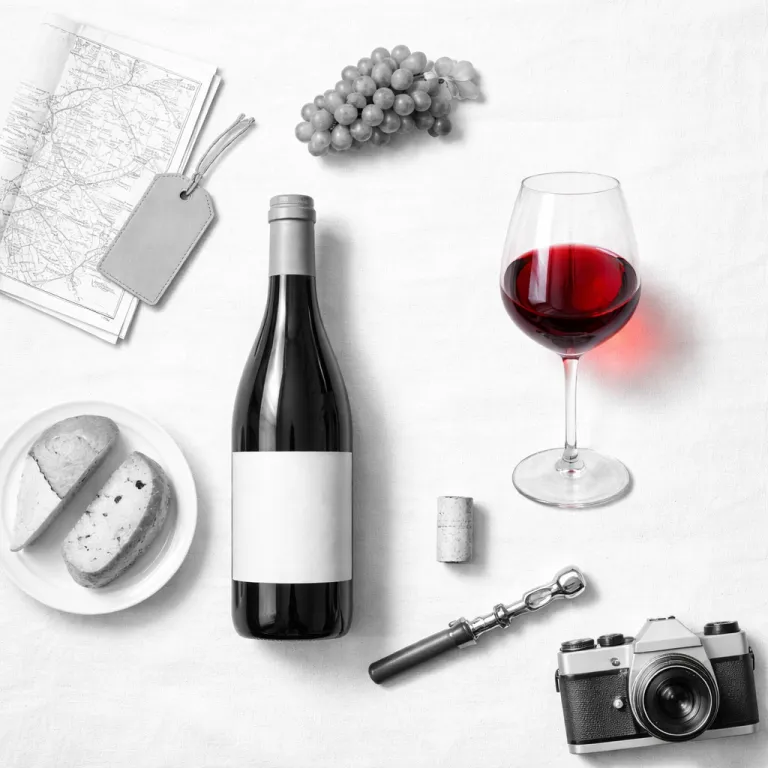
Beaujolais nouveau as a gateway to vineyard travel
Beaujolais Nouveau is more than a seasonal wine; it is a passport into the landscapes and cellars of Beaujolais. This young wine opens a window onto the region’s granite hills, where rows of Gamay vines frame stone villages and quiet Romanesque churches. For travellers who love red wines, planning a journey around Beaujolais Nouveau 2024 becomes a refined way to understand how a product moves from vineyard to glass within weeks.
The release of Beaujolais Nouveau each year follows a precise rhythm, from harvest in September to fermentation in October and a festive launch on the third Thursday in November. That date is when the new Beaujolais Nouveaux arrive in cafés, wine bars, and domaines, and the entire region feels like a single, extended tasting room. Standing in Beaujeu or nearby villages on release day, you sense how the tradition of a young wine connects local growers, international wine producers, and curious visitors in one shared celebration.
Travellers often ask whether this nouveau red is a good wine to justify a dedicated trip, or simply a marketing event. The answer lies in the glass, where aromas are bright, the fruit is vivid, and the finish is light yet persistent, especially when you taste at a well-run domaine that works carefully with semi-carbonic maceration. A well-made Beaujolais Nouveau offers crunchy red berries, sometimes a touch of black cherry or plum, and that lively profile makes it an ideal first step into the wider world of wines from Beaujolais and other French red regions.
Key producers shaping the beaujolais nouveau experience
Understanding Beaujolais Nouveau 2024 as a traveller means knowing the names behind the labels and planning visits around them. In Beaujolais, several producers stand out for visitors who want to taste on site and compare styles across several wines tasted in a single day. Well-known houses such as Georges Duboeuf, négociant firms like Maison Joseph Drouhin, and long-established family domaines including Domaine Dupeuble each interpret this young wine differently, and together they show the range of quality Beaujolais can achieve even at this early stage.
Georges Duboeuf is widely credited with helping to popularise Beaujolais Nouveau internationally from the late twentieth century onward, and the Georges Duboeuf visitor centre in Romanèche-Thorins remains a reference point for many wine lovers. When you taste a Duboeuf Beaujolais Nouveau at the estate, the bouquet often suggests strawberry, redcurrant, and soft spice, with an easy-drinking finish that illustrates why Duboeuf bottlings became closely associated with the style in many export markets. For travellers, a visit here typically includes a structured tour, a museum-style experience, and a chance to compare the classic Georges Duboeuf Beaujolais Nouveau with other wines from Beaujolais produced under the same umbrella.
Maison Joseph Drouhin, better known for its Burgundy holdings, has also bottled Beaujolais Nouveau, often with an emphasis on elegance and clarity of fruit rather than sheer exuberance. At a carefully managed domaine supplying Drouhin, you can taste how whole-cluster fermentation and stainless steel vats preserve lift and highlight the purity of the Gamay grape, with notes of raspberry, cherry, and a touch of violet. Domaine Dupeuble, a family-owned estate in southern Beaujolais with a long history in the region, tends to appeal to visitors seeking a more traditional, sometimes more rustic expression of young wine, where darker berry tones, a slightly deeper colour, and a faint savoury edge show how varied these red wines can be even within the same year.
Travellers who enjoy exploring nuanced red wine regions such as Anderson Valley Pinot Noir will find similar satisfaction in comparing these Beaujolais producers side by side. When planning your itinerary, consider pairing a day of tastings at these domaines with a later journey to elegant Pinot Noir vineyards in Anderson Valley to contrast Gamay’s juicy fruit with Pinot’s more delicate structure. This kind of comparative travel deepens your understanding of red wines and turns each glass of Beaujolais Nouveau into part of a broader, thoughtful exploration.
From vineyard to glass: how young wine is crafted
One of the most compelling reasons to travel for Beaujolais Nouveau 2024 is the chance to see how a young wine is made at speed without sacrificing quality. In Beaujolais, semi-carbonic maceration and whole-cluster fermentation are the key methods that allow wine producers to capture intense fruit and freshness in just a few weeks. Watching grapes arrive at a domaine in September, then tasting the finished product in November, gives visitors a rare, compressed view of the entire winemaking cycle.
In the cellar, stainless steel vats and traditional wine presses help preserve the bright, juicy character that defines Beaujolais Nouveau and other young wines from Beaujolais. These techniques encourage a supple, low-tannin style where the aromas are lifted, the palate shows red berries, cherry, and sometimes a hint of darker fruit, and the finish remains clean and easy to drink. When you compare several wines tasted from different producers, you begin to see how choices in maceration time, temperature control, and pressing influence the final product and its perceived quality profile.
Travellers who already appreciate structured dry red wines from other regions will find it fascinating to contrast those experiences with the immediacy of nouveau. Reading about the world of dry red wines is helpful, but standing in a Beaujolais cellar while a winemaker explains why this young wine is not meant for aging brings the lesson to life. For a deeper theoretical background before or after your trip, you can explore a detailed guide to grape varieties and dry red wine journeys, then return to Beaujolais with sharper questions about tannin, acidity, and fruit expression.
Planning a November journey in Beaujolais
For wine travellers, timing is everything, and Beaujolais Nouveau 2024 revolves around a precise calendar. The official release happens on the third Thursday in November, when French regulations allow the new Beaujolais Nouveau to be poured and sold worldwide. Being in Beaujolais on that Thursday means you can attend local release parties, taste multiple wines from Beaujolais in one evening, and feel how the entire region celebrates its young wine.
Base yourself near Beaujeu or another central village such as Villefranche-sur-Saône so you can reach several domaines within a short drive, often less than 15 kilometres between tastings. Many estates open their cellars for special events around November, offering guided tours, food pairings, and comparative tastings that set the current year alongside previous Beaujolais Nouveaux. When you plan your route, include a mix of larger houses like Georges Duboeuf and smaller nouveau domaines, because this contrast reveals how a well-run domaine can craft a distinctive style even within the same vintage.
Practical details matter on a trip focused on young wine and freshness. Serve Beaujolais Nouveau slightly chilled, around 13 °C, and expect fragrant red fruit, floral notes, and sometimes a hint of darker berries depending on the domaine. Since this product is meant for immediate enjoyment, many travellers like to buy a few bottles on site, add them to their cart at local shops, and enjoy them during the trip rather than storing them for the next year. A simple one-day itinerary might start with a 10:00 tasting near Beaujeu, continue with a midday cellar visit within a 20-minute drive, and finish with an early evening release party in a nearby village, leaving time for meals and short transfers between stops.
Pairing beaujolais nouveau with regional cuisine and gifts
Beaujolais Nouveau 2024 shines at the table, where its light body and vivid fruit make it a versatile partner for regional dishes. In local bistros, you will often see this young wine poured alongside charcuterie, roast chicken, and sausages with lentils, where the lively acidity cuts through richness without overwhelming delicate flavours. The best pairings highlight the wine’s red berry core while allowing the finish to stay clean and refreshing.
Travellers should not overlook the growing role of rosé in the region, especially the emerging Beaujolais Nouveau Rosé and traditional rosé domaine bottlings. These wines offer a paler colour, a nose suggesting strawberry, citrus, and sometimes white flowers, and a very crisp finish that works beautifully with salads, goat cheese, and lighter fish dishes. When you taste both red and rosé nouveau at a good domaine, you gain a fuller sense of how the region’s Gamay grape can express fruit and freshness across different wine styles.
For those thinking about gifts, Beaujolais Nouveau and Beaujolais Nouveaux from several producers can be an elegant way to share your journey with friends. Many cellar doors now offer mixed cases, sometimes paired with a gift card that allows the recipient to choose additional wines tasted later in the year. If you are shopping online after your trip, you will often see options to add bottles to a digital cart, but buying directly at the domaine keeps the connection between place, product, and memory especially vivid.
Deepening your wine travel: from Beaujolais to other regions
A journey centred on Beaujolais Nouveau 2024 can be the starting point for a broader exploration of red wines and vineyard landscapes. Once you have experienced how a young wine is harvested, fermented, and released within weeks, you may want to contrast that immediacy with late-harvest or ice wine styles that rely on extended hang time and concentrated sweetness. For example, travellers intrigued by climatic extremes often continue their itinerary with German ice wine journeys through frozen vineyards, where the focus shifts from freshness to refined sugar and acidity balance.
Back in Beaujolais, you can extend your stay beyond the nouveau season to explore more structured wines from Beaujolais crus, such as Morgon or Moulin-à-Vent. These red wines show deeper dark fruit, firmer tannins, and a longer finish, demonstrating how the same Gamay grape that makes a light young wine can also produce serious, age-worthy bottles. Visiting both nouveau domaines and cru vineyards gives you a complete picture of the region’s potential and helps you distinguish between an easy-drinking good wine and a more complex, cellar-worthy product.
As you refine your travel plans, remember that Beaujolais is compact enough to explore by car or even by bicycle, with many domaines located within a short distance of each other. The region’s rolling hills, stone villages, and welcoming tasting rooms make it easy to plan days that balance wines tasted with time spent in the landscape itself. Whether you are using Beaujolais Nouveau as a festive starting point or as one stop on a longer European wine route, the combination of freshness, fruit, and hospitality makes this corner of France a rewarding destination for any serious wine traveller.
Key figures and trends around beaujolais nouveau
- Recent industry estimates from Inter Beaujolais indicate that several tens of millions of bottles of Beaujolais Nouveau are released in a typical year, underlining the continued international appeal of this young wine style even as volumes fluctuate by vintage.
- The release on the third Thursday in November each year ensures a coordinated global launch, which helps wine producers plan logistics and marketing while giving travellers a clear date around which to organise vineyard visits.
- Growing popularity of Beaujolais Nouveau Rosé reflects a wider trend toward lighter, fresh wine styles, encouraging more domaines to experiment with rosé bottlings alongside traditional red nouveau.
- Rising global demand for young, vibrant wines has increased interest in regions like Beaujolais, where semi-carbonic maceration and whole-cluster fermentation can deliver a market-ready product within weeks of harvest.
- The introduction of Beaujolais Nouveau Rosé as a regular product line is expected to boost overall visibility for quality Beaujolais, drawing in consumers who might previously have focused only on red wines.
Frequently asked questions about beaujolais nouveau and travel
What is Beaujolais Nouveau and why is it released in November ?
What is Beaujolais Nouveau? A young red wine from Beaujolais, France, released annually in November. The release date on the third Thursday in November creates a global celebration, when the new Beaujolais Nouveaux arrive simultaneously in markets and tasting rooms around the world. For travellers, this timing makes November an ideal month to visit the region and experience the festivities first hand.
How should Beaujolais Nouveau be served during a tasting trip ?
How should Beaujolais Nouveau be served? Slightly chilled, around 13 °C (55 °F). Serving the wine at this temperature keeps the aromas lifted, highlights the red and dark fruit, and preserves the sense of freshness that defines a good Beaujolais Nouveau. In many domaines, you will notice that both red and rosé nouveau are poured cool, especially when paired with charcuterie or light regional dishes.
Is Beaujolais Nouveau meant for aging or immediate drinking ?
Is Beaujolais Nouveau meant for aging? No, it's intended for immediate consumption within a few months. This young wine is crafted to showcase fruit, softness, and an easy finish rather than long-term complexity, so most wines tasted during your trip are best enjoyed before the next year’s release. Travellers often buy a few bottles to take home, but serious cellaring is better reserved for cru Beaujolais and other structured red wines.
Which producers should wine travellers prioritise when visiting Beaujolais ?
For a first trip focused on Beaujolais Nouveau 2024, it makes sense to visit a mix of larger and smaller domaines. Names such as Georges Duboeuf, Maison Joseph Drouhin, and Domaine Dupeuble provide a useful cross section of styles, from classic export-focused bottlings to more traditional, terroir-driven expressions. By planning tastings at several good domaines in a single day, you can compare how each producer handles fruit, freshness, and finish in their young wine.
What other wine regions pair well with a Beaujolais focused itinerary ?
Travellers who enjoy the light, fresh style of Beaujolais Nouveau often appreciate contrasting it with more structured red wines or with sweet wines from cooler climates. Combining Beaujolais with a visit to Burgundy, the Rhône Valley, or German ice wine regions creates a varied itinerary that explores different expressions of fruit, acidity, and body. This kind of multi-region journey turns a single product into a broader education in European wine styles and vineyard landscapes.