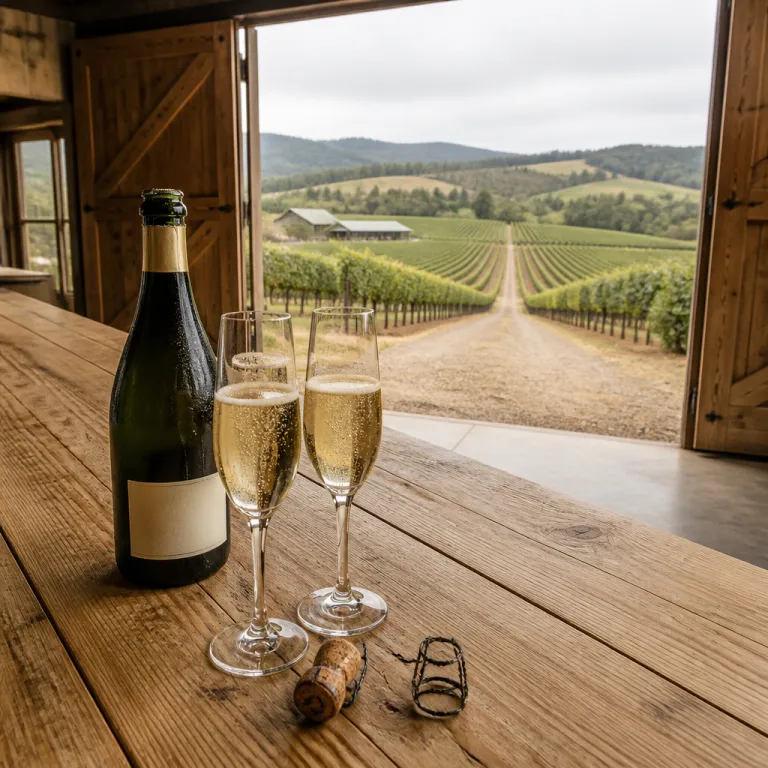
Why the Willamette Valley is quietly perfect for sparkling wine
Oregon’s Willamette Valley looks gentle from the highway, but its climate is quietly exacting. The long growing season, cool nights, and modest summer highs give wine growers the slow ripening they need for elegant sparkling wine. Its valley vineyards sit between 60 and 300 metres, where morning mist preserves acidity while afternoons stay just warm enough for pinot and chardonnay to reach flavour without excess sugar.
That balance is the foundation of serious sparkling wines, because the traditional method relies on grapes picked earlier than for still wines. When winemakers in this wine country harvest pinot noir, chardonnay, and pinot meunier for method sparkling, they are chasing tension rather than opulence. The result is base wine with piercing freshness, ready for secondary fermentation in bottle and years of quiet evolution on lees.
Volcanic and marine sedimentary soils add another layer to the story of Oregon willamette valley sparkling wine tasting. In the Dundee Hills, iron rich volcanic earth gives pinot noir and chardonnay pinot blends a red fruited, spice edged profile that translates into precise valley sparkling wines with fine bubbles. Move west toward the coast range and you find marine sediments that lend a saline edge, giving brut and brut rosé from these valley vineyards a savoury, food friendly finish that rewards a slow, attentive tasting.
A focused Dundee Hills itinerary for serious bubbles
Plan one full day in the Dundee Hills if you want to understand why Oregon sparkling wine now commands global attention. Start at Argyle, the pioneering winery that has been producing sparkling wines since 1987 and still sets the benchmark for méthode traditionnelle in the region. Their tasting room in the centre of Dundee pours flights that move from taut brut to richer noir chardonnay cuvées, each illustrating how years of experience with secondary fermentation shape texture and complexity.
From Argyle, drive a few minutes into the red hills to visit ROCO, where veteran winemaker Rollin Soles explores pinot noir and chardonnay through both still wines and refined sparkling wine. Here, a focused Oregon Willamette Valley sparkling wine tasting might compare a blanc de noirs with a chardonnay driven brut, letting you taste how different parcels of willamette valley vineyards express themselves through bubbles. Ask to walk a vineyard row if conditions allow ; hearing how this slope catches the afternoon sun differently will tell you more than any tasting note.
Later in the day, head toward domaine Willamette, where the emphasis on traditional method sparkling wines is matched by a calm, vineyard facing setting. Couples can linger over a brut rosé while watching workers move quietly between blocks of pinot and chardonnay, a reminder that every glass begins in the vines. If you are curious about harvest work, read this piece on why harvest participation is replacing the standard tasting before you visit ; it will sharpen the questions you ask in each winery.
Inside Method Oregon and how it compares with Champagne rules
As production of sparkling wines in Oregon has grown, producers have pushed for clearer standards to signal seriousness. Method Oregon now defines a category for traditional method sparkling wine that requires at least 24 months en tirage, aligning the region with the long ageing expectations of Champagne. This framework matters for travellers, because when you see Method Oregon on a label during an Oregon willamette valley sparkling wine tasting, you know the bubbles in your glass have spent years gaining texture and complexity in the cellar.
Champagne’s appellation rules remain stricter in some respects, with tightly delimited villages, yield limits, and detailed regulations around pressing and reserve wines. Willamette valley producers, by contrast, enjoy more freedom to experiment with pinot noir, chardonnay, and pinot meunier proportions, as well as with single vineyard expressions from different valley vineyards. Yet the shared commitment to methode traditionnelle and bottle ageing means that a brut from Argyle or a valley sparkling cuvée from ROCO can stand confidently beside many French peers on technical grounds.
For travellers, the nuance lies in the glass and in the story told in each tasting room. One winery might emphasise the role of marine sediments in shaping a saline, linear brut, while another focuses on volcanic sites that give broader, stone fruited chardonnay pinot blends. To understand how these choices play out across a full meal, explore this guide to how winery experiences are evolving beyond the classic tour ; it will help you choose experiences where the method sparkling narrative is woven into every pour.
The new wave: cultural diversity and cellar level detail
The most compelling reason to plan an Oregon willamette valley sparkling wine tasting trip now is the energy of its new wave. Producers such as Mellen Meyer specialise in traditional method sparkling wines, working closely with local growers to source high acid pinot noir and chardonnay from carefully chosen valley vineyards. Their focus on long lees ageing and precise secondary fermentation shows how far the region has moved beyond experimental bubbles into a mature, terroir driven category.
Cultural diversity is reshaping the narrative as well, with wineries like Cho Wines bringing fresh perspectives to both still wine and sparkling wine production. This new generation treats pinot, chardonnay, and even pinot meunier not as fixed recipes but as tools to express specific hillsides and microclimates within the willamette valley. When you taste their sparkling wines alongside more established labels such as Argyle or ROCO, you feel the region’s range, from taut, mineral brut to richer noir chardonnay blends that still carry Oregon’s signature brightness.
Travellers who care about detail should pay attention to how each winery talks about method, from the choice of tirage liqueur to the decision between brut and brut rosé styles. Ask how many years the wines spend on lees, whether dosage is adjusted per cuvée, and how they see their valley sparkling wines evolving as climate patterns shift. For a deeper understanding of how pinot noir behaves at the table, this article on the new generation of winery experiences pairs well with your planning, especially if you want meals that highlight both still wine pinot and sparkling counterparts.
Planning your visit: when to go and how to taste
Timing shapes the character of any Oregon willamette valley sparkling wine tasting trip. Late spring and early autumn offer the most comfortable conditions for moving between wineries, with clear roads, moderate temperatures, and vineyard views that frame every glass of sparkling wine. During these periods, tasting rooms at Argyle, ROCO, domaine Willamette, and other wineries along the BOB Trail can give you enough space to talk with staff about method sparkling details rather than rushing through flights.
When you visit, treat each winery stop as a focused session rather than a quick pour and dash. Start with a classic brut to calibrate your palate, then move through blanc de blancs, brut rosé, and any single vineyard valley sparkling wines that highlight specific soils or exposures. Ask to compare a chardonnay driven cuvée with a pinot noir dominant blend ; the contrast will teach you more about Willamette’s structure and fruit profile than any written guide.
Many properties now offer wine club memberships centred on sparkling wines, which can be useful if you want to follow how a producer’s style evolves over years. A club at a place like Argyle or ROCO might include limited releases of methode traditionnelle cuvées, experimental secondary fermentation trials, or late disgorged bottles that rarely appear in the public tasting room. If you are building a cellar, these allocations let you track how Oregon’s wine country matures, one carefully aged bottle of bubbles at a time.
Perlée, Rex Hill and the next chapter of Oregon bubbles
The next phase of Willamette’s sparkling story is being written by both established names and ambitious newcomers. Rex Hill, long respected for still pinot noir, has been quietly refining its approach to sparkling wine, using high elevation sites to preserve acidity for methode traditionnelle cuvées. Tasting their brut alongside a still wine pinot flight shows how one set of valley vineyards can yield both structured reds and finely etched bubbles.
Perlée, a dedicated sparkling project in the Dundee Hills, signals how focused the region’s ambitions have become. With an estate blanc de blancs from Foothills Vineyard and a tasting room designed around food pairings, it aims to show that Oregon’s valley sparkling wines deserve the same attention at the table as Champagne. Expect detailed conversations about method sparkling choices, from base wine pressing to secondary fermentation timing, all framed by views that remind you why this wine country feels so quietly confident.
Across the region, producers and regulators are aligned on the long game. As one local summary puts it, “Willamette Valley's climate and soil are ideal for sparkling wine production.” That shared belief underpins investments in ageing cellars, specialised equipment, and careful vineyard sourcing, and it is why an Oregon willamette valley sparkling wine tasting itinerary now belongs on the shortlist for any couple who cares about terroir, texture, and the quiet thrill of perfectly judged bubbles.
FAQ
What makes Willamette Valley particularly suitable for sparkling wine ?
The Willamette Valley’s cool climate, long growing season, and mix of volcanic and marine sedimentary soils create ideal conditions for grapes used in sparkling wines. Grapes such as pinot noir and chardonnay can be harvested with high acidity and moderate sugar, which is essential for traditional method sparkling wine. This combination allows wineries to produce valley sparkling wines with fine bubbles, low alcohol, and precise, food friendly structure.
Which grape varieties should I expect in Oregon sparkling wines ?
Most Willamette Valley sparkling wines are based on pinot noir and chardonnay, mirroring the classic Champagne blend. Some wineries also incorporate pinot meunier to add mid palate weight and red fruit notes, especially in brut rosé styles. During an Oregon willamette valley sparkling wine tasting, you will often see these varieties listed on labels as noir chardonnay or chardonnay pinot blends, sometimes with single vineyard designations.
Are there specific routes for sparkling focused tasting itineraries ?
Travellers interested in bubbles can follow informal routes that link key producers in the Dundee Hills and broader Willamette Valley. The BOB Trail, for example, highlights several wineries with strong sparkling wine programmes, including long established names and newer projects. Planning a day that connects Argyle, ROCO, domaine Willamette, and other nearby tasting rooms will give you a coherent view of the region’s method sparkling landscape.
How does Method Oregon help me choose bottles during a visit ?
Method Oregon is a regional designation that signals a wine has been made using the traditional method with extended ageing en tirage. When you see this term on a label in a tasting room, you know the producer has committed to at least 24 months of bottle ageing before release. For visitors, it is a quick way to identify serious sparkling wines that emphasise texture, complexity, and longevity rather than simple, fruity bubbles.
Can I combine sparkling tastings with still wine experiences in Willamette Valley ?
Many Willamette Valley wineries produce both still and sparkling wines, making it easy to explore the region’s full range in a single visit. A typical flight might include still pinot noir, chardonnay, and then one or two methode traditionnelle cuvées, allowing you to compare how the same grapes behave with and without secondary fermentation. For travellers who enjoy pairing, reading a detailed guide to pinot noir and food matching before your trip can help you move confidently between still and sparkling at the table.