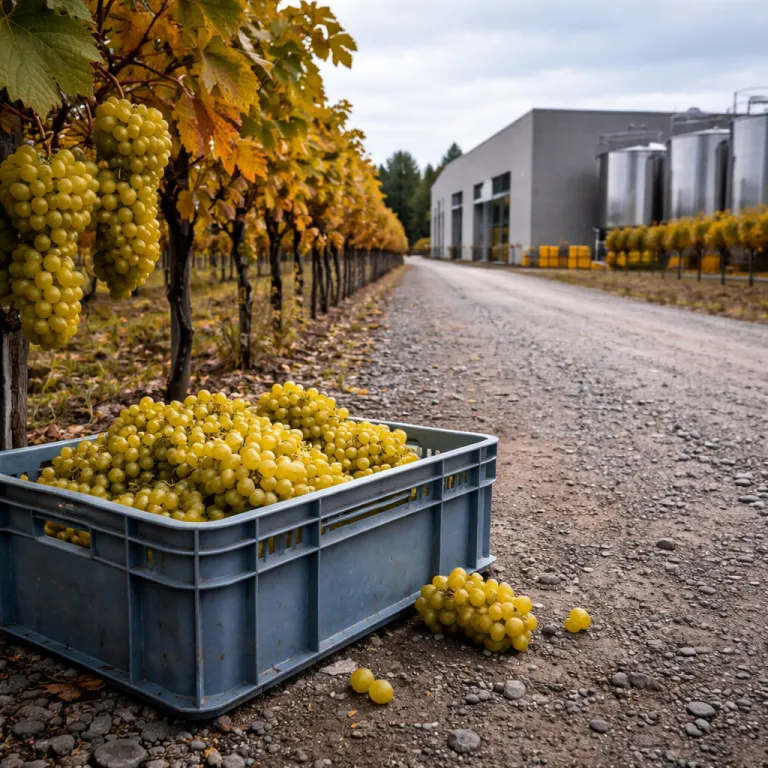
Why the best chardonnay wines belong on your travel wish list
Chardonnay is the white grape that quietly rules global wine lists. When you plan vineyard journeys around the best Chardonnay wines, you connect landscapes, cultures, and cellars in a single elegant thread. For a traveller, every glass of chardonnay becomes a map of soils, climates, and people.
From Burgundy to California and from Australia to Canada, this versatile white wine style shows how one variety can express many personalities. Major wine awards such as the Decanter World Wine Awards and the San Francisco International Wine Competition taste thousands of bottles through blind judging to highlight standout examples from each country. These expert panels use detailed tasting notes and scoring systems, which helps you learn which vineyards and valleys are worth crossing borders to visit, even if the exact numbers and scores change from year to year.
Recent results have spotlighted producers like Jean-Marc Brocard in Chablis, Wirra Wirra in Australia, Jackson-Triggs in Canada, Weis Vineyards in New York, and Louis Jadot in Burgundy. These names matter for travellers because they anchor real places, real vineyard roads, and real cellar doors where you can taste benchmark chardonnay wines. When you plan a trip around such estates, you move beyond labels and into the vineyards themselves, walking the rows and tasting where the wines are made.
Planning a white wine journey through California’s iconic valleys
California remains the most influential region in the United States for chardonnay, and its valleys are built for slow, immersive travel. In Napa Valley, vineyard bottlings range from rich, oak-aged styles to fresher, more mineral expressions, often within a few kilometres of each other. This contrast makes a focused valley itinerary especially rewarding for curious wine travellers.
Base yourself near the central river valley floor to explore both hillside vineyards and cooler pockets closer to the coast. In Sonoma County, the Russian River and Sonoma Coast areas are essential stops for anyone serious about tasting the best chardonnay wines in the United States. Here, fog from the Pacific drifts over vineyards each morning, preserving acidity and delicate fruit flavors in both oaked and unoaked styles.
Plan tastings at estates along the Russian River Valley where chardonnay-based whites show citrus and stone fruit layered with subtle oak notes. Then continue west to the Sonoma Coast for more restrained coastal bottlings, often with saline hints that pair beautifully with local seafood. If you enjoy comparing varieties, you can balance this white wine focused trip with a red wine detour by reading about a tasting of Sauvignon Blanc in Marlborough and then contrasting those bright profiles with richer California chardonnay wines.
Old world elegance: Burgundy and the art of vineyard chardonnay
For many travellers, Burgundy in France remains the spiritual home of chardonnay white wine. The region’s patchwork of vineyards shows how tiny changes in slope, soil, and exposure can transform fruit flavors and texture. When you walk between neighbouring parcels, you feel how terroir shapes the best chardonnay wines long before they reach the cellar.
Producers such as Louis Jadot offer a clear window into classic chardonnay from this historic country. Their wines often balance lemon, ripe pear, and stone fruit with restrained oak, creating layered notes that reward slow tasting and careful attention. If you are planning a trip, an elegant journey into Burgundy white wine and its legendary vineyards provides a useful framework for mapping villages, slopes, and cellar visits.
Chablis, in the northern part of Burgundy, is particularly interesting for travellers who enjoy unoaked chardonnay. Winemaker Jean-Marc Brocard has helped show how this style can be both precise and age worthy, with white wines that highlight mineral notes over oak influence. Walking the vineyards here, you see fossil rich soils underfoot and understand why some of the best chardonnay from this valley tastes so pure and linear, with green apple, lemon zest, and wet stone aromas.
New world routes: from the United States to Australia and Canada
Beyond California, the wider United States offers a growing network of chardonnay focused wine routes. In New York, Weis Vineyards has drawn attention with an unoaked Chardonnay that delivers impressive quality at an accessible price, making it a smart stop on an East Coast wine road trip. Travellers can taste how cooler climates shape fruit flavors into crisp apple and citrus rather than tropical notes.
Weis Vineyards produces a regularly praised Unoaked Chardonnay in the mid-teens price range in US dollars, according to professional tasting sites such as tastings.com. This specific wine shows how careful vineyard work and restrained winemaking can produce one of the best chardonnay options under a modest price point. When you visit, ask to compare their unoaked bottling with any barrel aged chardonnay wines they produce to understand the role of oak in shaping texture.
Farther afield, Wirra Wirra in Australia and Jackson-Triggs in Canada illustrate how different countries interpret chardonnay white styles. In Australia, warmer sites can give ripe peach and melon flavors, while cooler elevated vineyards preserve acidity and more delicate citrus notes. In Canada’s Niagara Peninsula, Jackson-Triggs works with a shorter growing season, which often results in vibrant, linear white wines that contrast with richer valley chardonnay from regions like Napa Valley or Sonoma County.
Inside the glass: oak, fruit flavors, and how to taste like a judge
Understanding what is in your glass makes every vineyard visit more rewarding. Wine awards rely on blind tasting, structured scoring, and detailed notes to separate the best chardonnay wines from merely good examples. You can borrow some of these methods when travelling through vineyards and valleys.
Start by assessing color and clarity in each white wine, then move to aromas before tasting. Look for primary fruit flavors such as lemon, peach, or pineapple, and then identify secondary notes from oak like vanilla, toast, or spice. In cooler regions such as the Sonoma Coast or higher parts of Russian River, you may also notice subtle herbal or saline notes that reflect proximity to the coast.
When tasting chardonnay sonoma examples, compare a classic oak aged Kendall Jackson style with a fresher, unoaked version from a smaller producer. This contrast helps you learn how oak can add weight and sweetness of impression, while stainless steel preserves sharper fruit flavors and higher acidity. Over several tastings, you will quickly recognise why some vineyard chardonnay from Napa Valley or Sonoma County consistently ranks among the best chardonnay in the United States.
Practical tips for budgeting, booking, and seasonal vineyard travel
Thoughtful planning allows you to enjoy the best chardonnay wines without overspending. Start by researching chardonnay price ranges in each region, noting how factors such as valley prestige, vineyard altitude, and oak ageing influence the final price. In many countries, you can taste excellent chardonnay wines at the cellar door for a fraction of what the same bottle costs in the city.
Visit wineries during harvest season if you want to see vineyards at their most dynamic, with fruit arriving, presses running, and fermentations starting. You should always book tastings in advance, especially in famous areas like Napa Valley, the Russian River Valley, or the Sonoma Coast, where visitor numbers surge. Many estates in the United States now offer structured flights that compare white wine styles, such as unoaked chardonnay versus barrel fermented chardonnay white, which is ideal for travellers who want to learn.
When planning multi region trips, consider combining white and red focused valleys to deepen your understanding of a country’s wine culture. For example, you might pair a chardonnay sonoma itinerary with a side trip to explore Malbec and other reds through this guide to Cahors and Bordeaux’s organic revival. Such combinations help you see how different grapes, vineyards, and climates interact across the united wine landscapes of several states and regions.
Key statistics and figures for Chardonnay focused wine travel
- The Decanter World Wine Awards regularly evaluates tens of thousands of wines across all styles, with top chardonnay entries often scoring at gold or platinum medal level, showing how competitive the field of best chardonnay wines has become.
- Major competitions such as the San Francisco International Wine Competition and the Decanter World Wine Awards use blind tasting and expert judging panels, which gives travelling wine lovers reliable benchmarks when choosing which vineyards and valleys to visit.
- Weis Vineyards in New York has earned strong reviews for its unoaked Chardonnay in the under 20 US dollars bracket, demonstrating that high quality chardonnay wine experiences in the United States are accessible even at modest price levels.
- Annual wine awards now involve partnerships between wine publications and industry experts, increasing consumer awareness of quality wines and directly influencing which regions travellers prioritise for white wine focused trips.
FAQ about travelling for the best Chardonnay wines
Which regions are essential for a Chardonnay focused trip ?
Burgundy in France, Napa Valley and Sonoma County in California, the Adelaide Hills in Australia, and the Niagara Peninsula in Canada are core destinations for anyone seeking the best chardonnay wines. Each region offers distinct fruit flavors, oak approaches, and vineyard landscapes. Planning time in at least two of these valleys allows you to compare old world and new world chardonnay styles directly.
What is the best Chardonnay under 20 US dollars for travellers to try ?
Weis Vineyards in New York produces an unoaked Chardonnay that has been highly rated in professional tastings and often falls under 20 US dollars at retail. This wine chardonnay offers bright fruit, clean acidity, and no oak influence, making it an excellent reference point for understanding cool climate white wine. If you visit the estate, you can taste it alongside other chardonnay wines to see how style shifts with winemaking choices.
How do I choose between oaked and unoaked Chardonnay on a trip ?
Oaked chardonnay typically shows richer texture, warmer fruit flavors, and notes of vanilla or toast, which many travellers enjoy with creamy dishes or roast poultry. Unoaked chardonnay emphasises freshness, citrus, and mineral notes, pairing well with seafood and lighter cuisine. When visiting vineyards, ask for side by side tastings so you can learn which style best suits your palate.
When is the best time to visit Chardonnay vineyards ?
Harvest season offers the most activity, with grapes arriving from vineyards and fermentations underway, but it can also be the busiest period for both staff and visitors. Late spring and early autumn often provide a balance of comfortable weather, fewer crowds, and the chance to taste recent releases of white wines. Always book tastings in advance, especially in popular valleys such as Napa, Russian River, and the Sonoma Coast.
How do wine awards help me plan my Chardonnay travels ?
Wine awards such as the Decanter World Wine Awards and the San Francisco International Wine Competition use blind tasting and expert judging to highlight standout chardonnay wines from each country. Their top scoring bottles often point directly to vineyards and producers that merit a visit, whether in the United States, France, Australia, or Canada. By following these results, you can prioritise estates that consistently achieve high scores and strong tasting notes for your next valley chardonnay itinerary.