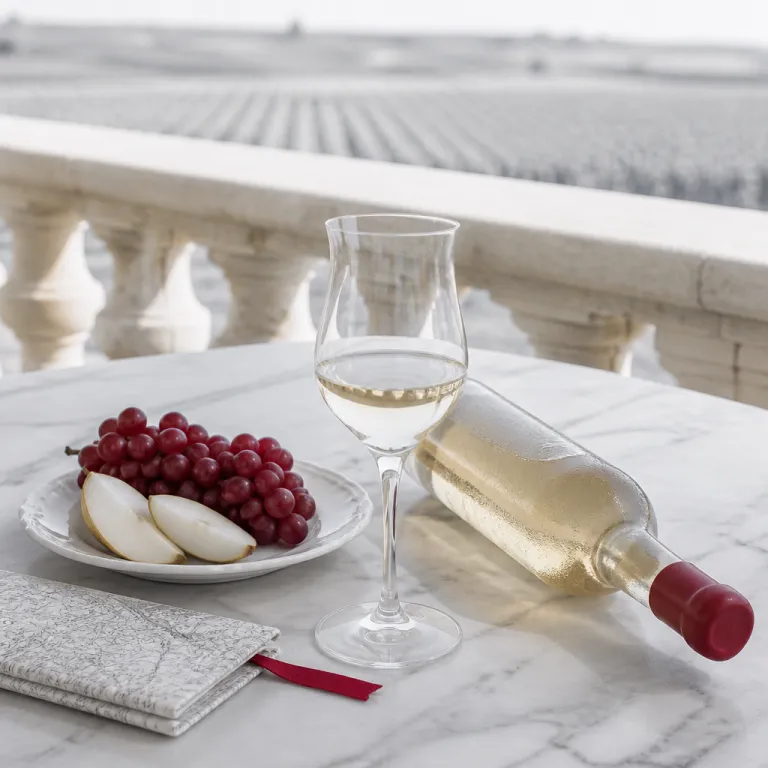
Sweet wines for beginners: how to enjoy them on vineyard travels
Why sweet wines for beginners belong on your vineyard travels
Many new wine travellers quietly gravitate toward a glass of sweet wine. Standing at a cellar door in regions such as Piedmont, the Mosel, or the Rheingau, that gentle sweetness can feel welcoming rather than intimidating, especially when the producer explains how residual sugar balances acidity and alcohol content. For absolute beginners, starting with sweet wines instead of very dry wines often turns a confusing tasting into a pleasurable, memorable experience.
In wine tourism regions from Piedmont to the Rhine, estates now curate flights specifically labelled as sweet wines for beginners. These lineups usually include at least one white wine such as Moscato d'Asti, one sweet red wine like Lambrusco Amabile, and sometimes a light dessert wine to show how sweetness interacts with fruit and honey notes. By tasting these wines side by side, you quickly sense how sugar, acidity, and fruity flavors create different styles, from sweet fruity whites to richer red wines with a velvety texture.
For travellers, sweet wines also pair naturally with local dessert traditions and regional cheeses. A chilled glass of sweet wine beside fruit tarts, nut pastries, or soft cheeses turns a simple winery visit into a complete gastronomic moment that highlights both the wine and the place. When you plan itineraries around estates known for dessert wines and fruity wines, you give yourself a gentle, structured path into the wider world of wine, rather than jumping straight into powerful dry red wines that may feel overwhelming.
Essential sweet wine styles every beginner should taste on the road
When you travel for wine, a few classic sweet wines for beginners appear again and again on tasting menus. Moscato d'Asti from Piedmont is often the first recommendation, because its lightly sparkling texture, low alcohol content around 5.5 percent, and exuberant fruit flavors make it feel more like a refined dessert than a serious study in oenology. Many estates present this sweet white wine alongside local fruit desserts, so you can compare the sweetness of the wine with the natural sugar in ripe peaches or apricots.
For those curious about sweet red options, Lambrusco Amabile and Red Moscato offer an inviting bridge between fruity wines and more structured red wines. These sweet red wines are lightly sparkling, with red fruit flavors that feel playful yet still clearly part of the wine world, not soft drinks. Travellers interested in deeper sweet red experiences can plan a themed itinerary using regional wine route maps and producer associations, which help you connect specific areas, grape varieties, and cellar visits.
Off dry Riesling and Gewürztraminer are two other pillars of any itinerary focused on dessert wines and sweet fruity whites. An off dry Riesling shows how a wine sweet style can still feel refreshing, because vibrant acidity cuts through residual sugar and keeps the taste clean. Gewürztraminer, by contrast, often brings honey, rose, and spice notes, giving beginners a chance to explore how sweetness, alcohol, and aromatics combine into a complex dessert wine that still feels approachable.
From vineyard to glass: how sweetness is created and measured
Understanding where sweetness comes from helps beginners feel more confident when reading wine lists during vineyard travel. Grapes accumulate sugar as they ripen on the vine, and winemakers decide how much of that sugar will be converted into alcohol and how much will remain as residual sugar in the finished wine. When fermentation stops early, more residual sugar stays in the wine, creating a sweet wine style, while a fully fermented wine becomes dry with higher alcohol content and very little sweetness.
In regions famous for dessert wines, such as Germany, Canada, and parts of Austria, producers sometimes leave grapes on the vine until they freeze, concentrating sugar and acidity into what becomes ice wine. Travellers following specialised routes, such as those described in guides to German ice wine journeys, see firsthand how frozen grapes are pressed to yield tiny amounts of intensely sweet wine. This process explains why dessert wines often come in smaller bottles and higher price brackets, yet still feel like good value when you consider the labour and low yields involved.
For sweet wines for beginners, estates usually highlight labels with moderate alcohol content and clearly indicated sweetness levels. You may see terms such as off dry, medium sweet, or simply sweet on tasting sheets, helping you compare a wine sweet style with a drier counterpart from the same grape. When you taste a white wine like Moscato d'Asti next to a dry white wine from the same region, you immediately sense how residual sugar softens acidity, amplifies fruity flavors, and makes the overall taste feel rounder and more generous.
Planning wine routes around sweet styles: regions and cellar experiences
Designing a trip around sweet wines for beginners allows you to weave together landscapes, cellars, and local cuisine in a coherent way. In Italy, a route through Piedmont and Emilia Romagna can combine Moscato d'Asti, Lambrusco Amabile, and Red Moscato, giving you both white wines and sweet red wines in a compact area. Many estates here offer tasting flights that move from a light, low alcohol Moscato asti style to a deeper sweet red, so beginners can compare sweetness levels and fruit profiles without palate fatigue.
Germany and Austria reward travellers who enjoy dessert wines with riverside vineyards, steep slopes, and atmospheric cellars. Off dry Riesling from the Mosel or Rheingau shows how a wine can feel both dry sweet and refreshing, while late harvest dessert wine styles reveal richer honey and stone fruit notes. In Alsace, Gewürztraminer often appears in both dry and sweet wine versions, allowing beginners to taste how residual sugar transforms the same grape from a spicy, aromatic white wine into a lush dessert wine with pronounced sweetness.
As you plan, look for estates that explicitly mention sweet wines, dessert wines, or fruity wines in their tasting descriptions. Some wineries now design experiences specifically for wines beginners, pairing sweet fruity whites with local cheeses and sweet red wines with chocolate based desserts. When your itinerary also includes a stop in a sparkling wine region, you can deepen your understanding of sweetness by comparing these still dessert wines with lightly sweet sparkling wines, using regional tourism resources on English sparkling wine to frame your expectations.
Pairing sweet wines on the road: from local desserts to savoury surprises
Thoughtful food pairing turns sweet wines for beginners into unforgettable travel memories. At many estates, hosts now explain that common questions such as “What is a good sweet wine for beginners?”, “How should sweet wines be served?”, and “What foods pair well with sweet wines?” often share similar answers: Moscato d'Asti is a popular choice due to its light, fruity flavors and low alcohol content; sweet wines should generally be served chilled in appropriate glassware to enhance aromas; and light desserts, spicy dishes, and soft cheeses usually complement these styles. These practical guidelines help you navigate restaurant menus and winery snack boards with more confidence.
During vineyard visits, start by pairing a sweet wine with a dessert that is slightly less sweet than the wine itself. A glass of Moscato d'Asti alongside fresh fruit, a simple tart, or almond biscuits lets the wine’s fruity flavors and gentle sweetness shine without feeling cloying. When you move to richer dessert wines such as late harvest Riesling or ice wine, try them with blue cheese or foie gras, where the contrast between salt, fat, and sugar creates a luxurious taste experience that many beginners remember long after the trip.
Do not overlook savoury pairings, especially in regions where spicy cuisine meets local wines. A sweet red wine with moderate alcohol content can soften the heat of chilli based dishes, while a slightly off dry white wine often flatters aromatic Asian inspired plates. By experimenting with both white wines and red wines in sweet styles, you learn how sweetness, acidity, and alcohol interact with spice, salt, and fat, building a practical understanding that serves you well in future wine travels.
Comparing styles: from white zinfandel to port and mead in wine tourism
Many travellers first encounter sweet wines for beginners not in vineyards, but in casual bars where white Zinfandel appears by the glass. This pink, slightly sweet wine offers a gentle entry point, yet visiting vineyards that produce it reveals how grape selection, fermentation choices, and residual sugar levels shape the final taste. When you taste white Zinfandel alongside a dry rosé and a fully dry red wine from the same grape, you see clearly how sweetness and alcohol content shift the balance between fruit, acidity, and structure.
On more advanced itineraries, some wine routes include fortified wines such as Port, which combine high alcohol with concentrated sweetness. In cellars from Porto to the Douro Valley, tastings often progress from a lighter, fruit driven ruby Port to more complex styles, showing beginners how sugar, ageing, and spirit fortification create layers of flavor beyond simple sweetness. Mead, made from fermented honey rather than grapes, sometimes appears in tasting rooms focused on historical or experimental drinks, giving travellers a chance to compare honey based sweetness with grape based dessert wines.
For wines beginners, the key is to approach these styles as part of a spectrum that runs from dry to wine sweet, rather than as isolated curiosities. By tasting fruity wines, sweet fruity whites, sweet red wines, and fortified dessert wines in a single trip, you build a mental map of how sugar, fruit, and alcohol interact across different traditions. Over time, this comparative approach helps you identify your personal best sweet styles, whether that means a low alcohol Moscato asti, a richly textured Port, or a delicately balanced off dry Riesling enjoyed at sunset in a riverside vineyard.
Key figures and practical statistics for sweet wine travellers
- Moscato d'Asti typically shows an average alcohol content of about 5.5 percent ABV, which makes it one of the most approachable sweet wines for beginners who prefer lower alcohol options during daytime tastings (data from specialist wine education platforms and producer technical sheets).
- Lighter sweet red wines such as Lambrusco Amabile often sit in an accessible price range around 8 US dollars per bottle at the cellar door, allowing travellers to sample several wines sweet styles without exceeding a modest tasting budget (pricing reported by online wine investment and retail analyses in major export markets).
- Many wine tourism boards now report a rising popularity of dessert wines and sweet wine routes among beginners, reflecting a broader shift toward fruity wines and wine sweet experiences that feel less formal than traditional dry red tastings (trend summaries from international wine trade organisations and regional visitor surveys).
- Educational tastings that compare dry, off dry, and sweet wines in a single flight consistently improve visitors’ ability to describe sweetness, acidity, and fruit flavors, according to feedback collected by winery tasting room teams across major European regions and shared in internal training reports.
FAQ about sweet wines for beginners in vineyard travel
What makes a wine suitable for beginners who prefer sweetness ?
A wine suits beginners when it combines noticeable sweetness, moderate alcohol content, and clear fruity flavors without aggressive tannins or acidity. Styles such as Moscato d'Asti, off dry Riesling, and gentle sweet red wines meet these criteria, especially when served chilled in proper glassware. During vineyard visits, look for tasting flights labelled as sweet wines or dessert wines, which are usually curated with newcomers in mind.
How can I tell if a wine will taste sweet before ordering it ?
On labels and tasting sheets, terms such as off dry, medium sweet, or sweet indicate increasing levels of residual sugar in the wine. Regions that specialise in dessert wines often provide sweetness scales, helping you compare a dry wine, a dry sweet style, and a fully sweet wine from the same grape. When in doubt, ask the tasting room staff to position the wine on a spectrum from dry to sweet, and request a small sample before committing to a full glass.
Are sweet wines only meant for dessert pairings ?
Sweet wines pair beautifully with desserts, but they also shine with savoury dishes, especially spicy or salty foods. A slightly sweet white wine can balance the heat of chilli based cuisine, while a sweet red wine often flatters dishes with smoky or grilled elements. During wine travel, experiment by ordering a glass of sweet wine with both dessert and a savoury course to understand how sweetness interacts with different flavours.
What serving temperature works best for sweet wines ?
Most sweet wines for beginners taste best when served chilled, because lower temperatures highlight freshness and keep sweetness from feeling heavy. Light sweet whites such as Moscato d'Asti or off dry Riesling usually show well around 6 to 8 degrees Celsius, while richer dessert wines and Port can be slightly warmer, around 10 to 12 degrees. When visiting wineries, notice how the staff chill and pour each style, then replicate those temperatures at home.
Can I build a wine travel itinerary focused mainly on sweet styles ?
Designing an itinerary around sweet wines is entirely feasible, because many regions now highlight dessert wines and fruity wines as key attractions. You can combine visits to estates producing Moscato asti, Lambrusco Amabile, off dry Riesling, Gewürztraminer, and Port, creating a coherent journey through different expressions of sweetness. Tourism offices and local wine routes often provide maps and recommendations tailored to wines beginners, making it easy to plan tastings, food pairings, and vineyard walks that match your preferences.