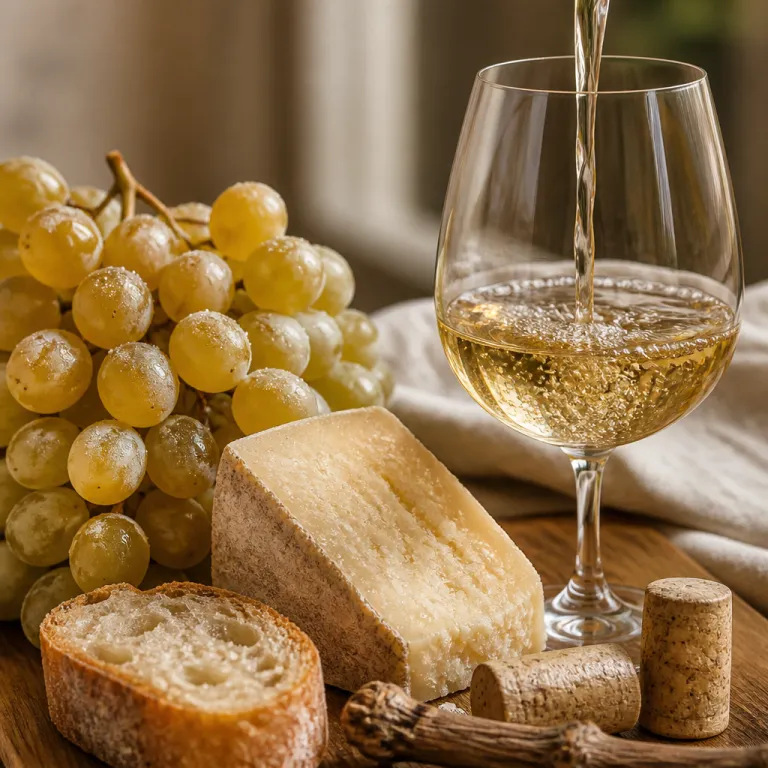
Designing an at home wine tasting that feels like a vineyard escape
An at home wine tasting works best when it is treated as a curated tasting event rather than a casual drink at home. When you plan the evening as a structured wine tasting with clear stages, your guests will feel as if they have stepped into a private room at a respected wine estate. Think of your living room as a temporary tasting room where every bottle, glass, and plate has a purpose.
Start by defining the objective of your tasting experience; do you want to focus on one region, compare white and red wines, or explore a single grape such as pinot noir across several producers? Professional hosts usually pour between three and six wines, a range echoed in introductory tasting formats from wine education bodies like the Wine & Spirit Education Trust (WSET) and the Court of Master Sommeliers, where 3–6 samples are common. This number keeps the wine tasting engaging and fun without overwhelming the palate or turning the evening into a party that drifts away from thoughtful tasting notes.
Plan a simple timeline for the event so the content of the evening feels intentional. A refined structure for at home wine tasting might include one hour of preparation, two hours of guided tastings, then one final hour for relaxed conversation about the wines and food pairings. This rhythm allows the host to move from focused blind tasting flights into a more social tasting atmosphere while still keeping the wine glasses, bottles, and food service under control.
Selecting wines, themes, and food pairings for your tasting party
Thoughtful selection of wines will determine whether your at home wine tasting feels like a true tasting event or just another party. Choose a clear theme such as a Napa Valley focus, an Old World versus New World comparison, or a vertical tasting of one producer’s pinot noir across several vintages. When you align the wines with a story, guests can follow the progression in their glass and connect each bottle to a specific place or style.
For a Napa Valley themed evening, combine one structured cabernet sauvignon, a supple merlot, and a vibrant white wine such as sauvignon blanc, then add a cool climate pinot noir from a nearby coastal region for contrast. Serve each wine with a simple food pairing; for example, soft cheeses with aromatic whites, charcuterie with lighter reds, and grilled meats with fuller bodied wines. If you enjoy restaurant level experiences while traveling, you can draw inspiration from regional menus highlighted during Sonoma Restaurant Week for wine travelers and adapt those ideas to your own home wine menu.
To make this concrete, imagine a four wine flight: begin with a chilled Napa sauvignon blanc (60 ml pour) alongside goat cheese and lemon zest crostini, move to a coastal pinot noir with mushroom tartlets, follow with a plush merlot paired with herb roasted chicken, then finish with a structured cabernet sauvignon served beside aged cheddar and grilled steak bites. Offer small, consistent pours into identical wine glasses to support fair reviews from your guests and to ensure the price of the evening, including any minimum purchase from local merchants, stays reasonable.
Tools, set up, and service style for a professional tasting home
The physical set up of your at home wine tasting shapes the entire experience before the first bottle is opened. Use identical, tulip shaped wine glasses for all wines so your guests can focus on tasting notes rather than glassware differences. Arrange the glasses in a straight line or semi circle, leaving space for tasting sheets, pens, and small plates of food.
Professional tastings rely on simple tools such as spittoons, water jugs, and neutral palate cleansers like bread or plain crackers. Following expert advice from sommelier training programs, “How to cleanse the palate between wines? Use bread or plain crackers.” This small detail keeps the tasting experience focused and allows each wine flight to show clearly, especially during a blind tasting where labels are hidden and only the liquid in the glass guides your guests.
Lighting and temperature matter as much as the content of your tasting party script. Keep the room bright enough for guests to read full tasting sheets and observe color, but avoid harsh overhead light that flattens the wines visually. For service, maintain red wines around 15 to 16 °C and chill white wines slightly cooler, following ranges recommended by sources such as the Wine & Spirit Education Trust and major wine education bodies, then use a discreet tray or sideboard as your hosting station, inspired by the efficient layouts you may have seen during winery visits that now integrate subtle technology such as the innovations described in this article on invisible tech reshaping winery visits.
Blind tasting, comparative flights, and tasting notes that build real skill
Structured formats turn a casual at home wine tasting into a serious yet fun learning session. Blind tasting, where bottles are wrapped or poured out of sight, encourages guests to focus on aromas, textures, and flavors rather than labels or price. Comparative tasting flights, such as three pinot noir wines from different coastal or valley regions, help guests understand how climate and soil influence style.
Vertical tastings, where you sample several vintages of the same wine, are particularly effective when you want the event to echo the depth of a vineyard visit. Encourage each guest to write short tasting notes for every wine; ask them to describe color, aroma, structure, and finish in their own words. For instance, a cool climate pinot noir might appear pale ruby in the glass, smell of wild strawberries, dried rose petals, and forest floor, feel silky yet bright on the palate, and linger with a gentle, savory finish. Over time, these notes become a personal archive of wine tastings that you can read later, compare with professional reviews, and use to plan future trips to regions like Napa Valley or Sonoma.
To keep the atmosphere relaxed, balance technical content with moments of pure fun. Invite guests to guess grape varieties during a blind tasting round, then reveal the bottles and discuss which clues led them close or far from the answer. This style of tasting event builds confidence, sharpens palates, and prepares everyone for more meaningful experiences when they next host wine evenings or visit estates abroad.
Hosting wine focused gatherings that connect home wine to vineyard travel
An elegant tasting party at home can be the first step toward more ambitious wine journeys. When guests enjoy a structured tasting experience, they often become curious about the vineyards, cellars, and people behind each bottle. Use this curiosity to frame your event as both a social party and a quiet planning session for future trips.
Share maps of regions featured in your wines and highlight how travel itineraries can follow the same sequence as your tastings. For example, a flight of Napa Valley wines might inspire a long weekend exploring wine routes, while a series of cool climate pinot noir bottles could lead to a coastal road trip. If you want to go deeper, point interested guests toward practical resources such as this guide on what wine professionals pack for vineyard trips, then adapt those packing strategies for your own hosting needs at home.
Encourage guests to keep their tasting notes and compare them with impressions from future winery visits. Over time, the content of these notes will show how their understanding of wine, food pairing, and service evolves. This continuity between home tastings, restaurant experiences, and on site vineyard tours creates a full circle journey where every event becomes both a memory and a rehearsal for the next trip.
Budget, value, and practical logistics for an at home wine tasting
Thoughtful budgeting ensures that your at home wine tasting feels generous without unnecessary expense. Start by setting a clear total price range for the event, then divide it between wines, food, and essential tools such as quality wine glasses. When you work with local merchants or online retailers, ask about any minimum purchase requirements for mixed cases or curated tasting packs.
Many wine shops now offer ready made selections for home tastings, often grouped by region, grape, or style. These curated sets can provide a great balance between quality and price, especially when they include printed content such as producer notes or maps that your guests can read during the evening. Before committing, look for independent reviews of the merchants or subscription services you are considering, paying attention to comments about reliability, storage, and customer support.
On the day of the tasting party, chill white wines in advance, open structured reds about thirty minutes before serving, and line up all bottles in order of intensity. Start with lighter styles and progress toward fuller bodied wines so the tasting experience builds naturally. With a clear plan, transparent budget, and a calm approach to hosting wine service, your tasting event will feel polished, welcoming, and aligned with the standards you appreciate when traveling through serious wine regions.
Key figures for at home wine tasting and small group tastings
- Most structured at home wine tastings work best with 3 to 6 wines, matching professional guidance from wine education organizations that “Typically 3 to 6 wines.” This range keeps the tasting focused while still offering enough variety for comparison.
- Guided tastings that pour around five wines align with formats used by wine schools and winery tasting rooms, where an average of five wines per session allows guests to stay attentive for about two hours without palate fatigue. This balance is ideal for combining education and social interaction.
- Serving red wines around 15 to 16 °C, slightly cooler than many homes, helps maintain freshness and structure, while white wines benefit from a few degrees lower. This temperature control mirrors standards recommended in wine education materials and improves perceived quality at no extra price.
- A simple timeline of one hour for preparation, two hours for tasting, and one hour for discussion creates a four hour event that feels substantial yet manageable for hosts and guests. This structure mirrors many small group tastings offered at wineries worldwide.
FAQ about at home wine tasting
How many wines should I serve at an at home wine tasting ?
For most at home wine tastings, serving between three and six wines is ideal. This range follows professional guidance from wine education providers that “Typically 3 to 6 wines.” It offers enough diversity for comparison without overwhelming your guests or turning the event into a marathon party.
What is a vertical wine tasting and how can I do one at home ?
A vertical wine tasting compares several vintages of the same wine from one producer. To recreate this at home, choose three to five bottles of the same cuvée from different years, then pour them side by side in identical wine glasses. Guests can then read their own tasting notes and observe how age, weather, and winemaking choices influence the style.
How should I cleanse my palate between wines during a tasting party ?
The most effective and neutral way to cleanse the palate between wines is to use plain bread or simple crackers. This method follows expert advice that “How to cleanse the palate between wines? Use bread or plain crackers.” Avoid strongly flavored snacks or sweet foods, which can distort the tasting experience.
Can blind tasting work for guests who are new to wine ?
Blind tasting can be very engaging for beginners when framed as a game rather than a test. Start with just three wines, perhaps a white, a light red such as pinot noir, and a fuller red, then ask guests to describe what they smell and taste in simple language. Reveal each bottle after discussion so the content feels educational but still fun and relaxed.
How do I connect an at home wine tasting with future vineyard travel plans ?
Use your at home wine tasting as a preview of regions you hope to visit. Choose wines from one area, such as Napa Valley or another renowned wine region, then share maps, photos, and travel ideas while guests taste. Their tasting notes and preferences can guide which estates, restaurants, and routes you prioritize on your next trip.