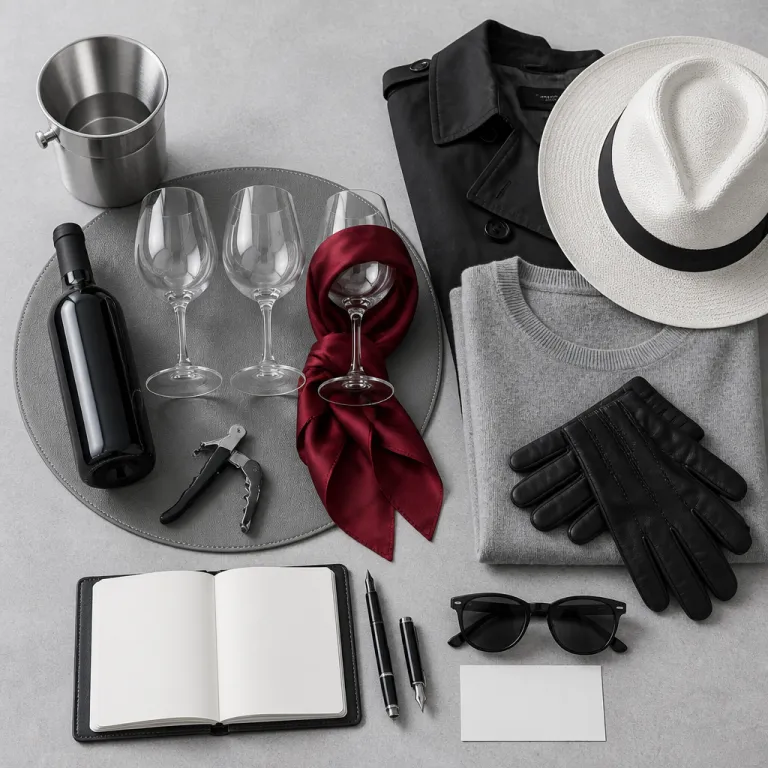
Attire for wine tasting in wine country: principles that never fail
Attire for wine tasting starts with one rule: you are there to taste, not to tug at your clothes. Choose comfortable pieces that feel polished, because the best tasting outfits support your focus on aroma, texture, and terroir. In any wine country, from Napa Valley to the Mosel, a refined country casual outfit balances elegance with practicality.
Event organizers consistently advise wine tasting attendees to choose dressy casual clothing that respects the setting yet feels relaxed. Their core guidance is clear: wear comfortable, dressy-casual clothing; choose flat or low-heeled shoes; opt for dark colors to hide spills; avoid strong perfumes; and bring layers for temperature changes. These simple rules apply whether your tasting experience unfolds in a sleek urban tasting room or a rustic hillside vineyard.
Think of your tasting attire as part of the overall experience, not an afterthought. A well-planned tasting outfit lets you move easily between cellar, vineyard, and terrace during a long day of tasting wine. When you wear wine-appropriate clothing that fits the country style of the region, you also show respect for the winemakers hosting you.
For outfits women often ask about, start with a midi dress in a dark neutral and add a light cardigan or denim jacket. This kind of ensemble works from a cool barrel hall to a sunny terrace without fuss. Men can mirror the same country casual style with chinos, a breathable button-down shirt, and low-profile boots that handle gravel paths.
Dark colours are not only chic; they are strategic when you taste red wine all day. A single spill during wine tasting can ruin a pale dress, while navy, charcoal, or deep green quietly hide accidents. This approach to winery outfits keeps you relaxed, which is exactly what you want in wine country.
Comfortable footwear is non-negotiable for any winery outfit, especially when tastings include vineyard walks. Flat boots, block-heel ankle boots, or supportive loafers work better than delicate shoes on uneven ground and in damp cellars. When you plan tasting outfits, imagine standing for an hour in the tasting room, then walking a kilometre through the vines, and dress accordingly.
Seasonal outfit ideas for a full day of tastings
Season dictates much of your attire for wine tasting, because vineyards live by the rhythm of the seasons. A fall winery visit calls for layers that adapt from crisp mornings to warm afternoons, while a summer day wine itinerary demands breathable fabrics and sun protection. Matching your tasting outfits to the weather keeps you focused on the glass, not the forecast.
In summer, choose a light midi dress or tailored shorts with a linen shirt for a relaxed tasting outfit. Add a wide-brimmed hat, sunglasses, and low-heeled sandals or boots with good grip, since many winery outfits fail when guests forget about gravel and cellar stairs. For outfits women prefer in hot wine country regions, avoid clingy synthetics and choose cotton or linen that allow air to circulate when temperatures sit between 25–32°C (77–90°F).
For a cooler fall day, build your winery outfit around layers you can remove as temperatures rise from about 10–18°C (50–64°F). A soft knit dress with opaque tights, ankle boots, and a belted cardigan creates a polished country style that works from vineyard tour to tasting room. Men can pair dark denim or chinos with a merino sweater and lightweight jacket, creating tasting attire that looks sharp without feeling stiff.
Winter wine trips require more strategic planning, especially in regions with damp cellars and chilly winds. A winter wine wardrobe should include waterproof boots, a wool coat, and a warm cardigan or fleece that you can keep on during seated tastings. When you wear wine-appropriate layers in cold weather, you stay comfortable enough to appreciate subtle aromas in each glass.
Spring in wine country often brings mud, rain showers, and dramatic temperature swings. Choose tasting outfits that can handle a wet vineyard path, such as leather boots with tread and trousers that will not drag in puddles. A trench coat over a simple dress or smart outfit wine combination keeps you dry without overwhelming your frame.
Seasonal planning also helps you manage your budget for vineyard travel wardrobes. If you are designing winery outfits for multiple trips, invest in versatile pieces that work across summer, fall, and even a mild winter wine escape. For more on planning stylish yet cost effective trips, see this guide to budget vineyard trips that still feel luxe, then align your tasting attire with your itinerary.
Footwear, fabrics, and layers for serious wine tasting
Footwear can make or break your attire for wine tasting, especially when your schedule includes multiple vineyards in one day. High heels sink into soil, slip on wet stone, and quickly turn a relaxed day wine outing into a balancing act. Low-heeled boots, loafers, or structured flats are the best choices for both style and safety.
When you plan a winery outfit, imagine every surface you will cross, from gravel car parks to barrel room drains. Many tasting rooms feature polished concrete or stone floors that become slick if a glass of tasting wine spills, so grippy soles matter. In Napa Valley and other major wine country destinations, locals almost always choose boots or sturdy shoes for this reason.
Fabrics deserve as much attention as footwear in your tasting outfits. Natural fibres such as cotton, linen, and wool breathe better than synthetics, which helps when you move between cool cellars and warm terraces. These materials also tend to drape elegantly, giving your outfit ideas a refined country casual feel without trying too hard.
Layering is essential because winery temperatures vary dramatically between outdoor vineyard tours and indoor tasting rooms. A cardigan over a sleeveless dress or a light jacket over a shirt lets you adapt quickly without interrupting the flow of the tasting. This flexible tasting attire also proves useful when you visit regions like the Willamette Valley, where coastal influences can cool afternoons suddenly.
For travellers exploring emerging sparkling regions, such as those highlighted in this feature on Oregon’s sparkling wine country, layers become even more important. Maritime climates can shift from misty to bright within an hour, so your winery outfits must handle both. A packable rain shell over a smart outfit wine combination keeps you dry without compromising style.
Finally, consider how your clothes interact with the sensory side of wine tasting. Avoid heavily scented detergents and fabric softeners, because they linger in cardigans, dresses, and scarves and can interfere with aromas. When your tasting outfit is neutral in scent and comfortable in fit, you give each wine the best chance to shine.
Colour, scent, and etiquette in the tasting room
Colour choice plays a subtle but important role in attire for wine tasting. Darker shades such as navy, charcoal, forest green, and burgundy hide spills and look refined in photographs. When you move through a tasting room in these tones, you also blend gracefully into the winery’s aesthetic.
There is a practical reason experts recommend dark tasting outfits for serious wine tasting attendees. Red wine stains are unforgiving on pale fabrics, especially during a busy day wine itinerary with multiple pours. Choosing a dark dress or shirt for your tasting outfit means one clumsy swirl will not ruin your mood or your photos.
Scent etiquette is equally crucial, because wine tasting relies heavily on smell. Strong perfume, aftershave, or scented body lotion can overwhelm delicate aromas, especially in small tasting rooms. That is why the official guidance clearly states: “Can I wear perfume to a wine tasting? It's best to avoid strong perfumes to not interfere with wine aromas.”
Good manners extend to how your outfit choices affect others in the group. A neutral, freshly laundered cardigan or jacket is always preferable to a heavily fragranced piece, even if it feels like part of your signature style. When everyone keeps their tasting attire low scent, the entire group enjoys a better experience.
Etiquette also covers how revealing or casual your winery outfits should be. While wine country is relaxed, extremely casual gym wear or beachwear can feel out of place in a formal tasting room, especially during hosted flights of tasting wine. Aim for country casual rather than sports casual, and you will strike the right balance almost everywhere.
Finally, remember that many wineries now photograph guests for social media or newsletters. A thoughtfully chosen winery outfit in flattering colours ensures you feel confident if your group appears in a vineyard snapshot. When your tasting outfits respect both etiquette and aesthetics, you contribute to the refined atmosphere that makes wine country so appealing.
From napa valley to cool climate vineyards ; regional nuances in dress
Regional culture shapes attire for wine tasting just as much as climate does. In Napa Valley, the prevailing look is polished yet relaxed, with visitors favouring tailored jeans, crisp shirts, and understated dresses. This wine country leans toward a cosmopolitan country style that feels at home in both vineyards and high end restaurants.
In European regions such as Bordeaux or the Douro, tasting outfits often skew slightly more formal. A structured dress or blazer over a simple outfit wine combination signals respect for long established traditions and family run estates. Here, boots or loafers remain essential, because many historic properties still have cobbled courtyards and uneven stone paths.
Cool climate regions like New Zealand’s Central Otago or Germany’s Rheingau demand warmer winery outfits for much of the year. Visitors often wear layered cardigans, insulated boots, and weather resistant coats to stay comfortable during outdoor vineyard walks. In these areas, winter wine trips are common, so tasting attire must handle wind, rain, and even snow.
New World regions outside Napa Valley, such as South Africa’s Stellenbosch or Chile’s Casablanca Valley, embrace a more relaxed country casual aesthetic. Lightweight dresses, linen shirts, and breathable trousers dominate, paired with sturdy boots or sandals suitable for dusty vineyard tracks. These winery outfit choices reflect both the climate and the laid back hospitality style.
Urban tasting rooms in cities like Melbourne, Cape Town, or Portland introduce yet another dimension to tasting outfits. Guests often arrive straight from work, so smart casual office wear becomes de facto tasting attire, perhaps with boots swapped in for more practical footing. A blazer over a simple dress or dark denim works equally well at a city bar and a nearby vineyard.
Wherever you travel, research local norms before finalising your outfit ideas for wine tasting. Some estates in conservative regions may expect covered shoulders or longer hemlines, while others in beachside wine country accept very relaxed outfits women and men might wear on holiday. Aligning your winery outfits with regional expectations ensures you feel comfortable and welcomed at every stop.
Packing smart for multi day vineyard trips
Packing for several days of wine tasting requires a strategic approach to attire for wine tasting. Your goal is to create a compact capsule of tasting outfits that mix and match easily while covering different weather scenarios. This is especially important when your itinerary spans more than one wine country region.
Start with two or three base pieces, such as a neutral dress, tailored trousers, and dark denim that can anchor multiple winery outfits. Add two cardigans in different weights, one pair of ankle boots, and one pair of loafers or flats to cover both fall winery and summer style trips. With this foundation, you can rotate tops and accessories to create fresh outfit ideas each day.
Accessories play a quiet but powerful role in your tasting attire. A silk scarf, leather belt, or structured hat can shift a simple outfit wine combination from daytime vineyard tour to evening restaurant reservation. Keep jewellery minimal so it does not catch on glassware or distract from the relaxed country style you are aiming for.
When you plan outfits women or men will wear across several regions, think about laundry access and fabric resilience. Wrinkle resistant materials help your winery outfits look polished straight from the suitcase, especially on long haul trips to distant wine country destinations. Darker colours again prove useful, because they hide both spills and travel creases.
Health and comfort deserve as much attention as aesthetics on multi day wine tasting itineraries. Choose shoes that you have already tested during a full day wine outing at home, rather than new boots that might cause blisters. For travellers sensitive to sulfites or additives, this guide on what sulfites mean for vineyard travels pairs well with planning your tasting outfits, because both decisions affect how you feel across several days.
Finally, remember that your suitcase should reflect your personal style as well as practical needs. The perfect wine wardrobe for one traveller might be a series of dresses and cardigans, while another prefers trousers and shirts with a subtle country casual edge. When your tasting attire feels authentically you, every glass of tasting wine becomes part of a coherent, memorable journey.
Key figures on wine tourism and tasting attire
- According to the United Nations World Tourism Organization’s 2017 report “Wine Tourism: A Toolkit for Touristic Destinations,” wine tourism represents a significant share of food and drink related travel, with millions of visitors each year planning trips specifically around wine tasting experiences in wine country regions worldwide.
- Surveys from major wine routes such as Napa Valley and Bordeaux show that a large proportion of visitors participate in guided tastings and vineyard tours, which typically involve at least one to two hours of standing or walking, underscoring the need for comfortable footwear and layered tasting attire.
- Industry reports from organisations like the Wine Tourism Conference highlight that many wineries now design dedicated tasting rooms and outdoor terraces, increasing the importance of versatile winery outfits that work in both climate controlled interiors and exposed vineyard settings.
- Consumer research from travel agencies specialising in vineyard trips indicates that clothing and packing questions rank among the most common pre departure concerns, with travellers frequently asking what to wear for a full day of wine tasting across multiple estates.
FAQ about what to wear for wine tasting
What should I wear to a wine tasting in wine country ?
Comfortable dressy casual clothing is ideal, such as a midi dress or smart trousers with a shirt, paired with flat or low heeled shoes that can handle gravel and cellar floors. Darker colours help hide potential spills, and a light cardigan or jacket lets you adapt to changing temperatures between vineyard and tasting room. This approach works in most wine country regions, from Napa Valley to cooler European appellations.
Can I wear jeans and sneakers to a winery ?
Dark, well fitting jeans are generally acceptable at most wineries, especially in relaxed New World regions, as long as the rest of your tasting outfit looks polished. Clean, minimalist sneakers may be fine for casual estates, but low heeled boots or loafers usually offer better grip and a slightly more refined look. Always check the winery’s dress expectations if you plan to visit very traditional or high end properties.
Are sandals appropriate for summer wine tasting ?
Sandals can work in summer if they have secure straps and non slip soles, but very delicate or open styles may struggle on gravel, grass, or wet cellar floors. Many experienced travellers prefer closed toe flats or breathable boots for winery outfits, because they protect feet from spills and uneven ground. If you choose sandals, keep the rest of your tasting attire smart to balance the relaxed footwear.
How should I dress for a winter wine trip ?
For winter wine travel, focus on warm layers such as a wool coat, knitwear, and a cardigan over a base layer, combined with waterproof or water resistant boots. Cellars and tasting rooms can be cool even when heated, so your tasting outfits should keep you comfortable while seated or standing for extended periods. Dark, insulating fabrics also help hide any splashes from red wine during tastings.
Is it acceptable to wear perfume or cologne at a tasting ?
Strong perfume or cologne is discouraged because it interferes with the aromas that are central to wine tasting. Light, barely there scents are less problematic, but the safest choice is unscented skincare and laundry products on the day of your visit. This courtesy ensures that both you and other guests can fully appreciate the nuances in each glass.
References
- United Nations World Tourism Organization (UNWTO), “Wine Tourism: A Toolkit for Touristic Destinations,” 2017.
- Regional tourism boards and wine routes such as Visit Napa Valley and Great Wine Capitals for visitor behaviour and tasting room practices.
- Wine Tourism Conference and industry white papers on winery design, visitor experience, and tasting room etiquette.