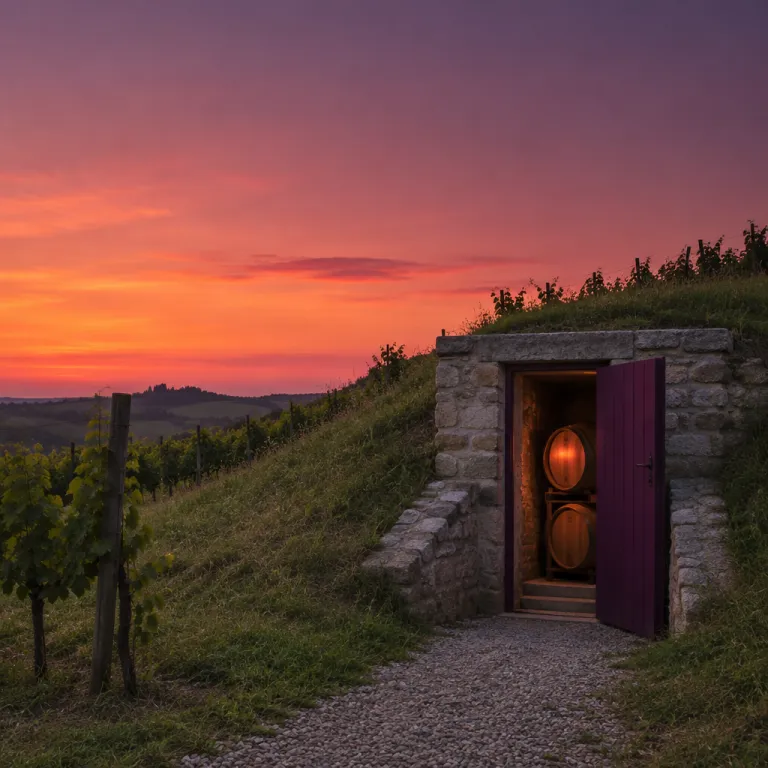
How to ask for private cellar access at a winery
Why private cellar access is rarely on the website
Most travelers see only the public face of a winery tasting room. Behind that polished counter, a quieter world of private cellar tours, barrel room visits, and invitation-only tastings often exists for those who know how to ask. The gap between what is listed online and what actually happens in the barrel hall is where your most memorable visits begin.
Established estates usually operate a tiered model for any wine tasting tour. The first tier is the standard flight at the bar, the second is a more focused seated tasting in a dedicated room, and the third is a private visit that may include a walk through the cellar and a look at older bottles or limited release wines including back vintages. In regions such as Napa Valley, Rioja, and Bordeaux, these upper tiers are rarely promoted because wineries want to manage expectations, protect the privacy of their team and guests, and keep flexibility around who attends these more intimate tours.
There is also a practical reason that wineries keep these details discreet. A cellar is a working space where the team is moving barrels, topping red wine, and monitoring fermentation, so reservations required for deeper access must fit around production. When you request a behind-the-scenes cellar visit or a more exclusive tasting, the staff will often check the harvest calendar, the available hours, and the number of guests before confirming whether you can attend. As one Napa concierge put it, “we can usually make magic happen on a Tuesday morning, but not during crush at 4 p.m.” Understanding this reality helps you frame your enquiry in a way that respects the estate and increases your chances of stepping beyond the public view.
How to ask for a deeper experience by email
Securing private time in the cellar usually starts with a thoughtful email. Write directly to the winery at least two to four weeks before your trip, and treat your message as the first part of the experience rather than a quick booking request. A considered note signals that you value the estate, not just the next wine in your glass.
Begin with the basics that any professional wine club manager or reservations team will need. Share your preferred date and time window, the number of guests, and how many hours you can allow for the visit, then politely ask whether a standard wine tasting tour, a barrel room tour, or a more private cellar visit might be possible. Mention specific interests such as the architecture of historic wine cellars, the geology of the valley vineyards, or a particular red wine that you collect, and ask if they can send details of any tours that go beyond the tasting counter.
Precision matters more than grand language when you describe what you hope to experience. Instead of asking vaguely for a VIP experience, explain that you would like a seated tasting with a focus on cellar wine, perhaps including one limited release bottle and a small curated cheese and charcuterie plate. If you enjoy planning at home, you can refine your preferences using an elegant at home tasting guide, then translate those ideas into a realistic request that respects the winery’s time and working hours.
For example, a concise email might read: “We will be visiting on 14 June and can arrive between 10:00 and 11:00 for a two-hour visit. We are particularly interested in your cabernet and any older vintages you may be able to pour. Would a seated tasting with a short walk through the cellar be possible for two guests?” This kind of clear, specific note makes it easier for the estate to say yes.
For travelers who prefer a template, a slightly more detailed message could be: “Dear [Winery Name], We will be in the valley on [date] and are hoping to arrange a visit for [number] guests. We can arrive between [time window] and would love to spend about [duration] hours with you. We are especially interested in your [grape or cuvée] and any opportunity for a brief cellar or barrel room tour, followed by a seated tasting that might include one or two limited release wines. Could you please let us know what experiences might be available and the associated fees? With thanks, [Name].”
Timing, quiet seasons and the concierge network
The same winery can feel entirely different depending on when you visit. If you want private access to the cellar and more exclusive tasting opportunities, timing is often more powerful than budget. Aim for midweek days, cooler mornings, or the calm weeks after harvest when the cellar is tidy and the winemaking team has more time to talk. In many regions, including Sonoma, Tuscany, and the Barossa Valley, late winter and early spring weekdays are when concierges quietly book the most in-depth tours.
When you plan a tour of several wineries in a valley, resist the urge to stack four or five visits into one day and instead allow hours for just two or three. A slower rhythm gives you space to linger over a wine glass, ask about the wine cellar layout, and accept spontaneous invitations to view barrels or attend an impromptu seated tasting in a side room. Many estates will only extend these offers when they sense that guests are not rushing to the next tour and that reservations required for later appointments will not be jeopardized.
Concierges and local guides can quietly open doors that websites never mention. A well connected driver who runs small group tours, or a city hotel concierge who knows the valley intimately, may have long standing relationships with wineries that occasionally include private walks through wine cellars or access to limited release wines including older Napa-style cabernet or other ageworthy reds. In some regions, hotel teams report that one in three guests who request “something special” end up with a semi-private barrel room tasting arranged through these networks. For travelers who enjoy more casual events alongside curated experiences, regional listings of free tasting festivals and open house days can complement your more focused cellar visits.
Using wine clubs and small estates to unlock the cellar
Membership can be one of the most effective paths to intimate cellar sessions. Many estates quietly reserve their most in-depth tours and seated tasting formats for wine club members, even if those members have only purchased a few wines. The relationship matters more than the size of your allocation.
Before your trip, look at the wine club pages of the wineries you admire and review details about member benefits beyond shipments. Some clubs offer complimentary tastings in the main room, while others include one private cellar visit per year, often with a glass of limited release red wine poured directly beside the barrels. When you email the winery, mention that you are a member or that you plan to join, and ask whether the team will have any member focused tours during your travel dates.
Smaller estates often provide a naturally private experience without any formal label. At a family run winery, the person pouring your wine glass may also be the winemaker who manages the wine cellar and walks you through the vines to explain why this valley slope suits red wines including structured cabernet as well as lighter styles. These visits rarely involve elaborate food and wine pairings or curated cheese boards, but a simple plate of cheese and charcuterie beside the cellar door can feel more authentic than a grand tasting room, especially when you have time to talk through the details of each wine and attend to the nuances in every glass.
Typical member benefits at mid-sized estates might include one complimentary tasting for four guests per year, a 10–20% discount on purchases, and access to small production bottlings that are only poured during private appointments. In surveys by regional wine associations, many wineries report that members who visit once a year for a cellar tour spend significantly more per visit than casual tasters, which is why even modest participation in a club can unlock experiences that other visitors never see.
Designing your day around deeper access, not just more stops
Planning a day built around meaningful cellar time requires discipline. The goal is not to tick off as many wineries as possible, but to create space for one or two visits that go beyond the counter. Think of your schedule as a frame that protects the quality of each experience rather than a list of attractions.
Start by choosing one anchor estate where you hope to spend several hours on a private tour that includes a walk through the wine cellar and perhaps a focused wine tasting of cellar wine and limited release bottles. Then add one contrasting stop, maybe a small valley producer known for red wine served in a simple tasting room with a generous view over the vines, where you can attend a relaxed seated tasting without strict reservations required. Between these two, leave open time for a slow lunch that respects the wines including their need for thoughtful food pairings and a clear head.
As you refine your itinerary, remember that your palate will thank you for balance. If you plan to taste structured reds at estates inspired by classic Napa or Bordeaux styles, consider adding one stop that focuses on gentle whites or low acidity wines, using resources such as a guide to elegant routes to softer wines to shape your route. Ending the day with a simple glass in hand, a plate of curated cheese and charcuterie, and a final quiet view of the valley from the winery terrace often feels more luxurious than squeezing in one last tour just because the hours still allow time for another stop.
To keep the day practical, use a short checklist: confirm driving times between wineries, cap your total tastings at two or three stops, schedule your most detailed cellar visit first while your palate is fresh, and build in at least one hour of unscheduled time for a walk, a coffee, or an unplanned extra glass at the estate that moved you most.
Reading between the lines of winery descriptions
Website language often hints at private cellar options without naming them outright. Phrases such as “by appointment only”, “hosted by a senior member of our team”, or “library selection available” usually signal that the estate offers more than a simple bar style wine tasting. Your task is to interpret these clues and ask the right questions.
When you see references to a wine cellar tour, barrel room visit, or “behind the scenes” experience, click to view details and look for subtle indicators such as longer stated hours or mentions of curated cheese plates. These touches suggest a seated tasting format where the team will guide you through several wines including at least one limited release bottle, often poured in proper stemware rather than a generic wine glass. If the description notes that reservations required for these experiences must be made well in advance, treat that as encouragement to email early with a specific request.
Pay attention to how the estate talks about its wines and its guests. Wineries that emphasise education, vineyard walks, and food and wine pairing often have more flexible formats that can be adapted into a private tour if you express genuine curiosity about cellar wine, the layout of their wine cellars, or the history of the valley. Over time, you will learn to distinguish between marketing language that simply dresses up a crowded bar and the quieter confidence of a winery that is ready to pull a special red from the racks, set out a modest plate of cheese and charcuterie, and lead you down the steps into the cool air of the working cellar.
FAQ
How far in advance should I request private cellar access at a winery ?
For most estates, sending an email two to four weeks before your visit gives the team enough time to coordinate special tastings around production work. Smaller wineries in a quiet valley may be able to accommodate shorter notice, but high profile properties with limited release wines including older vintages often fill their private tour slots quickly. If you are traveling during peak seasons or planning to attend with more than four guests, consider reaching out even earlier to allow hours for back and forth communication.
Do I need to be a wine club member to access the cellar ?
Membership in a wine club can certainly help, because many estates reserve their most intimate seated tasting formats and cellar tours for members and their guests. However, thoughtful independent travelers who express clear interests in cellar wine, vineyard details, or specific red wine styles can often arrange a private visit without joining. When you write, explain why this particular winery matters to you and ask whether the team will have any member style experiences available for non members during your dates.
What should I expect to pay for a private cellar tasting ?
Pricing varies widely depending on the region, the reputation of the winery, and whether the experience includes food and wine pairings or curated cheese and charcuterie boards. A simple private walk through the wine cellar followed by a focused wine tasting of several wines including one limited release bottle may cost only slightly more than a standard tour, perhaps in the range of $40–$80 per person in many regions. At iconic wineries that pour rare reds inspired by classic Napa traditions, a multi hour experience with a dedicated host and generous pours in fine stemware can be priced at a premium, often $150 or more per guest, especially when reservations required for these slots are scarce.
How many wineries should I visit in one day if I want deeper access ?
For travelers seeking meaningful cellar time and more personalised tastings, two wineries per day is usually ideal, and three is the upper limit if you plan carefully. This slower pace allows you to spend several hours at your anchor estate, attend a full seated tasting, and still have time for a relaxed second tour without rushing. It also keeps your palate fresh enough to appreciate cellar wine nuances and to engage meaningfully with the team rather than simply moving from glass to glass.
What should I wear for a visit that includes a working cellar tour ?
Cellars are cool, often around 12 to 15 degrees Celsius, and floors can be damp, so closed toed shoes with good grip and a light layer are essential. Choose smart casual clothing that feels appropriate for a professional environment but comfortable enough for walking through vineyards and down steps into the wine cellar. Avoid strong perfume, as it can interfere with your own wine tasting and that of other guests, and carry a small bag rather than a large tote so you can move easily between barrels and racks.