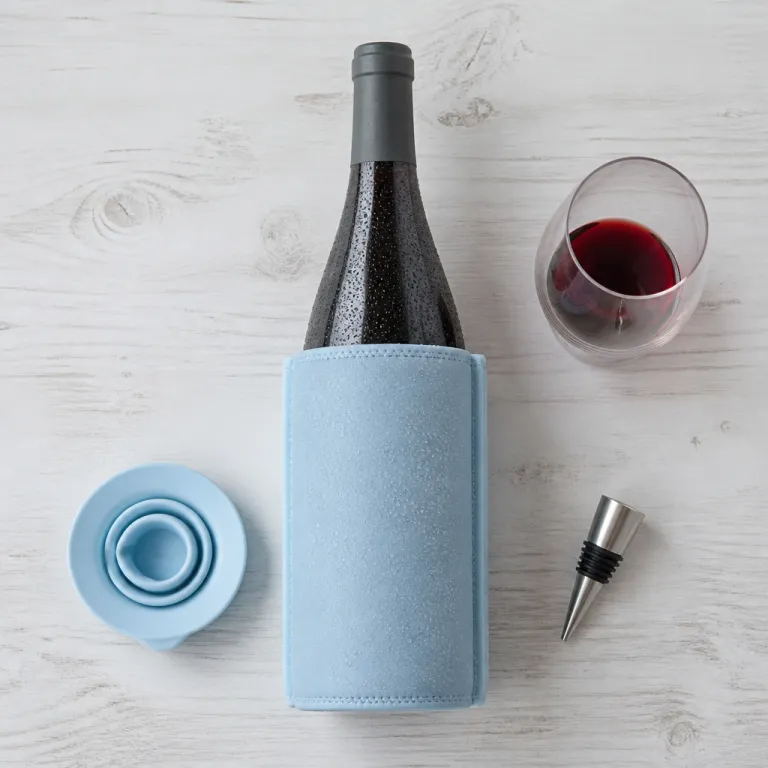
Understanding whether you should chill Pinot Noir on the road
When you travel through vineyard regions, one question follows every glass of Pinot Noir: do you chill Pinot Noir, or should this red wine stay at room temperature in your tasting room or guesthouse? The answer shapes how the wine feels on your palate and how you remember that place.
Wine professionals generally recommend a serving temperature for Pinot Noir between 13 and 16 °C (55–60 °F), which is cooler than most indoor room temperatures in wine country lodgings.1 This means you usually need some chilling before you pour Pinot Noir, whether you are in a cellar, a vineyard picnic spot, or a refined restaurant overlooking the vines. When you plan wine and vineyard travel, understanding how to chill wine correctly becomes as important as choosing which estates to visit.
Think of temperature as a lens that focuses aromas and textures in red wines. Too warm, and the alcohol in a bottle of Pinot Noir dominates, while the delicate red-fruit character turns heavy and blurred. Too cold, and the wine feels mute, with its subtle perfume locked away behind the chill.
Guides such as Wine Cooler Guru and Wine Spectator are clear on this point about Pinot Noir: serve it slightly chilled at around 55–60 °F (13–16 °C), a range that is cooler than the typical tasting room.1,2 Because of this, you must plan chilling time in a fridge, wine cabinet, or ice bucket before your brief serving window. When you travel, ask staff how they cool their bottle selections, and do not hesitate to request a cooler glass of Pinot if the first sip feels warm.
Many travelers still think all red wines must be served at room temperature without any chilling. That idea dates from drafty European houses, where room temperature was closer to a cellar than to a heated suite. In modern insulated spaces, a red wine like Pinot Noir often needs a short stay in the fridge to reach its best serving temperature.
By contrast, a structured Cabernet Sauvignon usually shows better slightly warmer than a delicate Pinot. You may still briefly chill bottles of Cabernet in hot climates, but the goal is simply to cool the wine, not to make it feel cold on the tongue. Understanding these differences lets you adjust how you chill Pinot Noir versus other red wines during your travels.
Practical chilling techniques for Pinot Noir while traveling
On the road, you rarely have a professional wine fridge at hand, yet you still want to serve Pinot Noir at the right temperature. The simplest method is to place the bottle in a standard fridge for a short, controlled time. For most Pinot Noirs, 30 to 45 minutes of refrigeration will bring the wine from warm room temperature down into the ideal serving range.1
Consumer-focused resources such as Wine Cooler Guru echo this practical guideline with a direct recommendation: refrigerate Pinot Noir for about 30–45 minutes before serving.1 When you arrive at your guesthouse or vineyard stay, put the red wine straight into the fridge, then set a timer on your phone for your planned serving window. This habit ensures you do not forget the bottle and accidentally chill the wine until it becomes unpleasantly cold.
If you are short on time before dinner in a wine-region restaurant, ask for an ice bucket rather than relying only on the fridge. A mix of ice and water chills a bottle of Pinot Noir faster, usually in about 15 to 20 minutes, especially if you rotate the bottle occasionally. This method is particularly useful when the outside temperature is high and the tasting room feels warm.
For picnics among the vines, a wet paper towel wrapped around the bottle can help. Moisten the paper towel, wrap it snugly around the glass, then place the bottle in the coldest part of the fridge or a portable cooler. The evaporation from the wet paper speeds up chilling time, which is helpful when you want to cool Pinot quickly before a sunset picnic.
Some travelers worry that these methods might damage the wine, but they are safe when you respect the time limits. Problems arise only when a bottle stays too long in very cold conditions, such as several hours in a freezer or forgotten overnight in an ice bucket. Aim for cool, not icy, and always touch the glass to gauge whether the red feels slightly chilled rather than deeply cold.
Once you reach the vineyard restaurant or cellar door, pay attention to how staff handle wine glasses and serving rituals. A thin-rimmed, tulip-shaped Pinot glass helps the aromas rise even when the wine is cool, and you can refine your technique further with guidance from resources such as this article on mastering the art of holding a wine goblet. Holding the stem keeps the serving temperature stable, preventing your hand from warming the wine too quickly.
Balancing temperature, aroma, and texture in Pinot Noir
Once you understand that you should chill Pinot Noir slightly, the next step is learning how temperature shapes aroma and texture. At the correct serving temperature, around 13 to 16 °C, the wine shows bright red fruit, floral notes, and gentle spice. The tannins feel silky, and the acidity lifts the palate without any harsh edge.
When Pinot Noir is too warm, wine-service articles from publications such as Wine Spectator note that flavors can seem muted and the alcohol may overpower the finish.2 This effect is especially noticeable in tasting-room settings, where a crowded space and warm lighting can push the temperature of red wines higher than ideal. If your glass of Pinot feels heavy or hot, politely ask whether the staff can chill the wine briefly before your next pour.
Over-chilling creates a different problem, which Decanter and other expert sources also highlight: proper chilling enhances aroma, while excessive cold dulls it.3 Straight from a very cold fridge, a bottle of Pinot Noir can taste narrow and closed, with little fruit expression. In that case, let the red wine sit in the glass for a few minutes, swirling gently to help it warm toward room temperature.
During vineyard travel, you will often taste multiple wines in one session, moving from Sauvignon Blanc to Pinot Noir and then perhaps to Cabernet Sauvignon. Each style has its own serving-temperature sweet spot, so ask the staff how they manage chilling and warming in their wine glasses. A professional team in a serious tasting room will adjust the time each bottle spends in the fridge or on the counter to match its structure.
For Pinot Noir, a short decanting step can also help, especially if the wine feels tight after chilling. Pour the wine into a small carafe and let it rest for ten to fifteen minutes at a cool room temperature, then pour back into clean glasses. This gentle aeration opens the bouquet without losing the benefits of proper chilling.
As you refine your palate, you will notice how a two-degree shift in temperature changes your perception of sweetness, acidity, and tannin in red wines. To deepen this awareness, consider reading a guide on mastering wine tasting etiquette before your next trip. Understanding etiquette around serving, swirling, and spitting helps you communicate confidently about how you prefer to serve Pinot during a formal tasting.
How to manage Pinot Noir temperature in different wine regions
Travelers quickly learn that climate shapes not only how Pinot Noir grows, but also how you should chill it before serving. In cool coastal regions, the ambient room temperature in cellars and tasting rooms often sits close to the ideal serving range. There, a bottle of Pinot Noir may need only a brief cool down in a fridge, or sometimes no chilling at all if it has rested in a stone cellar.
In warmer inland valleys, the situation changes dramatically, especially during peak travel seasons. A bottle left on a tasting bar can quickly rise several degrees above the best serving temperature, making the red wine feel flabby and alcoholic. When you visit such regions, ask whether the estate uses a dedicated wine fridge or ice buckets to keep red wines in the right range between flights.
Outdoor tastings add another layer of complexity, particularly when you sit among vines under strong sun. Even if the staff chill bottle selections correctly, the wine in your glass can warm within minutes, especially in large wine glasses with wide bowls. To manage this, keep your glass of Pinot in the shade, hold it by the stem, and taste more frequently rather than letting the wine sit for a long time.
Some travelers like to carry a small digital thermometer to check serving temperature discreetly. This tool helps you learn how different spaces affect the chill on Pinot Noir, from a cool stone cellar to a modern tasting room with large windows. Over several trips, you will build an intuitive sense of how long to chill Pinot in each environment before you serve it to friends or fellow travelers.
When you move between tastings of Sauvignon Blanc, Pinot Noir, and Cabernet Sauvignon, ask staff to rinse or change your wine glasses. Residual cold from a white wine can make the first sip of red feel too sharp, while a warm glass from a previous pour can undo careful chilling. A fresh, appropriately tempered glass supports the balance between coolness and aromatic expression.
For travelers planning routes through multiple valleys, resources such as this refined guide to Taste of Sonoma and its wine valley landscapes can help. Such guides often mention whether events provide proper chilling facilities, shaded seating, and professional service standards. Use this information to choose experiences where your Pinot Noir will be served at its best temperature, not simply poured from a warm shelf.
Serving rituals for Pinot Noir in tasting rooms and vineyard stays
Beyond simple chilling, the way you serve Pinot Noir during wine travel shapes the entire experience. Start by checking that the bottle feels cool to the touch but not icy, then open it calmly without shaking or rushing. Pour a modest measure into each glass, leaving space for the aromas of the red wine to collect above the surface.
In a professional tasting room, staff will usually choose specific wine glasses for Pinot Noir, often with a slightly wider bowl. This shape allows the delicate Pinot aromas to open even at a cooler serving temperature, while still concentrating the bouquet toward your nose. When you host a tasting in a vineyard rental or guesthouse, try to replicate this by selecting the largest, thinnest glasses available for your Pinot Noirs.
Timing matters as much as glassware when you chill wine for guests. If the bottle has been in the fridge for 45 minutes or more, remove it about ten minutes before serving to avoid pouring it too cold. During those minutes, the wine will warm slightly toward room temperature, landing in the ideal range by the time your guests take their first sip.
Some hosts like to use a gentle decanting step, especially with structured or young examples. Pouring the wine into a carafe introduces oxygen, which helps the red soften and the aromas expand, particularly after chilling. Just remember to keep the decanter in a cool place, not directly under warm lights or near a fireplace, so you do not undo your careful chilling work.
When you move from Pinot Noir to a fuller-bodied Cabernet Sauvignon, adjust your approach. The Cabernet can be served slightly warmer, so you may shorten its time in the fridge or skip chilling altogether if the room temperature is moderate. By contrast, if you return to a lighter red wine later in the evening, you might briefly chill bottle selections again to refresh the palate.
In vineyard stays without a dedicated wine fridge, a standard kitchen fridge and a simple ice bucket are usually enough. Wrap the bottle in a wet paper towel if you need to cool it quickly, then monitor the time carefully so the wine does not become too cold. With practice, you will learn to judge by touch and taste when to chill Pinot, when to serve it immediately, and when to let the glass rest for a few minutes before drinking.
Common mistakes travelers make when chilling Pinot Noir
Even experienced wine enthusiasts sometimes mishandle temperature when they travel, especially with delicate Pinot Noir. One frequent mistake is leaving a bottle in a very cold fridge for several hours, then serving it straight away. The wine arrives at the table cold and tight, forcing guests to wait while it slowly warms in their glasses.
Wine-service advice from Wine Spectator and similar publications cautions against serving Pinot Noir straight from the fridge; if it is over-chilled, let it warm slightly before drinking.2 If you realize your red wine feels too cold, pour smaller amounts into wine glasses and swirl gently to encourage a gradual rise in temperature. Avoid placing the bottle back into a warm tasting-room corner, where it might overshoot the ideal serving range and become too warm again.
Another common error is assuming that all red wines should be treated like Pinot Noir. A robust Cabernet Sauvignon can handle a slightly higher serving temperature, while a light-bodied Pinot benefits from more chilling, especially in hot climates. During vineyard travel, ask staff to explain how they chill bottle selections for different styles, and pay attention to how your palate responds.
Travelers also underestimate how quickly a glass of Pinot warms in the hand, particularly in crowded tasting rooms. Holding the bowl instead of the stem transfers heat from your fingers to the wine, undoing careful chilling within minutes. This is why etiquette guides emphasize proper glass handling, not only for elegance but also for maintaining the correct serving temperature.
Some guests rush the process of chilling wine by placing bottles in a freezer, which is risky. A short ten-minute blast might be safe if you watch the time closely, but any longer can lead to partial freezing, expansion, and potential damage to the cork or glass. When in doubt, rely on a fridge, an ice bucket, and a wet paper towel rather than extreme cold.
Finally, many travelers forget to adapt their approach as the day progresses and the environment changes. A Pinot Noir served at lunch on a shaded terrace may need less chilling than the same wine poured at sunset in a warm tasting room. By staying attentive to time, temperature, and context, you will answer the question “do you chill Pinot Noir” with confidence every time you pour.
Key figures and practical statistics about chilling Pinot Noir
- Optimal serving temperature for Pinot Noir is widely cited as 13 to 16 °C (55–60 °F), significantly cooler than the average heated indoor room temperature, according to Wine Cooler Guru and similar wine-service references.1
- Refrigerating a standard 750 ml bottle of Pinot Noir for 30 to 45 minutes in a typical domestic fridge usually lowers the wine temperature by about 6 to 8 °C, enough to move it from warm room temperature (around 20–22 °C) into the ideal serving range.1
- An ice-and-water bucket can chill a bottle of red wine roughly twice as fast as a fridge, often reaching the desired temperature in 15 to 20 minutes, which is useful for travelers arriving shortly before a scheduled tasting.2
- Studies on consumer perception of red wines, summarized in wine-education articles from Decanter and Wine Spectator, show that serving them around 2 to 3 °C cooler than standard room temperature increases the perception of freshness and reduces the sensation of alcohol heat for most tasters.2,3
- Professional tasting rooms in premium wine regions often maintain cellar spaces around 12 to 15 °C, allowing Pinot Noir bottles to be served with minimal additional chilling, which helps preserve aromatic complexity during busy service.3
Quick-reference infographic idea: imagine a simple vertical thermometer graphic showing three bands: “Too warm” above 18 °C (alcohol dominates), “Ideal for Pinot Noir” at 13–16 °C (balanced fruit and aroma), and “Too cold” below 10 °C (muted bouquet). Next to it, a small timeline could mark 15–20 minutes in an ice bucket and 30–45 minutes in a fridge as practical chilling guides.
FAQ about chilling Pinot Noir during wine and vineyard travel
Should Pinot Noir be chilled when I visit wineries
Yes, Pinot Noir should be served slightly chilled, ideally between 13 and 16 °C, so during winery visits you can expect staff to cool the bottle before pouring. If the wine feels warm in your glass, ask whether they can chill Pinot briefly in a fridge or ice bucket. A cooler serving temperature highlights the red fruit and floral notes that define this style.
How long should I chill Pinot Noir in a hotel or guesthouse fridge
Place the bottle in the fridge for about 30 to 45 minutes before you plan to serve Pinot to your travel companions. This timing usually brings the wine from typical room temperature down into the ideal serving range without making it too cold. If it feels over-chilled, let the glass rest for a few minutes before tasting.
What happens if my Pinot Noir gets too warm during a tasting
When Pinot Noir becomes too warm, flavors can seem flat and the alcohol may feel dominant, especially in crowded tasting rooms. In that case, ask for a fresh, cooler pour or request that the staff chill bottle selections briefly before your next sample. You can also move to a shaded area and use smaller pours to keep the wine cooler in your glass.
Can I serve Pinot Noir straight from a very cold fridge
Serving Pinot Noir directly from a very cold fridge is not recommended, because the low temperature will mute aromas and make the texture feel hard. If this happens, pour the red wine into glasses and allow a few minutes at room temperature, swirling gently to help it warm. Aim for cool but not cold, so the bouquet can fully express itself.
Is it acceptable to chill other red wines like Cabernet Sauvignon the same way
You can chill other red wines such as Cabernet Sauvignon, but usually for a shorter time or to a slightly higher temperature than Pinot Noir. In hot climates, a brief 15 to 20 minute chill in a fridge or ice bucket can make these wines feel fresher without losing their structure. Always taste and adjust, because each style and region responds differently to chilling.
References
- Wine Cooler Guru – guidance on optimal serving temperatures and practical chilling times for Pinot Noir and other wines.1
- Wine Spectator – articles on red-wine serving temperature, ice-bucket techniques, and how warmth or excessive chill affects flavor and perceived alcohol.2
- Decanter Magazine – expert commentary on Pinot Noir styles, regional differences, and how temperature influences aroma, texture, and tasting-room service.3