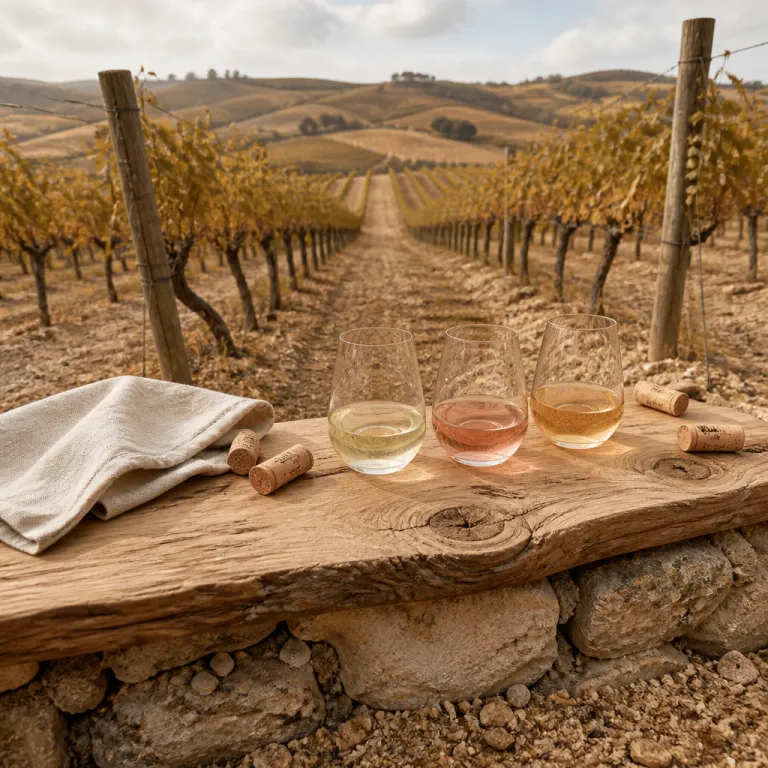
Choosing the best wine for starters on your first vineyard trip
Planning a vineyard journey is the perfect moment to choose the best wine for starters without feeling lost. When you stand in a cellar surrounded by barrels and bottles, the choice of wine for beginners can feel overwhelming yet deeply exciting. A little structure, plus a clear list of friendly grape varieties, will help you find wines beginners can enjoy with confidence.
Start with styles that highlight fruit and a smooth palate rather than heavy tannins or aggressive oak. Light to medium red wines such as pinot noir and merlot often feel easy to approach, because their flavours are gentle, fruit forward and supported by balanced acidity. These reds usually allow new wine drinkers to focus on aroma and texture, not on bitterness or alcohol burn.
White wines are equally important when you want the best wine for starters during a vineyard tour. A crisp sauvignon blanc or a soft pinot grigio can be the perfect wine to sip while walking between rows of grape varieties under the sun. Both of these white wine styles tend to be an easy drink, with citrus and stone fruit notes that feel refreshing after a morning of tasting.
Many wine beginners ask whether they should start with red wine or white wine during their first cellar visit. The most practical answer is to drink wine in a sequence that moves from lighter white wines to fuller red wines, so your palate does not tire too quickly. This order lets you compare white, rosé and red wines calmly, and it makes each glass feel like a gentle step rather than a jump.
When you arrive at a winery, ask the wine educators or tasting room staff for a list of wines beginners usually enjoy. These guides are trained to suggest good options such as fruit forward grenache, smooth merlot or a soft blanc blend that will not overwhelm you. Their expertise turns a simple tasting into an easy drink experience that feels curated rather than random.
Global data from the International Organisation of Vine and Wine (OIV, 2023) shows that wine drinkers around the world consume roughly 24 billion litres of wine each year. A majority of these consumers still prefer red wines, which explains why many estates start their tours with approachable red wine styles. As a new traveller, you can use this knowledge to focus on gentle reds first, then branch out to more full bodied options later in your journey.
Red wines for beginners: gentle styles to seek in the cellar
When you walk into a dim barrel hall, the best wine for starters is often a light red with bright fruit. Pinot noir is a classic example, because this red wine usually offers red fruit aromas, a smooth palate and very soft tannins. For wine beginners, that combination makes it easy to drink wine slowly and notice details without feeling overwhelmed.
Merlot is another reliable choice among red wines for beginners, especially on vineyard travel where you might taste several wines in one afternoon. Its flavours often lean toward plum and dark fruit, wrapped in a smooth texture that many wine drinkers describe as velvety. In regions like Bordeaux or Washington State, you can find merlot in both simple and more full bodied forms, so ask which style suits someone just starting.
Grenache can be a delightful surprise on your list of best red wines for starters. In Mediterranean vineyards, grenache often produces fruit forward wines with gentle spice and balanced acidity that pairs beautifully with local cuisine. These reds are usually an easy drink, particularly when served slightly chilled during a warm terrace lunch overlooking the vines.
Zinfandel deserves a careful approach when you travel for wine, because it ranges from light and juicy to very full bodied. For wine beginners, ask the winery to pour their lighter zinfandel first, where red fruit and black pepper notes feel playful rather than intense. Avoid the highest alcohol versions at the start, since they can mask subtle flavours and tire your palate quickly.
Cabernet sauvignon is the global star of red wine, yet it is not always the best wine for starters. Many cabernet sauvignon wines are structured and tannic, which can feel drying for wine beginners who are still learning to enjoy red wines. During a tasting, request a softer cabernet sauvignon or a blend where merlot or grenache round out the structure and create a more smooth palate.
For travellers interested in food pairing, a dedicated resource on refined cabernet food pairing can help you match red wines with regional dishes. Using these guides, you can find good combinations such as grilled lamb with medium bodied cabernet sauvignon or roasted vegetables with silky pinot noir. This approach turns each glass into a complete experience, not just a sip at the tasting counter.
White wines for beginners: refreshing choices for vineyard terraces
On a sunny terrace overlooking vines, the best wine for starters is often a chilled glass of white wine. Many wine beginners feel more comfortable starting with white wines, because these styles usually emphasise fruit and balanced acidity rather than tannins. That combination makes them an easy drink while you adjust to the rhythm of tasting on a vineyard holiday.
Sauvignon blanc is one of the best white options for travellers who enjoy crisp, aromatic wines. In regions such as Marlborough, Sancerre or coastal Chile, sauvignon blanc often shows citrus, green fruit and herbal notes that feel refreshing after a morning tour. These flavours pair beautifully with local seafood, goat cheese and salads, making sauvignon blanc a perfect wine for light lunches between cellar visits.
Pinot grigio offers a different expression of white wine that many beginners appreciate. Typically, pinot grigio is light bodied with gentle stone fruit flavours and a clean finish, which suits wine drinkers who prefer subtlety over intensity. When you visit vineyards in northern Italy or cooler parts of Oregon, ask to compare several pinot grigio wines to understand how climate shapes acidity and texture.
Travellers who like a slightly richer style can look for the best white wines made from chardonnay, especially those with a smooth palate and moderate oak. These wines often feel full bodied yet still show fruit forward notes of apple, pear or tropical fruit, supported by balanced acidity. For wine beginners, this style can bridge the gap between crisp whites and more structured red wines during a multi course dinner.
Some estates also produce blanc blends that combine several grape varieties, creating white wines with layered flavours and a very easy drink profile. These blends might include sauvignon, grenache blanc or other local grapes, offering a good introduction to regional traditions. When you drink wine in such settings, ask the staff to explain which grape varieties dominate the blend, so you can refine your personal list of favourites.
If you plan to focus on food pairing during your trip, a specialised guide to sauvignon blanc wine pairing will help you match white wines with elegant vineyard cuisine. These resources show how sauvignon blanc, pinot grigio and other white wines can complement dishes from oysters to asparagus. With this knowledge, the best wine for starters becomes the one that elevates both the plate and the place.
How to taste wine for beginners during vineyard travel
Once you have chosen the best wine for starters, the next step is learning how to taste with intention. Many wine beginners feel shy in tasting rooms, yet a simple method can turn each sip into a confident evaluation. The goal is not to judge wines, but to understand which flavours and textures you personally enjoy.
Begin by looking at the wine in your glass, whether it is red, white or rosé, and note the colour and clarity. A pale sauvignon blanc will look very different from a deep full bodied cabernet sauvignon, and these visual cues prepare your mind for certain flavours. Swirl gently to release aromas, then take a slow sniff to identify fruit, floral or spice notes before you drink wine.
When you taste, hold a small sip in your mouth and focus on the sequence of sensations. Ask yourself whether the wine feels fruit forward, whether the acidity is sharp or shows balanced acidity, and whether the finish is short or long. For wine beginners, this simple checklist works equally well for red wines, white wines and even sparkling styles.
During guided tastings, many estates provide flavour wheels and tasting notes to help wine drinkers put words to what they sense. These tools are especially helpful when you compare grape varieties such as pinot noir, merlot, grenache or zinfandel side by side. Over time, you will build a mental list of descriptors that make it easier to find the best wine for starters on future trips.
One of the most useful pieces of advice from professional educators is very straightforward: "Start with light, fruit-forward wines and note your preferences." This guidance encourages wine beginners to choose wines with a smooth palate and moderate alcohol, which are easier to analyse calmly. As your confidence grows, you can move from easy drink styles to more complex, full bodied wines without feeling rushed.
To deepen your skills, consider joining interactive virtual tastings offered by wine educators and local wineries before or after your journey. These sessions often focus on classic grape varieties such as sauvignon blanc, pinot grigio, cabernet sauvignon and pinot noir, giving you structured practice in a relaxed setting. With each tasting, you refine your sense of what makes a good, travel worthy bottle and which wines beginners tend to love most.
Wine pairing for vineyard journeys: from cellar tastings to regional tables
Choosing the best wine for starters becomes even more rewarding when you pair each glass with local food. On vineyard travel, every region offers dishes that highlight specific grape varieties, turning simple meals into memorable experiences. For wine beginners, understanding a few pairing principles will make restaurant menus and cellar lunches far less intimidating.
Light white wines such as sauvignon blanc and pinot grigio pair beautifully with fresh seafood, salads and goat cheese, especially in coastal wine regions. Their fruit forward profiles and balanced acidity cut through richness and lift delicate flavours on the plate. When you drink wine like this on a terrace, the combination of sea breeze, vineyard views and crisp white wines feels effortlessly harmonious.
Medium bodied red wines such as pinot noir and merlot work well with roasted poultry, grilled salmon and mushroom dishes. These red wines usually offer red fruit notes and a smooth palate, which complement savoury flavours without overpowering them. For wine beginners, this style of red wine is often the perfect wine to bridge the gap between light lunches and more substantial dinners.
In warmer regions, grenache and zinfandel often accompany grilled meats, spiced sausages and hearty stews served in vineyard restaurants. When these wines are not too full bodied, their ripe fruit and gentle spice can be an easy drink alongside rustic cuisine. Ask the staff to recommend specific bottles that show balanced acidity, so the pairing feels lively rather than heavy.
Cabernet sauvignon, with its firm structure, shines next to dishes like grilled steak, lamb or aged cheese in classic red wine territories. While not always the best wine for starters, a softer cabernet sauvignon can still suit wine beginners when paired with rich, savoury food. If you want more detail on refined combinations, consult a dedicated guide to cabernet pairing before booking vineyard restaurants.
For travellers seeking a broader perspective on how landscapes, gardens and gastronomy shape tasting experiences, an in depth article on elegant Sonoma wine experiences offers valuable context. Reading about how different estates present their red wines, white wines and blends will help you anticipate what to order on site. With this knowledge, you can build a personal list of pairings that make every glass feel like the best wine for starters in that specific place.
Planning vineyard routes for wine beginners: where to start and what to taste
Designing a vineyard itinerary around the best wine for starters allows you to travel with purpose. Instead of chasing famous labels, you focus on regions and estates known for gentle, fruit forward wines that suit wine beginners. This approach keeps tastings enjoyable and ensures that each stop adds something meaningful to your understanding.
Cool climate regions such as Burgundy, Oregon or New Zealand often produce pinot noir and sauvignon blanc with bright fruit and balanced acidity. These wines are ideal for travellers who want to drink wine that feels elegant rather than heavy, especially at lunch or early evening tastings. In such places, you can easily find white wines and red wines that match the easy drink profile many beginners prefer.
Warmer areas like parts of California, southern Rhône or Spain are excellent for exploring grenache, zinfandel and fuller styles of merlot. When planning, look for wineries that explicitly mention tastings tailored to wine beginners or guided flights that start with lighter wines. This structure helps you move from the best wine for starters to more full bodied options without palate fatigue.
Many estates now offer educational experiences led by professional wine educators, who act as guides for visitors at every level. These experts often prepare a list of wines beginners can taste side by side, such as sauvignon blanc versus blanc blends or pinot noir versus cabernet sauvignon. Comparing grape varieties in this way accelerates learning and makes each stop on your route feel purposeful.
Before you travel, contact wine retailers at home to suggest bottles that mirror the styles you will encounter abroad. Tasting a few good examples of sauvignon blanc, pinot grigio, merlot or grenache in advance will familiarise you with the flavours and textures to expect. That preparation turns your first day among the vines into a confident exploration rather than a blind experiment.
As you refine your preferences, keep a simple notebook or digital list where you record which red wines, white wines and blends felt like the perfect wine in each setting. Note whether you preferred fruit forward profiles, a smooth palate, or more full bodied structures with firm tannins. Over time, this record becomes a personalised map that guides future vineyard journeys and helps you always find the best wine for starters in any region.
Building confidence with wine as a new traveller
Confidence with wine does not come from memorising rules, but from tasting thoughtfully and asking questions. When you travel, the best wine for starters is often the one that encourages conversation with winemakers, sommeliers and fellow visitors. These exchanges transform wine beginners into engaged wine drinkers who understand both the glass and the place.
During tastings, do not hesitate to ask why a particular white wine or red wine was chosen to start the flight. Professionals can explain how grape varieties, climate and winemaking choices shape fruit, acidity and body in ways that suit wine beginners. Their explanations will help you recognise why some wines feel like an easy drink while others seem more challenging.
Many wineries now use tools such as flavour wheels and structured tasting sheets to guide visitors through their list of wines. These materials prompt you to evaluate fruit forward character, balanced acidity and overall smooth palate in a consistent way. Over several tastings, you will notice patterns in which red wines, white wines and blends you tend to mark as the best.
Interactive virtual tastings, offered by wine educators and local wineries, can extend your learning beyond the vineyard. These sessions often focus on comparing sauvignon blanc with other white wines, or pinot noir with fuller cabernet sauvignon, using bottles you can find at nearby wine retailers. Practising at home reinforces what you learned on the road and keeps your palate engaged between trips.
As your experience grows, you will feel comfortable moving from the best wine for starters to more complex, full bodied wines without losing enjoyment. You might begin with soft merlot or grenache, then progress to structured cabernet sauvignon or concentrated zinfandel on later journeys. Each step reflects genuine curiosity rather than pressure to like a certain style.
Ultimately, the most important measure of a good wine for beginners is whether it enhances your travel memories. A simple glass of sauvignon blanc on a hillside terrace, or a gentle pinot noir beside a vineyard firepit, can become the perfect wine in that moment. When you choose wines that match your taste, the landscape and the local cuisine, every trip becomes a graceful education in both place and palate.
Key figures for new wine travellers
- Global wine consumption is estimated at around 24 billion litres per year according to the International Organisation of Vine and Wine (OIV, 2023), showing how many potential styles wine beginners can explore on their travels.
- Approximately 55% of wine consumers prefer red wine, based on data from the Wine Market Council (U.S. Wine Consumer Segmentation Study, 2021), which explains why many tasting rooms start flights with approachable red wines for starters.
- The rise in organic wines has encouraged more estates to offer educational tastings focused on grape varieties and terroir, giving wine beginners clearer insight into how vineyards shape flavour.
- Growth in virtual wine tastings has expanded access to guided sessions with wine educators, allowing travellers to practise with sauvignon blanc, pinot noir and other classics before visiting vineyards in person.
FAQ about the best wine for starters on vineyard journeys
What is a good red wine for beginners during a vineyard visit ?
Pinot Noir is light-bodied with low tannins, ideal for starters. This style usually offers red fruit, gentle spice and a smooth palate, which helps wine beginners focus on flavour rather than bitterness. When travelling, ask wineries to pour their softest pinot noir or merlot first.
Which white wine is best for new drinkers on a wine trip ?
Sauvignon blanc is crisp, aromatic and very beginner friendly. In many regions, you can also find chardonnay and pinot grigio with bright fruit and balanced acidity that feel approachable. These white wines are often the best wine for starters at lunchtime tastings.
Are sweet wines recommended for beginners exploring vineyards ?
Yes, Moscato and Riesling are sweet and approachable. These wines highlight fruit forward flavours and a soft texture, which can be an easy drink for those not yet used to acidity or tannins. Many estates include a gently sweet white wine at the end of a tasting flight for this reason.
How should beginners approach wine tasting while travelling ?
Start with light, fruit-forward wines and note your preferences. Move from white wines to light red wines, then to more full bodied styles only if your palate still feels fresh. Writing brief notes about grape varieties, flavours and textures will quickly build your confidence.
Is it better to start with red or white wine on a tour ?
Is it better to start with red or white wine ? Personal preference; both have beginner-friendly options. In practice, many tasting rooms begin with white wine, then progress to red wines, because this order protects your palate and makes it easier to identify the best wine for starters for your taste.