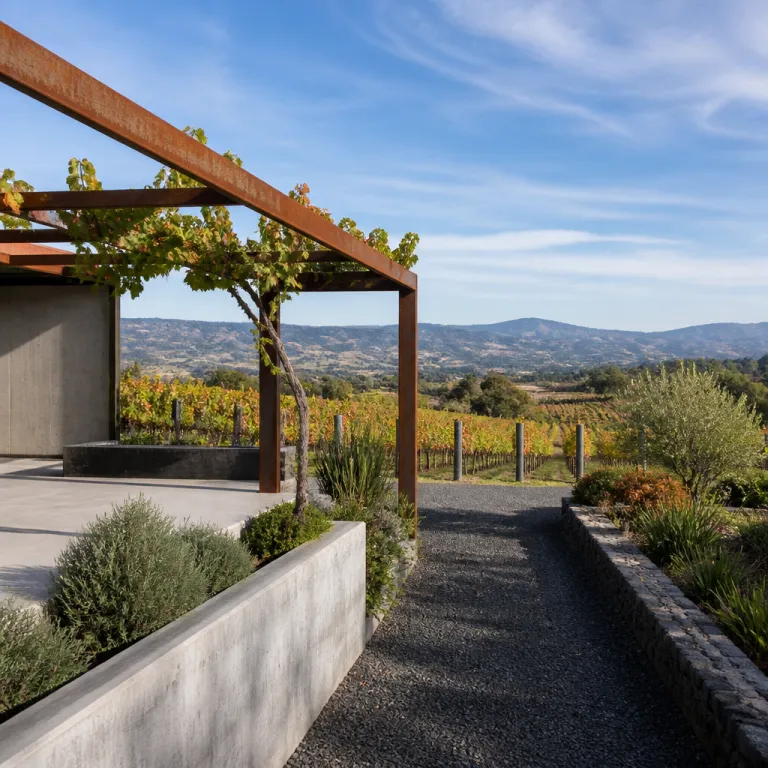
Why Taste of Sonoma belongs on every wine travel itinerary
Taste of Sonoma is a benchmark wine and food event that anchors many serious vineyard travel plans. Held at Kendall-Jackson Wine Estate & Gardens in Santa Rosa, the festival gathers more than one hundred wineries from across Sonoma County into one walk-around tasting that feels both concentrated and expansive. For a traveller planning a wine weekend, this single event compresses years of exploratory drives along the wine road into one elegant afternoon.
At a glance: Taste of Sonoma is an annual festival showcasing Sonoma County wines and cuisine, typically held in late June at Kendall-Jackson Wine Estate & Gardens in Santa Rosa. Over 100 local wineries pour during a four-hour grand tasting, with food pairings, themed lounges, live music and relaxed spaces to explore different valleys and appellations in one place.
The organiser, Sonoma County Vintners, curates county wine producers from Russian River Valley, Sonoma Valley, Dry Creek Valley and beyond, so you can compare styles without leaving the estate gardens. This format lets you taste wines produced in Sonoma side by side, from cool creek valley Chardonnay to structured Dry Creek Zinfandel, while speaking directly with the vintners who shaped them. Conversations with producers such as Rodney Strong Vineyards, Seghesio Family Vineyards or St. Francis Winery turn each pour into a story about site and season. For anyone mapping future journeys through Sonoma Valley or along the wider wine road, those exchanges become a living guidebook.
Travellers focused on wine tasting often ask whether they should prioritise individual winery visits or a major event like Taste of Sonoma. The answer is that this event works as a strategic starting point; you sample widely, identify wineries that match your palate, then plan deeper visits into each valley. By the time you leave Kendall-Jackson’s estate gardens, you will have a personalised shortlist of wineries, county vintners and specific wines that justify a return trip through Sonoma County.
How to navigate the tasting tents like a seasoned wine traveller
Stepping into the Grand Tasting AVA tents at Taste of Sonoma can feel overwhelming at first. Each tent represents a different valley or appellation within Sonoma County, from the fog-cooled stretches near the coast to the warmer pockets of Dry Creek Valley. To turn this event into a masterclass rather than a blur, you need a clear tasting strategy before your first pour of wine.
Start by choosing one theme per hour; for example, compare Pinot Noir from Sonoma Valley with those from Russian River, then move to county wine blends that highlight how wines produced in Sonoma express different soils. Take concise tasting notes, because by the time you scroll back through your mental list at the end of the afternoon, details will blur without written prompts. This disciplined approach transforms a festive weekend event into structured learning that will inform every future wine tasting trip you plan.
Food matters just as much as wine at a high-level tasting. Seek out wine food pairings from local chefs between flights, because the right bite can reveal new layers in both red and white wines. A small plate of grilled local salmon beside a Russian River Chardonnay, or Sonoma lamb with Dry Creek Zinfandel, can clarify which styles you want to revisit later. For deeper context on pairing principles that travel well beyond Sonoma, read the analysis of multi-region tasting festivals in South Australia referenced in the official event materials, then apply those insights as you move between tents and experiences at Taste of Sonoma.
Digital planning details: tickets, privacy and the reality of cookies
Planning a trip to Taste of Sonoma now starts online, long before you set foot in Sonoma County. Sonoma County Vintners encourage guests to purchase tickets early, and many wineries along the wine road now sell a significant share of their tasting reservations through digital platforms. That shift means you will interact with ticketing pages, analytics tools and privacy settings before you ever see a vineyard row.
When you land on the official event website, you will usually see a banner explaining that the site uses cookies and sometimes an analytics cookie to understand visitor behaviour. Many travellers simply click accept without reading, but a more intentional approach is to use the settings click option to review which cookie categories are active. If you prefer to refuse cookies that are not essential, you can adjust each cookie setting individually, often under a clearly labelled privacy policy section that explains how tools such as Google Analytics process anonymised data.
Understanding this digital layer matters because it shapes how events and wineries communicate with you. A winery that uses Google Analytics responsibly can see that many visitors click Google ads for weekend tastings, then optimise email timing rather than bombard you with irrelevant offers. As one Sonoma County Vintners representative notes in their educational materials, “Thoughtful data use should enhance hospitality, not replace it.” For a deeper look at how online booking is reshaping visitor flows, study the case of a forward-thinking cellar door described in the article on digital-first winery ticketing mentioned by Sonoma County Vintners, then apply those lessons when you join mailing lists for Sonoma wineries before or after the event.
Building a Taste of Sonoma weekend around valleys, wine roads and live music
A single afternoon at Kendall-Jackson’s estate gardens is only part of a well-designed wine weekend. To turn Taste of Sonoma into a full journey, anchor your itinerary around the region’s key valleys and the historic wine road that threads between them. This approach lets you balance the intensity of the main event with slower, more contemplative tastings in creek valley vineyards and along the backroads of Dry Creek.
Begin with a night in Santa Rosa so you can arrive at the event gates rested and ready when they open at midday. After the festival, drive north along the wine road into Dry Creek, where family-run wineries pour Zinfandel and Sauvignon Blanc that show a different side of wines produced in Sonoma. Stops at estates such as Seghesio Family Vineyards in nearby Healdsburg or Dry Creek Vineyard along the valley floor reveal how heritage producers interpret the same landscape in distinct ways. The next day, curve east into Sonoma Valley, where estate gardens and historic plazas create a softer, more meditative frame for wine tasting and long lunches built around seasonal wine food pairings.
Music lovers should pay attention to which wineries schedule live music on the same weekend as Taste of Sonoma. Many estates in Sonoma County host small concerts in courtyards or among the vines, turning a simple tasting into an atmospheric evening event. Kendall-Jackson Wine Estate & Gardens, for example, often pairs jazz or acoustic sets with relaxed lawn tastings during peak season. Check each winery’s events page rather than relying only on the main festival schedule, then click through to confirm whether reservations are required so you can join the audience without last-minute stress.
Expert tasting techniques for a large scale festival setting
Large festivals can tempt even experienced travellers into rushed, unfocused sipping. At Taste of Sonoma, where more than one hundred wineries pour across multiple tents, a disciplined tasting method protects both your palate and your memory. Think of each pour as data in a carefully structured experiment rather than just another glass of wine.
Start with lighter wines and progress gradually to fuller-bodied reds, because this sequence keeps your senses sharp for longer. Within each valley section, taste two or three wines from the same grape variety, then compare how county wine styles shift with altitude, soil and proximity to the creek valley floor. Spit regularly, hydrate between tents and take short breaks in the estate gardens, where fresh air and shade reset your senses before you rejoin the flow of the event.
Pay attention to conversations with vintners as much as to aromas in the glass. Many county vintners use Taste of Sonoma to explain how specific parcels in Dry Creek or Sonoma Valley contribute to their flagship wines, offering insights you will never find on a back label. Producers such as Rodney Strong Vineyards or St. Francis Winery may pour single-vineyard bottlings that illustrate these nuances in real time. If you want to deepen your technical vocabulary before travelling, the curated list of essential reading for vineyard-bound travellers highlighted by Sonoma County Vintners provides context that will make every conversation at the event more rewarding.
From festival to future journeys: turning Taste of Sonoma into a long term travel map
The real value of Taste of Sonoma lies not only in the wines you taste on the day, but in the travel ideas it sparks for years to come. As you move between tents, note which wineries, valleys and styles resonate most strongly, then translate those impressions into concrete itineraries along the wine road. This habit turns a single event into a personalised atlas of Sonoma County experiences.
When you return home, organise your tasting notes by valley and theme rather than alphabetically. Group all references to Dry Creek together, then map them against creek valley and Sonoma Valley, so you can see patterns in which wines produced in Sonoma appealed most. Use digital folders or a simple spreadsheet, but keep links to winery events pages, because many estates host seasonal weekends with live music, exclusive library tastings and wine food dinners that build on what you enjoyed at the festival.
Finally, stay engaged with Sonoma County Vintners and the Kendall-Jackson Wine Estate & Gardens mailing lists. Their updates often highlight new county wine initiatives, collaborative events and changes to the main festival format that may influence when you next join the celebration. As the organisers themselves explain in their official materials, "What is Taste of Sonoma?" "An annual festival showcasing Sonoma County's wines and cuisine." "When is Taste of Sonoma 2025?" "June 21, 2025, from 12:00 pm to 4:00 pm." "Where is the event held?" "Kendall-Jackson Wine Estate & Gardens, Santa Rosa, CA." "How many wineries participate?" "Over 100 local wineries." "What activities are available?" "Wine tastings, food pairings, themed lounges, and a beer garden." For the most current details on dates, ticket tiers and parking, always confirm directly with the official Taste of Sonoma website.
Key figures and practical statistics for planning your visit
- More than 100 wineries participate in Taste of Sonoma, according to Sonoma County Vintners, giving travellers access to an unusually broad cross section of county wine styles in a single afternoon.
- The main tasting runs for four hours, from midday to late afternoon, so pacing your wine tasting and food intake is essential if you want to explore multiple valley tents without fatigue.
- The Kendall-Jackson Wine Estate & Gardens venue sits just north of central Santa Rosa, placing you within easy driving distance of both Dry Creek Valley to the northwest and Sonoma Valley to the southeast for pre or post event excursions.
- Walk-around tasting formats like Taste of Sonoma typically allow guests to sample dozens of wines, but experienced travellers often limit themselves to around twenty focused pours to maintain sensory clarity.
- Regional tourism bodies report growing interest in wine and food events across Sonoma County, which means that accommodation and restaurant reservations for the same weekend should be secured well in advance.
FAQ about Taste of Sonoma for wine and vineyard travellers
What is Taste of Sonoma and who organises it ?
Taste of Sonoma is a large scale wine and food festival that showcases wines produced in Sonoma alongside dishes from local chefs. The event is organised by Sonoma County Vintners, a regional association representing wineries and county vintners across multiple valleys. Their goal is to highlight the diversity of Sonoma County wine while fostering community engagement between producers and visitors.
Where does the event take place and how do I get there ?
The festival is held at Kendall-Jackson Wine Estate & Gardens on Fulton Road in Santa Rosa, in the heart of Sonoma County. Travellers usually arrive via car from San Francisco or other regional hubs, then follow the wine road north or east for additional tastings in Dry Creek Valley and Sonoma Valley. Parking information, shuttle options and transport recommendations are published on the official event website each season, and should be checked there for the latest guidance.
How many wineries participate and what styles of wine can I expect ?
More than one hundred wineries pour at Taste of Sonoma, representing a wide range of county wine styles. You can expect classic Sonoma Valley Cabernet Sauvignon and Chardonnay, aromatic whites from cooler creek valley sites and robust reds from Dry Creek. The Grand Tasting AVA tents are organised by valley or appellation, making it easier to compare wines from similar terroirs.
What else happens besides wine tasting at the festival ?
Beyond the core wine tasting, Taste of Sonoma features food pairings from local chefs, themed lounges and often a relaxed beer garden. Many visitors also enjoy live music performances scheduled throughout the afternoon, which add atmosphere without overwhelming conversation. Educational elements such as talks with vintners and focused tasting zones help serious wine travellers deepen their understanding of Sonoma County.
How should I prepare for the event as a serious wine traveller ?
Book tickets and accommodation early, then study the list of participating wineries to prioritise which producers and valleys you most want to explore. Plan a tasting route through the tents, starting with lighter wines and building towards fuller bodied reds, while leaving time for breaks in the estate gardens. Finally, schedule extra days along the wine road in Dry Creek Valley or Sonoma Valley so that insights from the festival can immediately shape more intimate visits to your favourite estates.