Why a Beaulieu Vineyard Napa hospitality center visit now defines the new Napa Valley baseline
Beaulieu Vineyard in Rutherford has turned its historic stone winery into a calibrated stage for the modern Napa Valley traveler. The reopened hospitality center occupies the original 1885 and 1887 cellars that Georges de Latour purchased, now restored by Signum Architecture and BAMO as a layered vineyard hospitality hub where guests move between archive, kitchen and tasting room. For visitors planning time at the Beaulieu Vineyard Napa hospitality center, this is no longer just a stop for wines but a full hospitality experience that quietly resets expectations for what a legacy winery can offer.
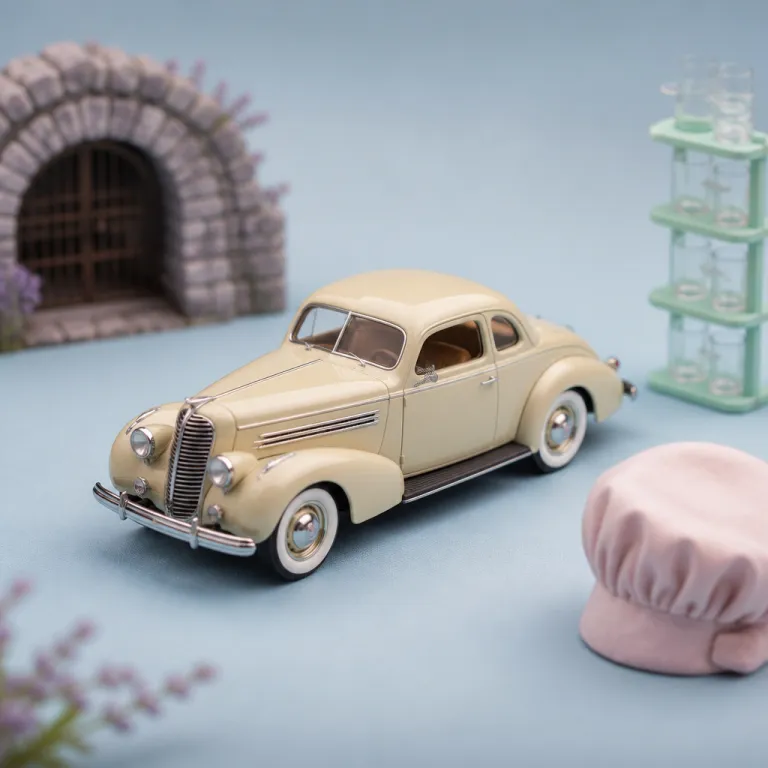
The winery sits on St. Helena Highway in the heart of Napa Valley, and the stone walls of the center frame a narrative that runs from early Rutherford plantings to the André Tchelistcheff era and into today’s wine industry realities. According to Beaulieu Vineyard’s 2024 reopening materials, the hospitality center formally debuted in spring 2024 after a multi‑year renovation. Inside, the hospitality team has structured five tasting experiences, each with a clearly defined duration and price point, so guests will know exactly how a Beaulieu Vineyard visit fits into a wider Napa itinerary. Current published pricing ranges from roughly $75–$95 per person for The 1885 tasting to $275–$325 for the Time Traveler tier, with BV Heritage, Discover Beaulieu and the Georges de Latour Table occupying the middle of the spectrum. The restored space also foregrounds the 1938 Cadillac associated with Georges de Latour, now displayed as a physical link between the winery’s past and the current push toward premium, time‑based experiences. Winery background notes describe the car as a period‑correct Cadillac acquired to evoke the era when de Latour was building Beaulieu’s reputation.
The tiered structure begins with The 1885 tasting, a 60‑minute format that introduces core wines and the stone winery architecture, and it builds through BV Heritage and Discover Beaulieu into the more focused Georges de Latour Table. At the top sits The Time Traveler, a two‑hour deep dive that pours rare historic vintages and positions the guest almost literally as a time traveler moving through Rutherford’s cabernet story. During a preview visit, one host summarized the intent: “We want guests to feel the decades in the glass, not just see them in the archive.” For wine‑focused travelers used to curated Napa Valley experiences, the clarity of these tiers makes time at Beaulieu feel more like a considered appointment than a casual drop‑in.
Inside the five tasting tiers: from cabernet sauvignon benchmarks to Time Traveler rarities
The five‑tier architecture of the hospitality center is where Beaulieu shows how a historic vineyard can speak to contemporary Napa expectations without losing its core. The 1885 tasting introduces the estate’s Rutherford footprint with approachable wines, while BV Heritage adds more detailed commentary on vineyard parcels and the evolution of cabernet in this part of the valley. Discover Beaulieu then leans into comparative tasting, setting current‑release cabernet sauvignon and reserve cabernet against each other so guests understand how site and élevage shape the final wine.
The Georges de Latour Table is the pivot point, built around the flagship Georges de Latour Private Reserve cabernet sauvignon that has long defined the winery’s reputation. Here, the hospitality team frames the wine as both a Rutherford benchmark and a reference point within Napa Valley, often contrasting different vintages of the Private Reserve to show how the style has shifted since the André Tchelistcheff years. The winery’s own historical notes credit Tchelistcheff with refining the Private Reserve into a standard‑bearer for American cabernet. For serious collectors, this is where a tasting at the Beaulieu Vineyard hospitality center starts to resemble a focused seminar rather than a standard tasting room flight.
At the top of the range, The Time Traveler experience uses rare historic wines to place Beaulieu within the broader story of American cabernet and the global wine industry. The format runs to around 120 minutes, giving enough time for guests to move through the stone corridors, study the 1938 Cadillac and sit with older Georges de Latour Private Reserve bottlings that illustrate why this label still matters. Recent lineups, according to the winery’s tasting descriptions, have included library selections such as 1995, 2001 and 2013 Georges de Latour Private Reserve alongside current releases, allowing tasters to track how Rutherford tannins and cellar decisions play out over decades. For readers who have followed our coverage of milestone estates, from Stags Leap’s Judgment Day anniversary in Napa to Burgundy’s evolving icons, this upper tier shows how a legacy winery can use its cellar to create genuinely differentiated experiences rather than just higher‑priced pours.
Culinary program, sustainability and what this signals for future vineyard hospitality
The most significant shift at Beaulieu is not only architectural but culinary, with the winery launching its first integrated culinary program under executive chef Trevor Eliason, whose appointment was announced in the estate’s 2024 hospitality release. Across all five tiers, food pairings are now built into the tasting experience, from small bites that frame young cabernet to more composed dishes at the Georges de Latour Table that echo Rutherford’s savory profile. For guests planning a Beaulieu Vineyard Napa hospitality center visit, this means the property functions as a full tasting room and dining environment rather than a quick stop between appointments. As Eliason put it during opening‑week service, “We’re cooking to the vineyard’s rhythm, not just to the tasting menu.”
The kitchen operates as an all‑electric space powered in part by a solar array that winery communications state supplies roughly one‑third of the estate’s electricity, a figure cited in Beaulieu Vineyard’s sustainability overview. The renovation also recycled the vast majority of construction materials to reduce waste. Electric vehicle charging on site and careful management of water and energy use position the stone winery as a case study in how Napa Valley estates can modernize without erasing their fabric. In a region where premium experiences are escalating, this balance of sustainability, vineyard hospitality and serious wines suggests a template that other properties from California to emerging regions like Nashik, which we have covered in our reporting on India’s vineyard expansion, will likely study closely.
For travelers routing in from San Francisco, the clear structure of the five experiences makes it easier to anchor a day around Beaulieu before or after other Napa Valley visits, or even to pair it with a European‑style village stay such as the new Meursault address we have reviewed in Burgundy. The presence of archival elements like the 1938 Cadillac, the visible stone walls and references to figures such as André Tchelistcheff and Georges de Latour gives the hospitality center a museum‑like depth without sacrificing comfort. As always, guests should review the winery’s privacy policy and reservation terms in advance, since high demand for the Time Traveler and Georges de Latour‑focused tiers means that a carefully timed booking will be essential for anyone who wants to experience the full range of wines, from entry‑level Napa Valley bottlings to the Latour Private Reserve cabernet at the heart of Beaulieu’s identity.
Practical notes for planning your visit
Beaulieu Vineyard is located at 1960 St. Helena Highway in Rutherford, in the central corridor of Napa Valley where many of the region’s most established wineries cluster. Reservations for the hospitality center’s five tasting experiences are handled through a digital reservation system on the Beaulieu Vineyard website, and the winery advises booking well ahead for weekends and for the Time Traveler tier. The property’s proximity to both St. Helena and Yountville means guests will find ample dining and lodging options within a short drive, making it straightforward to integrate a Beaulieu Vineyard tasting into a longer valley stay.
Each tasting tier has a clearly defined duration, ranging from approximately 60 to 120 minutes, so visitors can plan their day with precision and avoid rushing between appointments. The hospitality team encourages guests to arrive a few minutes early to explore the stone winery architecture and view the 1938 Cadillac before their tasting begins, particularly for the more in‑depth Georges de Latour and Time Traveler experiences. For those interested in photography, the interplay of light on the stone walls and the restored interiors offers strong visual opportunities, though any professional use of images, such as a photo by Adam Potts or other photographers, should be coordinated with the winery in advance.
Parking is available on site, and the presence of electric vehicle charging makes it convenient for visitors driving from San Francisco or other Bay Area cities in EVs. As with any high‑profile Napa Valley winery, guests will benefit from checking seasonal event calendars, potential roadworks on Highway 29 and any updates to the winery’s privacy policy or hospitality guidelines before traveling. Taken together, the renewed focus on structured experiences, integrated culinary programming and thoughtful sustainability measures positions Beaulieu as a reference point for how historic vineyard properties can evolve their hospitality center offerings without losing the character that made them destinations in the first place.