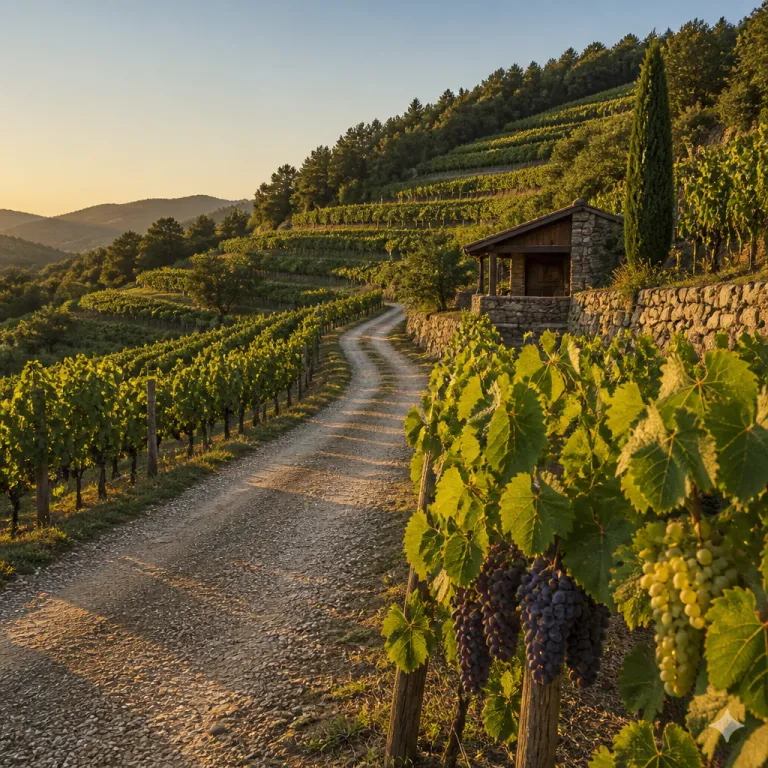
Why low acidity wine matters for sensitive palates on the road
Many wine lovers planning vineyard travel quietly worry about sharp acidity. When you spend a full day to drink wine during tastings, a softer low acidity profile can mean the difference between lingering pleasure and palate fatigue. Choosing wines low in aggressive acid lets you enjoy more glasses over time without that burning, acidic sensation that can overshadow subtle aromas.
Acidity in wine is not the enemy; it shapes freshness, structure, and long term stability. Yet when the acid level is too high for your personal tolerance, even beautifully made red wines or white wines can feel harsh, metallic, or overly tart on the finish. Understanding how grape variety, climate, and winemaking methods influence acidity levels will help you design itineraries where every drink feels harmonious rather than punishing.
Producers and travellers now pay closer attention to lower acidity styles, especially in warmer regions where the natural acid in grapes drops as they ripen. Winemakers use tools such as pH meters and tasting panels to track balanced profiles, aiming for wines whose acidity feels bright but not searing. As you plan trips, focusing on destinations known for naturally low acidity or for expert acid management will reward you with gentler textures and longer, more comfortable tasting days; as Master of Wine Jancis Robinson notes, “acidity is one of wine’s greatest assets when it is in balance, and one of its greatest liabilities when it is not.”
Understanding wine acidity on the road: from pH to perceived freshness
Acidity in wines is measured scientifically by pH and total acid, yet your tongue cares more about perception than numbers. Most wine sits between pH 2.5 and 4.5, a range that explains why some white wine feels razor sharp while another white appears round and soft. When you taste, your brain translates this acidity into sensations of brightness, tension, and mouthwatering energy.
High natural acid usually comes from cooler climates, early harvest dates, and certain grape varieties that retain acid even in sunshine. Low acidity often appears in warmer regions, later harvests, and grapes that naturally produce wines low in sharpness, creating a smoother drink for long tasting days. As you travel, ask winemakers how harvest timing and malolactic fermentation shaped their acid profile, because these choices strongly influence whether a wine feels crisp or creamy.
For travellers who prefer a wine low in bite, focusing on regions with warmer growing seasons can be wise, but you do not need to memorise chemistry. Warmer sites allow the grape to ripen fully, so acidity will drop while flavours deepen and texture becomes more generous. To deepen your understanding of structure beyond acidity, pair this knowledge with a clear grasp of dryness levels by reading this guide to understanding what is dry wine for refined vineyard travel experiences, which complements your search for gentle, well balanced styles.
Grape varieties and regions that naturally offer lower acidity
Certain grape varieties tend to give softer, low acidity profiles, which makes them ideal anchors for a relaxed tasting itinerary. Merlot, Grenache, and Malbec are classic examples of red wines that usually show lower acidity, especially when grown in warmer climates with plenty of sunshine. For white wines, Viognier and some expressions of chenin blanc can feel lush and rounded, offering a white wine option that is less aggressively acidic.
Among globally loved grapes, chardonnay is a fascinating case study in how place shapes the impression of acidity. In cooler regions, chardonnay can be taut and citrus driven, while in warmer zones the same grape often yields wines low in piercing acid, with more vanilla, stone fruit, and creamy texture. Travellers seeking low acidity wine should look for labels from warmer pockets of California, southern Rhône, parts of Spain, or South Australia, where lower acidity is a natural outcome of climate; for instance, a ripe vintage such as 2018 Napa Valley Merlot from a producer like Duckhorn typically shows supple tannins and moderate, integrated acidity that many sensitive tasters find comfortable over a long afternoon.
Pinot noir usually carries noticeable acidity, yet in riper vintages and warmer sites it can still feel like a wine balanced between freshness and silk. Cabernet sauvignon, by contrast, often shows firm structure and higher acid, so sensitive palates may prefer carefully selected producers who emphasise ripeness and supple tannins. To plan routes that prioritise gentle reds and whites, explore curated low acid itineraries such as these low acid wine journeys and elegant vineyard escapes for a softer sip, which highlight destinations where acidity will rarely overwhelm your palate.
Training your palate to recognise and enjoy low acidity styles
Palate training is the most powerful tool a travelling wine lover can carry. Start by tasting pairs of wines side by side, such as a high acid riesling against a lower acidity chenin blanc, and focus on how quickly your mouth waters. Notice how the wine texture changes; sharper wines feel lean and linear, while low acidity examples often feel broader, with a softer, almost creamy mid palate.
During vineyard visits, ask to sample flights that contrast acid profiles within the same grape variety. For example, taste a cool climate chardonnay next to a warmer region chardonnay, then pay attention to how acidity levels alter the perception of aromas, oak, and vanilla notes. Over time, your brain will build a reference library, allowing you to identify wines low in harsh acid after just one sip.
Use simple exercises to refine your sense of acid and balance when you drink wine during travel. Take a small sip, hold it briefly, then swallow and count how many seconds your mouth keeps watering, because longer salivation usually signals higher acid. With practice, you will quickly distinguish between a wine low in sharpness that suits long tasting days and a more acidic style better reserved for a single glass with food; many travellers recall the moment on a sunlit terrace when they first noticed how a gentle, rounded Viognier felt like silk after a morning of brisk, citrusy whites.
Itinerary design: vineyard routes for softer reds and whites
Designing a wine trip around low acidity preferences starts with climate maps and grape choices. Warmer regions such as parts of Napa Valley, Paso Robles, southern Rhône, and Mendoza often produce red wines with riper fruit, lower acidity, and a plush texture that flatters sensitive palates. Within these areas, focus on estates known for Merlot, Malbec, Grenache, and generous styles of cabernet sauvignon, because these grapes can yield wines balanced between richness and gentle structure.
For white wine lovers, seek out Viognier, richer chenin blanc, and barrel fermented chardonnay in sun drenched sites. These white wines frequently show acidity that feels integrated rather than sharp, with aromas of stone fruit, honey, and vanilla instead of only citrus and green apple. When planning a spring or autumn escape, consider building a long weekend around cellar sessions and barrel tastings using this guide to planning an elegant spring barrel weekend in American wine country, then tailor the appointments toward producers known for lower acidity styles.
Balance your schedule so that tasting rooms pouring high acid varieties such as sauvignon blanc or very crisp pinot noir appear earlier in the day. Later appointments can then focus on wines low in sharpness, allowing your palate to relax into softer textures as fatigue sets in. This thoughtful sequencing ensures that acidity will enhance your journey rather than dominate it, especially when you drink wine across several days of travel.
Reading labels, asking the right questions, and caring for your palate
Back labels rarely state pH or total acid, so travellers must read between the lines. Clues such as region, grape variety, and tasting notes mentioning “crisp” or “zesty” often signal higher acid, while words like “round”, “creamy”, or “soft” usually indicate low acidity tendencies. When you see descriptions of vanilla, ripe stone fruit, or honeyed aromas in chardonnay or chenin blanc, you can often expect wines low in aggressive sharpness.
At the tasting counter, ask winemakers specific questions about acidity and texture. You might say, “Which of your red wines shows the softest acid profile?” or “Do you produce any white wines with lower acidity that are gentle to drink over a long lunch?”. Many producers are accustomed to guests who prefer a wine low in bite, and they will gladly guide you toward cuvées where acidity will feel integrated rather than dominant.
Finally, protect your palate during intensive tasting days by alternating water and food with every drink. Rich cheeses, charcuterie, and bread help buffer acidic sensations, while still allowing you to assess balanced structures and nuanced aromas. As one educational summary from Wine Folly puts it succinctly, “acidity is what makes wine taste bright and refreshing,” a reminder that the goal is not to avoid acid entirely but to curate travel experiences where these elements support, rather than overshadow, your enjoyment.
Key figures and practical statistics for low acidity focused travel
- Most wine falls within a pH range of 2.5 to 4.5, according to Wine Folly’s introductory guide to wine acidity, which means even small shifts in pH can significantly change how acidic or soft a wine feels on your palate.
- Warmer climate regions typically produce grapes with lower acidity than cooler climates, so travellers prioritising low acidity wine often favour destinations such as California’s Central Coast, southern Rhône, or parts of Argentina over very cool coastal zones.
- Consumer research from major retailers shows a growing demand for softer, lower acidity styles, reflected in increased shelf space for ripe Merlot, Malbec, and richer chardonnay in many international markets.
- Winemakers routinely use pH meters and tasting panels to monitor acidity during production, allowing them to adjust techniques such as malolactic fermentation to achieve a more balanced profile for sensitive drinkers.
- Because wines with very low acid generally age less successfully than high acid counterparts, many producers recommend that these softer styles be enjoyed within a few years of release for optimal freshness and texture; studies in journals such as the American Journal of Enology and Viticulture consistently highlight acidity as a key factor in wine longevity.
FAQ: low acidity wine for vineyard travellers
What are low acidity wines ?
Low acidity wines are bottles where the natural acid level is softer and less pronounced, so the taste feels rounder and less sharp on the palate. They still contain enough acid to keep the wine balanced, but not so much that it dominates the flavour. Travellers who find very crisp styles tiring often prefer these gentler reds and whites for long tasting days.
Which grape varieties usually produce lower acidity wines ?
Grapes such as Merlot, Grenache, and Malbec often yield red wines with naturally lower acidity, especially in warmer climates. For whites, Viognier, some styles of chenin blanc, and riper chardonnay can offer a softer, more generous texture. When planning vineyard visits, focusing on these varieties increases your chances of finding a wine low in sharpness.
How does climate affect the acidity of wine ?
Warmer climates allow grapes to ripen more fully, which causes natural acid levels to fall as sugar and flavour compounds rise. Cooler regions preserve higher acidity, leading to wines that feel brighter, leaner, and more mouthwatering. Travellers seeking low acidity wine should therefore prioritise warmer regions or riper vintages within traditionally cool areas.
Can winemaking techniques reduce acidity in wine ?
Yes, several cellar practices can soften the perception of acid in wine. Malolactic fermentation converts sharper malic acid into softer lactic acid, while ageing on lees and careful oak use can add texture that balances remaining acidity. When visiting estates, asking whether a wine has undergone malolactic fermentation is a practical way to gauge how creamy or crisp it might taste.
Do low acidity wines age as well as higher acid styles ?
In general, wines with lower acidity do not age as long as high acid examples, because acid is a key preservative that supports slow, graceful development in bottle. Many softer reds and whites are crafted to be enjoyed within a relatively short time after release, when their fruit and texture are at their peak. For travellers, this means you can confidently drink these bottles soon after purchase rather than cellaring them for extended periods.
Trusted references for further reading
- Wine Folly
- Institute of Masters of Wine
- Journal of Wine Economics