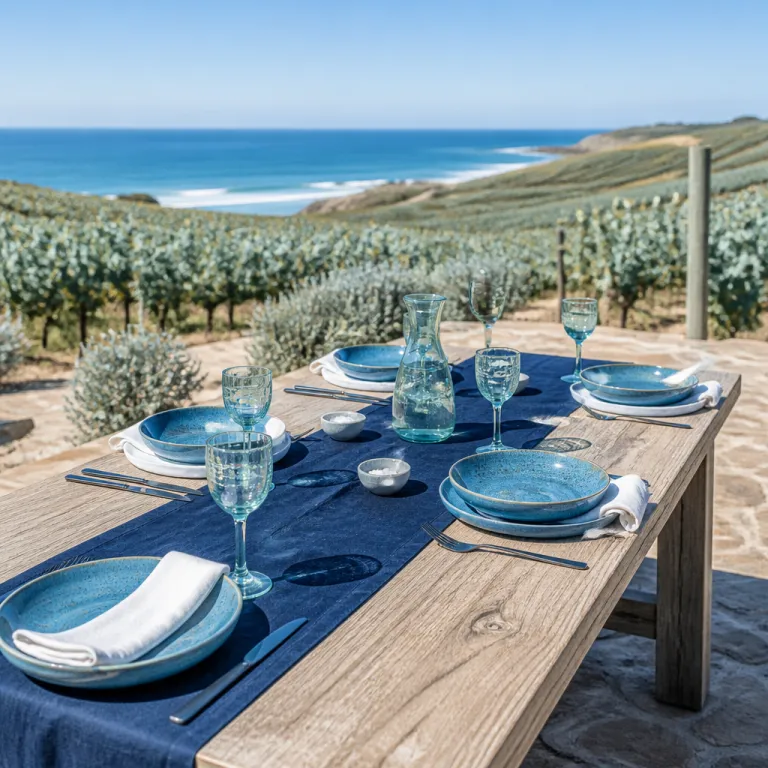
Why late summer is the moment for vineyard dining
By late summer, a vineyard dining wine country summer experience becomes less about casual terrace lunches and more about timing and place. As the light softens in August and the grapes tighten on the vines, wineries shift their focus toward immersive evenings that weave wine, food and landscape into one extended moment. Couples who plan well will find that these short seasonal windows offer the most layered way to enjoy wine country, from the first taste of summer wine at golden hour to the last glass under the stars.
Across the major valleys of California and beyond, vineyards now treat gastronomy as seriously as cellar work. Estate winery teams collaborate with local chefs to design menus that track ripeness in the rows, pairing Cabernet Sauvignon with late-season tomatoes or Cabernet Franc with grilled stone fruit, and they often stage these dinners directly between the vines for uninterrupted vineyard views. At many properties, a typical August winemaker dinner might run from 6:30 to 9:30 p.m., with four or five courses and a dedicated pairing for each plate. The result is an experience where you do not just taste the wines but live the rhythm of the growing season, with food and wine pairings that feel inseparable from the soil beneath your feet.
Data from national trade bodies shows that wine tourism already generates billions in revenue, and the most forward-thinking family vineyards are leaning into this demand with award-winning culinary programs. According to WineAmerica’s 2022 National Economic Impact Study, wine-related tourism contributed an estimated $16.69 billion to the U.S. economy, while the Wine Institute reports that visitors to California wine regions alone spend more than $7 billion annually. Many of the most interesting events now combine wine tasting, live music and chef-led menus, creating a kind of open-air salon where you can buy tickets for a twilight winemaker dinner instead of a standard tasting room slot. For couples, this is the moment to treat a late-summer vineyard dinner as the anchor of the trip, then build daytime tastings, valley drives and relaxed lunches around that single, unforgettable table.
How to choose the right estate for an august table
Selecting the right winery for a late summer dinner starts with clarity about what you want from the evening. Some estates emphasise quiet, candlelit winemaker dinner formats where the focus stays on the wines and the conversation, while others lean into live music, shared tables and a more social atmosphere that suits a group of friends or an extended family. In both cases, the best vineyard dining experiences will feel coherent from the first directions you receive in your confirmation email to the last pour of Cabernet at dessert.
Look first at how deeply an estate winery integrates food and wine pairings into its overall hospitality, rather than treating dinner as an add-on. Beaulieu Vineyard in Napa Valley, for example, has invested in a chef-led hospitality center that threads wine-and-food experiences through seated tastings and special events, a sign that the kitchen and cellar work as one équipe. A recent late-summer menu there paired Cabernet Sauvignon with dry-aged beef and garden peppers, while lighter courses showcased estate whites with heirloom tomatoes and local cheeses. When you see seasonal menus, organic vineyards in active use around the tables and a clear sense that winning wines are being poured where they were grown, you can be confident that the evening will feel grounded rather than staged. As one Napa winemaker put it during a recent harvest dinner, “If the menu does not change with the vineyard, something is missing from the story.”
For couples who like to return to the same valley, there is a strong case for becoming a regular in one region rather than chasing new names every August. As argued in this analysis of why repeat visitors matter more than first timers, familiarity with local family vineyards, club members culture and seasonal calendars lets you book the right table at the right moment. That knowledge helps you buy tickets early for the most coveted events, understand when reservations required really means reservations appreciated, and choose between a quiet tasting room dinner or a more animated evening with live music and shared plates.
From twilight rows to garden kitchens: formats worth planning around
Once you know where you want to be, the next step is choosing the specific format of your late-summer vineyard dining experience. Twilight vineyard dinners remain the benchmark, with long tables set between the rows, candles flickering in the warm air and a sequence of wines that track the arc from aperitif to Cabernet Sauvignon and finally to a contemplative glass of summer wine. Typical ticket prices for these evenings in established wine regions range from about $95 to $250 per person, depending on the number of courses, the wines poured and whether live music is included. These evenings work especially well for couples who want to enjoy both intimacy and a sense of shared occasion, since you can talk quietly while still feeling part of a larger, like-minded crowd.
Other estates favour garden-based formats that bring you closer to the ingredients as well as the vines. Cooking classes in estate gardens, followed by a relaxed meal overlooking the valley, allow you to taste the wines alongside the herbs and vegetables you have just handled, which creates a different kind of connection to the land. In Livermore, for instance, several properties highlighted in this refined guide to the vines now offer farm-to-cellar picnics where you can buy a basket, walk through organic vineyards with a map of the blocks and then settle into a secluded corner with chilled whites and Cabernet Franc.
Music is increasingly part of the equation, especially in August when evenings stay warm and dry. Sovereign Estate Winery in Waconia, Minnesota, for example, has built a reputation for combining wine tasting, food-and-wine pairings and live music on the lawn, which turns a simple dinner into a full evening out. Sannino Vineyard on the North Fork of Long Island hosts jazz nights where you can buy tickets for reserved seating, sip Cabernet while the band plays and enjoy small plates that match the wines, a format that works well for a multi-generational family who want both entertainment and serious glasses. As one visiting chef remarked after a recent North Fork event, “The music sets the tempo, but the vineyard sets the mood.”
Insider planning: reservations, timing and where to look beyond California
The most coveted late summer tables in wine country rarely appear by chance, so planning is non-negotiable. For many twilight dinners and winemaker events, reservations required means booking several weeks ahead, especially for August weekends when club members often receive first access to buy tickets. When you see language such as reservations appreciated on an event page, treat it as a polite warning that walk-ins will almost certainly miss the best vineyard views and the most carefully paired food-and-wine menus.
Event calendars from the United States to Europe now show a clear concentration of vineyard dining in the late summer period, with harvest-adjacent dinners beginning in the final weeks of August in the Northern Hemisphere. Rathfinny Wine Estate in England, for example, has become known for al fresco vineyard dining that pairs its sparkling wines with seasonal British produce, while Raymond Vineyards in Napa Valley runs a summer series that might include gelato pairings alongside more classic wine-and-food experiences. Old York Cellars in New Jersey adds another layer with its Signature Wine & Dine evenings, where guests can buy tickets for multi-course menus that highlight both local wines and regional ingredients.
Beyond the classic valleys, it is worth looking at more unexpected destinations where culture and gastronomy intersect directly with the vines. One of the most compelling examples is the Venetian lagoon, where this detailed piece on a hidden vineyard and its Dorona grape shows how a single estate can turn a meal into a deep cultural experience. Whether you are heading for Napa, Piedmont, Burgundy or a lagoon island, the same rules apply: buy your tickets early, read the directions carefully, and choose the events where the wines, the food and the setting all work in harmony so that you can simply sit back, enjoy the music and live the evening as it unfolds.
FAQ
What should I wear to a late summer vineyard dinner?
Dress in comfortable, weather-appropriate attire suitable for outdoor settings, and assume that temperatures will drop once the sun sets over the valley. Light layers work well, with closed shoes that can handle vineyard paths and uneven ground between the rows. For a more formal winemaker dinner in a tasting room or on a terrace, smart casual clothing will feel appropriate without being stiff.
Are vineyard dining events suitable for children and multi generational families?
Policies vary widely between vineyards, so always check with the specific winery before you buy tickets. Some family vineyards welcome children at earlier seatings or at more casual live music evenings, while others keep winemaker dinners adults-only to maintain a quieter atmosphere. When in doubt, call ahead, ask about age limits and whether a dedicated family table can be arranged.
How far in advance should I book august vineyard dining experiences?
For peak August weekends in major wine country regions, plan to reserve at least one to two months ahead, especially for award-winning estates and events with limited seating among the vines. Many wineries open their books first to club members, so general reservations may appear only after those early allocations. If an event notes that reservations required or even reservations appreciated, treat that as a signal to secure your place as soon as possible.
What is typically included in the ticket price for a vineyard dining event?
Most vineyard dining tickets cover a set menu, a curated selection of wines and the experience of dining in a special location such as a barrel room, garden or vineyard row. Some estates include a short tour of the organic vineyards or a welcome wine tasting in the tasting room before guests are seated. Always read the event description carefully to see whether extra glasses of Cabernet or Cabernet Franc, parking or live music surcharges will be added on the night.
Do I need a car, and how should I handle directions and transport?
Many estates sit outside town centres, so you will usually need a car or a pre-booked driver to reach the property and return safely after an evening of wine and food. Wineries provide detailed directions on their websites or in confirmation emails, and it is wise to download them in case mobile coverage drops in the valley. If you plan to enjoy generous pours of summer wine and richer reds, consider arranging a car service so that you can relax fully and live the experience without worrying about the drive back.
Sources
Wine Institute; WineAmerica; Wine Industry Advisor.