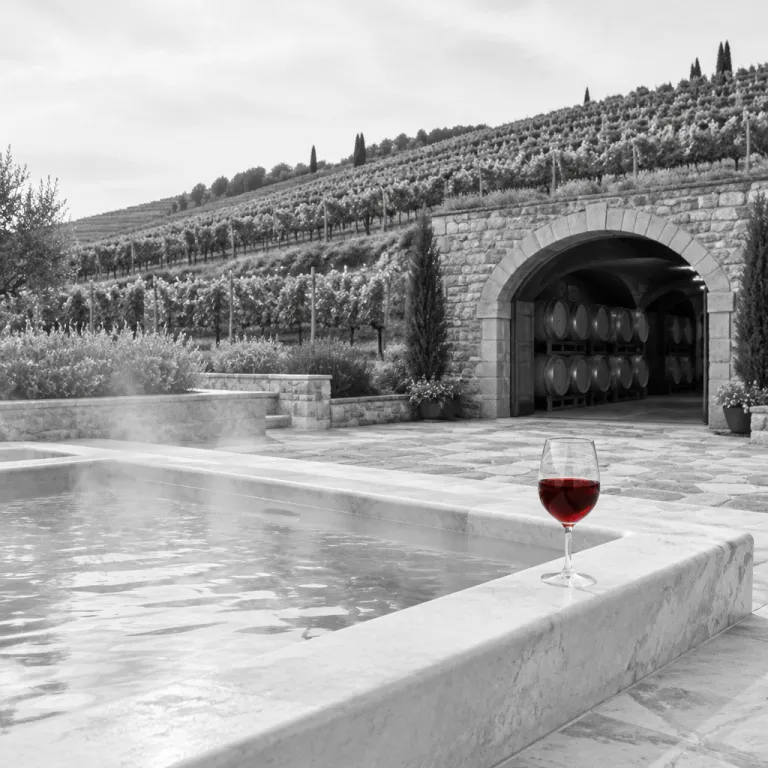
The geology behind wine, thermal springs and European wellness routes
Wine and thermal springs share the same deep origin story beneath Europe’s vineyards. Where the earth fractures and geothermal energy rises, you often find both mineral rich thermal waters and soils that shape nuanced wine styles. This is the quiet backbone of every wine-and-spa itinerary across Europe’s vineyard regions, long before anyone built a spa hotel or carved a cellar.
Volcanic and sedimentary layers filter mineral water, then push it back up as hot springs that feed thermal baths and thermal spas in historic spa towns. The same fractures drain vineyard slopes, stress the vines just enough, and load the subsoils with trace elements that influence body, texture and aromatics in both red and white wines. When you plan a wellness break around these thermal destinations, you are really tracing the same geological fault lines that define Europe’s most characterful wine regions.
Think of it as a full body map of the continent, where your body mind connection mirrors the landscape’s own tension between heat and coolness. A day of wine tasting followed by a late afternoon session in warm water or thermal waters is not just relaxation; it is a way to feel the same forces that shaped the vineyards you walked. For couples arriving from the United States, this is the deeper appeal of combining wine regions, spa culture, hot springs and vineyard walks in one European journey, beyond any single retreat or hotel.
Across Europe, spa towns grew where hot springs emerged, and vineyards clustered on nearby slopes with good drainage and reflected light. In some destinations the spa town sits right inside the appellation, while in others a short day thermal drive links cellar and spa. Either way, the best retreats use nature itself as the main amenity, letting mineral water, clean air and hillside vines do most of the healing work.
Not every spa town is equal for wine focused travelers, and not every wine region offers meaningful thermal springs. The most rewarding wellness retreat itineraries pair serious cellars with historic thermal baths that still use natural mineral water rather than chlorinated pools. In the following sections, we map the European wine-and-thermal routes that justify the flight, the rental car and the extra day away from email.
Tokaj and Budapest: sweet wine cellars and grand thermal baths
Hungary is where the wine-and-hot-springs idea becomes almost literal. The Tokaj region’s volcanic hills and the thermal spas of Budapest both sit on the same geological fault system, which channels mineral rich thermal waters toward the surface. That shared geology links the noble rot sweetness of Tokaji Aszú with the steam rising above the Széchenyi and Gellért thermal baths.
Base yourself for a day or two in Tokaj’s wine towns, such as Tokaj itself or Mád, where cellar doors open onto slopes of rhyolite and andesite. Morning is ideal for wine tasting, when your palate is fresh and the air is cool enough to walk vineyard rows and understand how the soils influence the wine’s body and acidity. After a focused day of visits, drive back toward the capital for an evening wellness break in a grand Budapest spa, letting the warm water reset both body and mind.
Budapest is one of Europe’s great spa towns, with a spa hotel or two attached to historic bath complexes that still use naturally hot springs. At Széchenyi, outdoor pools of steaming thermal waters sit beside cooler lanes, allowing a full body circuit that alternates heat and cold. Gellért’s art nouveau thermal baths feel more intimate, with tiled halls where couples can soak in mineral water that has been prized for healing properties for centuries.
Plan your retreat so that the heaviest wine tasting day is followed by the most indulgent spa day, rather than the other way around. A late afternoon session in a Budapest bathhouse, after a light lunch and a drive from Tokaj, leaves you relaxed, pampered and ready for another cellar focused day. This rhythm of daytime tasting and evening spa creates a sustainable pace, especially for travelers from the United States adjusting to jet lag.
If volcanic terroirs fascinate you, consider pairing this Hungarian route with a future trip to Sicily’s Etna, where vineyards and lava share the same slopes; the detailed guide to Mount Etna’s volcanic terraces shows how geology again shapes both wellness and wine. In both destinations, the pattern is clear: fractured rock, mineral water and concentrated wines. The key is to treat the spa not as a side activity, but as an equal partner to the cellar in your overall retreat experience.
Tuscany’s thermal belt: Brunello, Vino Nobile and hillside hot springs
Southern Tuscany may be the purest expression of wine country combined with thermal wellness travel. Here, the Brunello di Montalcino and Vino Nobile di Montepulciano vineyards sit within an easy drive of some of Italy’s most atmospheric hot springs. The Val d’Orcia folds vineyards, medieval towns and thermal springs into a single, coherent landscape.
Start with a day in Montalcino, where Sangiovese vines cling to slopes that catch long arcs of afternoon sun. After morning cellar visits and a focused wine tasting flight or two, head toward Bagno Vignoni, a tiny spa town built around a steaming central pool of thermal waters. While you cannot bathe in the main square’s pool, nearby facilities channel the same mineral water into modern spa treatments that target full body relaxation and gentle healing.
For a wilder retreat, drive to Saturnia, where cascades of warm water spill over limestone terraces in a scene that feels almost unreal. Arrive late in the day, when the day trip crowds thin and the light softens over the surrounding nature, and you will understand why couples return here for the same wellness break year after year. The contrast between a structured tasting of age worthy wines in Montalcino and the free form soak in Saturnia’s hot springs is exactly what makes this route compelling.
Montefollonico and Montepulciano add another layer, with Vino Nobile cellars that focus on elegance and balance rather than sheer power. A spa hotel near these towns lets you move easily between vineyard visits, thermal baths and slow dinners built around local olive oil and Chianina beef. The rhythm of one day more thermal focused and the next more cellar heavy keeps both body and mind engaged without fatigue.
To deepen your understanding of how architecture and hospitality shape the wine experience in this part of Europe, read the analysis of the wine estate as museum. Tuscany’s best properties now treat the estate itself as part of the wellness retreat, using stone, light and views to extend the effect of the mineral water. In this region, wine and hot springs travel becomes less about individual treatments and more about an integrated way of spending the day.
Douro and northern Portugal: river terraces and Chaves thermal waters
Northern Portugal offers a quieter circuit, ideal for couples who prefer under the radar destinations. The Douro’s upper terraces, carved high above the river, are within an hour’s drive of the Chaves thermal springs in Trás-os-Montes. This makes it possible to spend the morning among steep vineyards and the late afternoon in a classic Iberian spa town.
Base yourself in the Douro Superior, where quintas cling to schist slopes and the river bends feel far from the cruise ship traffic downstream. Here, wine tasting focuses on both structured reds and fresher whites, with some estates now experimenting with lighter styles that suit a wellness retreat mindset. After a focused day of cellar visits, drive north toward Chaves, where thermal waters rich in mineral content have been used for healing since Roman times.
Chaves itself is a compact spa town, with a riverside park, traditional cafés and a cluster of thermal baths that still draw locals for weekly treatments. Choose a spa hotel that pipes the hot springs directly into private tubs or pools, allowing a full body soak without leaving the property. The combination of warm water, quiet streets and simple, olive oil driven cuisine creates a different kind of relaxation than you find in larger European spa towns.
For travelers from the United States, this Douro–Chaves route offers strong value compared with more famous spa destinations in Italy or France. You still get the core elements: serious vineyards, authentic spa culture and a pace that encourages both body and mind to slow down. Yet the towns feel lived in rather than curated, and the retreats are more about genuine healing than staged luxury.
If you are building a broader European wine pilgrimage that connects ancient and modern practices, consider pairing Portugal with Georgia’s clay amphora traditions; the piece on Georgia’s qvevri and Shumi shows how deep time and fermentation vessels shape wines in ways that resonate with mineral water cultures. In both places, the focus is on elemental materials, whether schist and hot springs or clay and grape skins. That is the deeper thread running through any thoughtful itinerary that links vineyards, hot springs and wellness.
Baden and the Black Forest: Spätburgunder and grand German bathhouses
Germany’s Baden region proves that wine and thermal spring travel is not limited to the south. Here, the Kaiserstuhl’s volcanic hills and the Black Forest’s wooded slopes frame the historic spa town of Baden-Baden, long a retreat for European nobility. The combination of cool climate Spätburgunder and stately thermal baths offers a different, more northern expression of the same idea.
Spend a day among the Kaiserstuhl vineyards, where volcanic soils and a relatively warm microclimate produce Pinot Noir with surprising body and depth. Many estates now offer structured wine tasting flights that highlight differences between parcels, allowing you to connect specific slopes with specific aromas and textures. After a light lunch, drive to Baden-Baden for an afternoon wellness break in one of the town’s great spa complexes.
Caracalla Therme and Friedrichsbad are the two main thermal destinations in Baden-Baden, each with its own character. Caracalla offers expansive pools of warm water, outdoor sections and a more contemporary spa hotel feel, ideal for couples who want flexibility and informal relaxation. Friedrichsbad, by contrast, follows a historic circuit of treatments that guide you through steam rooms, thermal waters and cold plunges in a precise order designed for full body healing.
What sets Baden apart is the way the spa town itself feels integrated into daily life, rather than a separate retreat zone. Locals mix with visitors in the thermal baths, and the same people you see at the wine bar in the evening may have shared a steam room with you earlier in the day. For travelers from the United States, this normalisation of spa culture can be part of the experience, shifting wellness from an occasional indulgence to a rhythm woven into each day.
As with other wine-and-spa routes, timing matters. Plan your heaviest tasting sessions for the morning, then leave space for a long, unhurried spa session before dinner, when both body and mind are ready to let go. Over several days, this alternation between vineyard focus and spa town immersion becomes its own kind of retreat, one that feels sustainable rather than exhausting.
Designing your own wine and thermal wellness itinerary
Building a wine-and-thermal-springs trip is less about ticking famous names and more about balancing elements. You need at least one serious wine region, one authentic spa town with real thermal waters, and enough days to let a natural rhythm emerge. For a couple traveling from the United States, that usually means focusing on a single country rather than racing across Europe.
Start by deciding what kind of wine experience you want: structured tastings of age worthy bottles, or more casual cellar visits where you can talk with the winemaker in the vineyard. Then match that to a nearby spa town whose thermal baths still use natural mineral water and offer both simple pools and more targeted treatments. The goal is a retreat where each day alternates between sensory focus and physical relaxation, rather than trying to cram both into every hour.
When choosing a spa hotel or other accommodation, look beyond the marketing language and focus on how the property connects you to both nature and the local community. Does it offer easy access to vineyards on foot or by bicycle, and does it channel hot springs directly into its pools, or rely on standard heated water? A great spa property in this context is one that supports full body recovery after a day in the vines, not one that isolates you from the towns and landscapes you came to experience.
Build in at least one true spa day with minimal driving, where the only agenda is a long soak, a couple of focused treatments and perhaps a short walk through town. On other days, keep the spa element lighter, using a late afternoon session in warm water as a palate and body reset after wine tasting. Over a week, this pattern allows both body and mind to absorb the trip, turning a simple vacation into a genuine wellness retreat.
Finally, remember that this kind of European journey is about connection rather than consumption. The most lasting memories often come from small details: the way mineral water smells in a centuries old bathhouse, or the exact vineyard row where a winemaker explains why this slope catches the afternoon sun differently. Let those moments guide your next routes, whether toward Italy, Hungary, Portugal, Spain or beyond.
From Europe to home: translating bath-and-barrel balance into daily life
Returning from a wine-and-spa journey, the real challenge is keeping some of that balance alive at home. You may not have hot springs or thermal baths on your doorstep in the United States, but you can still apply the same principles. Think in terms of alternating focus and release, just as you alternated vineyard visits and spa sessions during your retreat.
At home, that might mean pairing a thoughtful wine tasting evening with a simple, body friendly routine the next day: a long walk in nature, a session in a local spa that offers hydrotherapy, or even a warm water soak with mineral salts. The point is not to recreate European spa towns literally, but to keep the body mind connection you felt in those thermal destinations. Over time, this rhythm can turn occasional relaxation into a more consistent form of healing.
When you open a bottle from Tokaj, Tuscany, the Douro or Baden, take a moment to recall the specific spa town that anchored that part of your trip. Remember how the mineral water felt on your skin, how relaxed, pampered and clear headed you were after a full body soak. That memory can be as much a part of the wine’s experience as any tasting note about acidity or tannin.
Planning the next journey, consider how each new destination might add a different shade to your understanding of European wine and wellness travel. Perhaps Spain’s Rioja Alavesa paired with the thermal waters of La Rioja, or Italy’s lesser known spa towns linked to emerging appellations. Each route becomes another layer in a personal map that connects vineyards, hot springs and the ways you choose to care for yourself.
In the end, the most valuable souvenir from these retreats is not a case of wine or a spa product, but a clearer sense of how you want your days to feel. A morning of engaged curiosity, an afternoon of physical ease, an evening of shared conversation over a bottle that tastes of the place you just walked. That is the quiet promise at the heart of every thoughtful bath and barrel itinerary across Europe.
Key figures on wine, thermal springs and wellness travel
- According to the European Travel Commission’s 2022 “European Tourism: Trends & Prospects” reports, wellness motivated trips in Europe account for an estimated 5 to 7 percent of all international arrivals, with thermal spa towns in countries such as Hungary, Italy and Germany among the primary beneficiaries.
- Data from the Global Wellness Institute’s “Global Wellness Tourism Economy” update (2018, with 2020–2022 revisions) indicate that wellness tourism spending worldwide exceeds 800 billion US dollars annually, with Europe and the United States together representing more than half of this market.
- Hungary’s national tourism statistics (Hungarian Central Statistical Office, pre-pandemic 2019 data) report that Budapest’s main thermal baths, including Széchenyi and Gellért, welcome several million visitors each year, many combining spa visits with cultural and wine related activities.
- Italian regional data from Tuscany (Regione Toscana tourism reports, 2019–2022) show that the Val d’Orcia and southern Tuscan spa towns such as Bagno Vignoni and Saturnia record some of the highest per capita overnight stays in the country, driven by a mix of wine tourism and thermal wellness breaks.
- Germany’s spa association (Deutscher Heilbäderverband, 2021 overview) notes that Baden-Baden and other historic spa towns in Baden-Württemberg attract hundreds of thousands of wellness travelers annually, with a significant share also visiting nearby wine regions such as the Kaiserstuhl.
FAQ about wine and thermal spring routes in Europe
How many days do I need for a wine and thermal springs trip in Europe ?
For a focused itinerary in a single region, plan at least five to seven days. This allows three or four days of vineyard and cellar visits, plus two or three days with substantial spa time. Shorter trips are possible, but the wellness effect is stronger when you avoid rushing between towns.
Is it better to stay in the wine region or in the spa town ?
The ideal approach is to split your stay between a base in the vineyards and a base in the spa town. Spend the first half of the trip close to wineries, then move to accommodation near the thermal baths for deeper relaxation. This structure mirrors the bath and barrel balance and reduces daily driving.
Can I visit thermal baths after wine tasting, or should I go first ?
Most travelers find that visiting thermal baths after wine tasting works best, especially in late afternoon or early evening. Your palate has already done the focused work, and the warm water helps your body unwind before dinner. Just avoid arriving at the spa dehydrated; drink mineral water between tastings and before your soak.
Are European thermal baths suitable for first time visitors from the United States ?
Yes, but customs vary between countries and even between individual spa towns. Some bathhouses require nudity in certain areas, while others allow or require swimsuits throughout. Check each spa’s rules in advance, and choose properties whose etiquette matches your comfort level for a smoother first experience.
Which European regions combine serious wine with authentic thermal springs ?
Standout combinations include Tokaj with Budapest in Hungary, Brunello and Vino Nobile with Bagno Vignoni and Saturnia in Tuscany, the Douro with Chaves in northern Portugal, and the Kaiserstuhl with Baden-Baden in Germany. Each offers established wine culture, historic thermal waters and spa towns that still serve local communities. These routes form a strong starting point for any journey that blends vineyards, hot springs and wellness.