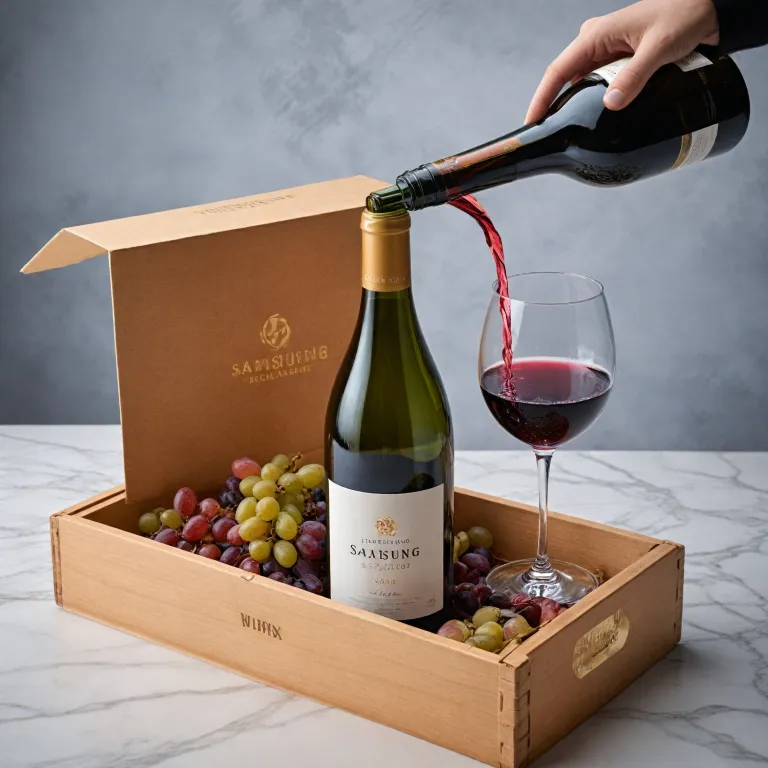
Understanding wine servings: How many glasses in a box of wine?
For travelers and wine enthusiasts planning vineyard visits or events, knowing how many glasses of wine are in a box of wine is essential. The answer depends on the size of the box, the standard serving size, and the type of wine—red, white, or pinot noir. Most boxed wines come in 3-liter or 5-liter formats, which are popular for weddings, group tastings, and extended stays at vineyard estates. A standard wine glass holds about 150 milliliters, and a 3-liter box of wine contains approximately 20 glasses, while a 5-liter box yields around 34 glasses. This makes boxed wine an efficient choice for serving many guests, whether you are hosting a wine tasting or a celebration at a vineyard.
Comparing boxed wine to bottles, a 3-liter box equals four standard bottles of wine, and a 5-liter box is equivalent to nearly seven bottles. This comparison is crucial when planning how many bottles or boxes you will need for your event. For example, a wedding with 100 guests may require several cases of wine, depending on the number of glasses each guest will enjoy. The flexibility of boxed wine allows for easy storage and serving, making it a practical option for both red and white wines. Whether you are pouring pinot noir or a crisp white, understanding the number of glasses per box helps ensure every guest's glass is filled.
When considering bottle sizes, remember that wine bottles and boxes come in various volumes. While a standard bottle is 750 milliliters, boxed wine offers larger quantities in a single package. This is particularly useful for vineyard travel, where guests may sample multiple wines and compare different varietals. The ability to serve many glasses from a single box reduces waste and simplifies logistics, especially when managing wine cases for large groups. For those buying wine by the case, knowing how many glasses each case will provide is vital for budgeting and planning.
Comparing boxed wine and bottled wine for vineyard travel
Boxed wine has gained popularity among travelers and wine lovers for its convenience and value. When exploring wine regions, carrying cases of wine bottles can be cumbersome, especially if you plan to visit several vineyards or host a picnic among the vines. Boxed wine, available in 3-liter and 5-liter options, offers a lightweight and portable alternative. Each box wine can fill many glasses, making it ideal for group outings or extended stays at a vineyard estate.
Red wine, white wine, and pinot noir are commonly available in boxed formats, allowing guests to enjoy a variety of wines without the need to transport multiple bottles. The durability of the box protects the wine from light and air, preserving freshness for weeks after opening. This is particularly advantageous for travelers who may not finish a case of wine immediately. "Yes, boxed wine can last up to 3–4 weeks after opening due to its airtight packaging, whereas bottled wine typically lasts a few days." This extended shelf life ensures that wine will remain enjoyable throughout your journey.
When planning a wedding or large event at a vineyard, calculating how many glasses of wine you will need is straightforward with boxed wine. For example, a 5-liter box provides 34 standard glasses, making it easy to estimate how many boxes or cases are required for your guest list. Many travelers find that buying wine by the case or box offers better value, especially when serving many guests. For more insights on wine travel essentials, visit wine travel tips.
Planning for events: Calculating wine needs for weddings and gatherings
Organizing a wedding or group event at a vineyard requires careful planning, especially when it comes to wine. Understanding how many glasses of wine are in a box of wine helps ensure that every guest is served. For a typical wedding, you may need several cases of wine, depending on the number of guests and the duration of the celebration. A standard case of wine contains 12 bottles, each yielding five glasses, while a 3-liter box provides 20 glasses and a 5-liter box offers 34 glasses.
When selecting wines for your event, consider offering a mix of red wine, white wine, and pinot noir to cater to different preferences. Boxed wine is an excellent choice for large gatherings, as it allows you to serve many glasses without the hassle of opening multiple bottles. This is especially useful for outdoor events, where managing wine bottles and glasses can be challenging. The convenience of boxed wine extends to storage and transportation, making it easier to handle cases of wine for your event.
For those buying wine by the case, it's important to calculate how many bottles or boxes you will need based on the expected number of wine glasses per guest. For example, if each guest is expected to have three glasses of wine, a 5-liter box will serve approximately 11 guests. This calculation helps you determine how many cases of wine or boxes are necessary to fill every glass. For more details on planning wine for events, check out event wine planning guide.
Wine varieties and serving sizes: Red, white, and pinot noir in boxes and bottles
The choice between red wine, white wine, and pinot noir often depends on the occasion and the preferences of your guests. Each variety is available in both bottles and boxed wine, allowing you to select the best option for your event or vineyard visit. The standard serving size for wine is 150 milliliters, regardless of whether you are pouring from a bottle or a box. This consistency makes it easy to calculate how many glasses of wine you will get from each container.
Pinot noir, known for its delicate flavors, is a popular choice for weddings and vineyard tastings. Red wine and white wine are also widely available in boxed formats, offering flexibility for serving many guests. When buying wine by the case, consider the number of bottles per case and the total number of glasses each case will provide. A case of wine typically contains 12 bottles, yielding 60 glasses, while a 5-liter box offers 34 glasses. This information is crucial for planning and ensures that every guest's wine glass is filled throughout the event.
Boxed wine is particularly advantageous for large gatherings, as it allows you to serve many glasses without the need to open multiple bottles. The larger volume of a box reduces waste and simplifies logistics, especially when managing wine cases for events.
Practical tips for buying wine by the case or box
When purchasing wine for travel or events, deciding between bottles, cases, and boxes is a key consideration. Buying wine by the case offers the advantage of variety, as you can select different bottles of red wine, white wine, or pinot noir. However, boxed wine provides greater convenience for serving many glasses, especially in outdoor or group settings. A 3-liter box of wine is equivalent to four bottles, while a 5-liter box matches nearly seven bottles, making it a cost-effective choice for large gatherings.
Consider the number of guests and the expected consumption when choosing between bottles and boxes. For weddings or vineyard events, boxed wine allows you to serve many glasses with minimal effort. The durability and portability of boxed wine make it ideal for travel, as it is less likely to break and easier to transport than cases of wine bottles. When buying wine by the case, check the bottle sizes and the total volume to ensure you have enough wine to fill every glass.
For those planning extended stays at vineyards or hosting multiple events, purchasing wine cases or boxes in bulk can offer significant savings. Many vineyards and wine shops provide discounts for buying by the case, making it an economical option for serving many guests. Always calculate how many glasses of wine each case or box will provide to avoid running short during your event.
Maximizing value: Cost-effectiveness and shelf life of boxed wine
Boxed wine is renowned for its cost-effectiveness and extended shelf life, making it a smart choice for travelers and event planners. The airtight packaging of boxed wine preserves freshness for weeks after opening, unlike bottled wine, which typically lasts only a few days. This feature is particularly beneficial for those who may not finish a case of wine immediately or want to enjoy different wines over time. "Yes, boxed wine can last up to 3–4 weeks after opening due to its airtight packaging, whereas bottled wine typically lasts a few days."
When comparing the cost per glass, boxed wine often provides better value than bottles, especially when serving many guests. A 5-liter box yields 34 glasses, reducing the need to purchase multiple cases of wine. This efficiency is ideal for weddings, vineyard tours, and group tastings, where managing wine bottles can be challenging. The convenience of boxed wine extends to storage, as boxes take up less space than cases of bottles and are easier to transport.
For those concerned about quality, many producers now offer premium red wine, white wine, and pinot noir in boxed formats. The growing popularity of boxed wine reflects its practicality and value, making it a preferred choice for both casual gatherings and formal events. When planning your next vineyard trip or celebration, consider the benefits of boxed wine for serving many glasses with ease.
Expert advice: Serving wine at vineyard events and tastings
Serving wine at vineyard events requires attention to detail, from selecting the right varieties to ensuring every guest receives a perfect pour. Understanding how many glasses of wine are in a box of wine allows you to plan accurately and avoid shortages. For tastings, offering a selection of red wine, white wine, and pinot noir ensures that guests can sample a range of flavors. Boxed wine is particularly useful for large groups, as it simplifies serving and reduces the need for multiple bottles.
When organizing a tasting, calculate the number of glasses each box or case will provide based on the standard serving size. For example, a 3-liter box yields 20 glasses, while a 5-liter box offers 34 glasses. This information helps you determine how many boxes or cases of wine you will need for your event. For weddings and large gatherings, consider offering both bottles and boxes to accommodate different preferences and serving styles.
Wine cases and boxed wine are both excellent options for vineyard travel, depending on your needs. For those seeking variety, buying wine by the case allows you to sample different bottles, while boxed wine offers convenience and value for serving many guests. Always consider the number of guests, the types of wine, and the expected consumption when planning your wine selection. With careful planning, every guest's wine glass will be filled, ensuring a memorable experience at your vineyard event.
Key statistics on wine servings and packaging
- Standard wine serving size: 150 milliliters (5 ounces)
- 3-liter box of wine: approximately 20 glasses
- 5-liter box of wine: approximately 34 glasses
- Standard 750ml bottle of wine: 5 glasses
- Case of wine (12 bottles): 60 glasses
Frequently asked questions about wine servings and packaging
How many glasses of wine are in a standard bottle?
A standard 750ml bottle of wine contains approximately 5 glasses, based on a 5-ounce serving size.
Does boxed wine last longer than bottled wine after opening?
Yes, boxed wine can last up to 3–4 weeks after opening due to its airtight packaging, whereas bottled wine typically lasts a few days.
Are there different sizes of boxed wine available?
Yes, boxed wines come in various sizes, including 1.5-liter, 3-liter, 5-liter, and even larger options.