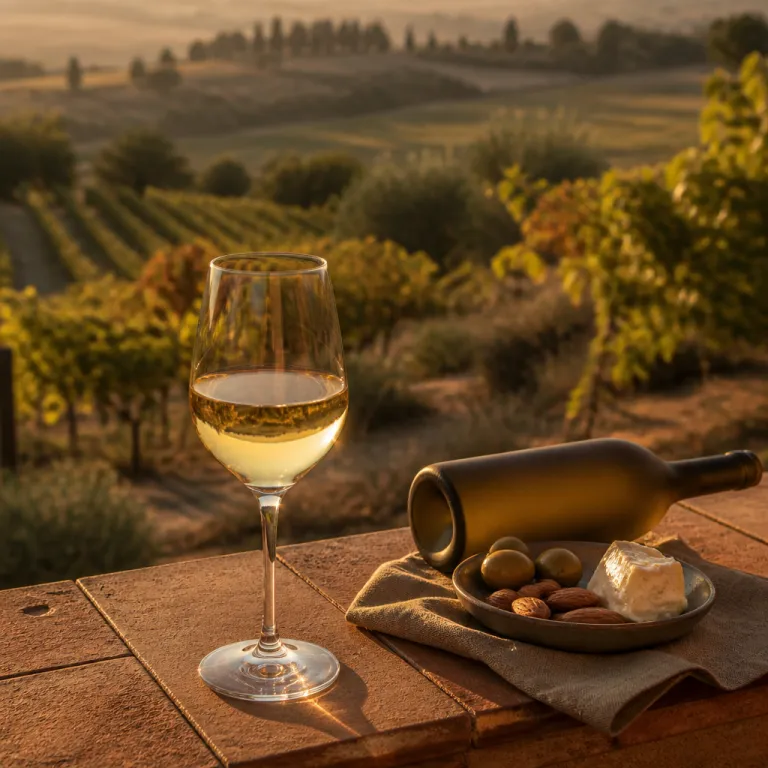
Planning vineyard travel around low acid wine regions
Planning low acid wine travel starts with choosing the right landscapes and grape varieties. Warm climates generally produce grapes with lower natural acidity levels, which suits travelers seeking gentler wines. When you plan a route, balance cellar visits with time to rest your palate so you can enjoy both red wine and white wine throughout the day without fatigue.
Regions such as California’s Lodi, the southern Rhône, Sicily, Puglia, and parts of Mendoza are known for red wines and white wines with softer acid levels. In these warmer climates, grapes ripen more fully, acids decrease, and alcohol can rise, so wines generally feel rounder and less sharp on the tongue. Typical pH values for these wines range from about 3.5 to 3.8, compared with 3.0 to 3.2 in many high acid wines from cooler zones, which helps explain why they taste smoother over long tasting days.
Focus on estates where winemakers openly discuss how they manage acidity and acid levels during cellar tours. Many producers now highlight wines low in sharp acids for wine drinkers who are sensitive to acid or prefer a smoother style. Ask specifically about lower acid red wine selections and gentler white wine flights when booking tastings so staff can tailor the line-up and suggest wines generally made in a softer, less acidic style.
Winemakers in these regions often harvest slightly later to achieve lower acid and a softer texture. They may also encourage malolactic fermentation, which converts harsher malic acid into creamier lactic acid and reduces the wine’s acidic bite. This approach is common in aged Chardonnay and some red wines designed for relaxed, food-friendly drinking, where the goal is a rounded, low acid profile rather than a razor-sharp, high acid edge.
Travelers interested in low acid styles should look for cellar lists featuring Merlot, Grenache, Malbec, Dolcetto, and Zinfandel, which are classic examples of lower acid red wines. For white wines, warm climate Chardonnay, Viognier, Gewürztraminer, and Moscato generally offer lower acid levels than high acid varieties such as Riesling. When tasting, compare these wines to at least one high acid white wine to feel the contrast in acidity, texture, and alcohol balance and to understand how different acid levels shape the overall impression in the glass.
Training your palate to sense acidity on the road
Refining your palate for lower acid wines makes every vineyard stop more rewarding. Acidity is one of the key structural elements in any wine, alongside tannin, alcohol, and sweetness. Learning to read acidity wine sensations will help you pace tastings and avoid palate fatigue, especially when you move between red wines and white wines during a full day of travel.
Start each visit with a simple exercise using both white wines and red wines. Take a small sip, hold the wine briefly, then swallow and focus on how quickly your mouth waters, because high acid wines trigger a strong salivary response. Low acid wines, by contrast, create a softer, slower flow, which feels more comfortable for many travelers over a full day of tasting and helps them distinguish wines low in sharp acids from more angular styles.
Ask hosts to pour the same grape grown in different climates to highlight how temperature shapes acid levels. For example, a cool climate Chardonnay will usually taste more acidic than a warm climate Chardonnay from a sun-drenched valley. This comparison shows how climates influence acids such as tartaric and malic components in the glass and how they affect perceived acidity, even when total acidity and alcohol levels look similar on a technical sheet.
Include at least one tasting where you compare a high acid white wine like cool climate Sauvignon Blanc with a lower acid white wine such as warm climate Chardonnay or Pinot Grigio. Pinot Grigio from warmer zones can show lower acid and a rounder mouthfeel than its crisp northern cousins. Over several stops, you will begin to predict which wines low in sharp acids will suit your taste just by reading the tasting sheet and noting grape, region, and stated alcohol.
To keep your senses sharp, schedule breaks between wineries and avoid rushing from one bar to the next. A helpful guide on pacing your cellar visits can help you design an itinerary that respects your palate and your preferred acidity levels. Hydration, small food pairings, and time in the vineyard air all support better perception of acidity and subtle differences between high acid and lower acid wines, especially when you are comparing several styles in quick succession.
Choosing low acid wine styles in tasting rooms
Once you arrive at a winery, the list of wines can feel overwhelming. Understanding which styles tend to be low acid will help you build a flight that suits your preferences and health needs. This is especially valuable if you are sensitive to acid, prone to heartburn, or simply prefer wines generally made in a softer, less acidic style that still feel refreshing.
For red wine, ask for varieties that are known for softer acidity, such as Merlot, Grenache, Malbec, Dolcetto, and Zinfandel. These red wines generally come from grapes with naturally lower acid levels, especially when grown in warmer climates. When aged in oak, these wines can feel even smoother, with acids integrated into a plush texture that many travelers find easier to sip and more comfortable than very high acid reds.
For white wine, look for warm climate Chardonnay, Viognier, Gewürztraminer, and Moscato, which are often crafted as lower acid white wines. In contrast, high acid white wines like Riesling, cool climate Sauvignon Blanc, and some sparkling wines will taste sharper and more linear. If you enjoy a gentle style, ask staff to highlight white wines low in aggressive acidic components and explain how they manage acid levels in the cellar through harvest timing, malolactic choices, and blending.
Pay attention to how the sweet dry balance affects your perception of acidity. A sweet dry spectrum exists even within low acid wine, where a touch of residual sugar can soften the wine’s acidic edges without making the wine taste sugary. Guides on understanding what is dry wine can clarify how dryness, alcohol, and acidity interact in the glass and why some wines feel rounder than others even when their measured acid levels are similar.
When staff mention technical terms such as wine tartaric acid, tartaric malic balance, or malic citric conversion, ask them to explain how these acids shape mouthfeel. Winemakers are producers who love sharing how they manage acid levels to create wines low in harshness yet still refreshing. Their insights will deepen your appreciation of both low acid red wine and low acid white wine styles during your journey and help you recognize which acid wines will age gracefully.
Food pairing strategies for low acid wines while traveling
Thoughtful food pairing can elevate every glass of low acid wine on your trip. Because acidity acts like a squeeze of lemon in cooking, wines with lower acid behave differently at the table. Matching food and wine carefully will keep both elements in harmony and prevent dishes from making a wine taste more acidic than it really is, especially when alcohol levels are moderate to high.
Low acid red wines such as Merlot or Grenache pair beautifully with grilled meats, roasted vegetables, and mild cheeses. Their softer acidity profile and moderate alcohol levels complement dishes without overwhelming delicate flavors. When red wines are aged in oak, they often gain spice and texture that work well with slow-cooked stews and charcuterie boards, where a gentle, less acidic red wine can feel especially comforting.
For white wines, warm climate Chardonnay and Pinot Grigio with lower acid are excellent with creamy sauces, poultry, and richer seafood. These white wines generally have enough acidity to refresh the palate but not so much that they clash with subtle dishes. In contrast, a high acid white wine style is better suited to fried foods, oysters, or very tangy sauces that need extra cut from the acids in the glass to keep the pairing lively.
When planning meals at vineyard restaurants, ask which dishes the chef recommends with the estate’s wines low in sharp acids. Many kitchens design menus around specific acid wine profiles, balancing salt, fat, and acidity to flatter the glass. This is especially helpful if you are sensitive to acid and want to avoid overly acidic food pairings that might feel harsh with higher acid wines or accentuate the wine acidic impression.
Remember that sauces and dressings can change how wine acidic or soft a pairing feels. A squeeze of lemon or vinegar will make even lower acid wines taste brighter, while creamy textures can soften high acid wines. If you prefer gentle sensations, request dressings on the side and choose grilled or roasted preparations over heavily pickled or citrus-heavy plates so the wine’s natural acid levels remain in balance with the food.
Designing a low acid focused wine route with events and tastings
A well-planned itinerary will let you explore low acid wine without exhausting your senses. Start by mapping regions where warm climates and specific grape choices naturally produce lower acid wines. Then layer in events, tastings, and vineyard walks that highlight both red wine and white wine styles so you can compare different acidity levels and understand how climate, grape, and alcohol interact.
Many wine consumers now seek wines low in sharp acidity for comfort and health reasons. In response, vineyards in warm climates have expanded their offerings of low acid red wines and low acid white wines. This trend has led to a growing number of festivals and open days centered on smooth, approachable wines generally crafted for relaxed enjoyment, often with educational sessions on acidity wine management.
Look for tasting rooms that offer themed flights comparing high acid and lower acid expressions of the same grape. For example, a line-up might include a cool climate Chardonnay alongside a warm climate Chardonnay, or a crisp high acid white wine next to a rounder Pinot Grigio. These side-by-side tastings sharpen your palate and clarify which acidity wine profiles you prefer, from bright and zesty to mellow and low acid.
When planning, consider events that welcome visitors without expensive passes or strict reservations. A curated guide to free tastings and festival hubs can help you find relaxed venues where you can sample acid wines at your own pace. Such events often feature local food trucks, live music, and informal talks on acids wine management and wine tartaric balance, which make the science behind acidity feel accessible.
Throughout your route, alternate days focused on red wines with days centered on white wines to avoid palate fatigue. Include visits to producers who emphasize malolactic fermentation and careful control of tartaric malic and malic citric acids to achieve lower acid textures. This variety keeps your journey engaging while still honoring your preference for wines low in sharp acids and helps you notice how different acid levels influence aging potential.
Talking with winemakers about acidity and health considerations
Conversations with winemakers can transform a pleasant tasting into a masterclass on low acid wine. These producers work daily with grape chemistry, acids, and alcohol, so they understand how each decision affects the final glass. When you ask informed questions, they will often open special bottles or share behind-the-scenes details about how they manage acidity from vineyard to cellar.
Begin by asking how their region’s climates influence natural acidity levels in both red wines and white wines. Warmer climates generally produce grapes with lower acidity, while cooler zones preserve higher acid levels and more angular textures. This simple question invites discussion of harvest timing, grape selection, and cellar techniques used to craft wines low in sharp acids and balanced in alcohol.
Many estates now acknowledge that some wine consumers prefer lower acid wines for comfort or medical reasons. They may explain how malolactic fermentation softens malic acid into lactic acid, reducing the wine’s acidic bite without stripping freshness. Others will describe how they monitor wine tartaric and tartaric malic balance to keep acid levels gentle yet stable during aging, especially in aged Chardonnay and other long-lived styles.
When the conversation turns technical, listen for references to pH, total acidity, and perceived acidity wine sensations. Rather than focusing on exact numbers, pay attention to how the winemaker describes the style, from crisp and high acid to round and lower acid. Market observations suggest that a significant share of drinkers now prefer smoother wines, a trend that has encouraged innovation in wines low in sharp acids and in gentler, aged examples.
Use these discussions to guide your purchases, especially if you plan to age bottles at home. Aged low acid red wine and aged low acid white wine can develop complex flavors while remaining gentle on the palate. As one producer explained when asked about examples and climate influence, “What are examples of low-acid red wines? Merlot, Grenache, Malbec, Dolcetto, Zinfandel. Which white wines are low in acidity? Gewürztraminer, Viognier, Moscato, warm-climate Chardonnay. How does climate affect wine acidity? Warmer climates produce grapes with lower acidity.”
Key figures for low acid wine travel
- Wine chemistry research shows that wines with slightly higher pH and lower total acidity generally taste softer than many high acid wines from cooler regions.
- Wine market surveys indicate that a notable share of consumers prefer lower acid wines, which motivates vineyards in warm climates to expand their low acid red wine and low acid white wine portfolios.
- Producers in warmer regions report ongoing, year-round efforts to select grape varieties and manage harvest dates to keep acidity at comfortable levels for wine consumers sensitive to acid.
- Travel itineraries focused on wines low in sharp acids often highlight three to five tastings per day, which helps visitors maintain palate freshness while exploring both red wines and white wines.
FAQ about low acid wine and vineyard travel
Which red wines are usually lower in acidity for travelers?
Red wines such as Merlot, Grenache, Malbec, Dolcetto, and Zinfandel are generally lower in acidity, especially when grown in warm climates. These grapes produce red wine styles with softer acid levels and smoother textures. They are excellent choices for long tasting days in regions focused on low acid wine and other easy-drinking red wines.
Which white wines tend to be low in acidity on tasting trips?
Warm climate Chardonnay, Gewürztraminer, Viognier, and Moscato often show lower acid than high acid varieties like Riesling or cool climate Sauvignon Blanc. These white wines generally feel round and gentle, making them suitable for wine consumers sensitive to acid. When planning visits, ask wineries which white wine options are crafted as lower acid white wines.
How do warm climates affect acidity in wines?
Warmer climates allow grapes to ripen more fully, which reduces natural acidity levels and raises potential alcohol. As a result, wines from these regions usually have lower acid and a softer mouthfeel than wines from cooler zones. Travelers seeking low acid wine should prioritize sun-drenched valleys and coastal areas with consistently warm growing seasons.
Can I enjoy food pairings with low acid wines during vineyard visits?
Yes, low acid wines pair beautifully with many foods, especially dishes that are grilled, roasted, or creamy rather than highly acidic. Low acid red wines work well with meats and mild cheeses, while low acid white wines suit poultry, richer seafood, and soft cheeses. When dining at estates, ask chefs which plates are designed around the estate’s lower acid wines and which dishes suit brighter, high acid bottles.
How can I protect my palate during a full day of tastings?
To protect your palate, limit the number of high acid wines in each flight and alternate them with low acid options. Drink plenty of water, eat small snacks, and schedule breaks between wineries to let your senses reset. Planning your route with attention to acidity wine profiles will keep the last glass as enjoyable as the first and help you notice how different acid levels shape each wine.