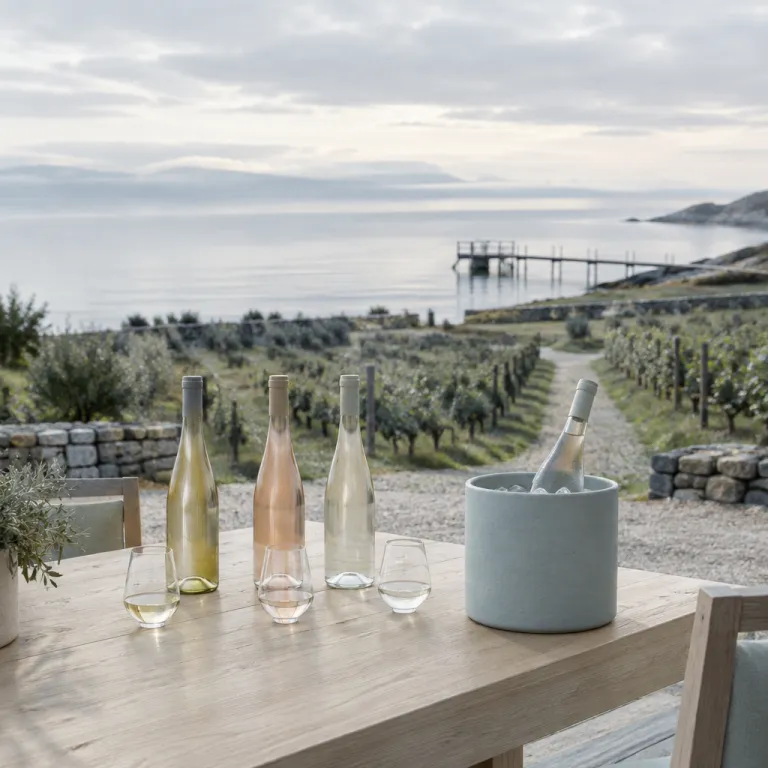
Low-alcohol wine travel: how to plan lighter tasting days
Why low alcohol volume wine belongs on your travel map
Low alcohol volume wine is reshaping how travellers plan vineyard itineraries. Many wine regions now highlight low-alcohol and lower-ABV options, allowing guests to enjoy more tastings with less fatigue and better awareness of alcohol levels. This shift benefits visitors who want to savour several wines in one day while keeping alcohol content and overall intake comfortably low.
In classic destinations such as France, Spain, and Australia, producers are refining fermentation to create wine low in ABV without sacrificing character. Cooler sites, careful harvesting of grapes, and precise control of yeast activity all help maintain modest alcohol while preserving aroma, texture, and a sense of place. For travellers, this means you can compare low-alcohol wines and higher-alcohol wines side by side, understanding how climate and cellar choices shape both style and structure.
Many estates now present dedicated flights of low-ABV wines, often featuring white wines, rosé wine, and lighter red wines. A tasting might move from a dry German Riesling to a medium style Sauvignon Blanc, then to a pale red blend with restrained alcohol by design. Such lineups help you feel the contrast between low ABV and high-alcohol expressions, while guides explain how fermentation length and sugar management influence every glass of wine. During a visit to a family domaine in Alsace, for example, one winemaker summed it up simply: “If guests can taste more and remember more, they will come back.”
Fermentation essentials: how winemakers keep alcohol levels low
Fermentation is the stage where grape sugar becomes alcohol, so it is the key to crafting low alcohol volume wine. When winemakers want lower ABV, they start in the vineyard by choosing grapes with moderate sugar, often from cooler slopes or earlier harvest dates. This ensures that even a complete fermentation will yield alcohol content that remains low, rather than drifting into high-alcohol territory.
Inside the cellar, producers adjust temperature, yeast strains, and timing to fine-tune ABV in both single-wine cuvées and broader ranges of wines. For example, a dry Riesling from Alsace or a German Riesling from the Mosel can be fermented slowly at low temperatures, preserving acidity and aroma while achieving naturally lower alcohol. Travellers exploring terroir-focused regions can read more about this balance in guides to Alsace Grand Cru wines and their shift from varietal to terroir labelling, where discussions of alcohol levels and ripeness are central.
Some estates halt fermentation early to retain a touch of sweetness, creating sweet or medium styles with low ABV that still feel refreshing. Others fully ferment must from Sauvignon Blanc, Pinot Grigio, or Pinot Noir, then use blending to keep alcohol modest while maintaining depth. When you taste these wines at the source, ask how the team balances low-calorie goals, structural freshness, and the risk of higher alcohol in warmer seasons. The International Organisation of Vine and Wine (OIV) has noted that average wine strength has climbed by roughly one percentage point over the past few decades, so many producers now see low-ABV cuvées as a deliberate response to that long-term rise.
Travelling for low alcohol reds: pinot noir and elegant red blends
Travellers seeking low alcohol volume wine in red styles often begin with Pinot Noir. This thin-skinned grape naturally produces red wines with moderate alcohol content, especially in cooler regions where sugar accumulation stays low. When visiting estates, compare a classic Pinot from France with a Pinot Noir from Australia to see how climate can push ABV from lower-alcohol ranges toward higher-alcohol expressions.
Many domaines now craft a red blend specifically aimed at guests who want wine low in alcohol but not low in flavour. In Burgundy, guides may pour a pale red blend alongside a village-level Pinot Noir, explaining how whole-cluster fermentation and gentle extraction keep alcohol restrained while enhancing perfume. A visit to the Côte de Beaune addresses this balance beautifully, and resources such as this refined journey through Volnay premiers crus and Meursault help frame expectations before you arrive.
Outside France, cooler pockets of Australia and Spain are experimenting with low-alcohol red wines that still feel dry, structured, and gastronomic. Winemakers may pick grapes earlier, use partial carbonic maceration, or blend in varieties with naturally lower alcohol potential. When tasting these wines, note how reduced ABV can highlight savoury notes, making each bottle an ideal partner for regional dishes without the weight of very high-alcohol styles. Market data from IWSR shows that no- and low-alcohol products grew by about 7 percent in volume across key markets in 2022, with lighter red wines forming a visible part of that trend in cellar-door lineups.
White, sparkling, and rosé: refreshing styles for daytime vineyard visits
Daytime vineyard travel often calls for white wines, sparkling cuvées, and pale rosé wine with modest ABV. Low alcohol volume wine in these categories allows you to tour cellars, walk among grapes, and enjoy long lunches while keeping alcohol levels manageable. Many estates in France, Spain, and Australia now list ABV clearly on tasting sheets, making it easy to choose lower-alcohol options.
Classic choices include dry Riesling, medium German Riesling, and crisp Sauvignon Blanc, all of which can deliver intense flavour at relatively low alcohol. In coastal regions, Pinot Grigio and other white wines are often harvested early to preserve acidity, resulting in alcohol content that stays moderate while aromas remain bright. Sparkling wines, especially traditional-method cuvées, frequently sit in the lower alcohol range, giving travellers a festive yet gentle way to toast their journey.
Rosé styles also play a major role in the low-alcohol landscape, particularly in sun-drenched regions where visitors crave refreshment. Many producers now craft rosé wine with a focus on low-calorie appeal, moderate alcohol levels, and food-friendly dryness. When tasting flights of these wines, compare low-ABV examples with a single high-alcohol bottle to feel how structure, temperature, and perceived sweetness shift on your palate. Surveys by Wine Intelligence in 2021 found that health, moderation, and calorie awareness rank among the top reasons travellers choose lighter rosé and white wines during holidays.
From france to australia and spain: routes for lighter tasting days
Planning a trip around low alcohol volume wine means choosing regions and estates that prioritise freshness over power. In France, cooler corners of the Loire, Alsace, and Burgundy excel at low-ABV wines, from Sauvignon Blanc to Pinot Noir and delicate red-blend cuvées. Travellers can deepen their understanding of élevage and alcohol levels by reading about how traditional Bordeaux barriques shape wine before visiting cellars that use similar barrels for both low-alcohol and higher-alcohol wines.
Spain offers an exciting contrast, with high plateaux and Atlantic-influenced zones producing wine low in alcohol despite abundant sunshine. Here you might taste dry white wines, pale red wines, and even sparkling styles that keep alcohol content moderate while showcasing native grapes. Guides often explain how altitude, wind, and careful harvest dates allow producers to avoid excessively high alcohol while still achieving full flavour ripeness.
In Australia, the conversation around low-alcohol and lower-ABV wines has accelerated as regions respond to warmer seasons. Cooler maritime zones and elevated vineyards now specialise in Sauvignon Blanc, Pinot Grigio, and Pinot Noir with restrained ABV and a focus on low-calorie appeal. When you visit, ask to compare a low-ABV cuvée with a more traditional high-alcohol bottling, so you can feel how structure, balance, and food pairing possibilities change across the range. Tourism boards in several Australian and Spanish regions now report higher visitor satisfaction scores when tasting rooms clearly present a spectrum of alcohol levels, from very light to full-bodied.
Health, lifestyle, and tasting strategy for low alcohol wine travel
Choosing low alcohol volume wine while travelling is not only about flavour; it is also a lifestyle decision. Many visitors now look for wines that align with wellness goals, preferring lower-alcohol and low-calorie options during multi-day itineraries. By focusing on wine low in ABV, you can enjoy more cellar visits, engage deeply with guides, and still feel fresh for morning walks among the grapes.
Health agencies in Europe and beyond emphasise moderating alcohol content rather than avoiding wine entirely for most adults. When you select low-alcohol cuvées, you effectively reduce total alcohol intake while still experiencing the culture of France, Spain, or Australia through their wines. During tastings, alternate sips of dry, medium, and sweet styles, and always compare low-ABV examples with at least one higher-alcohol bottle to understand how your body responds.
Practical strategies include sharing flights, spitting during technical tastings, and pairing low-alcohol white wines or rosé wine with food to slow absorption. Many estates now highlight award-winning low-ABV wines, from German Riesling to coastal Sauvignon Blanc, giving you clear signposts on the tasting list. By planning your route around these options, you turn each stop into an education in fermentation, balance, and the art of crafting red wines and white wines that respect both pleasure and wellbeing.
Key figures and trends in low alcohol wine
- According to the International Organisation of Vine and Wine, global average wine alcohol content has risen by about one percentage point over recent decades, which makes the current growth of low-alcohol and lower-ABV categories a deliberate counter-trend.
- Market research from IWSR shows that no- and low-alcohol products grew at a faster rate than total alcohol in major markets, with wine low and reduced-ABV styles forming a significant share of this expansion.
- Surveys by Wine Intelligence indicate that health and low-calorie concerns are among the top three reasons consumers choose low-alcohol wines, especially in travel and hospitality settings.
- Producers in cooler regions such as Germany and parts of France report that German Riesling and other aromatic white wines under 11 percent ABV now represent a growing portion of export portfolios.
- Tourism boards in wine regions across Australia and Spain increasingly promote low-alcohol experiences, noting higher visitor satisfaction scores when tastings feature a clear range of alcohol levels.
FAQ about travelling for low alcohol volume wine
What alcohol level counts as low alcohol volume wine when travelling?
Most professionals consider low alcohol volume wine to sit roughly between 5 and 11 percent ABV, with lower-alcohol styles often found in German Riesling, some sparkling wines, and carefully made white wines. Anything above this range moves toward medium or high alcohol, so check labels and tasting sheets during visits. When in doubt, ask staff to point out low-ABV options before you begin your flight.
Which regions are best for low alcohol wine focused trips?
Cool-climate areas of France, such as the Loire and Alsace, are excellent for low-alcohol and lower-ABV wines, especially Sauvignon Blanc and Riesling. Parts of Germany, particularly the Mosel and Rheingau, specialise in German Riesling with naturally modest alcohol content. In the Southern Hemisphere, cooler pockets of Australia and high-altitude vineyards in Spain also offer compelling low-alcohol itineraries.
Can red wines also be low in alcohol?
Yes, red wines can be crafted with low alcohol, especially from varieties like Pinot Noir grown in cooler climates. Winemakers may pick grapes earlier, use gentle extraction, or blend to create a red blend with restrained ABV. When travelling, look for estates that highlight lighter red wines alongside fuller, higher-alcohol bottlings for comparison.
How does low alcohol wine affect food pairing on trips?
Low-alcohol wines often pair very well with regional cuisine because they emphasise acidity and freshness rather than power. Dry and medium styles of white wines, rosé wine, and lighter red wines can handle a wide range of dishes without overwhelming them. During your travels, ask local sommeliers to suggest low-ABV pairings for tasting menus or casual lunches.
Is low alcohol wine always low in calories?
Low alcohol usually means fewer calories, but sweetness also matters, so a sweet low-alcohol wine can still carry more energy than a very dry medium-ABV bottle. Travellers seeking low-calorie options should focus on dry wines with modest alcohol content and clear labelling. When visiting estates, ask staff to explain how residual sugar and alcohol levels combine to influence overall calorie counts.