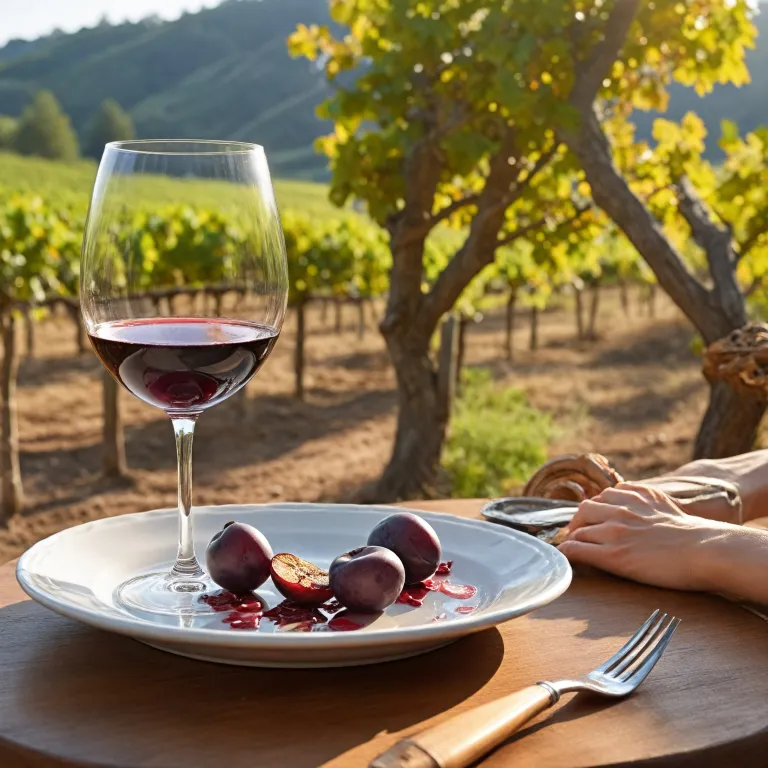
The taste of pinot noir as a compass for vineyard travel
The taste of pinot noir can shape an entire journey through wine regions. When travelers understand how this red grape responds to climate and soil, every glass of red wine becomes a precise guide to place. Pinot noirs invite slow attention, and their subtle flavors reward curious visitors at the cellar door.
This thin skinned pinot grape is famously sensitive, so its wines express terroir with unusual clarity. In cooler sites, the flavor profile leans toward bright red fruits, higher acidity, and a refined, dry structure that feels almost weightless. In slightly warmer vineyards, the same noir grape can yield red wines with riper flavors, silkier tannins, and a more generous wine taste on the palate.
Most travelers first notice how a classic burgundy style pinot noir balances fruit, acidity, and gentle tannin. Typical flavors include cherry, raspberry, cranberry, and sometimes pomegranate, layered with floral notes and a hint of spice. As the wine pinot opens in the glass, the profile often reveals earthy notes, suggesting forest floor, dried leaves, or mushroom.
Acidity is central to the taste of pinot noir, and many benchmark wines sit around a pH of 3.5, which keeps the flavor fresh and food friendly. Alcohol levels often hover near 12.5 % ABV, so even complex, dry red examples feel graceful rather than heavy. For travelers, this combination of moderate alcohol, vivid flavors, and fine texture makes noir wine an ideal companion for long vineyard lunches and extended wine tasting itineraries.
From vineyard to glass: how terroir shapes pinot noir flavors
Understanding terroir is essential for anyone traveling to explore the taste of pinot noir. The same pinot grapes planted in different regions can yield dramatically different wines, from ethereal red wines in coastal zones to more structured styles inland. This makes pinot noir an ideal theme for a multi region wine tasting journey.
In traditional burgundy vineyards, the grape ripens slowly, preserving acidity and delicate red fruit flavors. Here, the flavor profile often shows precise cherry, wild strawberry, and fine spice, with a dry, mineral edge that many travelers consider the best expression of noir pinot. Cooler climate regions elsewhere in the world now emulate this style, using careful viticulture and low intervention vinification to highlight purity.
By contrast, warmer sites can produce pinot noirs with darker fruit flavors, softer acidity, and a slightly richer wine taste. These red wines may show notes of plum, black cherry, and baking spice, while still remaining relatively wine dry compared with many other varieties. For visitors, tasting flights that compare these profiles side by side provide a practical guide to how climate and soil influence flavor.
Terroir also affects how pinot interacts with other regional wines, such as local white wines or sparkling styles. In some cool regions, the same pinot grape contributes to champagne style blends, adding red fruit notes and structure. Travelers interested in refined sweetness can contrast these with late harvest specialties like German ice wine, and a focused article on journeys through frozen vineyards and refined sweetness offers useful context for planning such tastings.
Aging, complexity, and the evolving profile of pinot noir
Time in bottle adds another dimension to the taste of pinot noir, which matters greatly for travelers visiting cellars with older vintages. Young pinot wines usually emphasize fresh red fruit flavors, lively acidity, and a clean, dry finish. With aging, the same red wine gradually shifts toward more complex aromas and textures.
Producers and sommeliers often highlight how a mature noir wine can show subtle earthy notes alongside its fruit. As one expert explanation states, “Aging can introduce earthy notes like truffle and leather, adding complexity to the wine.” In practice, this means that a vertical tasting of pinot noirs from different release dates can feel like walking through the seasons of a single vineyard.
Travelers should pay attention to how the flavor profile changes from bright cherry and raspberry toward dried fruit, undergrowth, and gentle spice. The acidity that once felt brisk in a youthful dry red gradually integrates, giving the wine a smoother, more harmonious wine taste. These aged red wines often pair beautifully with richer dishes, making them ideal for gastronomic itineraries focused on regional cuisine.
Not every pinot noir is intended for long aging, and many estates offer both early drinking and more complex, cellar worthy wines. Tasting both styles helps visitors understand how the same pinot grape can express immediacy and depth. For those who also enjoy softer, fruit forward styles, exploring regional interpretations of sweet red wines can be enlightening, and a detailed piece on sweet red wine experiences provides a useful counterpoint to the typically wine dry character of classic pinot.
Comparing pinot noir with other red and white wines on the road
Travelers rarely taste pinot noir in isolation, so understanding its place among other red wines and white wines enhances every itinerary. Compared with many full bodied red wines, pinot usually feels lighter, with finer tannins and higher acidity. This makes the grape especially versatile at the table, from coastal seafood to game dishes inland.
When tasted alongside a structured dry red such as cabernet, the taste of pinot noir often seems more aromatic and delicate. Its flavors emphasize red fruits, floral notes, and gentle spice rather than dense black fruit and firm tannin. For many visitors, this contrast clarifies why pinot wines are prized for elegance rather than sheer power.
Comparisons with white wine also help travelers refine their palate. A crisp sauvignon blanc, for example, highlights citrus and herbal flavor with pronounced acidity, while a refined pinot noir offers red fruit and earthy notes with similarly refreshing structure. Tasting these side by side during a guided wine tasting session trains guests to recognize acidity, texture, and flavor profile across both white wines and red wines.
Rosé styles add another dimension, especially in coastal vineyard regions where wine rose is a popular warm season choice. Some estates craft pale rosés from pinot grapes, combining red fruit flavors with a dry, refreshing finish that echoes the parent red wine. Travelers who appreciate lighter styles may also explore wine white options from the same producers, comparing how the cellar handles both pinot and other grapes to create a coherent, award winning range.
Food pairing, texture, and the practical side of pinot noir travel
Understanding how the taste of pinot noir interacts with food can guide restaurant choices throughout a vineyard journey. The grape’s moderate body, bright acidity, and red fruit flavors make it exceptionally flexible at the table. As one trusted pairing guideline notes, “Pinot Noir pairs well with dishes like duck, salmon, and mushroom-based recipes.”
In practice, travelers can use this as a simple guide when reading menus in burgundy, coastal regions, or emerging cool climate areas. Dishes featuring duck, game birds, or pork highlight the savory side of noir wine, while salmon and tuna emphasize its delicate fruit and acidity. Mushroom based recipes, from risotto to roasted vegetables, echo the earthy notes that often appear in mature pinot noirs.
Texture matters as much as flavor, especially when comparing dry red styles with softer, sometimes noir sweet interpretations. While classic pinot noir remains firmly wine dry, some regions experiment with slightly off dry or late picked versions that soften the acidity and emphasize ripe flavor. Travelers interested in these variations should ask at the cellar door whether any noir dry and noir sweet cuvées are available for tasting.
Those who enjoy sparkling wines can also explore how pinot contributes to champagne method blends, where the grape adds structure and red fruit notes. In warmer seasons, a chilled glass of wine rose made from pinot grapes can provide a refreshing alternative during long tasting days. For a romantic interlude focused on elegant textures and refined flavors, many travelers appreciate itineraries built around charming rosé vineyard experiences that complement more structured red wine visits.
Planning a pinot focused itinerary and choosing the best bottles
Designing a journey around the taste of pinot noir requires balancing vineyard visits, cellar tastings, and thoughtful bottle selections. Travelers should begin by identifying cooler climate regions where the pinot grape thrives, then mapping estates that offer comparative flights of red wines and white wines. This approach turns each stop into a structured guide to terroir, style, and winemaking philosophy.
When selecting bottles, it helps to taste both entry level and single vineyard pinot noirs at each estate. The former often highlight pure fruit flavors and approachable acidity, while the latter showcase more complex structure and nuanced flavor profile. Asking about viticulture and vinification methods, including any use of whole grapes or minimal intervention techniques, deepens understanding of how the producer shapes wine taste.
Travelers interested in value can look for best selling cuvées that local sommeliers recommend for their balance of quality and price. Many estates now produce award winning wines across several categories, from elegant red wine to vibrant wine white and delicate wine rose. Within these ranges, the most expressive wine pinot often sits alongside a crisp sauvignon blanc or other white wines, allowing visitors to compare house style across grapes.
Finally, consider how many bottles of dry red and other wines you can comfortably transport, especially when flying between regions. Some travelers prioritize a mix of immediate drinking pinot noirs and more age worthy red wines to follow their journey over time. Whether you favor wine dry, structured styles or more fruit forward expressions, thoughtful planning will ensure that each glass of noir wine recalls a specific landscape, cellar, and moment on the road.
Key statistics about pinot noir and its tasting profile
- Typical acidity for quality pinot noir often centers around pH 3.5, supporting freshness and food pairing versatility.
- Alcohol levels for many classic pinot wines commonly sit near 12.5 % ABV, contributing to an elegant, medium bodied profile.
- Growing interest in single vineyard pinot noir expressions continues to rise, especially in cooler climate regions worldwide.
Frequently asked questions about the taste of pinot noir
What foods pair well with pinot noir?
Pinot Noir pairs well with dishes like duck, salmon, and mushroom-based recipes. For travelers, this means that menus featuring game birds, fatty fish, and earthy vegetable dishes are usually safe choices when ordering a glass of red wine. The grape’s acidity and subtle tannins allow it to bridge both lighter and richer plates during a multi course meal.
How does aging affect pinot noir's flavor?
Aging can introduce earthy notes like truffle and leather, adding complexity to the wine. Over time, bright red fruit flavors gradually evolve toward dried fruit, forest floor, and gentle spice, while the structure becomes smoother. During vineyard visits, tasting older and younger pinot noirs side by side helps travelers understand how cellaring transforms both flavor and texture.