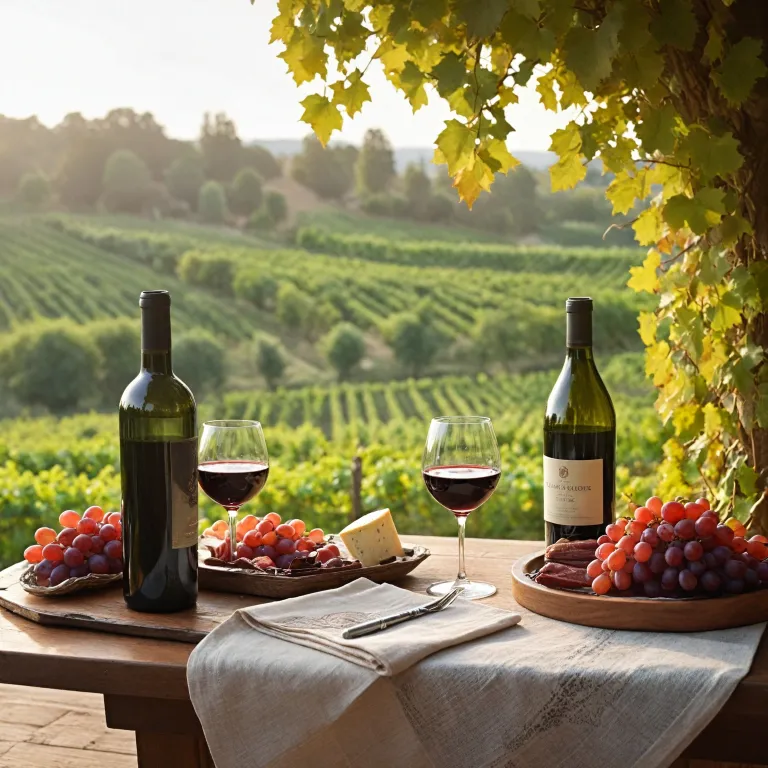
Why red wines served chilled are captivating modern vineyard travelers
Red wines served chilled are reshaping expectations for warm season vineyard travel. Many wine estates now highlight at least one chilled red on tasting flights, and this subtle shift changes how visitors move between cellar doors and outdoor terraces. For travelers, understanding why a red wine can be served chilled unlocks more nuanced choices during a day among the vines.
The main principle is that certain light bodied reds show brighter fruit and softer tannins at a lower temperature. When a red wine is served chilled, usually around 10 to 13 °C, the palate experiences more precision in fruit forward notes and less alcohol heat. This makes a chilled red particularly appealing for picnics between vineyard rows, alfresco lunches, and late afternoon tastings under gentle light.
Not every red is ideal for chilling, and this is where expertise matters during wine travel. Grapes such as gamay and pinot noir often produce chillable reds that remain elegant and balanced when cooled, while a heavily bodied red may taste rigid or muted. Asking your host which red wines are designed as a chillable red option is an excellent way to tailor your route.
Franzia Chillable Red, produced in Ripon, California, is a clear example of this style and is explicitly meant to be served chilled. It is a light bodied red with a modest Alcohol by Volume and a fruit forward profile that suits relaxed, easy drinking moments. For travelers exploring wine regions where this producer is available, it offers a practical reference point for understanding how a red chilled can still feel refined.
Understanding temperature, structure, and the ideal chilled red profile
Temperature is the quiet architect of every red chilled experience during vineyard visits. Traditional advice about serving red wine at room temperature often misleads travelers, because modern indoor climates are warmer than historic cellars. In practice, many light bodied reds taste fresher and more balanced when slightly cooler than the ambient tasting room.
For chillable reds, the ideal serving temperature usually sits between 10 and 13 °C. At this range, a chilled red preserves its fruit forward character while keeping tannins gentle and the palate focused. If the wine is too cold, aromas close down and the taste feels thin, while excessive warmth can make even the best chillable reds feel heavy and imprecise.
Grapes such as gamay and pinot noir are particularly suited to this style, especially when vinified with partial carbonic maceration. This technique often produces easy drinking, light bodied wines with vivid red fruit notes that shine when served chilled. When you encounter tasting notes mentioning carbonic maceration on a cellar door list, it is a strong hint that the red wines may be excellent candidates for chilling red before serving.
Travelers who enjoy structured whites will often appreciate a bodied red that is still refined enough to be a chillable red. Comparing a white wine served at 8 to 10 °C with a red wine chilled just slightly warmer can be an instructive exercise. In cool climate regions, especially those known for elegant pinot noir, many estates now offer guidance on red wines served at different temperatures, sometimes alongside educational tastings that echo the precision of German ice wine journeys through frozen vineyards.
Grapes, styles, and regions that excel with chillable reds
When planning wine and vineyard travel around red chilled experiences, focusing on specific grapes and regions is highly effective. Gamay remains the reference point for many chillable reds, especially in areas where carbonic maceration is common and the wines are intentionally light bodied. These reds often show bright cherry and raspberry notes that feel particularly vivid when the wine is served chilled.
Pinot noir is another essential grape for travelers seeking the best chillable reds in refined settings. In cooler regions, pinot noir can produce red wines with delicate tannins and subtle spice, making them ideal as a chilled red for terrace tastings. Reading tasting room descriptions that highlight fruit forward character, modest alcohol, and gentle structure is a reliable way to identify a bodied red that will respond well to chilling.
Some estates also experiment with other grapes to create a chillable red, including blends that emphasize juicy, easy drinking profiles. These wines served slightly cooler than traditional room temperature can bridge the gap between white wine and more powerful bodied reds. Travelers interested in sweeter expressions may also explore curated experiences such as those dedicated to sweet red wine journeys, which sometimes include chilled red options.
Franzia Chillable Red illustrates how a producer can craft a light bodied red designed specifically for chilling red without sacrificing balance. Its bag in box format keeps the wine chilled for longer periods, which is convenient for picnics among the vines or relaxed evenings after a day of tastings. For travelers, using such a wine as a benchmark helps calibrate expectations when evaluating other chillable reds in more traditional vineyard settings.
Practical chilling techniques for vineyard picnics and tasting room elegance
Executing the perfect red chilled service during travel requires simple but precise techniques. In tasting rooms, professionals often cool light bodied reds in a refrigerator before service, then allow a few minutes in the glass for the temperature to rise slightly. This gentle approach ensures that the palate perceives both freshness and aromatic complexity in the chilled red.
For vineyard picnics, travelers can place a chillable red in an insulated bag with ice packs for about thirty minutes. This method usually brings the wine to an ideal temperature range where fruit forward notes emerge clearly and tannins remain supple. If the bottle feels too cold to the touch, letting it warm briefly in the shade helps restore balance, especially for more bodied reds.
Bag in box formats, such as those used for Franzia Chillable Red, offer additional advantages for wine chilled on the move. The packaging protects the wine from light and oxygen, while the tap system allows small pours that keep the remaining red wine chilled inside. This is particularly useful when alternating between white wine, rosé, and chillable reds during a long afternoon among the vines.
In tasting rooms, do not hesitate to ask staff whether a specific red wine should be served chilled or closer to room temperature. Many estates now design dedicated flights featuring chillable red selections, sometimes contrasting wines served chilled with the same reds tasted slightly warmer. “What is Franzia Chillable Red?” and “How should I serve Chillable Red?” and “What foods pair well with Chillable Red?” are questions that illustrate how producers guide guests toward the best chillable experiences.
Food pairings and the art of matching chilled red with vineyard cuisine
Food pairings are central to the pleasure of red wines served chilled during vineyard travel. Light dishes such as salads, grilled vegetables, and simply prepared chicken often harmonize beautifully with a light bodied chilled red. The cooler temperature sharpens the palate, allowing fruit forward notes to cut through gentle richness without overwhelming delicate flavors.
Gamay based chillable reds, especially those shaped by carbonic maceration, pair well with charcuterie, soft cheeses, and picnic fare. Their easy drinking style and modest tannins make them flexible partners for varied food pairings across a long lunch. Pinot noir, particularly when vinified as a chillable red, can complement dishes featuring mushrooms, duck, or lightly spiced cuisine, especially when the wine is served chilled but not icy.
Travelers who usually favor white wine with food may find that a red wine chilled to just above white service temperature offers a satisfying alternative. Comparing a chilled red with a similar dish served alongside a more bodied red at room temperature can be an instructive tasting exercise. This contrast highlights how temperature influences taste, structure, and the perception of acidity in both red wines and whites.
In many vineyard restaurants, sommeliers now curate lists that clearly indicate which reds are best served chilled. Look for descriptions emphasizing light bodied structure, bright acidity, and fruit forward character, as these often signal the best chillable options. When planning itineraries, consider estates that offer gastronomic experiences, where a carefully chosen chilled red can elevate regional cuisine as effectively as any classic pairing.
Designing a red chilled focused vineyard itinerary with confidence
Thoughtful planning allows travelers to weave red chilled experiences seamlessly into vineyard itineraries. Begin by identifying regions known for gamay, pinot noir, and other grapes that produce light bodied, easy drinking reds. Many estates in these areas now highlight chillable reds on their websites, making it easier to select visits that align with your palate.
During tastings, ask specifically which red wines the estate recommends served chilled, and note any references to carbonic maceration or fruit forward styles. Comparing a chilled red with a more bodied red from the same producer reveals how grape variety, winemaking, and temperature interact. For deeper understanding of pinot, resources such as an elegant guide to the taste of pinot noir can enrich your perspective before or after the visit.
Balancing tastings of white wine, rosé, and chillable reds helps prevent palate fatigue during long days among the vines. Alternating between wines served chilled and those closer to room temperature keeps the experience dynamic and educational. Recording brief notes about temperature, taste, and food pairings in a travel journal will refine your sense of which bodied reds you prefer in a chilled format.
Finally, consider including at least one relaxed picnic or terrace lunch centered on a carefully chosen chilled red. Whether you select a local gamay, a refined pinot noir, or a widely available reference such as Franzia Chillable Red, focus on the interplay between light, temperature, and the surrounding landscape. This approach transforms the simple act of enjoying wine chilled into a coherent, memorable theme for your vineyard journey.
Key statistics about chilled red wine trends for travelers
- Franzia Chillable Red has an Alcohol by Volume of 9 % per serving, which positions it among lighter bodied reds suitable for extended, easy drinking occasions.
- A standard 150 ml pour of Franzia Chillable Red contains approximately 107 calories, making it a relatively moderate choice for travelers mindful of intake during multi course vineyard meals.
- Producers recommend serving Franzia Chillable Red at approximately 10 to 13 °C, a range that aligns with best practices for many chillable reds worldwide.
Essential questions travelers ask about red wines served chilled
What is Franzia Chillable Red?
Franzia Chillable Red is a light bodied red wine crafted to be served chilled, offering a fruit forward profile that suits relaxed, easy drinking moments during warm weather vineyard travel. Its structure and modest alcohol make it a practical benchmark for understanding how a chilled red can remain balanced and refreshing. Travelers often use it as a reference when evaluating other chillable reds in more traditional estate settings.
How should I serve Chillable Red?
Chillable Red should be cooled in a refrigerator until it reaches roughly 10 to 13 °C, then poured into standard wine glasses rather than very small tumblers. Allowing the chilled red a few minutes in the glass helps aromas open while preserving the refreshing palate. If the wine feels too cold, gently warming the bowl of the glass with your hand will quickly bring it toward the ideal temperature.
What foods pair well with Chillable Red?
Chillable Red pairs gracefully with light dishes such as salads, grilled chicken, and simple vegetable preparations that echo the wine’s fruit forward character. It also works well with charcuterie, soft cheeses, and casual picnic fare, especially when served chilled during outdoor vineyard experiences. For travelers, this flexibility makes a chilled red an excellent companion for both informal lunches and relaxed evening meals after a day among the vines.