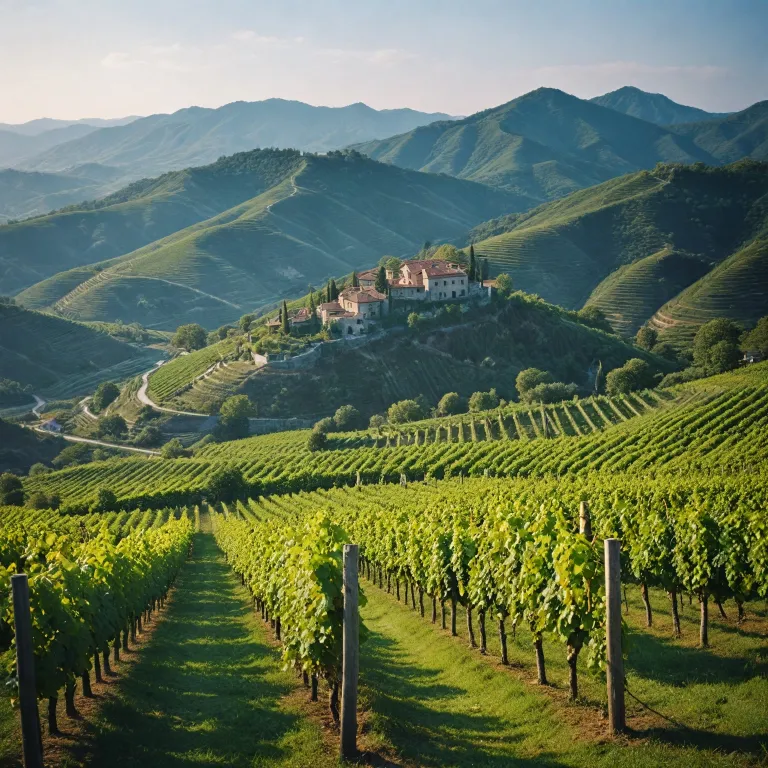
The heritage of sparkling wine from Italy: regions and traditions
Italy’s sparkling wine heritage is rooted in centuries-old traditions and a mosaic of regions. From the rolling hills of Veneto, home to the celebrated prosecco, to the sunlit vineyards of Piedmont where asti and moscato thrive, each area brings a unique expression to Italian sparkling wines. The Franciacorta region in Lombardy is renowned for its metodo classico, producing some of the best sparkling wines in the country. Northern Italy, with its cool climate, is especially suited for cultivating grapes that yield crisp, vibrant sparkling wines. The diversity of terroirs and grape varieties, such as glera for prosecco and pinot noir for Franciacorta, ensures that every sparkling wine from Italy offers a distinct sensory experience. The tradition of second fermentation, whether by the Charmat method or traditional method, is central to the creation of these effervescent wines. Italian sparkling wine is not just a beverage; it is a reflection of regional pride and meticulous craftsmanship. The region’s producers have elevated sparkling wines to international acclaim, with award winning bottles gracing tables worldwide. Whether you are sampling a red wine from Piedmont or a white wine from Lombardy, the story of Italian sparkling is one of innovation and respect for heritage. The rise of prosecco rosé and the enduring popularity of asti spumante highlight the adaptability and creativity of Italian winemakers. Today, sparkling wines from Italy are celebrated for their quality, diversity, and approachability, making them a staple for both casual gatherings and grand celebrations.
Understanding the methods: Charmat and metodo classico in Italian sparkling wines
The production of sparkling wine from Italy relies on two principal methods: the Charmat method and the metodo classico. The Charmat method, widely used for prosecco and moscato d’asti, involves conducting the second fermentation in large pressurized tanks. This technique preserves the fresh, fruity aromas of the grape, resulting in sparkling wines that are lively and approachable. In contrast, the metodo classico, employed in regions like Franciacorta, mirrors the traditional Champagne process, with the second fermentation taking place in the bottle. This method yields sparkling wines with greater complexity, fine bubbles, and a creamy texture. Both methods are essential to the Italian sparkling wine landscape, offering consumers a spectrum of styles from crisp and aromatic to rich and layered. The choice of method is often dictated by the grape variety and the desired profile of the wine. For example, prosecco, produced primarily from the glera grape, shines with the Charmat method, while Franciacorta’s blend of chardonnay and pinot noir excels with the metodo classico. Italian sparkling wines, whether white, red, or rosé, are crafted with precision and attention to detail. The price of these wines can vary significantly, reflecting the complexity of production and the prestige of the region. For those seeking the best Italian sparkling experience, exploring both Charmat and metodo classico wines is essential. To deepen your understanding of the nuances between these methods, visit our comprehensive guide to Italian sparkling wine production techniques. The innovation and expertise of Italian winemakers ensure that each bottle, from the best selling prosecco to the refined Franciacorta, delivers a memorable tasting journey.
Key regions for sparkling wine from Italy: Veneto, Piedmont, and Lombardy
Veneto, Piedmont, and Lombardy are the pillars of Italian sparkling wine production. Veneto is synonymous with prosecco, the best selling sparkling wine from Italy, produced in the picturesque hills between Conegliano and Valdobbiadene. The region’s unique microclimate and soils contribute to the fresh, floral character of prosecco wines. Piedmont, in northern Italy, is celebrated for its asti and moscato d’asti, both produced using the Charmat method. These wines are known for their aromatic intensity and delicate sweetness, making them favorites for festive occasions. Asti spumante and moscato asti, both bearing the prestigious DOCG designation, are benchmarks for quality in Italian sparkling wines. Lombardy’s Franciacorta region stands out for its metodo classico sparkling wines, crafted from chardonnay, pinot noir, and pinot bianco grapes. Franciacorta wines are often compared to Champagne for their elegance and complexity, yet they retain a distinctly Italian identity. The region’s commitment to quality is evident in its rigorous production standards and the award winning status of many of its wines. Red wines and white wines from these regions also contribute to the diversity of Italian wine, but it is the sparkling wines that have captured global attention. For a curated selection of the best Italian sparkling wines, explore our Italian wine recommendations. The synergy between tradition and innovation in these regions ensures that every bottle of sparkling wine from Italy is a testament to the country’s vinicultural excellence.
Grape varieties and styles: from prosecco to moscato and beyond
The grape varieties used in Italian sparkling wines are as diverse as the regions themselves. Prosecco is crafted primarily from the glera grape, which imparts fresh apple and pear notes to the wine. Franciacorta relies on chardonnay and pinot noir, grapes that lend structure and finesse to the metodo classico style. Asti and moscato d’asti are produced from the moscato bianco grape, celebrated for its aromatic intensity and floral bouquet. Red sparkling wines, though less common, are made from indigenous varieties such as brachetto and lambrusco, offering a unique twist on the Italian sparkling tradition. White wines and white sparkling wines dominate the market, but rosé styles, including prosecco rosé, are gaining popularity for their vibrant color and delicate fruit flavors. The best Italian sparkling wines often bear the DOCG label, signifying strict adherence to quality standards. Moscato asti and asti docg are prized for their balance of sweetness and acidity, making them ideal companions for desserts or light appetizers. The price of Italian sparkling wines varies, with options ranging from accessible everyday bottles to premium, award winning selections. Food wine pairings are integral to the Italian wine experience, with sparkling wines complementing a wide array of dishes. Whether you prefer a crisp white wine, a fruity red wine, or a refreshing rosé, the world of Italian sparkling wines offers something for every palate.
Experiencing Italian sparkling wine: vineyard tours and regional festivals
Immersing yourself in the world of sparkling wine from Italy is best achieved through vineyard tours and regional festivals. The Prosecco Road in Veneto offers visitors a chance to explore picturesque vineyards, meet passionate winemakers, and taste prosecco wines at their source. In Lombardy, the Franciacorta Festival is a celebration of metodo classico sparkling wines, featuring guided tastings, cellar visits, and food wine pairings. Piedmont’s harvest season is an ideal time to experience the production of asti and moscato d’asti, with local producers opening their doors to enthusiasts. These immersive experiences provide a deeper understanding of the traditions, techniques, and people behind Italian sparkling wines. Award winning wineries often offer exclusive tastings of their best selling labels, allowing visitors to appreciate the nuances of each grape and region. The rise of cocktail culture has also seen Italian sparkling wines featured in innovative drinks, further expanding their appeal. Red wines and white wines from these regions are showcased alongside sparkling selections, highlighting the versatility of Italian wine. The price of vineyard tours varies, but the insights gained are invaluable for anyone seeking to appreciate the artistry of Italian sparkling wine. For those unable to travel, many wineries now offer virtual tastings and online experiences, bringing the world of Italian sparkling wines to your home. Whether you are a seasoned connoisseur or a curious newcomer, exploring the vineyards and festivals of Italy is an unforgettable journey into the heart of sparkling wine culture.
Market trends and global impact: Italian sparkling wines on the world stage
Italian sparkling wines have achieved remarkable success on the global stage, with production surpassing one billion bottles. Prosecco remains the best selling sparkling wine from Italy, accounting for a significant share of exports to markets such as the USA and UK. The growing popularity of prosecco rosé and the increased use of Italian sparkling wines in cocktails reflect changing consumer preferences. Award winning producers continue to innovate, introducing new styles and expanding the range of grapes used in sparkling wine production. The price of Italian sparkling wines remains competitive, making them accessible to a broad audience. Red wines and white wines from Italy also benefit from the international spotlight, but it is the sparkling wines that drive much of the country’s export growth. The introduction of moscato asti and asti docg to new markets has further enhanced the reputation of Italian wine. The region’s commitment to quality, as overseen by regulatory bodies such as the Prosecco DOC Consortium and Consorzio per la Tutela del Franciacorta, ensures that consumers receive authentic, high-quality wines. As one expert notes, “Prosecco is an Italian sparkling wine made primarily from Glera grapes using the Charmat method, resulting in a fresh and fruity profile. Champagne is a French sparkling wine produced from Chardonnay, Pinot Noir, and Pinot Meunier grapes using the traditional method, leading to a more complex flavor.” The future of Italian sparkling wines is bright, with continued growth, innovation, and global recognition on the horizon.
Statistics: Italian sparkling wine production and market highlights
- Total Italian sparkling wine production in 2024: 1.015 billion bottles (Uiv-Ismea Wine Observatory)
- Prosecco DOC bottling figures in 2024: 660 million bottles (Prosecco DOC Consortium)
- Percentage of Italian PDO wine production represented by Prosecco DOC: 25% (Prosecco DOC Consortium)
Frequently asked questions about sparkling wine from Italy
What is the difference between Prosecco and Champagne?
Prosecco is an Italian sparkling wine made primarily from Glera grapes using the Charmat method, resulting in a fresh and fruity profile. Champagne is a French sparkling wine produced from Chardonnay, Pinot Noir, and Pinot Meunier grapes using the traditional method, leading to a more complex flavor.
How should Italian sparkling wines be served?
Italian sparkling wines are best served chilled, between 6-8°C (43-46°F), in a flute glass to preserve the bubbles and enhance the aroma.
Are there different sweetness levels in Italian sparkling wines?
Yes, Italian sparkling wines range from 'Brut' (dry) to 'Demi-Sec' (semi-sweet), catering to various taste preferences.
References:
Prosecco DOC Consortium
Consorzio per la Tutela del Franciacorta
Consorzio dell'Asti DOCG