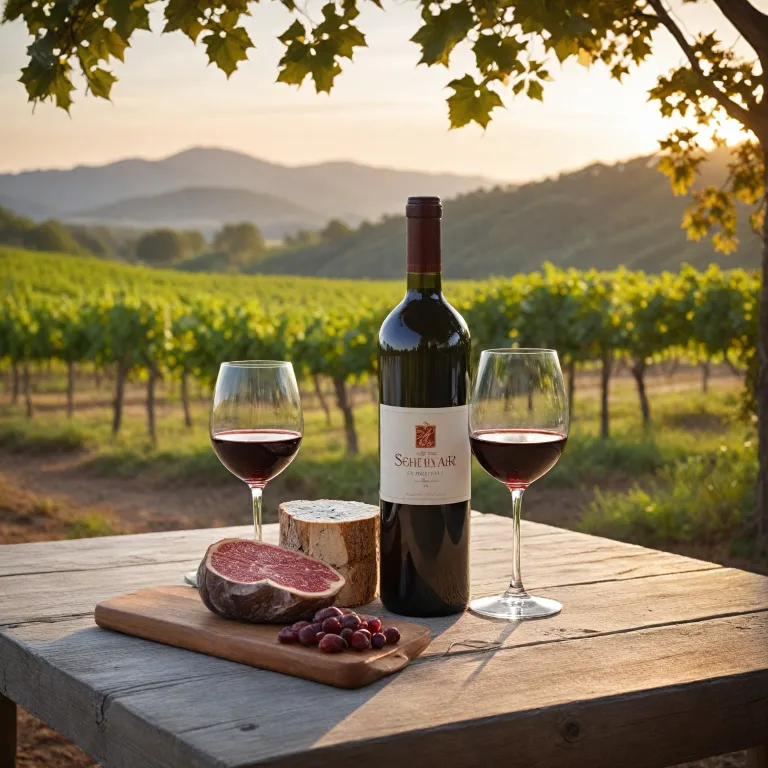
Understanding cabernet sauvignon wine pairing on the road
Cabernet sauvignon sits at the heart of many wine focused journeys. This red wine is renowned for firm tannins and bold flavors that shape every pairing decision. When travelers plan vineyard routes, they often build itineraries around cabernet based tastings and food experiences.
The grape thrives in many valley landscapes, from napa valley to sonoma and beyond. Each valley cabernet expresses different fruit flavors, oak influence, and savory notes that affect which dishes work best. Understanding how these wines behave in the glass helps you choose the best food pairing in tasting rooms and vineyard restaurants.
Cabernet sauvignon typically shows black fruit, hints of oak, and structured tannins. These tannins interact with red meat, hard cheeses, and rich sauces in ways that can either elevate or overwhelm flavor. Thoughtful wine pairing turns a simple plate of beef or lamb into a memorable travel moment.
On the road, visitors often compare cabernet, merlot, and pinot noir flights. Each red has a distinct flavor profile, yet cabernet sauvignon remains the benchmark for powerful red wine. Knowing how pairing cabernet with local dishes works allows you to appreciate regional cooking methods and terroir together.
In many cellar doors, hosts explain why cabernet franc or sauvignon blanc appears alongside sauvignon cabernet on tasting lists. These wines highlight contrast in body, acidity, and fruit flavors that refine your palate. As you shop cabernet at winery boutiques, you can already imagine which food and cheese will pair best back home.
From napa valley to sonoma: regional nuances in cabernet pairing
Wine travelers quickly notice how napa valley cabernet differs from sonoma expressions. In napa, cabernet sauvignon often shows intense black fruit, higher alcohol, and generous oak. These bold wines demand equally robust dishes, especially grilled red meat with rich jus or butter.
Across the hills, sonoma cabernet can feel slightly fresher, with brighter fruit flavors and more herbal notes. This style of red wine pairing works beautifully with lamb, game, and earthy vegetable dishes. When pairing cabernet in both regions, pay attention to tannins, as they dictate how the wine interacts with fat and protein.
Many estates pour merlot and cabernet side by side to illustrate structure. Merlot usually offers softer tannins and rounder flavor, which pairs well with leaner dishes and creamy sauces. Cabernet based blends, by contrast, shine with charred meats, aged hard cheeses, and blue cheese that can match their power.
Travelers who love nuanced reds often schedule a dedicated pinot noir tasting day. Comparing pinot noir with sauvignon cabernet deepens your understanding of body, acidity, and flavor profile. For more context on refined red wine pairing, an elegant guide to pinot noir wine pairing with food around the world provides helpful benchmarks for lighter styles.
In both napa valley and sonoma, wineries emphasize that successful wine pairing is about balance. Hosts frequently remind guests that “Cabernet Sauvignon is a bold red wine that pairs well with rich, fatty meats and hard cheeses.” This simple principle guides decisions from tasting room snacks to multi course vineyard dinners.
Mastering tannins, flavor profile, and cooking methods
Understanding tannins is essential for any cabernet sauvignon wine pairing during vineyard travel. Tannins create structure and a drying sensation, especially in young red wines. Fatty food, particularly red meat, softens this texture and lets black fruit flavors emerge more clearly.
When pairing cabernet with beef or lamb, cooking methods matter as much as the cut. Grilling, roasting, and slow braising all influence the final flavor profile on the plate. A sauvignon grilled steak with a charred crust will highlight smoky oak notes in the wine, while braised dishes emphasize softer fruit flavors.
Cabernet based wines aged in oak often show vanilla, spice, and toast. These notes pair best with dishes featuring similar flavors, such as pepper crusts, roasted garlic, or smoked salt. In contrast, very delicate food can be overwhelmed, so reserve sauvignon wine for meals with enough richness and intensity.
Vegetarian travelers can still enjoy thoughtful wine pairing with cabernet sauvignon. Hearty plates like mushroom ragù, lentil stews, or eggplant Parmesan provide the density and umami that pairs well with firm tannins. For lighter meals or seafood, many wineries suggest shifting to sauvignon blanc, whose freshness suits more delicate dishes.
As you refine your palate, pay attention to how different cooking methods change the interaction between wine, tannins, and flavor. A guide to sauvignon blanc wine pairing for elegant vineyard journeys can help you contrast white and red strategies. This awareness makes every future pairing cabernet decision more confident, whether you are in a valley tasting room or at home.
Cheese, blue cheese, and beyond: elevating cabernet on vineyard tables
Cheese boards have become central to wine tourism, especially in regions famous for cabernet sauvignon. Hard cheeses such as aged cheddar or Comté stand up to bold red wines. Their fat content softens tannins, while nutty flavor notes echo the complexity of oak aged cabernet.
Blue cheese offers a different but equally compelling wine pairing option. Its salty intensity and creamy texture can contrast beautifully with black fruit flavors in sauvignon cabernet. Many travelers find that a carefully chosen blue cheese pairs well with both single vineyard cabernet and cabernet based blends.
When planning a vineyard picnic, mix cheeses that highlight different aspects of the wine. Hard cheeses emphasize structure, while semi soft styles reveal fruit flavors and subtle spice. Include a small portion of blue cheese to test how far the cabernet sauvignon can stretch across the flavor spectrum.
Cheese focused tastings also provide a chance to compare red wine with whites. Sauvignon blanc, for example, can shine with goat cheese and fresh curd, while cabernet franc may suit washed rind cheeses. Observing how each wine pairing changes with the same cheese plate deepens your understanding of balance and intensity.
In many cellar doors, staff encourage guests to shop cabernet after tasting through these combinations. They often suggest specific cheeses or dishes that will pair best once you return home. This practical advice transforms a simple purchase into a planned experience, linking vineyard memories with future meals.
Practical tips for cabernet sauvignon wine pairing while traveling
Travelers often juggle tight schedules, so efficient cabernet sauvignon wine pairing strategies are invaluable. Start by noting the dominant flavor profile of each wine you taste. Is it driven by black fruit and oak, or does it lean toward fresher fruit flavors and herbal notes ?
Use this quick assessment to guide your food choices in winery restaurants and nearby bistros. Bold, tannic red wine will usually pair best with red meat, lamb, or richly sauced vegetarian dishes. Softer cabernet based wines, or blends with merlot, can handle grilled poultry, charcuterie, and medium strength cheeses.
Pay attention to serving temperature and glassware, as they influence flavor and tannins. Learning the art of holding a wine goblet for an elevated tasting experience can subtly enhance aroma perception. This matters when you compare sauvignon wine from different valley estates, because small details reveal important differences.
When in doubt, ask tasting room staff for pairing cabernet suggestions tailored to local specialties. They understand which cooking methods the regional chefs favor and how these interact with tannins. Many will propose specific dishes that pairs well with their flagship cabernet sauvignon, from sauvignon grilled steaks to slow cooked stews.
Finally, remember that wine pairing is both science and personal preference. Use guidelines about red wines, oak, and flavor to frame your choices, but trust your palate. As you shop cabernet along your route, imagine not only the food, but also the setting where you will open each bottle.
Designing a cabernet focused vineyard itinerary
Building a cabernet centered itinerary allows you to experience wine, food, and landscape as a coherent whole. Start with regions where cabernet sauvignon is a flagship, such as napa valley or key sonoma appellations. Map visits to estates that highlight different soil types, altitudes, and valley exposures.
At each stop, pay attention to how the winery presents its sauvignon cabernet alongside other wines. Some emphasize vertical tastings of older and younger red wine, while others compare cabernet franc, merlot, and pinot noir. This structure helps you understand how tannins evolve and how fruit flavors shift with age.
Plan at least one meal per day that focuses on thoughtful wine pairing. Choose restaurants or winery tables known for working closely with local producers of beef, lamb, and hard cheeses. Ask how their cooking methods, from grilling to slow roasting, are designed to pair best with the region’s cabernet based wines.
Include time for educational experiences, such as blending workshops or guided tastings on tannins and oak. These sessions often explain why “The fat content in foods softens the tannins in Cabernet Sauvignon, creating a smoother taste experience.” Hearing this principle in context makes it easier to apply during future travels.
Round out your journey with visits to producers of sauvignon blanc or other whites, which provide contrast and refresh the palate. As you shop cabernet at the end of each day, note which dishes or cheeses pairs well with each bottle. Over time, your personal notes become a tailored guide to cabernet sauvignon wine pairing across different valleys and countries.
Key statistics on cabernet sauvignon and tannins
- Global cabernet sauvignon vineyard area covers approximately 340000 hectares worldwide, reflecting its central role in red wine production and tourism.
- The average tannin content in cabernet sauvignon is around 0.5 g/L, a level that significantly influences food pairing choices with red meat and hard cheeses.
Essential questions about cabernet sauvignon wine pairing
What foods pair best with Cabernet Sauvignon?
Rich, fatty meats like beef and lamb, as well as hard cheeses, pair well with Cabernet Sauvignon.
Why does Cabernet Sauvignon pair well with fatty foods?
The fat content in foods softens the tannins in Cabernet Sauvignon, creating a smoother taste experience.
Can Cabernet Sauvignon be paired with vegetarian dishes?
Yes, hearty vegetarian dishes like eggplant Parmesan can complement the boldness of Cabernet Sauvignon.
References
- International Organisation of Vine and Wine (OIV)
- Wine Spectator
- Wine Institute