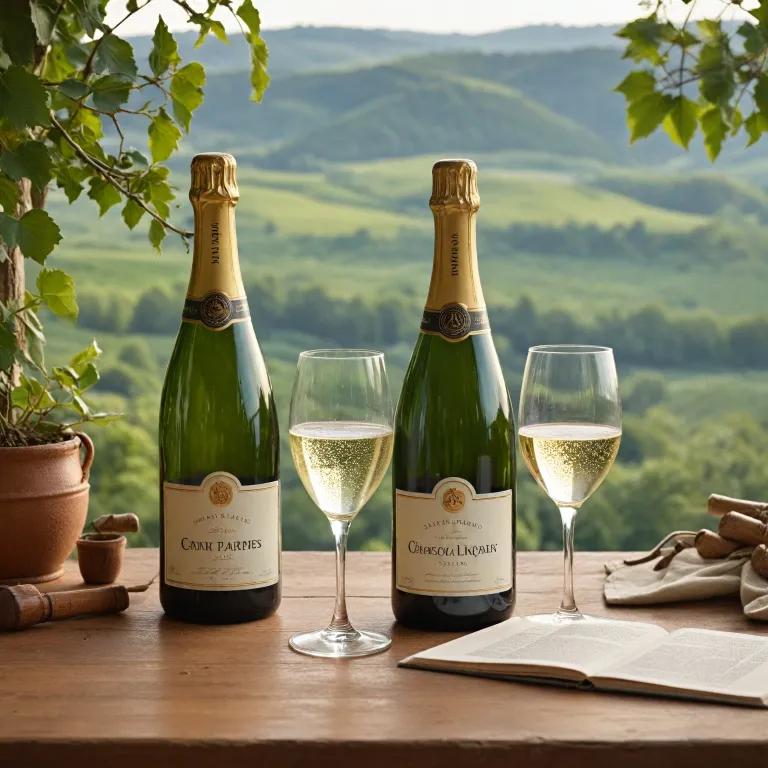
Understanding what is the difference between champagne and sparkling wine
Many wine travelers ask what is the difference between champagne and sparkling wine when planning a vineyard itinerary. The answer begins with geography, because champagne is legally tied to a specific region in the northeast of France with chalk rich soils and a cool climate. Only wines produced there, under strict rules, may carry the name wine champagne on the label.
Beyond region, the production method shapes every glass of champagne sparkling wine. Producers must follow the traditional method, also called the methode champenoise, which requires a secondary fermentation in the same bottle that reaches your table. This slow fermentation in bottle traps carbon dioxide naturally, creating fine bubbles and a complex flavor profile that many travelers associate with celebration.
When you ask champagne what makes it unique, grape varieties are central to the story. Most bottles blend chardonnay, pinot noir, and pinot meunier grapes, although some vintage champagne expressions highlight a single grape for added character. These classic grape varieties ripen slowly in the cool champagne region, preserving acidity that keeps the wines dry, refreshing, and age worthy.
For visitors exploring wine sparkling styles worldwide, it helps to compare these rules with other sparkling wines. In Italy, prosecco usually relies on the Charmat method, where secondary fermentation happens in tanks rather than each individual bottle. In Spain, cava often mirrors the traditional method, yet uses different grapes and terroirs, proving that sparkling wines can be diverse while still sharing a love of bubbles.
Production method, fermentation, and the character of the bubbles
To understand what is the difference between champagne and sparkling wine, focus on how the bubbles are created. In the traditional method, winemakers start with a still base wine, then add sugar and yeast to trigger secondary fermentation inside each sealed bottle. As yeast consumes the sugar, carbon dioxide dissolves into the wine, building pressure and forming the delicate sparkling texture prized by many travelers.
This meticulous production method demands time, labor, and careful cellar work. Bottles rest on their lees for many months, sometimes years, which deepens the flavor profile with notes of brioche, nuts, and subtle spice. The result is a style of wine sparkling that feels creamy on the palate, with tiny persistent bubbles that lift aromas and extend the finish.
Other sparkling wines use different techniques that shape both bubbles and taste. Prosecco typically employs pressurized tanks for secondary fermentation, producing a more straightforward fruity sparkling wine with softer bubbles and a lighter body. Cava often follows the same methode champenoise as champagne, yet its grape varieties and warmer climate give a distinct Mediterranean accent to its sparkling wines.
Travelers interested in eco friendly cellar tours can also explore how fermentation choices intersect with sustainability. Many estates now combine the traditional method with low intervention farming, as highlighted in guides to eco friendly vineyard visits and sustainable wine country experiences. Whether you prefer champagne sparkling or another style, understanding the underlying method helps you read labels, plan tastings, and appreciate each glass more fully.
Grapes, sweetness levels, and how labels guide your tasting
When travelers ask what is the difference between champagne and sparkling wine, grape varieties and sweetness levels often cause confusion. Champagne traditionally relies on chardonnay, pinot noir, and pinot meunier grapes, while other sparkling wines may feature local grapes or international favorites. For example, prosecco is usually based on glera, and cava often blends macabeo, parellada, and xarel·lo, giving each region its own signature character.
Sweetness is another key factor, and the label terms matter during tastings. Most champagne sparkling bottles are labeled brut, meaning the wine is dry with only a small amount of residual sugar to balance acidity. You may also encounter extra dry, which despite the name is slightly sweeter than brut, while some sparkling wines range from bone dry styles to lusciously sweet dessert expressions.
Understanding these terms helps you choose the right wine sparkling for each travel moment. A brut champagne pairs beautifully with oysters or salty snacks, while a fruit forward prosecco suits aperitif hours on a sunny terrace. Cava offers versatile options, from crisp dry wines for tapas to richer styles that complement roasted dishes during vineyard lunches.
As you explore sustainable estates, you will notice how grape choices and sugar levels intersect with farming philosophies. Many producers featured in resources on sustainable winemaking practices that elevate vineyard travel aim for balanced wines that express terroir rather than sweetness. Reading labels carefully, and asking about grapes and production method, turns each tasting into a more informed and rewarding experience.
From france to the world: regions shaping sparkling styles
Geography sits at the heart of what is the difference between champagne and sparkling wine for the traveling enthusiast. Champagne belongs exclusively to the champagne region of France, where cool temperatures, chalky soils, and strict regulations define every bottle. This combination of climate and rules means that champagne sparkling wines tend to show high acidity, fine bubbles, and a refined flavor profile.
Beyond France, many regions craft their own expressions of wine sparkling styles. Northern Italy’s prosecco hills produce fresh, aromatic sparkling wines that highlight orchard fruit and floral notes, often at more accessible prices than vintage champagne. Spain’s cava zones, especially in Catalonia, use the traditional method to create structured wines that can age gracefully while still offering excellent value.
New World regions such as California, Australia, and parts of South America now contribute significantly to global sparkling production. Some estates emulate the methode champenoise, using pinot noir and chardonnay grapes to craft serious sparkling wines with long lees aging. Others experiment with local grape varieties and alternative production method choices, giving travelers a wide spectrum of styles to explore during vineyard tours.
For those planning itineraries, combining classic France visits with emerging regions can be especially rewarding. Articles on romantic journeys through Santa Barbara vineyards show how coastal climates also suit high quality bubbly. Comparing champagne, cava, prosecco, and other sparkling wines side by side deepens your understanding of how region, grapes, and method intertwine in the glass.
Serving, storing, and enjoying sparkling wines while traveling
Knowing what is the difference between champagne and sparkling wine also helps you serve them correctly on the road. Temperature matters greatly, because overly cold bottles mute aromas while warm ones lose their refreshing edge. Aim to chill champagne sparkling and other sparkling wines to around 8–10 °C, using an ice bucket with water and salt for efficient cooling.
Opening an open bottle of bubbly requires both care and confidence. Hold the bottle at a slight angle, keep a firm grip on the cork, and twist the bottle rather than the cork to release pressure slowly. This technique preserves carbon dioxide and prevents wine from gushing, allowing the bubbles to remain fine and persistent in the glass.
Once opened, a sparkling wine loses pressure gradually, so a quality stopper is essential during long vineyard picnics. Re sealing the bottle helps maintain the sparkling texture for several hours, though even the best closure cannot fully preserve the original bubbles overnight. When traveling, consider half bottles for smaller groups, reducing waste while still enjoying wine champagne or other styles at their best.
Glassware also influences the tasting experience, especially for complex traditional method wines. Flutes showcase bubbles beautifully, yet a tulip shaped glass often reveals more of the flavor profile in mature champagne or serious cava. Whatever your choice, pour gently along the side of the glass to protect the mousse and highlight what sparkling wines can offer in terms of aroma, texture, and length.
Price, prestige, and how to choose the right sparkling for your trip
Travelers often associate champagne with luxury, which raises questions about what is the difference between champagne and sparkling wine in terms of price. Several factors contribute to higher costs, including limited vineyard land in the champagne region, labor intensive production, and long aging requirements. By contrast, many sparkling wines from other regions use more efficient methods or larger scale vineyards, resulting in more approachable prices.
When comparing brut champagne to a dry prosecco or cava, think about the occasion and your menu. A complex vintage champagne, with extended secondary fermentation and aging, suits milestone celebrations or gastronomic dinners. Meanwhile, a fresh, fruit driven sparkling wine can be perfect for casual terrace gatherings, beach picnics, or relaxed tastings during a countryside tour.
Label terms such as brut, extra dry, and dry guide your choices, but personal preference remains paramount. Some travelers love the razor sharp acidity and mineral notes of traditional method wines, while others prefer the softer bubbles and ripe fruit of tank fermented styles. Tasting widely, and noting which grape varieties and regions you enjoy, will refine your palate over time.
Expert producers emphasize that “Champagne is a sparkling wine produced exclusively in the Champagne region of France using specific grape varieties and the traditional method.” This legal protection means that “No, only sparkling wines from the Champagne region of France can legally be called Champagne.” Remembering these definitions helps you navigate wine lists confidently, whether you are visiting historic French cellars or exploring emerging sparkling destinations worldwide.
Key statistics about champagne and sparkling wine
- Percentage of global sparkling wine production attributed to Champagne : 8 % of worldwide output comes from this prestigious region.
- Minimum aging period for non vintage Champagne : at least 15 months on lees before release to the market.
- Minimum aging period for vintage Champagne : a minimum of 36 months of maturation to develop complexity.
Essential questions travelers ask about champagne and sparkling wines
What makes Champagne different from other sparkling wines?
Champagne is a sparkling wine produced exclusively in the Champagne region of France using specific grape varieties and the traditional method. This combination of protected origin, strict production rules, and classic grapes such as chardonnay and pinot noir sets it apart from other sparkling wines. Many regions craft excellent bubbly, yet only those meeting these criteria may use the name Champagne.
Can sparkling wine be called Champagne?
No, only sparkling wines from the Champagne region of France can legally be called Champagne. International agreements and national laws protect this designation to preserve quality standards and regional identity. When traveling, respect these distinctions on labels, and enjoy each sparkling style for its own authentic character.
What are common grape varieties used in Champagne production?
The primary grape varieties are Chardonnay, Pinot Noir, and Pinot Meunier. Each contributes different elements to the final wine, from structure and red fruit to citrus notes and elegance. Tasting single variety cuvées during cellar visits can reveal how these grapes shape the personality of Champagne.