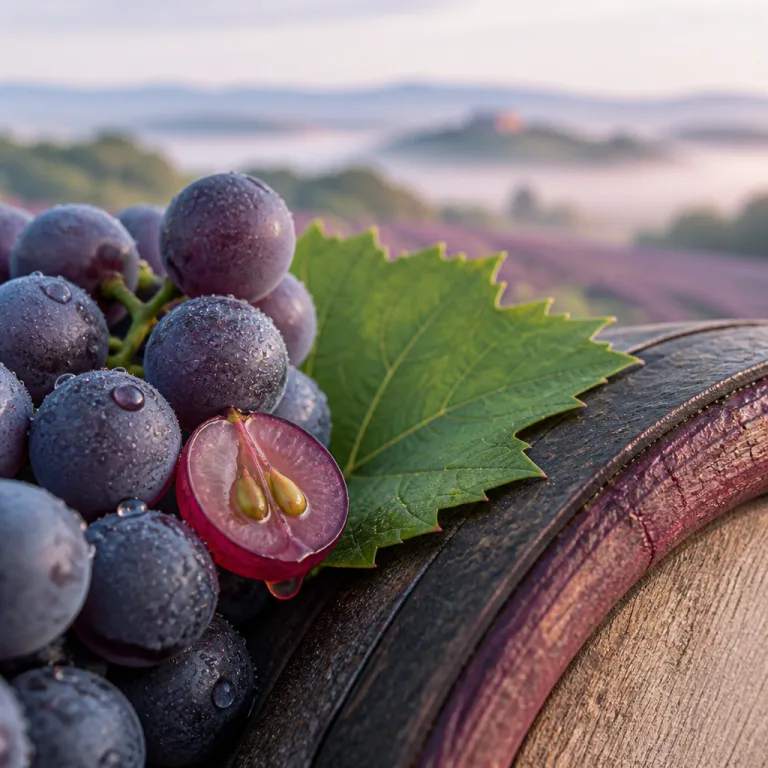
Why red Italian wine belongs at the heart of your next vineyard journey
Red Italian wine is not just a drink; it is a lens through which you can read landscapes, families, and centuries of craft. When you travel through Italy for wine, you move from one red to another, watching how each region translates its grapes into a different accent in the glass. These Italian red expressions turn a simple tasting into a narrative that links soil, climate, and culture in a way no other travel theme quite matches.
Across Italy, more than half of all wines produced are red wines, and this dominance shapes the character of most wine regions you will visit. Official data from the Italian National Institute of Statistics (ISTAT) and CREA (the Council for Agricultural Research and Economics) indicate that in recent years roughly 55–60% of national production has been red or rosé wine, which means that vineyard routes in central Italy, northern hills, and southern coasts are all primed for travellers who care about structured reds. This focus on red Italian wine also explains why so many estates now offer tailored wine club memberships, cellar tours, and food pairing experiences built specifically around their signature reds.
When planning a journey, think in terms of grapes and styles rather than only famous labels, because that approach reveals the full spectrum of Italian wines. Sangiovese, Nebbiolo, and Montepulciano are not just names on a bottle; they are actors that define entire landscapes and travel itineraries. By following these grapes from one region to another, you will understand why Italian wine culture feels both unified and astonishingly diverse at the same time.

Tuscan reds on the road: from sangiovese hillsides to super Tuscan coasts
Tuscany is the natural starting point for any trip focused on red Italian wine, because this Tuscan region has built its reputation on Sangiovese in all its nuanced forms. Classic Chianti, elegant Brunello di Montalcino, and modern Super Tuscan blends each show a different face of this versatile grape. Travelling between these vineyards, you will taste how altitude, soil, and distance from the sea transform the same grapes into very different reds.
In the hill towns of central Italy, estates pour Chianti Classico that often leans toward dry red styles with bright acidity, ideal for pairing with local dishes such as bistecca alla fiorentina or aged pecorino. Around Greve in Chianti, wineries like Castello di Ama and Castello di Querceto offer guided tastings that typically start around €25–€35 per person and can be reached in about 45 minutes by car from Florence. Further south around Montalcino, Brunello di Montalcino wines become deeper and more structured, with longer aging that justifies a higher price and rewards patient travellers who schedule vertical tastings at estates such as Biondi-Santi or Castiglion del Bosco, usually 1.5–2 hours’ drive from Florence.
Along the coast near Bolgheri, Super Tuscan wines introduce Cabernet Sauvignon and sometimes Merlot into the blend, creating Italian red wines that feel closer to Bordeaux in structure yet remain unmistakably Tuscan in character. Producers such as Tenuta San Guido and Ornellaia anchor this area, where tastings often start around €40–€60 and can be combined with a scenic drive from Siena or Pisa in roughly 90 minutes. If you enjoy exploring other European reds, you may appreciate how Tuscan wines compare with the elegant southern French reds described in this guide to Côtes Catalanes wine travel, especially when you alternate structured reds with a single, well-chosen palate-cleansing white such as a local Vermentino on warm afternoons.
Beyond Tuscany: nebbiolo, montepulciano, and the art of regional contrast
Leaving Tuscany, your red Italian wine journey should bend north toward Piedmont and east toward Abruzzo, because contrast is what makes Italian wines unforgettable. In Piedmont, Nebbiolo rules the hills of Barolo and Barbaresco, producing red wines that are pale in colour yet intensely structured, with tannins that demand time and thoughtful food pairing. Travellers who appreciate slow, contemplative tasting will find these Nebbiolo-based reds among the best expressions of Italian red character.
In the Langhe, estates such as Gaja, Vietti, and Pio Cesare offer tastings that often start around €35–€50, with Barolo and Barbaresco villages about one hour by car from Turin. Many wineries require reservations and limit visitor numbers, so planning at least a week ahead is wise during harvest. Further south along the Adriatic, the Montepulciano grape shapes the identity of Abruzzo, where Montepulciano wines tend to be generous, dark, and approachable in youth, often at a more accessible price than many Piedmont icons. Visiting cellars near towns like Loreto Aprutino or Montepulciano d’Abruzzo producers such as Masciarelli and Valentini, you will often taste both pure Montepulciano reds and a blend that might include Sangiovese, giving you a practical lesson in how grapes interact in the glass.
These contrasting wine regions show how red Italian wine can move from ethereal Nebbiolo to plush Montepulciano without ever leaving the same country. As you travel, you will notice that many estates also pour a local dry white as a simple palate reset between flights, especially in coastal areas where seafood is central to the cuisine. For travellers interested in broader red wine narratives, it is instructive to compare these Italian wines with the evolution of Malbec and other reds in southwestern France, as outlined in this article on Cahors and Bordeaux’s organic revival.
Planning tastings: from della Valpolicella to central Italy’s coastal estates
Thoughtful planning turns a simple tour of wineries into a coherent red Italian wine itinerary that respects geography, driving times, and tasting stamina. In the Veneto region, the hills of Valpolicella, often labelled as della Valpolicella on bottles, offer a spectrum from light, unoaked reds to powerful Amarone made from partially dried grapes. A day moving from fresh della Valpolicella wines to richer red wines gives you a clear sense of how winemaking methods can transform the same grape varieties into dramatically different styles.
Base yourself in Verona and plan a loop through villages such as Fumane, Negrar, and Marano di Valpolicella, where estates like Allegrini, Tommasi, and Masi host tastings typically priced from €20–€30. Most wineries lie within 30–40 minutes’ drive of the city, allowing you to schedule two or three visits per day with time for lunch in a local trattoria. From there, many travellers head south into central Italy, where coastal estates in regions such as Lazio and Marche balance red and white wines in their portfolios. Around Rome, for example, Frascati and the nearby Castelli Romani hills are less than an hour’s drive and offer relaxed tastings that can be combined with city sightseeing.
On the Adriatic side, Marche estates near Conero or Offida often pour an Italian red blend that includes Cabernet Sauvignon alongside Sangiovese, followed by a refreshing local white served with seafood. This mix of dry red and dry white options allows you to adapt your tasting to the time of day, the weather, and your planned food pairing at nearby trattorie. When booking tastings, pay attention to whether the estate offers structured flights that compare different grapes, such as Sangiovese versus Montepulciano, or vertical tastings of the same red wine across multiple vintages. Such experiences deepen your understanding of how Italian wine evolves in the bottle and why some award-winning labels command a higher price. Many estates now integrate wine club options into these visits, allowing you to receive curated selections of both red wines and white wines at home, extending the memory of your central Italy journey long after you leave the vineyard.
Food pairing on the road: elevating red Italian wine with local cuisine
One of the greatest pleasures of travelling for red Italian wine is the chance to taste each glass alongside the dish it was born to accompany. In Tuscany, a structured Chianti or Brunello di Montalcino finds its best pairing with grilled meats, game, and aged cheeses, where the wine’s acidity cuts through richness and the tannins soften with each bite. Moving north to Piedmont, Nebbiolo-based reds shine with truffle dishes and braised meats, while Barbera, with its higher acidity, pairs beautifully with tomato-based sauces.
Along the Adriatic coast, Montepulciano wines often meet hearty lamb dishes or rustic stews, yet many trattorie will also pour a local white wine or dry white option with seafood antipasti before you move to reds. In Veneto, della Valpolicella wines in their lighter styles can accompany cured meats and simple pasta, while richer Amarone calls for slow-cooked dishes or even dark chocolate desserts. Travellers who enjoy both red wines and white wines will appreciate how a crisp Sauvignon Blanc or Pinot Grigio can frame a meal, preparing the palate for a more powerful Italian red later in the evening.
Across Italy, thoughtful pairing is not a marketing exercise but a daily habit, and you will see how locals instinctively match each bottle to the food on the table. When you sit down in a family-run osteria, ask which Italian wine the staff drink with that particular dish, because their answer often leads to the best and most authentic experience. “What food pairs well with Italian red wines? Pasta, grilled meats, aged cheeses, and hearty stews.”
Collecting, shipping, and joining wine clubs during your Italian journey
As you travel through Italy, it becomes tempting to turn every memorable tasting of red Italian wine into a bottle for your home cellar. Many estates now offer on-site shipping services, allowing you to send mixed cases of Italian wines, including both reds and white wines, directly to your address with clear information about customs and total price. When selecting bottles, think about balance in your collection, choosing a mix of immediate-drinking reds and structured Italian red wines that will reward aging.
Joining a wine club while on the road can be a strategic way to maintain a connection with your favourite wine regions after you return home. Some Tuscan estates curate shipments that alternate between Super Tuscan blends, classic Sangiovese-based red wines, and occasional dry white bottles such as Pinot Grigio or Sauvignon Blanc for seasonal drinking. In northern regions like Veneto and Piedmont, wine club memberships may focus on della Valpolicella selections, Nebbiolo-based reds, and even a few award-winning labels that rarely leave the local market.
For travellers who also appreciate refined whites, it can be enlightening to complement your Italian wine collection with benchmark European whites, such as those from Burgundy, which are explored in depth in this article on an elegant journey into Burgundy white wine. Comparing these white wines with Italian dry white styles sharpens your palate and highlights what makes each region unique. Over time, your shelves will tell the story of your journeys, with each bottle of red wine or white wine acting as a tangible memory of a vineyard, a conversation, and a landscape.
Key figures for travellers exploring red Italian wine
- Italy cultivates around 350 indigenous grape varieties according to the Italian National Research Council (CNR), which means that travellers can taste an unparalleled diversity of grapes, from Sangiovese and Nebbiolo to Montepulciano, within relatively short driving distances.
- Approximately 55–60% of Italy’s total wine production is red or rosé wine, based on aggregated data from ISTAT and CREA, so visitors focusing on red Italian wine will find that most major wine regions offer extensive options for tastings, tours, and food pairing experiences built around reds.
- Italy is divided into 20 administrative regions, and all of them produce wine in some form, which allows travellers to design itineraries that combine cultural highlights with visits to both famous and lesser-known wine regions without leaving the country’s borders.
- Harvest typically runs from late summer to early autumn across Italy, and this period offers the most dynamic vineyard experiences, with grape picking, fermentation in stainless steel tanks, and the first aromas of new red wines filling cellars.
- Global interest in Italian wines has been rising steadily, and the expected impact of current efforts to preserve indigenous grapes and promote regional identities is an enhanced appreciation and demand for Italian red wines worldwide, which benefits both travellers and local producers.
FAQ about travelling for red Italian wine
What are the main red wine regions in Italy for travellers?
The most important regions for red Italian wine travel include Piedmont for Nebbiolo-based wines, Tuscany for Sangiovese in Chianti and Brunello di Montalcino, Veneto for della Valpolicella and Amarone, Sicily for Nero d’Avola, and Puglia for Primitivo. Each of these wine regions offers structured tasting routes, cellar visits, and food pairing experiences. Together they provide a comprehensive overview of Italian red styles from north to south.
Which Italian red wines are most renowned among visitors?
Travellers most frequently seek out Barolo and Barbaresco from Piedmont, Chianti Classico and Brunello di Montalcino from Tuscany, Amarone della Valpolicella from Veneto, and Nero d’Avola from Sicily. These red wines are considered benchmarks for their respective grapes and regions, and many estates producing them offer guided tastings in English. Booking ahead is recommended, especially during harvest and peak holiday periods.
What food pairs best with Italian red wines during a trip?
Classic food pairing options for Italian red wines include pasta with tomato-based sauces, grilled or roasted meats, aged cheeses, and hearty stews. In coastal areas, you might start with a white wine such as Pinot Grigio or Sauvignon Blanc alongside seafood, then move to a dry red with meat courses. Local restaurants usually know which Italian wine from nearby estates best complements each dish on the menu.
When is the best time to visit Italian vineyards focused on red wines?
The most engaging period for red Italian wine travel is from late summer through early autumn, when harvest takes place and cellars are active with fermentation. Spring can also be attractive, with fewer crowds and the release of new red wines and white wines from the previous harvest. Winter visits offer quieter, more intimate tastings, though vineyard landscapes will be less lush.
Can travellers easily ship Italian red wines home from vineyards?
Many estates across Italy provide international shipping services, allowing visitors to send mixed cases of Italian wines, including both reds and whites, directly to their home countries. Costs and regulations vary, so it is wise to ask about shipping options, total price, and customs requirements during your tasting. Joining a wine club can also simplify logistics by arranging regular shipments of curated bottles after your trip.