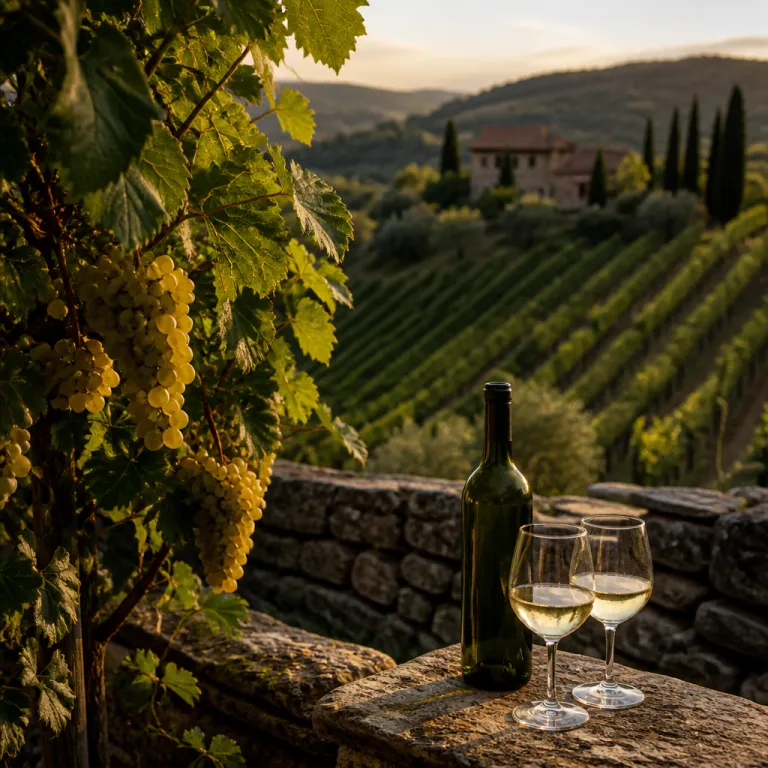
Why white wines from Italy belong on every vineyard itinerary
Italian white wines shape some of the most refined vineyard journeys. When you plan a trip around white wines from Italy, you connect landscapes, grape varieties, and local tables in one seamless experience. These whites reward travelers who care about terroir, food, and culture in equal measure.
Across Italy, more than 350 indigenous grape varieties contribute to a mosaic of styles, a figure often cited by the Italian Ministry of Agriculture and research bodies such as CREA (for example, CREA’s national vine register and the Ministry’s viticultural statistics). Italian winemakers combine traditional methods with modern stainless-steel vinification to craft white wines that feel precise, vibrant, and gastronomic. Wine enthusiasts visiting different regional landscapes can taste how each white grape responds to altitude, soil, and sea breezes.
For the traveler, the best Italian itineraries weave together several Italian wines in one route. You might taste a mineral-driven white wine in the north before moving south for richer, sun-soaked whites. Each stop offers new tasting notes, from citrus and stone fruit to saline, herbal, or almond-edged profiles.
Many visitors arrive knowing only Pinot Grigio and perhaps a familiar Chardonnay. Once on the ground, they meet Soave, Verdicchio, Greco di Tufo, and Vernaccia di San Gimignano, each Italian white with its own story and food pairing. The contrast between these wines makes a focused journey through white wines from Italy especially rewarding.
Across the country, producers use stainless-steel tanks to preserve freshness in delicate whites, while others experiment with oak barrels, concrete, or extended lees contact to add texture and complexity to certain Italian wine styles. This diversity allows travelers to compare crisp, linear whites with creamier, more structured wines in a single day of visits.
Wine production here is not a seasonal curiosity but a year-round activity. Ancient vineyards sit beside modern wineries, where grape varieties both native and international are carefully monitored. As you move from cellar to cellar, you see how each grape variety is handled to highlight its natural fruit, acidity, and aromatic notes.
Northern elegance: alto Adige, Friuli Venezia, and Trentino Alto Adige
In the alpine north, white wines from Italy reach a striking level of purity. Alto Adige, Friuli Venezia Giulia, and Trentino-Alto Adige offer some of the best Italian landscapes for travelers who love cool-climate whites. Steep slopes, dramatic peaks, and precise viticulture create wines with piercing freshness and detailed tasting notes.
Alto Adige is renowned for its Pinot Grigio, Chardonnay, and Sauvignon Blanc, each white wine shaped by altitude and diurnal temperature swings. Here, stainless steel is widely used to protect delicate aromatics, while some Chardonnay and Pinot see partial oak for extra depth. Visitors can taste multiple Italian white wines in one village, comparing how different grapes respond to the same mountain-influenced terroir. Producers such as Cantina Terlano and Alois Lageder offer well-organized tastings that showcase these contrasts.
Friuli Venezia Giulia, often shortened to Friuli Venezia, has become a reference point for serious Italian wines. The region excels with Pinot Grigio, Friulano, and refined Sauvignon Blanc, producing whites that balance ripe fruit with saline, mineral edges. Many wineries welcome travelers for structured tastings, where each bottle is presented with clear tasting notes and suggested food pairings. Estates like Livio Felluga or Jermann often illustrate how careful vineyard work and low yields translate into layered, ageworthy whites.
Trentino-Alto Adige, sometimes labeled simply Trentino or Alto Adige on maps and labels, offers a compact but varied landscape. Here, grape varieties such as Pinot Grigio, Chardonnay, and local whites thrive on well-drained, stony soils. Cycling between vineyards allows visitors to appreciate how quickly the scenery shifts while the quality of the wines remains consistently high. Cooperative cellars such as Cavit or smaller family-run estates provide accessible introductions to the region’s styles.
For travelers who already appreciate refined Chardonnay, it is worth reading a dedicated guide to good chardonnay brands for vineyard travel before arriving. This context helps you compare Italian Chardonnay with expressions from other countries during your tastings. You will notice how Italian wine producers often favor tension and gastronomic balance over overt ripeness in these whites.
In these northern regions, bottles often highlight specific grape variety names on the label. This practice makes it easier for wine enthusiasts to track which grape varieties they prefer as they move from winery to winery. By the end of a few days, many travelers find themselves newly loyal to certain whites they had barely heard of before visiting.
Veneto and beyond: soave, pinot grigio, and classic appellations
Veneto is where many travelers first encounter white wines from Italy in a serious way. The region stretches from the shores of Lake Garda to the Adriatic, offering a wide range of Italian wines and landscapes. For vineyard travel, it combines accessible infrastructure with authentic wine culture.
Soave remains one of the most important Italian white appellations for visitors. Centered around medieval villages and volcanic hills, the Soave area produces whites from the Garganega grape, often blended with small amounts of other grapes. Within this zone, Soave Classico marks the historic hillside vineyards, where lower yields and older vines often translate into more concentrated wine. Producers such as Pieropan or Inama are frequently cited benchmarks for this style.
Travelers tasting Soave and Soave Classico side by side quickly notice differences in structure and tasting notes. Wines from the flatter plains tend to be lighter and more straightforward, with simple citrus and white-fruit profiles. Bottles from the Classico hills show deeper texture, almond nuances, and a longer finish that pairs beautifully with local seafood and risotto.
Pinot Grigio from Veneto has long been a global ambassador for white wines from Italy. On site, however, visitors often find more characterful Pinot Grigio than they expect, with better-defined fruit and clearer regional identity. Tasting Pinot Grigio from different subzones allows you to see how soil and microclimate influence this widely planted white grape. Look for labeled subregions and single-vineyard bottlings to understand how serious producers treat this familiar variety.
From Veneto, many travelers extend their route to neighboring regions that specialize in other Italian white styles. A focused itinerary might link Soave, Gavi, and Verdicchio, creating a journey through three distinct grape varieties and culinary traditions. Each stop offers new perspectives on how Italian wine culture adapts to local conditions while maintaining a shared heritage.
For a broader overview of how these whites fit into the national picture, consult a dedicated guide to Italian white wines for refined vineyard journeys across Italy. This type of resource helps you prioritize which regions to visit first based on your preferred tasting notes and travel style. It also clarifies how classic appellations like Soave Classico sit alongside emerging areas in the hierarchy of Italian wines.
Central Italy: vernaccia di San Gimignano, verdicchio, and hilltop towns
Central Italy offers a different expression of white wines from Italy, shaped by rolling hills and historic towns. Here, vineyard travel often combines art, architecture, and gastronomy with focused tastings of regional whites. The pace is slower, and the connection between village life and wine feels especially intimate.
In Tuscany, Vernaccia di San Gimignano stands out as a benchmark Italian white. The vineyards surrounding San Gimignano, with its famous medieval towers, produce whites from the Vernaccia di San Gimignano grape variety that balance freshness with a subtle, bitter almond finish. Visitors can walk from the town walls directly into vineyards, then return for tastings in centuries-old cellars.
Labels from this area may reference Vernaccia di San Gimignano in different ways, but the core style remains consistent. Expect medium-bodied white wine with citrus, herbal, and sometimes saline tasting notes, especially when yields are kept low. These wines pair naturally with local dishes such as panzanella, pecorino, and simple grilled fish.
Further east in the Marche region, Verdicchio has become one of the most respected white grape varieties in Italy. Verdicchio dei Castelli di Jesi and Verdicchio di Matelica offer two distinct expressions of this white grape, one broader and more Mediterranean, the other taut and mineral. Travelers who enjoy structured whites with aging potential often rank Verdicchio among the best Italian options for cellaring, with producers such as Umani Ronchi or Bucci frequently recommended by sommeliers.
Many producers in these central regions favor stainless steel for primary fermentation, sometimes followed by lees aging to build texture. Others experiment with large neutral casks, allowing the grape to shine without overt oak notes. Tasting across several wineries in a day reveals how choices in vessel and élevage influence the final wine.
As you move between San Gimignano, the Marche hills, and nearby appellations, you will encounter a wide spectrum of Italian wines. Some bottles highlight pure fruit and crisp acidity, while others lean into savory, nutty complexity. This diversity makes central Italy particularly appealing for travelers who enjoy comparing multiple whites in a single, scenic region.
Southern character: Campania, greco di Tufo, and coastal whites
Southern Italy brings a more Mediterranean character to white wines from Italy. Sun-drenched vineyards, volcanic soils, and coastal breezes combine to create whites with generous fruit and firm structure. For travelers, these regions offer a compelling contrast to the alpine precision of the north.
Campania is a key destination for serious wine enthusiasts exploring Italian white styles. Here, grape varieties such as Greco, Fiano, and Falanghina thrive on volcanic slopes and limestone-rich hillsides. Among them, Greco di Tufo stands out, and many labels shorten the name to Greco Tufo while still referring to the same DOCG wine.
Greco di Tufo typically delivers intense tasting notes of citrus, stone fruit, and smoky minerality. The wine’s firm acidity and structure allow it to age gracefully, developing honeyed and nutty nuances over time. Travelers visiting these vineyards can often taste both current releases and older bottles, gaining insight into the evolution of this Italian wine. Producers such as Feudi di San Gregorio or Mastroberardino are widely recognized references for the style.
Along the Tyrrhenian coast, other Italian white wines show a more overtly maritime profile. Saline edges, herbal notes, and ripe orchard fruit are common, especially in whites fermented in stainless steel to preserve freshness. These wines pair effortlessly with local seafood, from simple grilled fish to more elaborate shellfish dishes.
Many southern wineries still rely on a mix of traditional and modern techniques, reflecting Italy’s broader innovation in wine production. Stainless-steel tanks sit beside older concrete or large neutral wood, each chosen to suit a particular grape variety. Visitors who tour the cellars gain a clear sense of how equipment choices influence the final style of the wines.
For those planning extended vineyard travel, combining Campania with nearby coastal regions creates a rich itinerary. You can taste Greco Tufo in the hills, then move toward the sea for lighter, breezier whites that highlight different grapes. This contrast deepens your understanding of how geography shapes white wines from Italy across relatively short distances.
Planning refined vineyard journeys around Italian white wines
Designing a trip around white wines from Italy requires thoughtful planning but rewards every effort. Start by choosing two or three key regions, such as Alto Adige, Soave, and Campania, that reflect different climates and grape varieties. This approach lets you compare multiple Italian white styles without rushing between distant corners of the country.
When booking visits, prioritize wineries that offer structured tastings with clear tasting notes for each wine. These sessions help you understand how each white grape expresses itself in different soils and microclimates. Many estates also explain their use of stainless steel versus oak, giving you insight into how winemaking decisions shape texture and aroma. In popular areas, plan to reserve tastings at least two to four weeks in advance in shoulder seasons and up to two months ahead for peak summer weekends.
Food pairing is central to appreciating white wines from Italy during travel. Coastal regions excel with seafood, while inland areas highlight poultry, fresh cheeses, and vegetable-based dishes that complement local whites. According to one expert summary, “What foods pair well with Italian white wines? Seafood, poultry, light pasta dishes, fresh cheeses.”
Consider integrating red wine experiences into your itinerary for contrast and context. A focused visit built around an elegant traveler’s guide to the most popular Malbec wines can sit alongside your Italian white tastings, sharpening your sense of structure and tannin. Comparing these styles side by side deepens your overall wine literacy.
As you travel, pay attention to how labels present information about grape variety, region, and production methods. Noting whether a wine is fermented in stainless steel or aged on lees will help you link technical details to the sensations in your glass. Over time, you will build a personal map of Italian wines that reflects your own preferences.
Finally, remember that wine production in Italy is a living, evolving activity. Rising interest in lesser-known white grape varieties and organic practices is reshaping many cellars and vineyards. By visiting in person, you support this ongoing innovation and gain a deeper connection to the people behind the bottles you enjoy at home.
Key figures and trends in Italian white wines
- Italy cultivates around 350 indigenous grape varieties, a figure reported by the Italian Ministry of Agriculture and research institutes such as CREA, which explains the remarkable diversity of Italian white wines available to travelers.
- Italy’s total wine production is estimated at roughly 50 million hectoliters in recent years according to the International Organisation of Vine and Wine (OIV), and a significant share of these bottles are white wines from Italy exported worldwide.
- Rising popularity of lesser-known white grape varieties such as Verdicchio, Greco, and Vernaccia has encouraged more wineries to highlight single-grape-variety bottlings for visitors seeking distinctive tasting notes.
- Many Italian winemakers now combine traditional techniques with modern stainless-steel vinification, a shift that has improved consistency and freshness in white wines served in tasting rooms across multiple regional landscapes.
- Growing export demand for Italian wines has led to better organized vineyard tourism, with more estates offering guided tastings, multilingual staff, and curated flights focused on specific whites and grape varieties.
FAQ about traveling for Italian white wines
What are the most popular Italian white wines for travelers to taste?
Visitors most often seek Pinot Grigio, Soave, Vermentino, Gavi, Frascati, Verdicchio, and Fiano when exploring white wines from Italy. These Italian white styles are widely available in their home regions and offer clear, recognizable tasting notes. They also pair easily with local cuisine, making them ideal starting points for vineyard travel.
Which regions should I prioritize for Italian white wine travel?
Key destinations include Veneto for Soave and Pinot Grigio, Alto Adige and Friuli Venezia Giulia for alpine whites, the Marche for Verdicchio, Tuscany around San Gimignano for Vernaccia, and Campania for Greco di Tufo and Fiano. Each region offers distinct grape varieties and landscapes, so combining two or three in one trip creates a balanced itinerary. Your choice should reflect whether you prefer crisp mountain whites, structured volcanic wines, or coastal styles.
How do Italian white wines pair with food during a trip ?
Seafood, poultry, light pasta dishes, and fresh cheeses are classic partners for Italian white wines. Crisp whites from cooler regions work well with delicate fish and vegetable dishes, while richer southern whites suit grilled seafood and more flavorful sauces. Many wineries provide pairing suggestions with their tasting notes, helping you match local dishes to each wine.
Are winery visits for white wines available year round in Italy ?
Most regions welcome visitors throughout the year, although harvest periods can be busier and may require advance booking. Winter and early spring often offer quieter cellars and more time with winemakers, which suits travelers focused on learning about grape varieties and production methods. Summer and early autumn provide the most vineyard activity and scenic landscapes for those who enjoy seeing grapes on the vines. Plan on at least two to three days per region to allow for travel time and unhurried tastings.
What should I look for on labels when buying Italian white wines during travel ?
Pay attention to the grape variety, region or appellation name, and any mention of stainless steel or oak aging. Terms such as Soave Classico, Vernaccia di San Gimignano, or Greco di Tufo indicate specific origins with defined styles. Noting these details while tasting helps you remember which wines and regions you want to revisit or seek out once you return home.