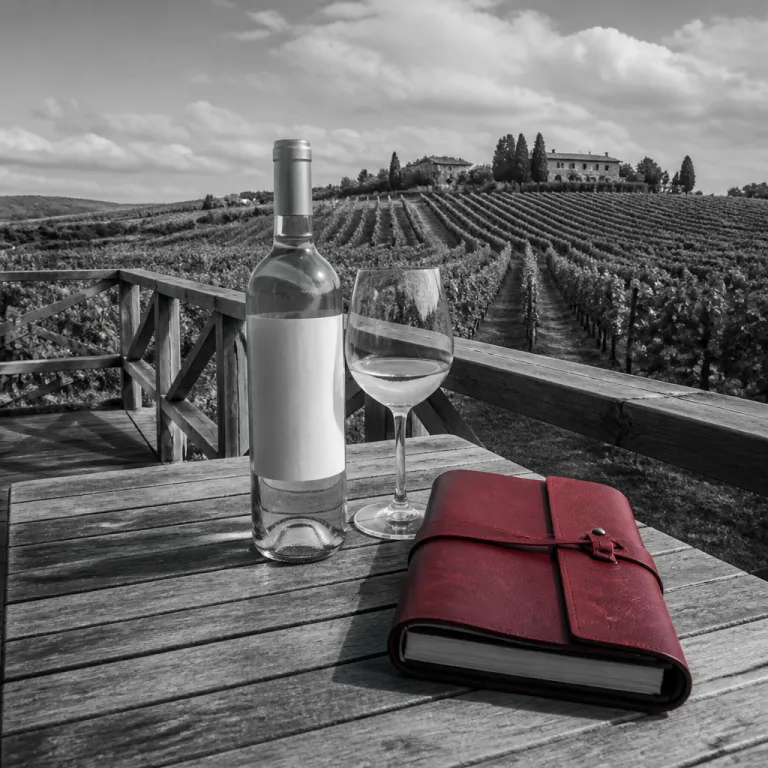
Pinot grigio recommendations for travelers who love vineyard terroir
Pinot Grigio sits at a fascinating crossroads between breezy, refreshing white wine and serious, terroir-driven expression. For travelers planning vineyard routes, thoughtful pinot grigio recommendations help you match each pinot grape style to the landscape you are visiting. The most memorable itineraries weave together wines, regions, and cellar doors so every glass of grigio wine reflects a specific valley, altitude, and cultural rhythm.
In northern Italy, classic pinot grigio wines from Trentino-Alto Adige balance bright fruit with mountain freshness. The average visitor quickly senses how the cool valley nights preserve acidity, while the sunny slopes ripen the pinot grape enough to give generous fruit and subtle mineral depth. When you taste several pinot grigios side by side, pay attention to how the tasting notes shift from citrus and green apple to riper pear and stone fruit as you move from higher to lower vineyards.
Outside Europe, many travelers first meet this grape through approachable labels such as Sutter Home Pinot Grigio or Baci Winery Pinot Grigio. These winery pinot styles are often fruit-forward, with soft acidity and clean notes that pair easily with casual resort dining. Published critic scores and competition summaries, which frequently place these brands in the “good value” range, show that well-made, accessibly priced white wines can be found far from the traditional pinot gris heartlands. For instance, recent Wine Enthusiast reviews have listed multiple Sutter Home Pinot Grigio releases in the mid-80s on the 100-point scale, and San Francisco Chronicle Wine Competition results regularly feature Cavit Pinot Grigio and similar bottlings among medal winners.
When planning wine-focused trips, use pinot grigio recommendations as a framework for choosing both vineyards and local food. Ask yourself whether you prefer a crisp, mineral-driven white wine from a cool region, or a rounder, more textured pinot gris from a slightly warmer valley. Your answer will guide you toward the best pinot routes, whether that means alpine terraces in Alto Adige, coastal hills in Italy, or sunlit slopes in North America where pinot, pinot noir, and other white wines share the same estates.
Understanding pinot grigio and pinot gris styles on the road
Travelers often hear both names, pinot grigio and pinot gris, and wonder whether these wines come from different grapes. In fact, pinot, pinot noir, and pinot gris all belong to the same grape family, with gris indicating a grey-pink skin that can yield either light white wine or more structured white wines depending on winemaking choices. The term grigio pinot usually signals a lighter, crisper style, while pinot gris often suggests a richer texture and more layered tasting notes.
On vineyard visits, ask for side-by-side tastings of pinot grigio wines and pinot gris wines from the same region. You will notice that the best pinot grigios tend to emphasize citrus, green apple, and floral notes, supported by brisk acidity and a clean mineral finish. By contrast, many pinot gris examples show riper fruit, hints of spice, and sometimes a touch of residual sugar that softens the palate and changes the perceived price-to-value balance.
New World producers such as Sutter Home and Baci Winery focus on approachable, fruit-centered pinot grigio, which suits travelers seeking uncomplicated refreshment by the pool or on a terrace. Recent assessments from publications like Wine Enthusiast and large regional competitions often place wines such as Sutter Home Pinot Grigio and Cavit Pinot Grigio in the mid-80s on the 100-point scale, indicating solid, dependable quality at an accessible price point. As one California tasting room host remarked after a busy summer weekend, “People come back to these bottles because they know exactly what style of Pinot Grigio they’re going to get.”
When you tour cellars, ask guides to explain how acidity levels are managed in both pinot grigio and pinot gris, because this shapes food pairings on your journey. Higher acidity and crisp structure suit seafood, salads, and light antipasti, while fuller-bodied gris wines can handle creamy sauces or richer poultry dishes. For travelers who already enjoy refined whites such as the South African Chenin profiled in this Chenin Blanc vineyard journey, exploring the spectrum from lean grigio wine to textured pinot gris offers a rewarding comparative tasting theme.
Planning an Italian itinerary around alpine pinot grigio
Italy remains the spiritual home for many of the world’s favorite pinot grigio recommendations. Travelers who focus on white wines can design entire routes around the cool northern region where Trentino-Alto Adige meets the Dolomites and the Adige Italy river carves its way through steep valleys. Here, altitude, exposure, and soil combine to create some of the best pinot grigio wines for those who prize precision and mineral clarity.
In Alto Adige, the subregion of Valle Isarco offers a striking landscape of terraced vineyards and medieval villages. Estates such as Abbazia Novacella craft pinot grigio and other white wines that show piercing acidity, delicate fruit, and a distinctly mineral backbone shaped by the valley’s complex geology. A recent vintage of their Pinot Grigio, for example, has been described in critic notes as showing lemon zest, green apple, and a saline, wet-stone finish that mirrors the cool, slate-influenced slopes. Many visitors describe these grigio alto expressions as mountain white wine in a glass, with tasting notes that range from citrus to alpine herbs.
Further south, Trentino Alto vineyards along the Adige valley produce pinot grigios with slightly riper fruit and a softer texture. The average alcohol level remains moderate, which keeps the wines refreshing, yet the extra sunshine adds pear, peach, and sometimes subtle tropical notes to the flavor profile. When comparing bottles, note how the price often reflects not only brand reputation but also whether the wine comes from higher altitude parcels or broader regional blends.
For travelers mapping a broader Italian white wine journey, pinot grigio sits alongside other regional white wines such as Soave, Verdicchio, and coastal Vermentino. A useful planning resource is this guide to Italian white wines for refined vineyard journeys, which helps you place pinot grigio within the wider context of Italy’s white wine heritage. Use that perspective to decide whether you want to focus on a single valley like Valle Isarco, or combine Alto Adige with other regions where the pinot grape thrives in different soils and climates.
Reading labels, tasting notes, and price cues with confidence
Standing in a tasting room or wine bar, many travelers feel overwhelmed by the range of pinot grigio wines on offer. Learning to decode labels, tasting notes, and price signals will make your pinot grigio recommendations far more precise when you share them with friends after the trip. Start by checking the region, because a bottle from Alto Adige or Valle Isarco usually indicates a cooler-climate style with higher acidity and more pronounced mineral character.
Next, look at how the producer describes the wine’s fruit profile and structure, since these clues help you anticipate the style before the first sip. Notes of lemon, lime, and green apple typically point to a very crisp, refreshing white wine, while descriptors such as ripe pear, peach, or melon suggest a rounder palate and slightly lower perceived acidity. When tasting, pay attention to whether the finish feels linear and mineral, or broader and more textured, because this will influence which foods the wine complements best.
Price can be a useful but imperfect guide, especially when traveling through regions where the average cost of living differs from your home market. In Italy, excellent everyday pinot grigios from cooperative cellars or family estates often offer great value, while single-vineyard bottlings from steep, hand-worked slopes understandably command higher prices. Outside Europe, labels such as Sutter Home Pinot Grigio or Menage à Trois Pinot Grigio provide reliable, fruit-driven wines pinot lovers can enjoy without stretching the budget, making them practical choices for relaxed evenings on the road.
When you read tasting notes from competitions or critics, look for specific references to grape variety, region, and structural elements such as acidity and alcohol. Wine Enthusiast reviews, for example, have repeatedly scored Cavit Pinot Grigio and similar large-production bottlings in the mid-80s, while San Francisco Chronicle Wine Competition results highlight which winery pinot styles consistently earn medals at modest price levels. Over time, you will build a personal map of preferred regions, producers, and styles, turning generic pinot grigio recommendations into tailored guidance that reflects your own palate and travel memories.
Food pairings and vineyard experiences that elevate pinot grigio
Thoughtful food pairings transform simple pinot grigio into a vivid memory of place. On coastal trips, pair crisp, high-acidity white wines with local seafood, from grilled prawns to delicate fish crudo, to highlight the wine’s citrus and mineral notes. In alpine regions such as Alto Adige and Valle Isarco, try pinot grigio alongside speck, fresh mountain cheeses, and herb-scented vegetable dishes to echo the grape’s subtle savory edge.
During winery visits, ask for pairing flights that show how different pinot grigios behave with contrasting dishes. A very crisp, mineral-driven grigio wine might shine with salads, soft cheeses, and light pasta, while a fuller-bodied pinot gris can handle risotto, creamy sauces, or roast chicken with herbs. Many estates now offer vineyard picnics or terrace lunches where you can taste several white wines, including pinot, pinot noir rosé, and local specialties, against a backdrop of the very slopes that shaped their character.
Beyond Italy, New World producers have embraced food-friendly pinot grigio styles that suit modern, casual dining. Labels such as Sutter Home and Baci Winery focus on approachable fruit, moderate acidity, and clean finishes that work well with grilled chicken, antipasti, and simple pasta dishes in resort restaurants. When you encounter Menage à Trois Pinot Grigio on a wine list, expect a generous, fruit-forward profile that pairs easily with a wide range of international cuisines, making it a flexible choice for group dinners while traveling.
For travelers who enjoy comparing different white wines across continents, consider building itineraries that link pinot grigio with other high-acid grapes. A journey that includes Italian pinot grigio, South African Chenin, and cool-climate sparkling wines from regions such as Oregon’s Willamette Valley, profiled in this article on America’s emerging sparkling country, will sharpen your sense of structure and balance. Each stop adds context, helping you understand why certain pinot grigio recommendations emphasize seafood, while others highlight richer dishes or even lightly spiced Asian cuisine.
Beyond the glass: practical tips for pinot grigio focused travel
Designing a trip around pinot grigio means thinking about logistics as carefully as tasting notes. Start by choosing a primary region, such as Alto Adige, Trentino Alto, or another cool-climate valley where the grape thrives, then build day trips around clusters of wineries to minimize driving between tastings. Many estates in Adige Italy and Valle Isarco require advance reservations, so contact your preferred winery pinot producers early, especially during harvest or peak holiday periods.
Transport matters when you plan to sample multiple white wines in a single day, because safety and comfort should always come first. Consider hiring a local driver, joining a small group tour, or basing yourself in a village with easy access to several cellars on foot or by bicycle. This approach lets you focus on comparing pinot grigio, pinot gris, and even occasional French pinot styles without worrying about navigating narrow mountain roads after tastings.
Accommodation choices can also shape your experience of the region’s wines. Staying on a working estate in Alto Adige or Trentino Alto allows you to observe vineyard work at dawn, taste new vintages with the winemaker, and understand how decisions about harvest dates, fermentation, and aging affect acidity, fruit expression, and mineral nuance in the final wines. Some properties offer vertical tastings of multiple vintages of their best pinot grigio, which gives travelers a rare chance to see how this often underestimated white wine can evolve in bottle.
Finally, keep a simple tasting journal where you note producer names, regions, key tasting notes, and approximate price ranges for the pinot grigios you enjoy most. Over several trips, patterns will emerge, such as a preference for high-altitude grigio alto styles, or for richer, more textural pinot gris from specific valley floors. Those personal insights will make your future pinot grigio recommendations more authoritative, whether you are advising friends on which wines pinot lovers should seek out, or planning your next journey through the world’s most evocative white wine landscapes.
Key figures and statistics for pinot grigio travelers
- Wine publications such as Wine Enthusiast have rated widely available brands including Sutter Home Pinot Grigio and Cavit Pinot Grigio in the mid-80s on the 100-point scale in recent years, signaling solid, reliable quality that suits travelers seeking good value white wines from recognizable producers. Always consult the latest vintage-specific reviews for precise scores.
- Competition results from events such as the San Francisco Chronicle Wine Competition are frequently used by wineries and travelers alike to identify award-winning pinot grigio wines, helping visitors prioritize tasting rooms when time in a region is limited.
- Industry reports consistently highlight the growing popularity of Pinot Grigio worldwide, with demand increasing in both traditional markets such as Italy and emerging tourism destinations where white wine consumption is rising.
- Travelers often find that the average retail price for everyday Italian pinot grigio remains accessible, allowing them to taste multiple producers in regions like Alto Adige and Trentino Alto without exceeding a moderate wine budget.
FAQ about pinot grigio recommendations for vineyard travel
What are some top rated pinot grigio wines to try while traveling ?
Expert reviews frequently highlight Sutter Home Pinot Grigio and Cavit Pinot Grigio as well-rated, accessible options, with many recent vintages scoring in the mid-80s from Wine Enthusiast and similar outlets. Available datasets and competition summaries also show that producers such as Sutter Home and Baci Winery have earned medals and commendations for their Pinot Grigio, making them reliable choices when you see them on international wine lists. In Italy, look for producers in Alto Adige, Trentino Alto, and Valle Isarco for more terroir-driven expressions.
Which foods pair best with pinot grigio during a trip ?
Pinot grigio’s bright acidity and crisp profile make it ideal with light pasta, seafood, risotto, salads, soft cheeses, antipasti, and grilled chicken. In coastal regions, pair it with fresh fish and shellfish to highlight citrus and mineral notes, while in alpine valleys it works beautifully with local cheeses and cured meats. Fuller-bodied pinot gris styles can also handle cream sauces and richer poultry dishes.
How can I tell whether a pinot grigio will be crisp or rich before tasting ?
Check the region and producer style first, because cool-climate areas such as Alto Adige and Valle Isarco usually yield crisper, higher-acidity wines. Label tasting notes that mention lemon, lime, and green apple suggest a very fresh style, while descriptors like pear, peach, or spice often indicate a richer pinot gris influenced profile. Asking staff about altitude, harvest timing, and whether the wine saw any oak can also provide useful clues.
Is pinot grigio a good focus for a dedicated vineyard trip ?
Yes, pinot grigio offers enough regional diversity to support an entire journey, especially in northern Italy where Alto Adige, Trentino Alto, and neighboring valleys each express the grape differently. Travelers can compare mineral-driven mountain wines with softer valley-floor examples, while also tasting related varieties such as pinot noir and other white wines from the same estates. Combining these experiences with local food and cultural visits creates a rich, coherent travel theme.
How should I use competition results and ratings when planning tastings ?
Competition medals and critic scores are helpful starting points, especially when time is short and you need to prioritize wineries. Ratings in the mid-80s for widely distributed brands like Sutter Home and Cavit Pinot Grigio show that well-made, good value wines are available from large producers, which can be reassuring in unfamiliar markets. However, once on the ground, balance these benchmarks with local recommendations and your own palate, because personal preference ultimately matters more than any single number.