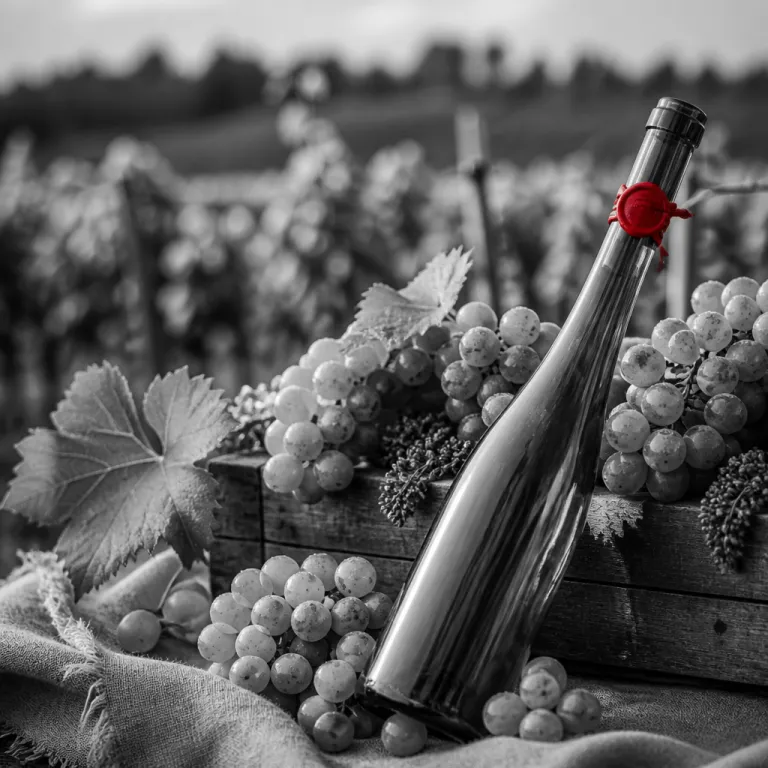
Blue bottle wine Moscato as a gateway to Asti’s vineyards
Blue bottle wine Moscato has become a visual icon on tasting room shelves and in urban liquor stores. Its bright blue glass signals a playful, sweet sparkling wine style that still respects serious Piedmont winemaking traditions. For many people planning wine travel, that single blue bottle is the first step toward exploring Moscato d’Asti vineyards and the surrounding hills.
The producer Bartenura turned a simple sweet white wine into a global reference by placing it in this striking blue bottle. From vineyards in the wider Asti area of Piedmont, the winery crafts Bartenura Moscato using Moscato Bianco grapes and cool fermentation in stainless steel tanks. This approach preserves the peach, grape, and floral aromas that make the wine so instantly appealing, while keeping alcohol content low for an easygoing drink. Bartenura lists the ABV for its classic Moscato around 5 % on recent technical sheets, but always check the current label or producer information for exact figures, as they can vary slightly by bottling and market.
Travelers who love sweet wines often start with one glass of Bartenura sparkling Moscato and then plan a full itinerary through wine Italy regions. In and around Asti, you can walk from cellar to cellar, tasting different Moscato d’Asti wines and comparing them with still white wine styles from nearby hills. Many visitors arrive expecting only a fun sparkling drink, then stay longer after realizing how deep the local wine culture runs and how many styles of wine spirits are produced in a relatively small area, from Moscato Asti to sweet red and delicate rosé cuvées.
From Bartenura Moscato to a refined Piedmont tasting route
Once you have enjoyed blue bottle wine Moscato at home, visiting its broader birthplace in the Asti zone adds another dimension. The town of Asti sits among rolling vineyards at modest altitude, with slopes that catch sunlight and channel breezes. These conditions help Moscato Bartenura growers retain acidity in the grapes, so the wines taste sweet yet refreshing rather than heavy.
A well planned route might begin at a Moscato-focused estate near Canelli or Santo Stefano Belbo, then continue to neighboring wineries that produce both Moscato d’Asti and still white wine. Many cellars offer side by side tastings of sparkling wine and quiet wines, allowing you to compare texture, sweetness, and aroma. When you taste several Bartenura-style sparkling cuvées, you notice how the fine bubbles lift peach notes and floral tones, especially when the wine is served properly chilled.
Travelers who enjoy Chardonnay can easily combine a Moscato-focused trip with a refined Chardonnay itinerary. For a deeper perspective on elegant white wines beyond Piedmont, consult the recommended guide to the best Chardonnay wines and vineyards while planning your journey. Moving between Asti’s sweet sparkling wines and cooler climate Chardonnay regions helps people understand how grape variety, altitude, and soil shape both aroma and structure.
Kosher wine, Jewish heritage, and Passover friendly travel
Blue bottle wine Moscato holds a special place in the world of kosher wine and Jewish celebrations. Bartenura Moscato is widely sold as certified kosher and is produced in versions that are approved as kosher for Passover, which means observant travelers can enjoy it during the festival when they select the appropriate bottling. This status has helped the wine reach Jewish communities far beyond Italy, from New York to Johannesburg, where the bright blue bottle is instantly recognizable on kosher wine shelves.
Many people plan trips to wine Italy regions around religious calendars, combining vineyard visits with major holidays. When a wine like Moscato kosher Bartenura is suitable for Passover, it becomes a natural centerpiece for festive meals, both at home and in travel settings. Some Jewish travelers arrange private tastings in the Asti area where hosts explain how local rabbinical authorities and international certification bodies supervise production, from grape reception to bottling, to maintain kosher wine standards and document them on the back label.
While exploring kosher wine options in Piedmont, you may also compare blue bottle Bartenura Moscato with other kosher wines such as sweet red cuvées or delicate rosé. A visit to the Asti hills can include a stop at a cellar that produces both Moscato blue sparkling wine and still kosher red wines, giving a full picture of what the region offers. For a broader European context on white wine heritage, consider pairing your trip with a detour to Burgundy after reading the detailed overview of Burgundy white wine and its legendary vineyards.
Tasting notes, serving rituals, and food pairings in Asti
On site in the Asti zone, blue bottle wine Moscato reveals more nuance than many expect. Official tasting guidance from the producer notes that “It has fresh, peachy perfumes and light, grapey fruit flavors.” When you drink Bartenura Moscato at a vineyard table, those peach and grape notes often mingle with scents of wildflowers and fresh herbs from the surrounding hills, especially when the wine is poured soon after opening.
Hosts in Piedmont usually serve Bartenura sparkling Moscato well chilled, in tulip shaped glasses that concentrate aromas. They often repeat the producer’s advice that “Serve chilled and drink young”, because the wine’s charm lies in its bright fruit rather than long aging. The relatively low alcohol content in a standard 750 ml bottle Bartenura makes it an ideal drink for daytime tastings when people still plan to walk between vineyards or join guided Asti wine tours.
Food pairings on these trips often go beyond dessert, even though the wine is distinctly sweet. Locals might add Moscato d’Asti to an aperitivo spread with salty cheeses, roasted nuts, and thinly sliced salumi, using the sweetness to balance savory flavors. Some restaurants near Italy Asti also offer tasting menus where blue bottle Bartenura Moscato appears alongside a sweet red or a pale rosé, showing how different wines handle fruit based dishes and pastries and how a Moscato blue bottle can work throughout a meal.
Pop culture, hip hop references, and the rise of bright blue bottles
The global fame of blue bottle wine Moscato owes as much to culture as to terroir. Bartenura Moscato gained visibility when artists in the hip hop scene began mentioning the bright blue bottle in lyrics and videos. Those references turned a regional sparkling wine into a lifestyle symbol, especially among younger drinkers who wanted something approachable yet stylish and easy to share.
In many urban liquor outlets far from Italy, shelves now feature entire rows of blue bottle Bartenura Moscato alongside other wine spirits. Retailers report that people often ask specifically for “the Moscato blue bottle”, using color as shorthand for the brand. This demand has encouraged more outlets to place the wine near chilled sparkling wine and rosé, rather than hiding it among heavier reds, and it has helped Bartenura become a familiar name even to casual wine drinkers.
For wine travelers, this pop culture fame creates an interesting contrast when they finally reach the Asti countryside. After seeing the bottle in music videos and at parties, visitors arrive in quiet vineyards where growers speak about soil types, pruning, and low temperature fermentation. That tension between glamorous image and agricultural reality makes a visit to wine Bartenura partners especially memorable, and it often encourages guests to skip rushed tastings in favor of slower, more thoughtful sessions that explore several different Moscato Asti wines.
Planning a responsible blue bottle Moscato itinerary in Piedmont
Designing a trip around blue bottle wine Moscato requires more than simply following the label to Asti. Start by mapping vineyards that work with Moscato Bianco and other local grapes, then group them by distance to minimize driving between tastings. Many estates sit within short distances of each other, making it easy to travel by hired driver, e bike, or even on foot along marked trails through the hills.
Responsible drinking is central to any itinerary that focuses on sweet, low alcohol wines, because their gentle profile can tempt people to drink more than planned. Consider scheduling only two or three tastings per day, and always add food stops between them, especially in summer heat. Local guides often recommend that visitors skip self driving entirely and instead book transfers through companies that specialize in wine tourism, which keeps both travelers and vineyard workers safer.
While planning, review each estate’s privacy policy and booking conditions, especially when sharing passport details or payment data online. Some wineries sell limited release bottles directly at the cellar door, so you may find Bartenura sparkling cuvées or special Moscato kosher selections that never reach international sale channels. To broaden your understanding of how different regions handle heritage and innovation, you might also read about the evolution of Malbec in the article on Cahors black wine and Bordeaux’s organic revival before or after your Italian journey.
Key figures and practical data for blue bottle Moscato travel
- Bartenura Moscato is marketed as a low alcohol sparkling wine, generally around 5 % ABV, which is significantly lower than many still wines that range from 12 to 14 % ABV, making it suitable for daytime tastings when managed responsibly (always confirm the exact figure on the current bottle or producer website).
- The standard blue bottle Bartenura Moscato format is 750 ml, aligning with most international wine bottle sizes and simplifying packing limits for air travel and checked luggage.
- Asti sits at approximately 44.90 °N and 8.21 °E, placing it in the heart of Piedmont’s rolling hills and making it reachable by train in around 1 hour from Turin and about 2 hours from Milan, with frequent regional services according to current Italian rail timetables.
- Low temperature fermentation in stainless steel tanks is now used by many Moscato d’Asti producers, because it preserves delicate peach and grape aromas better than traditional warm fermentation methods and helps maintain a gentle sparkle.
- Growing demand for sweet wines over recent decades has helped Moscato from Italy Asti become a consistent top seller in several export markets, especially where younger consumers seek approachable sparkling wine styles and recognize the blue bottle on sight.
FAQ about blue bottle wine Moscato and Asti travel
What does Bartenura Moscato taste like ?
According to the producer, “It has fresh, peachy perfumes and light, grapey fruit flavors.” When tasted in the Asti area, many visitors also notice floral notes and a gentle sparkle that keeps the sweet profile lively, especially when the wine is served well chilled.
Is Bartenura Moscato kosher for Passover ?
Yes, Bartenura Moscato is produced in versions that are certified as kosher wine and specifically approved as kosher for Passover, which makes them suitable for observant Jewish travelers during the festival. Certification bodies supervise the full process from vineyard to bottle to maintain this status, so always check the label to confirm the exact kosher designation and the issuing authority.
How should Bartenura Moscato be served during a vineyard visit ?
Guides in the Asti hills usually serve the wine well chilled, around 6 to 8 °C, in medium sized tulip glasses. They follow the producer’s advice to “Serve chilled and drink young”, emphasizing freshness over aging and highlighting the peach and grape notes that define this sweet sparkling drink.
Is blue bottle wine Moscato always sparkling ?
The iconic blue bottle Bartenura Moscato is a lightly sparkling wine, often labeled as Moscato d’Asti or Bartenura sparkling. In the same region, however, you can also taste still white wines and even some sweet red cuvées and rosé, which provide useful contrast during a trip and show the range of Asti wines.
Can I visit the area where Bartenura Moscato is produced ?
Yes, travelers can visit vineyards around Asti in Piedmont, where Bartenura works with local growers and partners. Many estates offer guided tours, tastings of Moscato blue wines, and direct sale of bottles, though advance reservations are strongly recommended, especially in peak season.