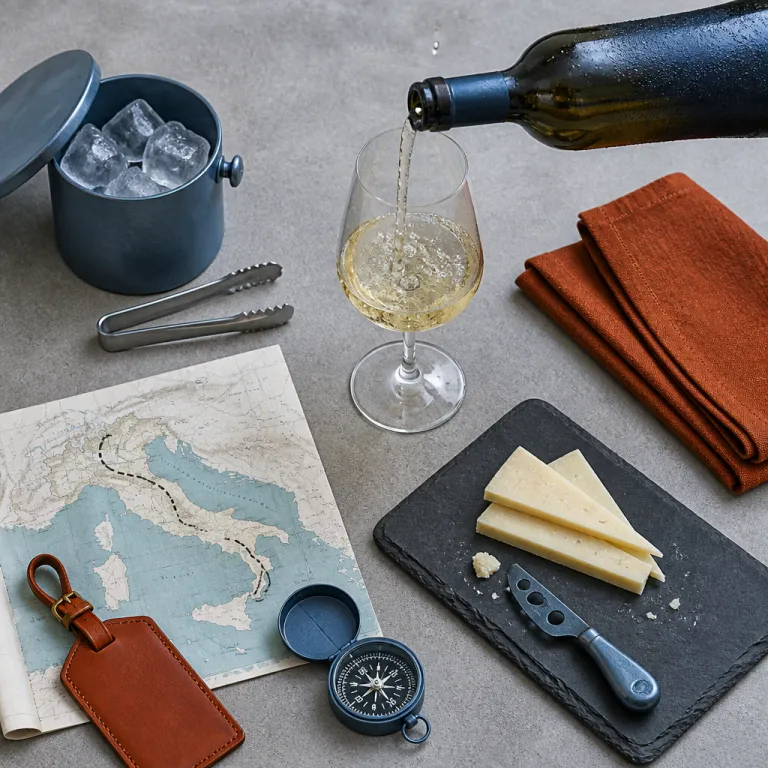
Why the white wines of Italy belong on every vineyard itinerary
Italian winemakers shape an extraordinary world of white wines that rewards curious travelers. Across Italy, each region turns its own grape variety into whites that reflect altitude, soil, and sea breezes with striking clarity. When you plan vineyard routes around the white wines of Italy, you unlock a journey where every glass connects landscape, culture, and cuisine.
Italy counts numerous DOCG appellations that include significant production of Italian white wines, a figure that signals both quality focus and regional pride. According to data published by the Italian Ministry of Agriculture, Food Sovereignty and Forests (MASAF), this network of protected areas stretches from the alpine terraces of Alto Adige and Trentino to the volcanic slopes of Campania and the coastal hills of Liguria, giving wine lovers a precise map for travel. For a visitor, following these appellations means moving from one carefully delimited terroir to another, tasting how the same white grape can shift from crisp and linear to textured and fruit driven.
Wine production here follows a steady rhythm, with harvest for most white grapes taking place from late summer into early autumn, typically from late August through October depending on altitude and latitude. Stainless steel tanks preserve the pure fruit character of many Italian whites, while selected oak barrels add gentle structure to certain Chardonnay or complex white blend cuvées. As you move between wineries, you will see how traditional fermentation techniques coexist with modern temperature control, a combination that keeps white wine styles precise, clean, and expressive.
Tasting-note checklist for Italian white wine travelers
- Color: pale straw to light gold, with brighter hues in younger wines.
- Aromas: green apple, citrus, stone fruit, herbs, or subtle almond notes.
- Structure: focus on acidity, texture, and length on the finish.
- Sense of place: ask how altitude, soil, and proximity to the sea shape the style.
From alto adige to trentino alto : alpine whites for the crisp palate
High in the Dolomites, Alto Adige offers some of the best alpine white wines of Italy for travelers who enjoy mountain landscapes. Vineyards climb steep slopes, and the cool nights help preserve green apple acidity in grape varieties such as Pinot Grigio, Pinot Bianco, Chardonnay, and Sauvignon Blanc. When you taste these Italian whites at the source, the wines feel as crisp as the surrounding air, with fruit profiles that range from citrus to alpine herbs.
Neighboring Trentino adds a slightly softer, more rounded expression of similar grapes, making it ideal for visitors who like both white and red wine in one compact region. Here, Pinot Grigio from Grigio Italy vineyards can show riper pear and stone fruit, while Pinot Bianco often delivers a delicate white flower character. Many estates offer side by side tastings of Italian Pinot in its white and red forms, which helps you understand how grape variety and winemaking choices shape color, texture, and aroma.
Travelers interested in aromatic whites should pay attention to local Sauvignon Blanc, then compare it with versions tasted along other vineyard routes. For a deeper dive into how this grape behaves in different climates, you can read a detailed guide to what Sauvignon Blanc tastes like on the world’s great vineyard routes at this specialist sauvignon blanc tasting resource. Pair these alpine Italian white wines with freshwater fish, mountain cheeses, and seasonal vegetables, and you will see why many travelers now plan entire trips around cool climate whites. Late spring through early autumn offers the best combination of open mountain roads, cellar access, and clear views.
Sample alpine day itinerary
- Morning: stroll through Bolzano’s old town, then visit a nearby cellar for Pinot Bianco and Sauvignon Blanc tastings.
- Lunch: enjoy lake fish and local cheeses at a mountain trattoria overlooking terraced vineyards.
- Afternoon: cross into Trentino for a second winery focused on Pinot Grigio and light reds before returning to your base.
Veneto and the elegance of soave, gavi, and classico terroirs
Moving east to west across northern Italy, Veneto stands out for Soave and Soave Classico, two appellations that reward careful exploration. The term Classico on a label indicates the historic heart of the zone, where older vineyards and volcanic or limestone soils often yield the best white wines. In these hills, the Garganega grape variety gives Italian white wines with subtle almond notes, ripe fruit, and a dry white finish that pairs beautifully with seafood risotto.
Travelers should plan at least one day in the Soave Classico hills, where many family estates welcome visitors for cellar tours and tastings. Stainless steel is common for preserving freshness, but some producers use large neutral oak to add texture without masking the delicate white fruit character. When you taste several wines side by side, notice how some show green apple and citrus, while others lean toward peach and gentle spice, all within the same small area of Italy.
Further west, the appellation of Gavi in Piedmont offers another refined expression of Italian whites, based on the Cortese grape. These wines are typically light, crisp, and mineral, making them ideal for warm afternoons on a terrace overlooking vineyard slopes. If you enjoy structured whites, compare Gavi with a carefully selected Chardonnay from cool sites, using an elegant guide to the best affordable Chardonnay for vineyard focused travel at this chardonnay travel guide as a reference for styles and value. Booking tastings a few weeks ahead, especially from May to October, helps ensure time with producers in both regions.
Soave and Gavi tasting highlights
- Soave Classico: look for Garganega with almond, citrus, and a gently saline finish.
- Gavi: expect Cortese with bright acidity, white flowers, and a stony, mineral edge.
- Food pairings: seafood risotto, grilled prawns, and simple herb pasta dishes.
Tuscany’s vernaccia san gimignano and the charm of central italian whites
Central Italy offers a different face of the white wines of Italy, where medieval hill towns and rolling landscapes frame every tasting. In Tuscany, Vernaccia di San Gimignano holds a special place as one of the country’s historic white appellations. The vineyards around San Gimignano produce a dry white wine with firm acidity, subtle citrus, and a faint saline edge that works beautifully with local pecorino cheese and grilled vegetables.
When you visit San Gimignano, plan time to walk between the town’s towers before heading into the surrounding vineyards. Many estates here focus on a single grape variety, Vernaccia, allowing you to see how soil and exposure alone can shift a wine from lean and mineral to slightly richer and more fruit driven. Some producers experiment with partial oak aging, creating Italian white wines with more texture that still retain the crisp backbone typical of the region.
Elsewhere in central Italy, Trebbiano plays a quiet but important role in both still white wines and white blend cuvées. While Trebbiano has a reputation for neutrality, careful growers can coax delicate green apple and floral notes, especially when yields are kept low. Travelers who enjoy comparing white and red wine styles in one stop will appreciate how many Tuscan estates pour Vernaccia, Trebbiano based whites, and Sangiovese reds in the same tasting room, often by advance reservation for small groups.
Central Italy vineyard afternoon
- Start with a walk through San Gimignano’s stone lanes and panoramic viewpoints.
- Head to a nearby estate for a focused Vernaccia tasting, comparing stainless steel and oak aged versions.
- Finish the day with a casual dinner of pecorino, grilled vegetables, and local Trebbiano or Sangiovese.
Southern character : greco tufo, greco, and coastal italian white wines
Farther south, the white wines of Italy gain a distinct Mediterranean accent, shaped by sun, sea, and volcanic soils. In Campania, the appellation of Greco di Tufo is renowned for structured whites based on the Greco grape, often labeled as Greco Tufo on export markets. These wines combine ripe stone fruit with firm acidity and a mineral core, making them some of the best Italian whites for aging and for pairing with rich seafood dishes.
Travelers exploring this region can visit hillside vineyards where Greco vines grow on tuff and volcanic ash, soils that help retain freshness despite the warm climate. Tasting Greco alongside other local Italian white grapes such as Fiano and Falanghina highlights how each grape variety responds differently to the same environment. Many wineries here also produce red wine from Aglianico, giving visitors a complete view of southern Italian wine culture in a single stop.
Along the coasts of southern Italy and the islands, you will encounter a wide range of white wines that show sun kissed fruit yet remain surprisingly crisp. Some estates craft a white blend that might include Greco, Malvasia, or other local grapes, aiming for balance between aromatics and freshness. Pair these coastal Italian whites with grilled fish, shellfish, and simple tomato based dishes, and you will understand why increased production of organic white wines and sustainable viticulture has become a growing priority in these regions. Late May to June and September to October are particularly comfortable months for coastal cellar visits.
Southern Italy food and wine matches
- Greco di Tufo: ideal with octopus salad, baked fish, or seafood stews.
- Fiano and Falanghina: pair with fried anchovies, lemony pasta, and fresh mozzarella.
- Island whites: enjoy with grilled squid, clams, and simple tomato based dishes.
Planning refined wine travel around pinot grigio, pinot bianco, and italian pinot styles
For many travelers, Pinot Grigio is the first point of contact with the white wines of Italy, yet the grape’s full potential only appears when you taste it at the source. In regions such as Alto Adige, Friuli Venezia Giulia, and Veneto, Pinot Grigio and Pinot Bianco can produce Italian white wines with real depth, far removed from anonymous supermarket bottles. Look for labels that specify single vineyard sites or Classico zones, as these often signal more concentrated fruit and careful viticulture.
When planning a route through Grigio Italy heartlands, include estates that pour both Pinot Grigio and Pinot Bianco, as well as Italian Pinot Noir, to see the family resemblance across colors. Many producers ferment these whites in stainless steel to preserve green apple and citrus notes, while a few experiment with lees aging for added texture. Ask to taste any special cuvées or white blend bottlings, which may combine Pinot with Chardonnay or local grapes to create complex, food friendly wines.
Travelers who enjoy structured reds should not overlook how well these Italian whites perform at the table, especially with seafood, light pasta, and fresh cheeses. As one concise expert summary puts it, “What are some popular Italian white wines? Pinot Grigio, Vermentino, Greco di Tufo, and Soave.” Use that list as a practical checklist when mapping your itinerary, then complement it with a curated exploration of red blend experiences via this guide to refined red blend wine travel. Balancing white wine and red wine tastings in this way keeps your palate fresh and your travel days varied, especially if you limit yourself to two or three scheduled visits per day.
Pinot focused travel tips
- Alternate Pinot Grigio with Pinot Bianco to compare texture and aroma.
- Include at least one tasting where Pinot Noir is poured alongside the whites.
- Plan short drives between estates so you can linger over detailed cellar tours.
How to taste, pair, and evaluate the great italian whites on the road
Thoughtful tasting turns a simple winery visit into a deeper understanding of the white wines of Italy. Start by observing color, which in many Italian whites ranges from pale straw to light gold, then move to aroma, looking for green apple, citrus, stone fruit, or floral notes. On the palate, focus on acidity, texture, and length, asking whether the white wine feels crisp and linear or broader and more layered.
Food pairing is central to Italian wine culture, and travelers should embrace this at every stop. Seafood, light pasta dishes, and fresh cheeses are classic matches for Italian white wines, while richer preparations can handle structured styles such as Greco Tufo or oak aged Chardonnay. When in doubt, follow the local rule that what grows together goes together, choosing whites from the same area as the regional cuisine you are tasting.
Finally, pay attention to production details shared during tours, such as the use of stainless steel tanks versus oak barrels, or the decision to blend multiple grapes rather than focus on a single grape variety. These choices, combined with harvest timing and vineyard altitude, explain why two dry white wines from neighboring hillsides can taste so different. By the end of a well planned trip through Italy, you will not only have sampled many great wines but also gained a clear, personal sense of how landscape, grape, and human skill converge in every glass.
On-site tasting reminders
- Take brief notes on color, aroma, and flavor after each wine.
- Ask about grape varieties, vineyard altitude, and soil type.
- Photograph labels and landscapes to connect bottles with places later.
Key figures for travelers exploring italian white wines
- Italy has more than twenty DOCG appellations that include notable Italian white wine styles, according to the Italian Ministry of Agriculture, Food Sovereignty and Forests (MASAF), giving travelers a structured map of top quality regions to visit.
- Harvest for most white grape varieties in Italy takes place from late summer to early autumn, which means vineyard travelers visiting during this period can often observe picking and early fermentation in action.
- Italian winemakers across all 20 regions increasingly focus on organic white wines, reflecting a global trend toward sustainable viticulture and offering eco conscious travelers more options each year.
- Key regions for Italian whites include Veneto, Friuli Venezia Giulia, Tuscany, and Piedmont, which together provide a compact yet diverse circuit for wine focused itineraries.
Suggested image alt text ideas
- “Terraced Alto Adige vineyards with snow capped Dolomites in the background.”
- “Soave Classico hillside vineyards and medieval village at sunset.”
- “Greco di Tufo vines on volcanic slopes overlooking a Campanian valley.”
FAQ about traveling for the white wines of italy
What are some popular italian white wines to seek out while traveling ?
Some of the most widely appreciated Italian white wines for visitors include Pinot Grigio, Soave, Gavi, Greco di Tufo, and Vernaccia di San Gimignano. Each represents a different region and grape variety, giving travelers a useful checklist when planning tastings. Many wineries also offer Chardonnay, Sauvignon Blanc, and local white blends that complement these classics.
Which regions are best for a trip focused on italian whites ?
Veneto, Friuli Venezia Giulia, Alto Adige, and Trentino in the north are excellent for crisp alpine and coastal whites. Tuscany and Umbria provide historic appellations such as Vernaccia San Gimignano and Trebbiano based wines, while Campania and Sicily showcase structured, Mediterranean styles like Greco Tufo and other volcanic whites. Combining two or three of these areas in one itinerary offers both stylistic diversity and manageable travel distances.
What foods pair well with italian white wines during a vineyard trip ?
Seafood, light pasta dishes, and fresh cheeses are classic partners for many Italian whites, especially Pinot Grigio, Soave, and Gavi. Richer dishes such as creamy risotto, roasted poultry, or grilled fish work well with fuller bodied styles like Greco di Tufo or oak influenced Chardonnay. When dining locally, ask for regional pairing suggestions, as producers and restaurateurs often design menus around nearby vineyards.
Can travelers visit wineries producing both white and red wine in italy ?
Most Italian estates produce both white wine and red wine, which makes it easy for visitors to compare styles in a single tasting. For example, a Tuscan winery might pour Vernaccia San Gimignano alongside Sangiovese, while a producer in Alto Adige could offer Pinot Bianco, Sauvignon Blanc, and Pinot Noir. This diversity allows travelers to understand how one region expresses multiple grape varieties across colors.
How can I find wineries open to visitors and tastings ?
Regional tourism offices, local wine consortia, and winery websites usually list estates that welcome visitors, often with online booking tools. It is wise to reserve tastings in advance, especially during harvest or weekends, to ensure availability and access to guided tours. Many producers collaborate with nearby restaurants and accommodations, allowing travelers to build complete wine themed itineraries around their visits and avoid unnecessary driving between distant cellars.