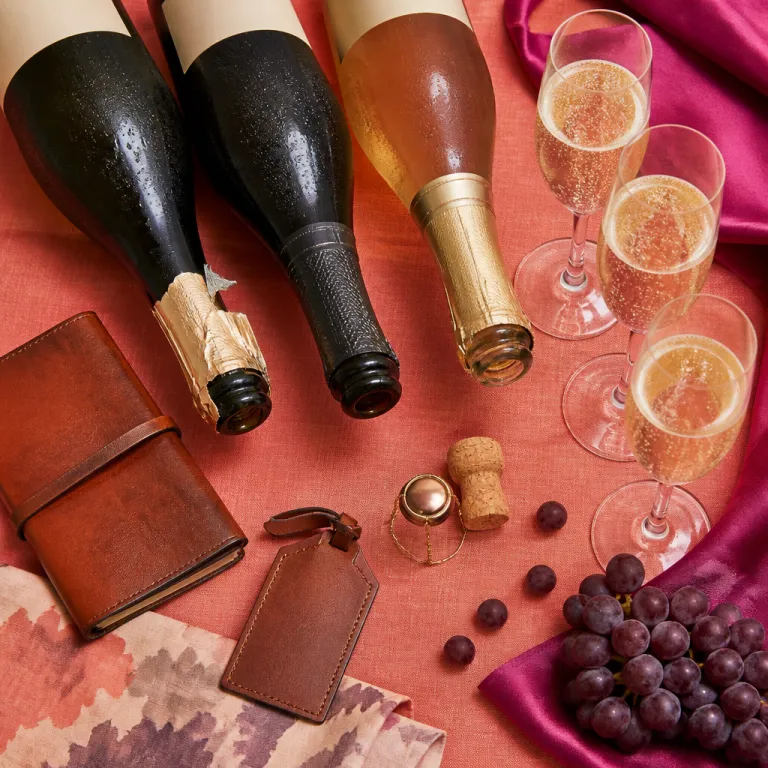
Why bubbly wine brands belong on your vineyard travel map
Planning a journey around bubbly wine brands transforms a simple trip into a sensory itinerary. When you build your route around wine, you connect landscapes, cellars, and people through each sparkling bottle. The result is a series of vivid memories that link vineyards, glasses of sparkling wine, and the stories behind them.
Across Europe and the United States, travelers now chase sparkling wines with the same passion once reserved only for Champagne. This shift reflects a wine industry where traditional Champagne houses such as Dom Pérignon, Moët & Chandon, and Veuve Clicquot share attention with English sparkling producers like Nyetimber and American pioneers such as Gruet Winery. As you read tasting notes and plan which bottles to open on site, you begin to understand how each brand expresses its terroir through different blends of Chardonnay, Pinot Noir, and sometimes Pinot Meunier.
For the curious visitor, the best itineraries weave together Champagne, Italian Prosecco, English sparkling wine, and California sparkling cuvées in a single extended journey. You might compare a non-vintage brut in Reims with a vintage brut poured in West Sussex, then finish the week with a glass of sparkling brut in a San Francisco wine bar. Each stop lets you review how the same grape varieties, such as Pinot Noir or Chardonnay for white wine, shift character when grown in different climates and crafted by a different wine company.
Champagne houses and the art of traditional sparkling wine
Any serious exploration of bubbly wine brands should begin in the Champagne region, where the traditional method defines classic sparkling wines. Here, Dom Pérignon focuses on vintage brut expressions, while Moët & Chandon and Veuve Clicquot are renowned for richly textured non-vintage brut cuvées. Walking through these cellars, you see how each bottle of Champagne rests sur lattes, slowly evolving into wine sparkling with fine, persistent bubbles.
Guided tours explain how a base blend of still wines becomes sparkling wine through a second fermentation in the bottle. You learn why a brut style, with its restrained dosage, highlights notes of green apple, citrus, and brioche in both white and rosé wines. When a host pours brut rosé, you can compare its pale salmon hue and red fruit aromas with the more toasty profile of a classic sparkling brut, then decide which style you prefer to drink with food.
Many travelers pair Champagne with a later visit to emerging regions that now rival it for quality, such as Oregon’s Willamette Valley, often described as an American answer to Champagne country. If you plan a multi-region trip, read about an Oregon sparkling wine itinerary before you book flights. This allows you to compare how Pinot Noir based sparkling wines from cool American vineyards differ from Champagne’s blends, while still respecting the same meticulous traditional method.
From prosecco hills to English slopes and beyond
Leaving France, many travelers head to Italy’s Prosecco heartlands, where gently rolling hills host vineyards dedicated to fresh, fruit-driven sparkling wines. In these cellars, you taste Prosecco made by the Charmat method, which keeps the wine in pressurized tanks before bottling, preserving vibrant green apple and pear notes. Compared with Champagne, these sparkling wines feel lighter, often with a friendlier price that encourages you to order several bottles at a local shop.
To prepare, it helps to read a detailed guide to sparkling wine from Italy before you travel. Such resources explain how different Prosecco brands position their wines, from simple, easy-drinking bottles to more structured vintage brut cuvées from hillside vineyards. When you arrive, you can ask informed questions about residual sugar levels, the meaning of brut on a label, and how local producers see their place in the global wine industry.
Farther north, English estates such as Nyetimber have turned chalky soils into a stage for award-winning sparkling wine. Tastings there often feature a line-up of sparkling wines that include a classic brut, a brut rosé, and sometimes a blanc de blancs white wine, each poured from elegantly shaped bottles. Comparing these with Italian Prosecco and French Champagne on the same trip shows how climate and grape choices, especially Pinot Noir and Chardonnay, shape the character of every sparkling wine brand you encounter.
California sparkling, napa valley cellars, and urban tasting rooms
On the other side of the Atlantic, California sparkling producers have built a distinctive identity that rewards on-site visits. In Napa Valley, estates such as Mumm Napa welcome travelers with terraces overlooking vineyards, where flights of sparkling wines arrive in chilled bottles. You might taste a bright sparkling brut with green apple notes, a richer vintage brut, and a delicate brut rosé, each illustrating how California sunshine influences acidity and fruit character.
Many California sparkling houses were founded with expertise imported from the Champagne region, yet they now operate as independent wine companies with their own styles. A visit often includes a short review of how they source Pinot Noir and Chardonnay from different sites, then blend these wines into a final cuvée. When you read tasting sheets during the tour, pay attention to how each wine sparkling is positioned for food pairings, from seafood-friendly white wines to fuller-bodied sparkling wines that can stand beside red wine at the table.
Urban tasting rooms extend this experience beyond vineyard valleys, especially around San Francisco and other West Coast cities in the United States. Here, you can compare California sparkling flights with imported Champagne and Prosecco by the glass, often at a more approachable price than at the estates themselves. Some venues even host themed nights where members sample award-winning bottles from Dom Pérignon, Moët & Chandon, Veuve Clicquot, Nyetimber, and Gruet Winery side by side, turning a simple evening out into a compact global tour of bubbly wine brands.
Smart ways to taste, buy, and ship your favorite bottles
Thoughtful planning helps you enjoy wine travel without worrying about how to bring bottles home. Before you leave, check airline rules on carrying wine bottles and consider a protective suitcase insert designed for glass. This allows you to buy a special bottle of Champagne, a few Prosecco wines, or a rare California sparkling cuvée without fearing breakage.
At each estate, ask staff about the best way to purchase their wines if you fall in love with a particular brand. Many producers now offer international shipping or membership programs where a member receives curated selections of sparkling wines, white wines, and sometimes red wine several times per year. When you compare the price of shipping with what you would pay at a local shop back home, you can decide whether to order directly or wait and buy similar wine white or wine sparkling styles from a trusted retailer.
For more complex itineraries that include both sparkling and still wines, consider reading an in-depth guide to an elegant red blend wine experience. Such resources show how to balance tastings of bubbly wine brands with visits focused on structured red blends, ensuring palate variety across several days. They also remind you to schedule rest periods between tastings, drink plenty of water, and keep notes so that each bottle, whether a crisp white wine or a layered sparkling brut, remains clear in your memory once you return home.
Everyday bubbles, from trader joe shelves to expert led tastings
Not every encounter with bubbly wine brands needs to happen in a grand cellar or vineyard. Many travelers first meet a particular sparkling wine or Champagne as an affordable bottle from a neighborhood shop or a chain such as Trader Joe, then later decide to visit the region where it is made. This progression from casual purchase to immersive travel reflects how wines can spark curiosity long before you book a flight.
When you read a professional review of a sparkling wine that you initially bought at a modest price, you often gain a new appreciation for its craftsmanship. Critics may highlight aromas of green apple, citrus, or brioche, explain the role of Pinot Noir in the blend, or compare the wine with more expensive bottles from famous brands. Such context helps you understand why some award-winning wines remain accessible, while others from the same wine company are positioned as rare, cellar-worthy cuvées.
Many cities now host guided tastings where a sommelier pours flights that range from Prosecco and California sparkling wines to classic Champagne and English sparkling wine. These events often include side-by-side comparisons of brut and brut rosé, white and rosé styles, and sometimes even a still red wine to illustrate how base wines taste before they become sparkling. Attending such sessions before or after a vineyard trip deepens your understanding of each bottle, making future journeys through bubbly wine regions even more rewarding.
Key figures shaping your bubbly wine travel choices
- The global sparkling wine market size reached about 43.6 billion USD in 2023 according to Statista’s industry outlook, showing how strong demand supports diverse travel experiences across Champagne, Prosecco, and California sparkling regions.
- Annual Champagne production stands near 300 million bottles based on Comité Champagne’s official statistics, which means visitors to the region can choose from a vast range of brands, cuvées, and price levels during tastings.
- France remains the leading producer of sparkling wine, while Italy and Spain follow closely, creating a natural triangle of destinations for travelers who want to compare Prosecco, Cava, and Champagne on a single extended trip.
- English sparkling wines have grown rapidly in reputation, with estates such as Nyetimber winning international awards, encouraging more visitors to add southern England to their European wine itineraries.
- Producers in non-traditional regions, including Gruet Winery in New Mexico, demonstrate how innovation in the wine industry opens new routes for travelers seeking award-winning sparkling wines beyond classic Old World areas.
FAQ about bubbly wine brands and vineyard travel
What is the difference between Champagne and sparkling wine?
What is the difference between Champagne and sparkling wine? Champagne is sparkling wine from the Champagne region of France; others are called sparkling wines. When you travel, this means only bottles produced within that defined area, under strict rules, may use the name Champagne on their labels.
Which country produces the most sparkling wine?
Which country produces the most sparkling wine? France leads, followed by Italy and Spain. For travelers, this trio offers a natural route that links Champagne houses, Prosecco hills, and Spanish Cava cellars in one coherent journey.
Is Prosecco a type of Champagne?
Is Prosecco a type of Champagne? No, Prosecco is Italian sparkling wine from Veneto. When planning trips, treat Prosecco visits as a distinct experience, focused on different grapes, production methods, and food pairings than those you encounter in Champagne.
How should I budget for bubbly wine tastings while traveling?
Prices for tastings vary widely, from modest fees at small Prosecco estates to higher costs at famous Champagne houses. Check each producer’s website in advance, then allocate extra budget for special bottles you may want to buy on site. Remember to factor in shipping or luggage solutions if you plan to bring several bottles home.
Can I visit both sparkling and still wine producers on the same trip?
Combining sparkling wine estates with still wine visits, such as red wine or white wine producers, creates a more balanced itinerary. Many regions, including Napa Valley and parts of Italy, offer both styles within short driving distances. Plan your days so that tastings remain relaxed, with time to enjoy local food and scenery between cellar appointments.