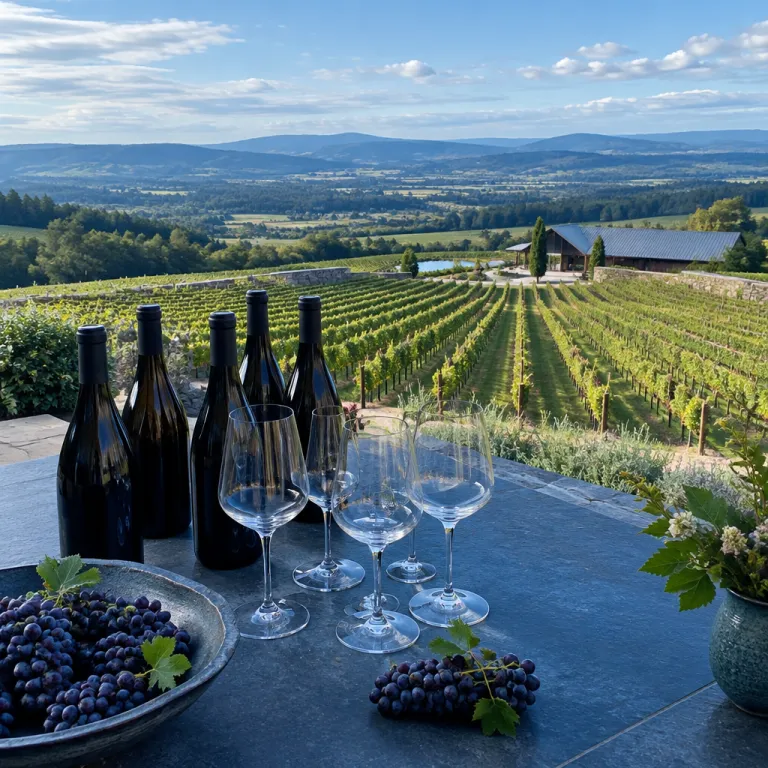
Why Oregon pinot noir captivates refined wine travelers
Oregon pinot noir has become a benchmark for travelers who love nuanced red wines. Cool Pacific air, varied soils, and the sheltered shape of each valley combine to create pinot with bright acidity, layered fruit flavors, and subtle spice. This balance makes every glass of oregon pinot feel both graceful and gastronomic, ideal for long vineyard lunches and contemplative tastings.
Across the willamette valley, pinot thrives on volcanic and sedimentary hill slopes that sit around 150 to 300 metres. These hills moderate temperature swings, helping the noir grape ripen slowly and preserve perfume, while the region’s diurnal shifts keep the wine fresh and precise. When you taste the best Oregon pinot noir at the source, you sense how each vineyard and each estate pinot reflects its own corner of the landscape.
Travelers often compare noir from Oregon with Burgundy, and the parallel is justified. Pinot noir planted here now represents about 59 percent of all wine grapes in the state, according to the Oregon Wine Board, which underlines how central this red variety is to local identity. That focus has pushed wineries to refine techniques such as whole cluster fermentation and limited new oak, giving both entry level wines and reserve pinot cuvées a clarity that rewards careful tasting.
Mapping the willamette valley: hills, corridors, and coastal influence
The willamette valley stretches south from Portland, framed by coastal ranges that shield vineyards yet allow cool marine air to filter through. Within this larger valley, distinct districts such as Dundee Hills, Ribbon Ridge, Yamhill Carlton, and the Van Duzer Corridor shape very different expressions of pinot noir. For a traveler chasing the best Oregon pinot noir, understanding these names on a label turns a simple glass of wine into a map of the region.
Dundee Hills is often the first stop, with its red volcanic soils and gentle hill contours that give silky, red fruited valley pinot. Here, estates like Domaine Drouhin craft estate pinot that marries bright cherry fruit flavors with fine tannins and a long, savory finish. Nearby, Ribbon Ridge and the surrounding valley vineyards sit on older marine sediments, producing darker, more structured oregon pinot that pairs beautifully with richer dishes during a winery lunch.
To the west, the Van Duzer Corridor acts as a wind funnel, pulling cool ocean air into the willamette during warm afternoons. Vineyards in the Düzer Corridor ripen later, so their pinot and even their chardonnay often show higher acidity and more restrained alcohol, which many travelers enjoy with seafood in coastal restaurants. If you are planning a broader journey through great valleys and red wines, the structured styles from Yamhill Carlton and the wind influenced noir willamette from Van Duzer make a fascinating contrast to the Portuguese regions highlighted in this guide to red wine across Portugal’s great valleys.
Iconic estates and must visit vineyards for Oregon pinot
Several estates have become essential stops for anyone serious about tasting the best Oregon pinot noir in situ. Domaine Serene, perched high above the valley, is renowned for high end reserve pinot noirs that show both power and finesse. Their Aspect bottling even earned Best in Show at the Decanter World Wine Awards, a signal that this winery now stands among the oregon top producers globally.
Nearby, Domaine Drouhin brings Burgundian heritage to willamette valley pinot, crafting both estate pinot and chardonnay that emphasize texture and length. Tastings here often compare different vineyard pinot bottlings, allowing you to feel how a single hill or exposure changes fruit flavors from red cherry to darker berry and forest floor. For travelers who love structured red wines, Cristom Vineyards in the Eola Amity Hills offers Mt Jefferson cuvées that balance spice, acidity, and a very fair price for the quality.
Farther afield, Elk Cove Vineyards in the northern valley combines sweeping views with a portfolio that ranges from bright, early drinking pinot noir to more concentrated reserve pinot selections. Their white wines, including crisp estate chardonnay, provide a refreshing counterpoint between flights of red. If you are building a broader education in styles, pairing these Oregon tastings with the structured guidance in this traveler’s guide to red wines from sweet to dry will sharpen your palate and deepen your appreciation of each estate.
Designing a refined willamette valley itinerary around pinot noir
A thoughtful willamette valley journey weaves together tastings, vineyard walks, and unhurried meals that let each wine breathe. Start in Dundee Hills, where you can stroll from one hilltop winery to another, tasting elegant valley pinot while looking across patchwork vineyards. Many estates here offer side by side flights of estate pinot and single vineyard pinot, which is the most direct way to understand how soil and exposure shape the best Oregon pinot noir.
From Dundee, head northwest toward Ribbon Ridge and Yamhill Carlton, where valley vineyards sit on steeper slopes and older marine sediments. The pinot noir here tends to show darker fruit flavors, firmer tannins, and a more brooding style that pairs beautifully with grilled meats in local restaurants. Travelers who love to compare red and white can often add a glass of estate chardonnay or even a textured white blend, which highlights how versatile this cool valley can be.
On another day, drive toward the Van Duzer Corridor to feel the cooling winds that define this sub region. Wineries here often emphasize whole cluster fermentation, minimal new oak, and sustainable farming, resulting in oregon pinot that feels both energetic and gastronomic at the table. Between visits, consider planning a future trip that contrasts these still wines with sparkling cuvées by reading about vintage versus non vintage Champagne for refined vineyard travel, which offers a complementary perspective on cool climate wine regions.
Beyond pinot noir: whites, chardonnay, and food pairings
While the best Oregon pinot noir rightly dominates most itineraries, the region’s white wines deserve a deliberate pause. Estate chardonnay has undergone a quiet revolution here, shifting toward leaner, mineral styles that echo the restraint of top European regions. Many travelers now plan tastings that alternate between red and white flights, which keeps the palate fresh and reveals how a single vineyard can express itself through multiple grapes.
At properties such as Elk Cove and Bergström Vineyards, you can taste chardonnay grown on the same hill as pinot noir, then compare how each wine handles oak, acidity, and texture. These side by side experiences often cost a modest tasting price relative to the depth of insight they provide, especially when you include a reserve pinot in the lineup. Guests who love food and wine pairings will appreciate how Oregon chardonnay works with local seafood, while pinot and other red wines shine with wild salmon, duck, and mushroom dishes.
Some estates also pour aromatic white varieties and rosé, which offer a lighter counterpoint to structured noir willamette bottlings. Enjoy a chilled glass on a terrace overlooking valley vineyards, then return to a focused flight of vineyard pinot to close the afternoon. This rhythm between red and white, between power and delicacy, is part of what makes a willamette valley journey feel so complete for wine focused travelers.
Value, sustainability, and how to choose the best Oregon pinot noir
With so many labels on the shelf, travelers often ask how to select the best Oregon pinot noir to bring home. One reliable approach is to look for willamette valley on the label, then narrow further to named areas such as Dundee Hills, Ribbon Ridge, Yamhill Carlton, or the Van Duzer Corridor. Within those, estate pinot and clearly labeled vineyard pinot usually indicate tighter control over farming and a stronger link between wine and place.
Price can guide expectations but does not always predict pleasure, especially in a region where value wines under about 35 US dollars remain strong. Producers like Cristom Vineyards offer Mt Jefferson cuvées that deliver serious complexity at a great price, while Domaine Serene and Bergström Vineyards focus more on high end reserve pinot with longer aging potential. Many wineries now farm sustainably or biodynamically, which appeals to travelers who love landscapes as much as they love wine.
When planning purchases, remember the expert guidance that answers a frequent traveler question : “What makes Oregon Pinot Noir distinct? Cool climate yields bright acidity, red/black fruit, earth and spice notes. Which AVAs produce top Oregon Pinot? Willamette Valley, Dundee Hills, Yamhill-Carlton, Eola-Amity Hills. Best recent bottles to try? 2023 Domaine Serene Aspect, 2021 Cristom Mt Jefferson Cuvee, 2022 Holocene Memorialis. How should it be stored? Cool cellar, upright first then standing, drink freshest within 5-10 years for non-reserve.” These clear parameters help you select bottles that will travel well, age gracefully, and continue to evoke the valley long after your trip ends.
Key figures for refined Oregon pinot noir travel
- Pinot noir accounts for about 59 percent of all wine grape plantings in Oregon, according to the Oregon Wine Board, which confirms the variety’s dominance in the state’s vineyards.
- The willamette valley sits near 45 degrees north latitude, placing it alongside Burgundy and other classic cool climate regions that excel with red and white wines of finesse.
- Growers across the valley increasingly use whole cluster fermentation and limited new oak, techniques that emphasize fruit flavors and spice rather than heavy wood influence in both estate pinot and reserve pinot.
- Value oriented travelers can find many oregon pinot bottlings under about 35 US dollars, a segment where demand remains strong and quality has risen steadily in recent vintages.
- Key sub regions such as Dundee Hills, Ribbon Ridge, Yamhill Carlton, and the Van Duzer Corridor now host dense clusters of wineries, allowing visitors to taste multiple expressions of the best Oregon pinot noir within short driving distances.
FAQ: planning your Oregon pinot noir journey
What makes Oregon pinot noir different from California pinot?
Oregon pinot noir generally comes from cooler sites in the willamette valley, which leads to higher acidity, lower alcohol, and more red fruit flavors than many California examples. The wines often show earth, spice, and floral notes rather than overt sweetness. Travelers who love food friendly red wines usually find Oregon styles especially versatile at the table.
Which areas should I prioritize for a first visit ?
For a first exploration of the best Oregon pinot noir, focus on Dundee Hills, Ribbon Ridge, and Yamhill Carlton within the willamette valley. These hills and corridors offer a compact cluster of vineyards, wineries, and estates such as Domaine Drouhin, Domaine Serene, Cristom, and Elk Cove. You can taste a wide range of valley pinot styles without spending long hours in the car.
How many wineries can I comfortably visit in one day ?
For a relaxed, in depth experience, plan on two or at most three winery visits per day. This pace leaves time for vineyard walks, unhurried tastings of both red and white wines, and a proper meal between appointments. It also allows you to compare estate pinot and vineyard pinot flights without palate fatigue.
Do I need reservations for tastings in the willamette valley ?
Most top estates now require or strongly recommend reservations, especially for seated tastings of reserve pinot or special flights. Booking ahead ensures you have a dedicated host, enough time to enjoy each wine, and sometimes access to limited bottles at the right price. Spontaneous visits are still possible at some smaller wineries, but planning is wise during peak seasons.
How should I store bottles I buy during my trip ?
Once purchased, keep your oregon pinot and chardonnay cool, ideally below 18 degrees Celsius, and away from direct sunlight. During travel, use insulated wine shippers or ask the winery for protective packaging, then store bottles on their side in a stable, cool place at home. Non reserve pinot noir is usually best within five to ten years, while structured reserve pinot from top estates can age longer under proper conditions.