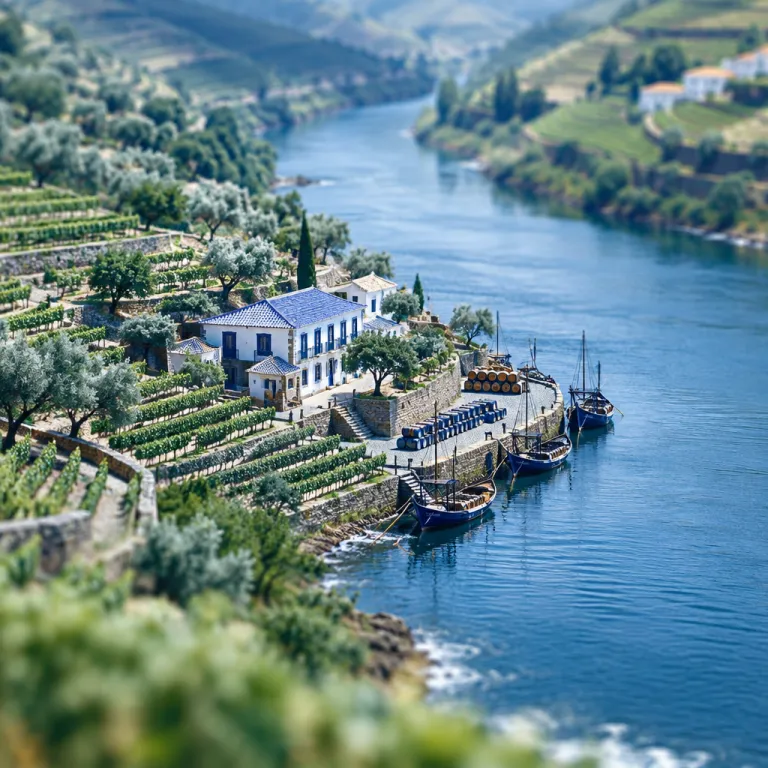
Why Portuguese red wine belongs on every vineyard itinerary
Portuguese red wine offers a rare mix of authenticity and value. Across the country, reds are usually crafted from indigenous grapes, often in blends that reflect each valley’s character. For travelers planning wine-focused journeys, these bottles turn every vineyard visit into a deeper lesson in landscape, history, and local culture.
In classic red wine regions such as the Douro, Dão, Bairrada, and Alentejo, you will taste wines based on grapes that rarely appear elsewhere. Many estates work with a Castelão-led blend or a Touriga Nacional-driven cuvée, sometimes labelled as a reserva when ageing and quality requirements are met. These reserva red wines often sit beside a white or a dry rosé on tasting counters, giving visitors a complete view of the estate’s style in a single stop.
On a typical day, you might compare a structured Douro red with a softer Alentejo bottle, then finish with a glass of traditional-method sparkling from Bairrada. Some estates also pour a delicate rosé or even a bottle-fermented sparkling wine made in a Champagne-inspired style, although only wines from Champagne in France can legally be called Champagne. Serious travelers often keep personal tasting notes and detailed reviews bottle by bottle, which later help them choose mixed cases or a single special bottle to ship home.
Key Portuguese grapes for red wine travelers
Understanding the main grapes behind Portuguese red wine will sharpen every tasting. Touriga Nacional is the country’s flagship red variety, giving dense, ageworthy wines with violet aromas and dark fruit, especially in the Douro and Dão. When you see a Touriga Nacional-based blend on a tasting list, expect structure, perfume, and impressive cellaring potential.
Castelão plays a different role, especially in Setúbal and Palmela, where many producers craft bright, red-fruited blends with lively acidity. These Castelão wines can be lighter in body, which makes them ideal for warm-weather vineyard lunches and for travelers who prefer food-friendly reds. Some estates highlight Castelão in both single-varietal bottlings and mixed blends, allowing visitors to compare how the grape behaves in different soils and microclimates.
Touriga Franca, Tinta Roriz (Tempranillo), and other local grapes often appear in a Touriga-based mix, especially in Douro blends that also supply Port. While Sauvignon Blanc is not a traditional Portuguese variety, some coastal estates now plant it to produce crisp, citrusy whites that refresh the palate between red tastings. If your itinerary already includes an elegant journey through Italian reds, you will notice how Touriga-driven wines from Portugal feel more herbal, mineral, and Atlantic-influenced compared with many Tuscan styles.
Planning a Douro valley route around Portuguese red wine
The Douro Valley is the spiritual home of many iconic Portuguese reds. Terraced vineyards rise steeply above the river, and most estates produce both Port and still red wine from the same parcels. For travelers, this means one visit can cover fortified wines, dry table reds, and sometimes a refreshing rosé or sparkling option.
When planning a Douro itinerary, look for estates that offer structured tastings with clear explanations of each blend and transparent member price information for their wine club. Many Douro producers sell mixed cases that include a classic Douro blend, a Touriga Nacional-based flagship, and occasionally a reserva from top-rated vintages. Keeping your own reviews bottle by bottle will help you compare how a red from low schist terraces differs from a similar blend grown on higher, cooler slopes.
Some Douro cellars also pour limited quantities of traditional-method sparkling wine and experimental Sauvignon Blanc or white blends. These wines provide contrast after several intense reds and help you understand the full range of Douro terroirs. For a practical route, travelers often take the train from Porto to Peso da Régua or Pinhão, then visit nearby quintas such as Quinta do Vallado, Quinta do Seixo, or Quinta do Crasto on a one- or two-day circuit by taxi, boat, or pre-booked transfer.
Beyond Douro : regional contrasts in Portuguese red wines
Leaving the Douro, you will find that each Portuguese region offers a distinct expression of red wine. In Dão, Touriga Nacional and other local grapes give reds with finer tannins and more floral aromas, often ideal for travelers who prefer elegance over power. Many Dão estates also produce fresh whites and pale rosés that pair beautifully with local mountain cuisine.
Farther west, Bairrada is known for firm, ageworthy reds and excellent sparkling wines, sometimes labelled as traditional-method cuvées. Here, producers often sell mixed cases that include a structured red blend, a reserva, and at least one bottle of sparkling wine for celebrations. These selections are popular with member-based wine clubs, where the member price encourages visitors to ship a full case home rather than buying a single bottle.
In the south, Alentejo offers generous reds that feel sun-soaked and approachable. Many estates here experiment with Castelão-based blends and Touriga-led mixes, sometimes adding a touch of international grapes such as Cabernet Sauvignon or even a little Sauvignon Blanc in white blends to soften the profile. Travelers who enjoy comparative tasting often schedule one day in Alentejo after several days in the north, using their own blend reviews to track how climate and soil shape each region’s wines.
How to taste, compare, and buy Portuguese red wine on the road
Thoughtful tasting turns a pleasant visit into a meaningful education in Portuguese red wine. Start each session with a clear plan: compare at least one Castelão-based wine, one Touriga Nacional-led blend, and one reserva if available. Take brief notes on colour, aroma, structure, and finish, then add your own reviews based on food pairings you try at the estate.
Many wineries in Portugal now offer curated flights that include several reds, a white, and sometimes a rosé or sparkling pour. These flights often showcase a Douro blend beside a Castelão-based red from another region, helping you understand stylistic differences in a single sitting. When estates publish technical sheets or provide a printed bottle-by-bottle review, keep it with your own notes so you can later choose which bottles or mixed cases to ship home.
Travelers who join a member-based club often benefit from a lower member price on both single-bottle purchases and larger cases. Some clubs specialise in Touriga-focused selections, while others curate mixed cases that include traditional-method sparkling, still reds, and even a few bottles of Sauvignon Blanc. If you also enjoy refined whites, consider reading an elegant traveller’s guide to the best dry white wine for drinking to balance your cellar with both red and white options.
Pairing Portuguese red wines with regional cuisine during your stay
Food is the final key to understanding Portuguese red wine in context. In the Douro, grilled lamb and slow-cooked stews highlight the structure of Touriga Nacional-based blends, while lighter dishes such as roasted cod can pair with a softer Castelão red. Many rural restaurants also offer a simple white or chilled rosé by the glass, ideal for an aperitif before you move to deeper reds.
Along the coast, seafood-rich menus invite more creative pairings with sparkling wines and even traditional-method cuvées from Bairrada. Travelers often order mixed cases after tasting how a reserva complements roasted pork, while a fresher red blend suits petiscos, the local version of tapas. Keeping short blend reviews in your travel journal will help you remember which Portuguese reds worked best with each dish.
In Alentejo, hearty dishes such as black pork and game call for richer red wine, often a Castelão-based or Touriga-led mix with generous fruit. Some restaurants also pour Sauvignon Blanc or other crisp whites for the first course, then shift to reds for the main plates. By the end of a well-planned trip, your own bottle notes will form a personal guide to pairing Portuguese wines with regional cuisine across the country.
Key figures for travelers exploring Portuguese red wine
- Portugal has more than 250 native grape varieties, and a significant share of these are used in red wines, giving travelers an unusually diverse tasting experience across relatively short driving distances (data from Wines of Portugal, the national wine promotion body).
- The Douro Valley includes over 40 000 hectares of vineyards, and a growing proportion of this area is now dedicated to still red wine rather than only Port, which has expanded tasting options for visitors (figures reported by the Instituto dos Vinhos do Douro e do Porto, IVDP).
- Wine tourism in Portugal has grown steadily, with several regions reporting double-digit increases in cellar-door visits over recent seasons, reflecting strong international interest in Portuguese red wine experiences (trend data highlighted by Turismo de Portugal, the national tourism authority).
- Bairrada and other sparkling-focused regions now export traditional-method wines to more than 100 markets, which means travelers can often find familiar labels at home after visiting these cellars (export statistics published by Wines of Portugal).
FAQ about Portuguese red wine and vineyard travel
Which Portuguese regions are best for red wine focused trips ?
The Douro Valley is essential for structured tastings of Touriga Nacional-based blends and reserva wines. Dão and Bairrada offer more floral, sometimes lighter reds, while Alentejo provides generous, sun-drenched Portuguese reds that are easy to enjoy young.
What grape varieties should I look for on labels ?
Touriga Nacional is the flagship grape for many top-rated Portuguese red wines, especially in the Douro and Dão. Castelão is important in Setúbal and other warmer areas, and you will often see both grapes in a red blend alongside local varieties such as Touriga Franca and Tinta Roriz.
Can I visit wineries without a car in Portugal ?
In some regions, especially around Porto and in parts of Alentejo, local tour operators offer small-group visits to several estates in one day. For more remote Douro quintas, a car or private driver gives greater flexibility, particularly if you plan to buy mixed cases or several bottle selections.
How should I ship Portuguese red wine home safely ?
Most established wineries can arrange international shipping for cases, often at a preferential member price if you join their club. If you carry bottles yourself, use approved bottle protectors in checked luggage and avoid exposing red wine to extreme heat during onward travel.
Is there good value compared with other European wine regions ?
Portuguese red wine generally offers excellent value, especially for Touriga Nacional-based blends and reserva cuvées from less famous appellations. Many travelers report that wines at mid-level prices in Portugal compare favourably with more expensive bottles from other classic European regions.