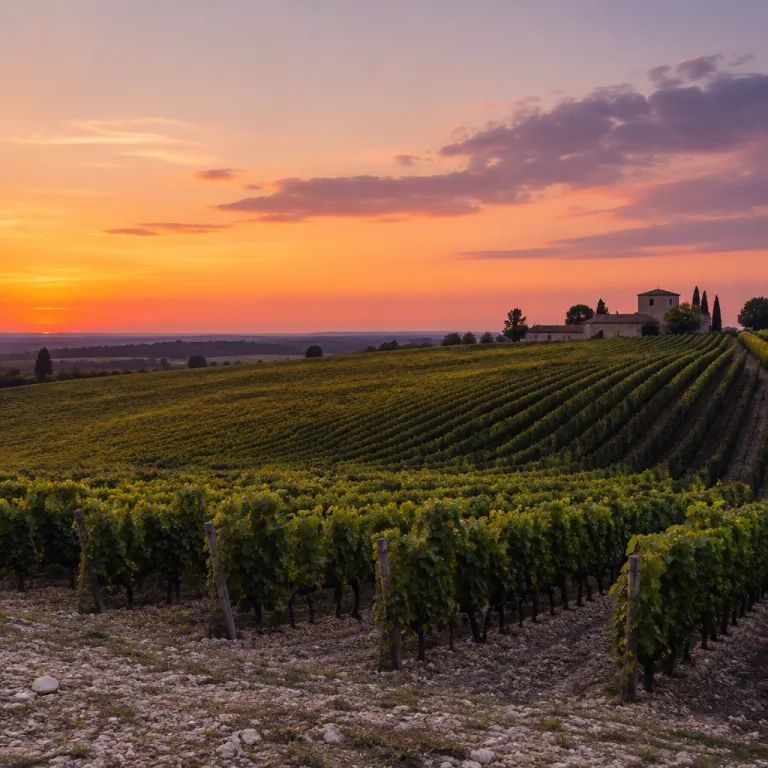
Reading the landscape of right bank Bordeaux wines
Right bank Bordeaux wines unfold east and north of the Dordogne river, where the Libourne area forms a compact mosaic of vineyards. This is the heart of Bordeaux right bank country, and understanding its geography is the first step to choosing the wines that truly suit your travel style. When you stand on a limestone plateau above Saint Émilion, the view explains why these wines feel so different from those of the Left Bank.
The soils here mix clay and limestone, which favour Merlot and Cabernet Franc and give the wine its supple texture and generous fruit. By contrast, the gravel of the Left Bank suits Cabernet Sauvignon, so Left Bank bottles often show firmer tannins and a more linear profile. Knowing this simple Left Bank and Right Bank distinction helps any wine enthusiast plan tastings that move from softer, earlier drinking reds to more structured Bordeaux wines that reward patience.
Merlot usually represents around sixty percent of the blend in many right bank Bordeaux wines, with Cabernet Franc adding lift, spice and freshness. A smaller proportion of Cabernet Sauvignon can appear in some appellations, especially where gravel breaks through the clay, giving extra backbone to the grand wines. When you pick a bottle from a wine list in Libourne or Saint Émilion, ask how the grape varieties are balanced, because that ratio shapes everything from silky tannins to aging potential.
Before you travel, study a detailed map of the Bordeaux right bank appellations and trace the curve of the Dordogne around Libourne. A practical way to prepare is to learn how to read a wine region map and classification system using a guide such as research that makes the difference when reading appellations. This groundwork lets you move beyond generic Bordeaux and focus on specific wines, châteaux and villages that match your taste.
Saint Émilion and its satellites for the curious wine traveller
Saint Émilion is the largest and most visited appellation for right bank Bordeaux wines, wrapped around a medieval hilltop village that feels purpose built for slow vineyard walks. The official Saint Émilion classification is revised periodically, which keeps the spotlight on quality and makes the list of grand cru and premier grand cru classé estates unusually dynamic. For travellers, this means that returning after a few seasons can reveal new names among the top wines châteaux, alongside long established icons.
Within the wider Saint Émilion area, you will encounter labels marked simply as Saint Émilion, as well as Saint Émilion Grand Cru, which follows stricter production rules. The term grand cru here differs from the Médoc cru classé system on the Left Bank, so it is worth asking at each chateau how they interpret their status in terms of yields, oak aging and tannin management. Many estates favour gentle extraction to keep tannins fine, resulting in wines that show silky tannins even in youth, especially when Merlot dominates the blend.
Satellite appellations such as Lussac Saint Émilion and Montagne Saint Émilion offer excellent value for wine enthusiasts who want to taste widely without exhausting their travel budget. These smaller appellations share similar clay limestone soils with the central plateau, and their wines often echo the style of more famous neighbours while remaining accessible in both price and structure. A thoughtful pick from these satellites can be a smart bottle to add to your cellar stock after a tasting, especially in magnum format for long aging.
When planning visits, balance renowned names with lesser known estates that welcome travellers for in depth tours of their vineyards and cellars. Ask to taste both current releases and an older bottle if available, because this contrast shows how right bank Bordeaux wines evolve from bright red fruit to more complex notes of truffle and tobacco. Many châteaux now offer online reservation systems that resemble an “add to cart” experience, allowing you to secure tasting slots before you even arrive in Bordeaux right bank country.
Pomerol and the quiet power of clay rich Merlot
Pomerol is a compact appellation on the Bordeaux right bank, just northwest of Saint Émilion, and it produces some of the most coveted Merlot based wines in the world. Unlike Saint Émilion, Pomerol has no official cru classé or grand cru classification, yet its reputation rests on a cluster of legendary estates and consistently high quality. For travellers, this absence of formal ranking encourages you to judge each wine and each chateau on its own merits rather than on a label hierarchy.
The deep clay and gravelly patches of Pomerol give Merlot a different expression from neighbouring Saint Émilion, often denser and more opulent, with tannins that feel plush rather than firm. Cabernet Franc plays a crucial supporting role here, adding aromatic lift and structure that keeps the wine from becoming heavy, while small amounts of Cabernet Sauvignon can bring extra spine in certain parcels. When you taste across several Pomerol wines in one day, pay attention to how the tannins shift from velvety to more structured as the proportion of Cabernet Franc increases.
Names such as Vieux Château Certan, Château Cheval Blanc on the Saint Émilion border, and Château Angélus in nearby Saint Émilion illustrate the range of styles that Merlot and Cabernet Franc can achieve on the right bank. While Cheval Blanc and Château Angélus carry Saint Émilion grand cru classé status, their vineyards straddle soil types that echo Pomerol’s complexity, making them essential stops for any serious wine enthusiast. At Vieux Château Certan, the interplay of grape varieties shows how a carefully judged blend can deliver both power and finesse in a single bottle.
To appreciate the landscape that shapes these wines, schedule time for vineyard walks along marked paths that cross from Saint Émilion into Pomerol. A resource such as the guide to vineyard landscapes and walking routes at harvest time can help you choose routes that pass close to emblematic châteaux without disturbing vineyard work. Walking between appellations gives you a physical sense of how a few hundred metres of elevation or a subtle soil change can transform the style of right bank Bordeaux wines.
Inside the cellar: how right bank Bordeaux wines are crafted
Understanding what happens in the cellar deepens every tasting of right bank Bordeaux wines, especially when you can see the process during a visit. Most estates harvest Merlot first, as it ripens earlier than Cabernet Franc and Cabernet Sauvignon, then ferment each grape variety separately before blending. This approach lets the winemaking team assess the character of each parcel and decide how much of each component will shape the final wine.
Fermentation typically takes place in temperature controlled stainless steel or concrete vats, followed by aging in oak barrels that may be new, second fill or older depending on the style sought. A higher proportion of new oak can add spice and structure, but on the Bordeaux right bank many producers now prefer a more restrained use of wood to highlight fruit purity and natural tannins. The goal is often to produce wines that are approachable within five to eight years while still offering the depth to age gracefully for longer.
As one reference succinctly puts it, “Merlot proportion in Right Bank blends is 60 percent” and “Many are drinkable by year 5-8; top examples age longer.” These figures help explain why travellers often find right bank Bordeaux wines more immediately charming than some Left Bank counterparts, which may require extended cellaring. When you taste barrel samples during an en primeur visit, ask how the team expects the tannins to evolve, because this will guide your decision on whether to drink a bottle young or keep it in stock for a decade.
Many châteaux now offer comparative tastings that set their grand vin alongside a second wine, sometimes poured from both standard bottle and magnum to show how format influences aging. A magnum ages more slowly than a single bottle, preserving freshness and silky tannins for special occasions, which makes it a compelling pick for travellers who want a tangible memory of their visit. When you order wines after a tasting, the process may feel like adding items to a digital cart, yet behind each “add to cart” click lies a complex chain of vineyard decisions and cellar craft.
Planning your stay: where to base yourself on the Bordeaux right bank
Choosing the right base is essential for exploring right bank Bordeaux wines without spending hours in transit each day. The town of Libourne offers practical rail connections and easy road access to both Saint Émilion and Pomerol, making it an efficient hub for travellers who want to visit several appellations. Staying in or near the village of Saint Émilion, by contrast, immerses you in vineyard views from dawn to dusk, with many châteaux just a short walk or cycle ride away.
When selecting accommodation, prioritise proximity to the estates you most want to visit and consider how you will move between them safely after tastings. Some properties partner with local drivers or guides who understand the patchwork of back roads that link one chateau to the next, which can be invaluable when appointments run close together. If you plan to bring back several bottles or even a magnum or two, check in advance whether your lodging can help with shipping arrangements or provide secure storage during your stay.
Food plays a central role in any trip focused on Bordeaux wines, and the right bank offers everything from simple bistros to refined dining rooms that showcase local produce. Look for menus that highlight pairings with Merlot based wines, such as duck breast with a structured Saint Émilion grand cru or slow cooked lamb with a richer Pomerol. These meals allow you to test how different grape varieties and tannin levels respond to fat, salt and spice, turning dinner into an informal masterclass.
Cultural experiences can enrich your understanding of the region beyond the cellar door, especially when art and architecture intersect with wine. For insight into how leading families think about this connection, read about initiatives such as the mandate on art, architecture and wine described in this feature on art and wine leadership. Approaching Bordeaux right bank travel through this broader lens helps you see each chateau not only as a producer of wine, but as a cultural actor shaping the landscape.
Buying, shipping and cellaring right bank Bordeaux wines after your trip
Many travellers fall in love with right bank Bordeaux wines on site and want to bring that experience home in the form of carefully chosen bottles. The first decision is whether to buy directly at the chateau, through a local caviste, or via a specialist merchant who can manage international shipping. Buying at the estate often gives access to back vintages or large formats such as magnums, while a caviste can help you compare several appellations side by side.
When you pick wines to ship, think in terms of a balanced stock that reflects both immediate drinking and long term aging. Include approachable Saint Émilion or satellite bottles for near term enjoyment, alongside more structured Pomerol or classified Saint Émilion grand cru wines for the cellar. If you are a wine enthusiast building a collection, consider at least one magnum of a favourite chateau, because this format can show the evolution of silky tannins over a longer horizon.
Understanding basic storage principles will protect your investment once the wines arrive. Keep bottles lying horizontally in a cool, dark space at a stable temperature around 12 °C, away from vibration and strong odours, to preserve both fruit and tannins. If you lack a dedicated cellar, a temperature controlled cabinet can serve as a reliable “bank” for your Bordeaux wines, ensuring that a treasured bottle of Cheval Blanc, Château Angélus or Vieux Château Certan reaches its grand potential.
For travellers who prefer not to manage logistics themselves, many merchants now offer online platforms where you can select wines, place them in a virtual cart and choose professional storage instead of home delivery. This approach lets you gradually build a diversified portfolio of Bordeaux right bank and Left Bank bottles without worrying about space or conditions. Over time, tasting these wines as they mature will reconnect you to the landscapes, châteaux and vineyard paths that first drew you to the right bank.
Comparing right bank and left bank for future vineyard journeys
Once you have spent time among right bank Bordeaux wines, it becomes natural to compare them with the Left Bank and plan future trips accordingly. The Left Bank, centred on the Médoc and Graves, is dominated by Cabernet Sauvignon and a historic cru classé system that dates back to the nineteenth century. By contrast, the Bordeaux right bank feels more intimate and Merlot driven, with classifications that are either more recent, as in Saint Émilion, or absent altogether, as in Pomerol.
From a tasting perspective, Left Bank wines often show higher acidity and firmer tannins in youth, which can make them seem more austere when compared directly with the plush fruit of many right bank bottles. Travellers who favour structure and longevity may gravitate towards appellations such as Pauillac or Saint Julien, while those who enjoy earlier drinking wines with silky tannins may prefer Saint Émilion or Pomerol. The key is to recognise that both banks offer grand wines, and that your own palate should guide how you allocate time between them.
For future vineyard journeys, consider alternating stays between the two banks to experience the full spectrum of Bordeaux wines and grape varieties. One trip might focus on the clay limestone slopes of Saint Émilion and the compact plateau of Pomerol, while the next explores the gravelly terraces of the Médoc and the nuanced whites of Pessac Léognan. Over several visits, you will build a mental map of how soil, climate and human choices interact across the region, turning Bordeaux from a single word on a label into a richly layered landscape.
As you refine your preferences, keep notes on which châteaux, appellations and vintages impressed you most, and how each bottle evolved over the course of an evening. These observations will help you make more confident picks from restaurant lists and retail shelves, whether you are adding a single bottle to your dinner table or planning a larger shipment to replenish your cellar stock. In time, the right bank will become not just a place you visited, but a reference point for understanding fine wine more broadly.
Key figures for right bank Bordeaux wines
- The combined vineyard area of Saint Émilion and Pomerol on the Bordeaux right bank covers approximately 1 533 hectares, making it a relatively compact yet densely planted zone compared with some sprawling New World regions (regional wine reporting data).
- Merlot typically accounts for around 60 percent of the blend in many right bank Bordeaux wines, a proportion that explains their supple texture and early approachability compared with Cabernet Sauvignon dominated Left Bank wines (appellation level technical sheets).
- Many right bank wines reach an enjoyable drinking window between five and eight years after the harvest, while top examples from leading châteaux can comfortably age for several decades under proper cellaring conditions (estate library release programmes).
- Satellite appellations around Saint Émilion often offer price points that are 20 to 40 percent lower than comparable classified growths, providing strong value for travellers who want to ship mixed cases home (merchant price surveys).
- Large formats such as magnums represent a small fraction of total production, often less than five percent at many estates, yet they are highly sought after by collectors for their slower, more graceful aging curve (chateau bottling statistics).
FAQ about right bank Bordeaux wines and travel
What grape is dominant in right bank Bordeaux wines ?
Merlot is the dominant grape in right bank Bordeaux wines, typically making up about sixty percent of the blend in many Saint Émilion and Pomerol estates. Cabernet Franc usually plays the main supporting role, adding freshness, spice and structure. Smaller amounts of Cabernet Sauvignon may appear in some wines, especially where gravel soils are present.
Which appellations are most important on the Bordeaux right bank ?
The two most important appellations on the Bordeaux right bank are Saint Émilion and Pomerol, both centred around the town of Libourne. Saint Émilion is larger and has a formal classification that includes grand cru and premier grand cru classé estates. Pomerol is smaller, with no official classification, yet it is home to some of the most prestigious Merlot based wines in the world.
Do right bank Bordeaux wines require long aging before drinking ?
Many right bank Bordeaux wines are enjoyable within five to eight years after the harvest, thanks to their Merlot dominance and generally softer tannins. Top cuvées from leading châteaux can benefit from longer aging, often developing complex aromas of truffle, tobacco and dried flowers over time. During a visit, ask the estate for guidance on ideal drinking windows for each wine you buy.
Is it easy to visit both Saint Émilion and Pomerol in one trip ?
Visiting both Saint Émilion and Pomerol in a single trip is straightforward, because the two appellations sit next to each other on the Bordeaux right bank. Basing yourself in Libourne or in the village of Saint Émilion allows quick access to both areas by car, bicycle or hired driver. With careful planning, you can schedule morning tastings in one appellation and afternoon visits in the other without feeling rushed.
How should I transport and store bottles bought during my Bordeaux right bank travels ?
For short distances, carry bottles upright in padded wine sleeves or cartons, avoiding extreme temperatures and direct sunlight. For international travel, consider professional shipping from a merchant or chateau, especially if you are buying a mixed case or magnums. Once home, store the bottles horizontally in a cool, dark, vibration free space at around 12 °C to preserve fruit, tannins and long term aging potential.
Suggested references for further reading : Institut National de l’Origine et de la Qualité (INAO) for appellation rules ; Conseil Interprofessionnel du Vin de Bordeaux (CIVB) for regional statistics ; major wine publications such as Decanter for estate profiles and vintage reports.