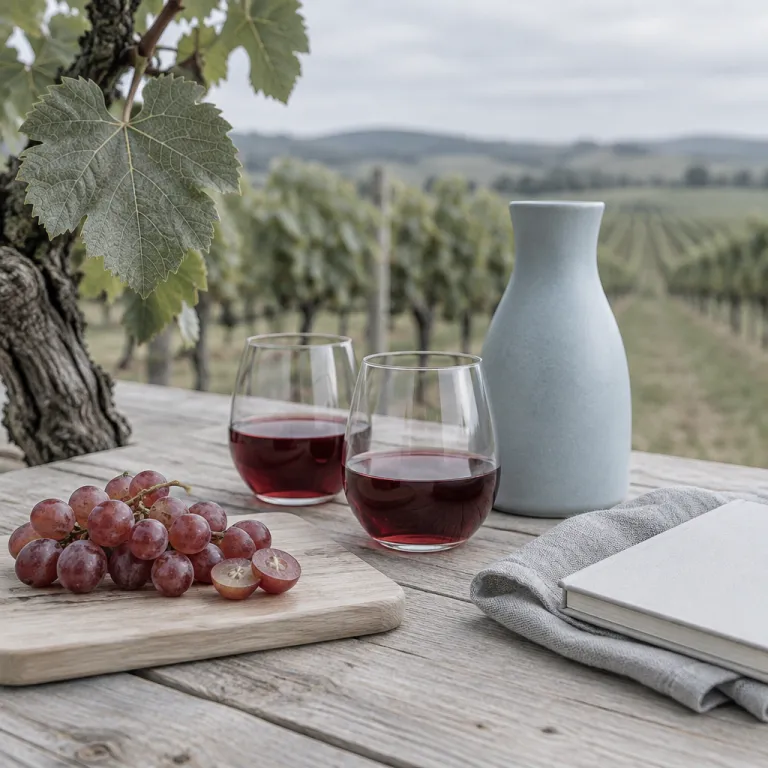
Understanding low tannin wines before you plan your vineyard journey
Before booking a stay among the vines, it helps to understand how low tannin wines behave in the glass. Tannins are natural compounds in grape skins, seeds, and stems that create structure in red wine and can feel drying on your gums. When you choose a wine low in tannin, you usually experience a softer texture, lighter grip, and a more fruit forward profile that many travellers find easier to enjoy over a long lunch.
Most red wines gain their tannin from extended contact with grape skins during fermentation, while white wines are pressed off the skins quickly and therefore contain far fewer tannins. This is why a light white such as sauvignon blanc or other aromatic white wines often feels refreshing, while a high tannin red like a structured cabernet sauvignon can seem firm and powerful. For sensitive palates, lower tannin red wine styles can make a tasting itinerary far more comfortable, especially when you plan several cellar visits in a single day.
Low tannin wines are not automatically the best wines, but they are often the best low impact option for travellers prone to headaches or mouth dryness. When you read tasting notes, look for terms such as light bodied, soft tannic structure, and juicy fruit to identify wine low in astringency. These clues will guide you towards grape varieties and regions where low tannins are part of the local identity, shaping both the wines and the relaxed pace of vineyard hospitality.
Key grape varieties and regions for gentle, low tannin red wines
For travellers seeking low tannin wines, certain grape varieties consistently offer a softer style. Pinot noir is the classic example of a light red with delicate tannins, especially in cooler regions where the grapes ripen slowly and retain bright fruit. When you visit pinot focused regions such as Burgundy’s Côte de Beaune or New Zealand’s Central Otago, you will often find that the tannin profile is silky rather than drying, which makes extended tastings more enjoyable.
In France, Beaujolais crafted from the Gamay grape is renowned for its light colour, low tannin structure, and vibrant fruit forward character. Many Beaujolais wines are made using semi carbonic maceration, a technique that limits harsh extraction from grape skins and keeps wine tannins gentle. Travellers exploring villages such as Fleurie or Morgon can taste red wines that feel almost like chilled red fruit juice, yet still show enough structure to pair with local charcuterie.
By contrast, regions famous for cabernet sauvignon often produce high tannin red wines that can feel firm in their youth. When you tour such areas, ask for lower tannin cuvées, second labels, or blends where cabernet is softened by merlot or other grape varieties. For a deeper dive into how blended reds behave on the palate during travel, consult this elegant guide to red blend wine experiences, which highlights options where tannic wines remain approachable.
How winemaking choices shape tannin levels in your glass
Even within the same grape, winemaking decisions can dramatically change tannin levels and texture. A pinot noir fermented gently at cooler temperatures with minimal pumping over will usually yield low tannin wines with soft, light structure. The same grape fermented hot with extended maceration on grape skins can create surprisingly tannic wines that feel more like a robust red.
Many producers aiming for the best low tannin red wines shorten the time that juice spends on the skins, or they use whole cluster fermentation to add perfume without extracting too much tannin. Some also choose larger, older barrels that contribute less wood tannin, keeping the focus on pure fruit and supple wine tannins. When you tour cellars, ask to compare a high tannin cuvée with a lower tannin bottling from the same estate, as this side by side tasting will sharpen your understanding.
Travellers who enjoy both red and white wines can also explore lightly macerated whites, sometimes called orange wines, which gain a gentle tannic grip from brief skin contact. These wines sit between classic sauvignon blanc and pale red wine in structure, offering a different way to experience tannins in wine during a trip. For those who prefer sweeter profiles with almost no tannin, this traveller’s guide to fruity red wine journeys shows how fruit forward styles can complement low tannin itineraries.
Planning vineyard visits around low tannin wines and food pairings
Thoughtful itinerary planning will help you enjoy low tannin wines without palate fatigue. Start your tasting days with white wines or very light reds, then move gradually towards slightly more tannic wines as your mouth adjusts. This progression mirrors the way professional sommeliers structure flights, protecting your perception of fruit and acidity.
In regions where both red wines and white wines are produced, schedule morning visits at estates known for sauvignon blanc or other crisp whites, then reserve the afternoon for pinot noir, Beaujolais style reds, or other lower tannin options. When lunching at vineyard restaurants, pair light red wine with local dishes such as grilled vegetables, charcuterie, or simply roasted poultry, where low tannins complement rather than dominate. High tannin cabernet sauvignon or other tannic wines are better saved for dinners with richer meats, when your palate is ready for more structure.
Price can also guide your choices, because many approachable, fruit forward low tannin wines are positioned at a moderate price point. Ask tasting room staff which wine low in tannin they open most often for casual meals, as this usually indicates a reliable everyday bottle. If you enjoy dessert stops, consider adding a visit focused on sweet or semi sweet wines, using this elegant guide to sweet Moscato wine as a reference for balancing sugar, acidity, and very low tannin.
Comparing low tannin reds with whites during your travels
Many travellers begin with white wines and only later explore low tannin red wines, yet both styles can coexist beautifully on a single trip. A crisp sauvignon blanc served as an aperitif prepares your palate with acidity, while a light pinot noir follows seamlessly with gentle tannin and red fruit. Alternating between white and red wine in this way keeps tastings lively and reduces fatigue.
From a structural perspective, most white wines contain very low levels of tannin because the juice is separated from grape skins quickly. This makes them ideal for hot afternoons on a terrace, when high tannin reds might feel heavy or drying. In contrast, low tannin wines made from red grapes offer more colour and subtle grip, which can be perfect for cooler evenings or shaded vineyard picnics.
When comparing wines across a region, pay attention to how grape varieties influence both aroma and mouthfeel. Pinot noir and Beaujolais style reds usually show soft wine tannins and bright fruit, while cabernet sauvignon and other high tannin grapes deliver more structure and ageing potential. By consciously alternating between lower tannin reds and refreshing whites, you will build a nuanced understanding of how tannin levels shape the overall pleasure of wine tourism.
Practical tips for sensitive palates and low tannin focused itineraries
Travellers who are sensitive to tannins can still enjoy red wines with a few practical adjustments. Choose regions and producers known for light styles, such as pinot noir, Beaujolais, or other fruit forward grape varieties that naturally yield low tannins. When reading tasting room lists, prioritise descriptions mentioning soft texture, juicy fruit, and gentle structure rather than firm or grippy tannic wines.
Hydration plays a crucial role, because tannin binds with proteins in your saliva and can intensify the sensation of dryness. Alternate each glass of wine with water, and include food at every stop to buffer both acidity and wine tannins. If you encounter a high tannin cabernet sauvignon or similar red wine that feels too strong, simply swirl, spit, and move on to a lower tannin option without hesitation.
Finally, remember that low tannin wines are not limited to reds, as many white wines and lightly macerated styles offer almost no tannin at all. A balanced itinerary that mixes white, rosé, and gentle red wines will keep your palate fresh while still showcasing the diversity of grape skins, regions, and winemaking traditions. With thoughtful planning around price, style, and personal tolerance, your next journey through the vineyards will feel both elegant and comfortably tailored to your taste.
Key figures on tannins, wine styles, and traveller preferences
- Technical summaries from the Australian Wine Research Institute report that tannin concentration in robust red wines such as young cabernet sauvignon can exceed 1,500–2,000 mg/L of catechin equivalents, while many light pinot noir wines sit closer to 300–600 mg/L, which helps explain why lower tannin styles feel softer on the palate.
- Industry surveys by organisations such as Wine Intelligence indicate that roughly one in five regular wine drinkers describe themselves as sensitive to astringency, and this group tends to favour fruit forward, low tannin wines when choosing red wines for casual occasions.
- Global statistics from the International Organisation of Vine and Wine show that white wines account for close to 50% of worldwide still wine consumption in recent years, a share partly driven by drinkers who prefer wines with very low tannin levels and refreshing acidity.
- Market analysis from IWSR and similar research bodies suggests that lighter style red wine categories, including pinot noir and Beaujolais, have grown faster than the overall red segment in several mature markets, reflecting increased demand for approachable, lower tannin options among urban travellers and younger consumers.
FAQ about low tannin wines for vineyard travellers
Which red grape varieties usually produce the softest, low tannin wines ?
Pinot noir and Gamay for Beaujolais are among the most reliable sources of naturally low tannin red wines, especially when grown in cooler climates. These grapes have thinner skins and are often vinified gently, which keeps wine tannins supple. Travellers seeking light reds should start with these varieties before exploring other lower tannin options.
How can I tell if a wine will be high in tannin before tasting ?
Look at both the grape and the winemaking style described on the label or tasting sheet. Grapes such as cabernet sauvignon, nebbiolo, and syrah typically produce high tannin wines, especially when aged in new oak. Terms like structured, firm, or grippy usually signal more tannin, while soft, juicy, or fruit forward suggest lower tannin levels.
Are white wines always low in tannin compared with reds ?
Most white wines are significantly lower in tannin than red wines because the juice is pressed off grape skins quickly. However, some skin contact whites and orange wines can show a gentle tannic grip, though still less than many reds. If you are very sensitive, choose fresh styles such as sauvignon blanc or unoaked blends for minimal tannin.
What food should I pair with low tannin red wines during a vineyard lunch ?
Low tannin red wines pair beautifully with grilled vegetables, poultry, charcuterie, and soft cheeses, where their light structure and red fruit do not overpower the dish. Avoid very fatty steaks or heavily spiced dishes that might benefit from higher tannin structure. In many wine regions, local bistros design menus specifically to complement these softer styles.
Do low tannin wines age as well as more tannic wines ?
Tannin acts as a natural preservative, so very high tannin wines often have greater ageing potential than low tannin wines. Many light reds and whites are crafted for enjoyment within a few years, when their fruit forward character is at its peak. Travellers focused on cellaring should discuss specific cuvées with producers, as some balanced, lower tannin wines can still age gracefully.