Why appassimento wine belongs on your next vineyard itinerary
Appassimento wine sits at the crossroads of craftsmanship, landscape, and patient time. For a traveler, it offers a rare chance to watch a traditional appassimento method transform fresh grapes into concentrated appassimento wines with remarkable structure. Planning a visit around this process lets you taste wines appassimento style at every stage, from fragrant grape to full bodied bottle.
In Valpolicella, north of Verona, producers in Valpolicella such as Allegrini, Masi, and Tommasi have turned the appassimento method into an art. Here, grape varieties such as corvina, corvinone, rondinella, and molinara are harvested for amarone and recioto, then moved from vineyard rows into fruttai, the dedicated drying lofts. This shift from open air vines to quiet lofts is where the appassimento wine story truly begins for curious wine travelers.
As the grapes dry slowly off the vine, sugars concentrate, acidity tightens, and aromas deepen into layers of dried fruit and fruit spices. According to the Consorzio Tutela Vini Valpolicella, bunches for amarone typically lose around 30 percent of their weight over a 90 to 110 day period, which helps explain the intensity of the finished wines. Experiencing these wines in their birthplace gives context to every note of dried fruit, every hint of sugar, and every aromatic nuance in the glass.
Travelers often ask whether appassimento wines are always sweet, especially when they first encounter recioto or vin santo in a winery tasting room. The answer from local experts is clear and consistent: amarone can be dry while recioto remains sweet, even though both rely on grapes dried post harvest. Understanding how residual sugar is managed during fermentation becomes far more vivid when you stand beside the tanks and taste fermenting must with a winemaker.
For those planning a wine focused journey, timing matters because the post harvest period is when the most fascinating work happens. Visiting between harvest and late winter lets you see the grapes dried on racks or straw mats, watch the gradual concentrating sugars, and sense how the future alcohol content is being shaped. This is when the winery feels both like a working farm and a quiet cathedral of aging wines, and it is when appassimento wine reveals its most intimate side to attentive guests.
Inside the fruttaio: harvesting and drying grapes in Valpolicella
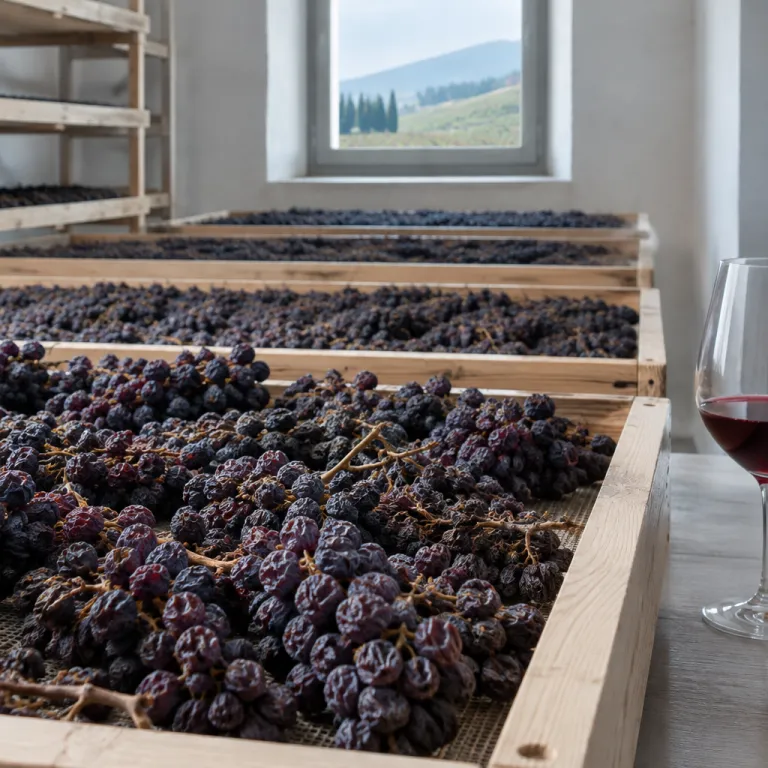
The heart of appassimento wine lies in the fruttaio, the ventilated loft where grapes dried off the vine slowly lose water. After careful hand harvesting, bunches destined for amarone and recioto are laid in single layers on wooden racks, plastic crates, or traditional straw mats. This is the moment when ordinary wine grapes begin their transformation into the raw material for some of Italy’s most distinctive wines appassimento style.
Producers in Valpolicella select only the healthiest grape varieties for this demanding process, because any damaged grape can compromise the entire crate. Corvina and its cousins bring thick skins and naturally high acidity, which help protect the fruit during the long drying period that often lasts around ninety days. Over this time, the grapes dried in the fruttaio can lose roughly thirty percent of their weight, concentrating sugars, acids, and future aromas into a smaller, more intense grape.
Walking through a fruttaio during the post harvest period is an unforgettable travel experience for any wine lover. The air is filled with aromatic notes dried from fruit, gentle spice, and a faint sweetness that hints at future amarone della Valpolicella or recioto della Valpolicella. You can see how the appassimento method relies on natural ventilation, sometimes supported by discreet fans or dehumidifiers, to guide the drying process without cooking the fruit.
Not every winery follows the same approach, which makes visiting several estates especially rewarding for travelers. Some still use traditional straw mats and open windows, while others employ modern crates and carefully controlled airflow to manage sugars and prevent rot. A few producers experiment with shorter drying for so called leggermente appassito wines, creating lighter appassimento wines that still show dried fruit character but with lower alcohol content and a fresher structure.
Pair this visit with a contrasting coastal or cool climate experience, such as a trip to Santa Barbara’s vineyards described in this guide to a romantic rosé journey through Santa Barbara’s vineyards. Experiencing both sun drenched Californian fruit and the concentrated grapes dried in Valpolicella highlights how climate and process shape wine styles. You return to the fruttaio with a sharper sense of how appassimento wines stand apart in texture, aromas, and aging potential.
From dried fruit to glass: tasting amarone, recioto, and beyond at the winery
Once the drying period ends, the appassimento method moves from loft to cellar, and this is where your winery visits become especially instructive. The shriveled grapes, now rich in sugars and notes dried of fruit, are gently crushed and fermented into powerful appassimento wines. Standing beside the tanks, you can taste the must and feel how the high sugar levels will translate into elevated alcohol content or residual sugar, depending on the style.
Amarone is typically fermented to dryness, creating a full bodied red wine with firm structure, complex fruit spices, and very little residual sugar. Recioto, by contrast, is stopped earlier, preserving natural sugars and resulting in a sweet wine that still carries the same corvina based grape varieties and dried fruit character. Some wineries even offer amarone recioto vertical tastings, allowing you to compare how different vintages and aging regimes express the same appassimento method.
During a guided tasting, ask to sample both amarone della Valpolicella and recioto della Valpolicella side by side. The contrast between dry and sweet, between higher alcohol content and more pronounced sugar, reveals how flexible appassimento wine can be in the hands of skilled producers in Valpolicella. Many estates also pour vin santo or other regional sweet wines, giving you a broader view of how grapes dried off the vine can create diverse wines across Italy.
Thoughtful wineries often include white appassimento wines made from grape varieties such as garganega or trebbiano, which show a different aromatic profile. These wines appassimento style tend to highlight citrus peel, dried flowers, and subtle fruit spices rather than the dark dried fruit typical of red amarone. Tasting them alongside traditional reds helps you understand how grape varieties and drying duration shape aromas, structure, and aging potential.
If you are planning to bring bottles home, consider reading about elegant gift bags for wine lovers before your trip. Appassimento wines, especially amarone and recioto, make impressive gifts thanks to their richness, aromatic complexity, and connection to a specific place. Presenting them thoughtfully extends the story of your visit, from grapes dried in a fruttaio to the final shared glass at your table.
Designing a Valpolicella itinerary around the appassimento process
To fully appreciate appassimento wine, structure your Valpolicella journey around the harvest and drying calendar. Start with a morning walk through vineyards when the grape harvest is either underway or recently completed, so you can see how bunches for amarone and recioto are selected. Guides often explain how grape varieties are allocated, with the best corvina and companions reserved for appassimento wines and the rest destined for fresher, earlier drinking wines.
From the vineyard, move to the fruttaio where grapes dried on racks or straw mats begin their slow transformation. Here you can observe how weight loss of around thirty percent over several weeks concentrates sugars and flavours, setting the stage for full bodied wines with higher alcohol content. Many wineries now offer dedicated fruttai tours, allowing visitors to feel the temperature, smell the aromas, and understand how crucial this phase is to the final structure of the wine.
Afternoons are ideal for cellar visits, where you follow the process from fermentation to aging in large casks or smaller barrels. Tasting amarone della Valpolicella at different aging stages shows how notes dried of fruit, fruit spices, and gentle sweetness integrate into a harmonious whole. Some estates also pour experimental wines appassimento style, such as leggermente appassito reds with shorter drying that emphasize fruit over power.
Include time for food pairings, because local cuisine reveals another dimension of appassimento wines. Rich meat dishes, aged cheeses, and even dark chocolate desserts highlight the interplay between residual sugar, acidity, and tannic structure in amarone and recioto. When you taste a sweet wine like recioto alongside blue cheese, the balance between sugars and salt becomes a memorable lesson in pairing.
As you plan, pay attention to sustainability, which is becoming central to European wine tourism and production. Regulations are pushing wineries to measure energy use in drying lofts, manage water in the cellar, and document their environmental impact, as explored in this analysis of the EU directive reshaping sustainable wine tourism. Choosing estates that share data on their drying process, energy consumption, and vineyard practices helps ensure that your appassimento wine journey supports responsible producers.
Beyond Valpolicella: appassimento wines and related styles across Italy
While Valpolicella remains the spiritual home of appassimento wine, the technique has inspired winemakers across Italy and beyond. In other regions, grapes dried on straw mats or hung in airy lofts become the base for vin santo, passito, and various regional sweet wine specialties. For travelers, this opens the possibility of tracing a broader map of wines appassimento style, each with its own grape varieties and cultural context.
In Tuscany, for example, vin santo is traditionally made from white grape varieties such as trebbiano and malvasia, which are dried for months before pressing. The resulting wines show intense aromas of dried fruit, nuts, and fruit spices, with a structure that can range from lusciously sweet to more restrained, depending on residual sugar levels. Tasting vin santo alongside amarone recioto flights in Valpolicella highlights how similar drying processes can yield very different expressions.
Other Italian regions experiment with red and white appassimento wines that may not carry the famous della Valpolicella designation but still rely on grapes dried off the vine. Some producers in the south use local grape varieties to craft full bodied reds with elevated alcohol content and pronounced notes dried of fruit. These wines often pair beautifully with hearty regional dishes, giving travelers another reason to seek them out in local enotecas and winery tasting rooms.
Internationally, winemakers in countries such as Canada and the United States have adopted elements of the appassimento method. They may shorten the drying period, use controlled temperature rooms instead of traditional fruttai, or experiment with different varieties to balance sugars, acidity, and tannins. For wine travelers, visiting these wineries offers a fascinating comparison between Old World tradition and New World innovation in handling grapes dried post harvest.
When planning such multi region trips, keep notes on how each winery manages the process, from harvest timing to drying duration and aging choices. Recording details about grape varieties, residual sugar, and perceived structure in each wine helps you build a personal reference library. Over time, you will taste how the same fundamental appassimento method can produce a spectrum of wines, from delicate sweet wine styles to powerful, dry reds built for long aging.
Practical tips for travelers exploring appassimento wine regions
Successful appassimento wine travel starts with aligning your visit to the key phases of the harvest and drying cycle. Aim for the post harvest months when grapes dried in fruttai are most visible, and wineries are actively managing ventilation, sorting fruit, and monitoring sugars. During this period, you can often watch workers turning crates, checking for damaged grape clusters, and discussing how the current season will influence structure and alcohol content.
When booking tastings, prioritize wineries that explicitly mention appassimento wines, amarone, or recioto in their visit descriptions. These estates are more likely to offer in depth explanations of the appassimento method, from the choice of grape varieties to the length of drying and the style of aging. Ask whether you can taste both amarone della Valpolicella and recioto della Valpolicella, as well as any experimental wines appassimento style they may produce.
Pack with the cellar environment in mind, since you will move between cool aging rooms and warmer drying lofts. Comfortable layers, closed shoes, and a small notebook or digital app for recording aromas, perceived sweetness, and notes dried of fruit will make your visits more rewarding. Many travelers also bring a compact luggage scale to manage the weight of full bodied bottles, especially amarone and sweet wine selections, which can quickly add up.
Consider hiring a local guide or driver who understands the geography of Valpolicella and nearby regions. Distances between winery appointments may be short in kilometers yet complex due to winding roads, and a knowledgeable driver keeps you on schedule while you focus on tasting wines. Guides often have relationships with producers in Valpolicella, opening doors to smaller family run estates where the appassimento method is practiced on a more intimate scale.
Finally, respect the working nature of each winery, especially during the intense harvest and drying season. Ask before photographing grapes dried on racks or entering sensitive areas of the fruttaio, and follow instructions about where to stand or walk. This courtesy not only ensures safety around equipment and straw mats but also builds trust, increasing the chances of deeper conversations about sugars, aging, and the long term vision behind each appassimento wine you taste.
Key figures and data about appassimento wine and drying
- Grapes destined for amarone and similar appassimento wines typically lose around 30 percent of their weight during drying, which significantly concentrates sugars, acids, and flavours compared with standard wine production.
- The drying period for corvina and related grape varieties used in amarone della Valpolicella often lasts about 90 to 110 days, a duration that shapes both alcohol content and the intensity of dried fruit aromas in the final wine.
- Because of concentrating sugars during the appassimento method, finished amarone wines frequently reach alcohol levels above many classic reds, while recioto styles retain higher residual sugar and present as sweet wine with balanced acidity.
- Traditional fruttai rely on natural ventilation and careful grape selection, but many modern wineries now use fans or dehumidifiers to stabilize the drying environment, reducing the risk of rot while preserving aromatic complexity.
- The extended drying and aging required for appassimento wines generally results in lower yields per hectare than conventional wines, which contributes to higher bottle prices and reinforces their positioning as special occasion wines for many travelers.
FAQ about appassimento wine and vineyard travel
Is appassimento wine always sweet, or can it be dry
Appassimento wine can be either dry or sweet, depending on how far fermentation is allowed to proceed. Amarone is usually fermented almost completely dry, resulting in a full bodied wine with high alcohol content and minimal residual sugar. Recioto, by contrast, is stopped earlier to preserve natural sugars, giving a sweet wine style that still shows the same dried fruit character.
Which wines are most closely associated with the appassimento method
The wines most closely linked to the appassimento method are amarone della Valpolicella and recioto della Valpolicella, both based largely on corvina and related grape varieties. In addition, various passito wines and vin santo from other Italian regions use grapes dried off the vine to concentrate sugars and aromas. Travelers will also encounter experimental appassimento wines in countries such as Canada and the United States, where producers adapt the technique to local conditions.
When is the best time to visit Valpolicella to see grapes drying
The ideal time to visit Valpolicella for the drying phase is the post harvest period, typically from early autumn through late winter. During these months, grapes dried in fruttai are visible on racks or straw mats, and wineries are actively managing ventilation and monitoring weight loss. This timing allows visitors to see the full appassimento process, from freshly harvested grape clusters to nearly raisined fruit ready for fermentation.
How does the appassimento process affect the taste and structure of the wine
The appassimento process reduces water content in the grapes, concentrating sugars, acids, and flavour compounds, which leads to wines with richer structure and more intense aromas. Amarone and similar wines often show pronounced dried fruit, chocolate, and fruit spices, along with elevated alcohol content and a full bodied mouthfeel. Sweet styles like recioto retain higher residual sugar, offering lusher textures while still maintaining enough acidity for balance.
Can visitors taste different styles of appassimento wines during one trip
Yes, a well planned trip to Valpolicella or other appassimento regions can easily include tastings of multiple styles. Many wineries pour amarone, recioto, and sometimes lighter leggermente appassito wines, as well as white appassimento wines or related sweet wine styles. By arranging visits to several producers in Valpolicella, travelers can compare how grape varieties, drying duration, and aging choices create a spectrum of appassimento wine expressions.