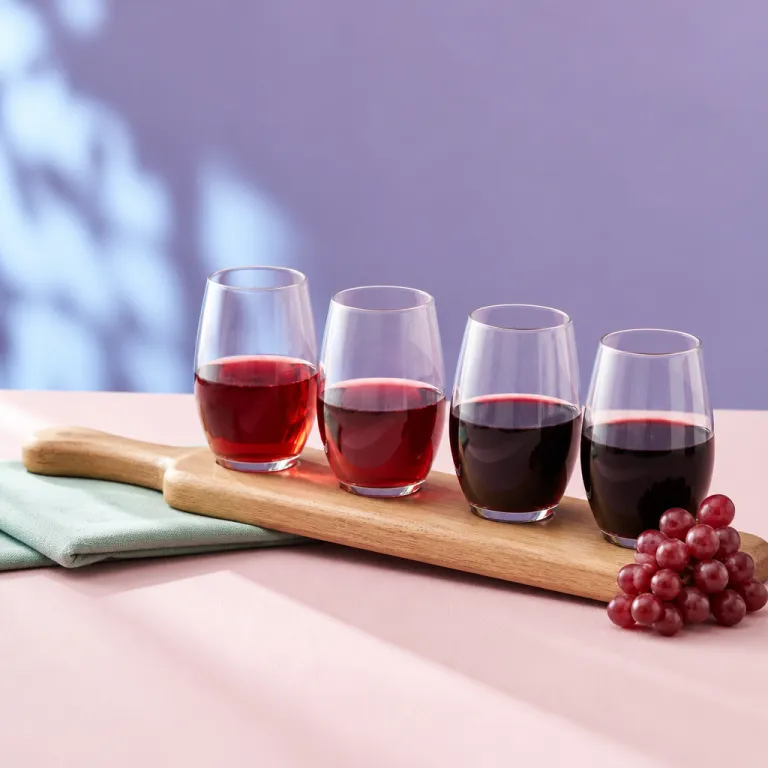
Understanding red wines from sweet to dry on the road
Planning vineyard travel around red wines from sweet to dry transforms a simple holiday into a sensory education. When you move through regions that specialise in different red wine styles, you begin to feel how sweetness, fruit intensity, alcohol and tannins shift from valley to valley. This kind of journey lets you taste red wines in their birthplace, guided by winemakers and sommeliers who live with each grape variety every day.
Professionals classify red wines along a spectrum that runs from lusciously sweet wine to firmly dry wines, and this spectrum is essential for any serious wine travel guide. In technical terms, the key measure is residual sugar (RS), the natural grape sugar left after fermentation and the main driver of perceived wine sweetness. Regulatory ranges used by bodies such as the European Union and style guides from publications like Wine Enthusiast broadly align: dry red wines usually contain less than about 4 g/L of residual sugar (roughly 0.4% by weight), while many sweet red wines sit around or above 45 g/L (about 4.5%), and those numbers matter when you plan tastings in different cellars.
As you visit estates, you will hear a recurring explanation from winemakers about how fermentation time and yeast activity influence whether a red wine ends up sweet or dry. One verified training definition states, “What defines a dry red wine? Contains very little residual sugar, usually under about 10 g/L (close to 1% by weight), and often much lower in classic dry styles.” Another expert clarification that you may see on tasting room walls is, “Which red wines are considered sweet? Examples include Port, Lambrusco, and Brachetto d’Acqui.” A third key teaching, often repeated during cellar tours, is, “How does fermentation affect wine sweetness? Longer fermentation reduces residual sugar, resulting in drier wine.”
For the traveler, this means that a visit to a cool climate region with high acidity reds, such as parts of northern Italy or coastal Chile, will usually highlight leaner, dry leaning styles with crisp fruit. Warmer areas that specialise in port or tawny port, such as Portugal’s Douro Valley around villages like Pinhão and Peso da Régua, tend to offer richer reds with more sugar, higher alcohol and intense flavors that feel almost like dessert in a glass. Moving between these destinations lets you compare how grape variety, climate and cellar technique combine to create red wines from sweet to dry that suit very different food pairings.
Mapping vineyard journeys by sweetness, from port to cabernet sauvignon
One effective way to plan wine from region to region is to organise your route by sweetness levels, starting with fortified sweet wines and ending with structured dry wines. In the Douro Valley, tastings of port and aged tawny port at traditional lodges in Vila Nova de Gaia reveal how fortification stops fermentation early, preserving grape sugar and creating a wine sweet profile that pairs beautifully with chocolate desserts. These fortified reds sit at the sweetest end of any practical sweetness chart that a traveler might sketch in a notebook.
From there, many travelers continue to areas where off dry and medium sweet wines are made, often from aromatic grape varieties that retain vivid fruit. In Emilia Romagna, lightly sparkling red wines such as certain Lambrusco styles from producers in Sorbara or Grasparossa show how a touch of residual sugar can soften tannins and highlight flavors of red fruit without feeling cloying. These wines are excellent with local food, especially cured meats and salty cheeses like Prosciutto di Parma and Parmigiano Reggiano, and they help you understand how wine sweetness interacts with regional cuisine.
Further along the spectrum, classic dry wines such as cabernet sauvignon and pinot noir dominate in regions like Bordeaux, the Médoc, Napa Valley and parts of New Zealand. Here, winemakers aim for full bodied reds with firm tannins, very low residual sugar (often well under 4 g/L) and relatively high acidity, which together create a dry sweet impression that feels balanced rather than austere. If you are planning a French itinerary focused on structured red wines, an excellent resource is this elegant cabernet themed travel guide: French cabernet journeys from Bordeaux to the Loire, which aligns vineyard visits with classic food pairings.
As you move between these destinations, pay attention to how each grape variety expresses sweetness differently even at similar residual sugar levels. A ripe grenache from the southern Rhône can taste almost wine sweet because of its plush fruit, while a cool climate pinot noir with high acidity may feel drier on the palate despite comparable sugar. This is why serious wine travelers keep notes not only on numbers but also on perceived taste, texture and the way each red wine behaves with local dishes.
Reading wine sweetness on labels and lists during your trip
Navigating restaurant lists and cellar door menus becomes far easier when you understand how to read clues about wine sweetness. Most red wines do not print residual sugar on the label, so travelers must infer sweetness from style, region, alcohol level and grape variety. Learning these patterns before you set off allows you to choose confidently between red wines from sweet to dry in unfamiliar destinations.
As a rule, fortified reds such as port and tawny port, along with many explicitly labelled sweet wines, sit at the top of the sweetness chart and are ideal after dinner. Off dry reds, sometimes marketed as semi sweet wine styles, may come from cooler regions where winemakers stop fermentation early to preserve sugar and fruit, resulting in lower alcohol and a plush, wine sweet impression. Fully dry wines, especially those described as full bodied with firm tannins and high acidity, usually contain very little residual sugar and shine with savoury food pairings.
On a practical level, ask sommeliers to guide you through local reds by starting with the sweetest options and moving gradually to the driest, which mirrors the structure of many professional tastings and avoids palate fatigue. This approach works particularly well in regions known for red blends, where grape variety combinations can make sweetness and tannins feel more complex than in single varietal wines. For travelers who want a structured framework before visiting such destinations, this detailed red blend travel resource is helpful reading: an elegant traveler’s guide to the best red blend wine experiences.
During visits, take note of how different producers describe their own red wine styles, because language around sweet dry balance can vary from country to country. Some estates emphasise fruit and softness when they mean a slightly sweet wine, while others highlight structure, tannins and high acidity when they want to signal very dry wines. Over time, your tasting notes will become a personalised guide that links label terms, local vocabulary and your own sense of taste across many regions.
Pairing regional food with red wines from sweet to dry
Food pairings are where the spectrum of red wines from sweet to dry truly comes alive for travelers. In each wine region, traditional dishes evolved alongside local wines, so the balance of sugar, tannins, alcohol and acidity usually feels naturally harmonious. Paying attention to these combinations deepens both your culinary experience and your understanding of wine sweetness.
In areas that specialise in sweet wines and fortified reds, such as the Douro or parts of northern Italy, you will often see port or other sweet wine styles served with blue cheese, chocolate desserts or nut based pastries. The sugar in these wines softens the salt and bitterness in the food, while the alcohol and tannins keep the pairing from feeling heavy or cloying. When you taste such combinations in situ, perhaps a glass of tawny port with São Jorge cheese in a Douro quinta or Brachetto d’Acqui with hazelnut torte in Piedmont, you begin to appreciate why residual sugar levels above 45 g/L can feel balanced rather than excessive when matched with the right dishes.
Regions focused on dry wines, including cabernet sauvignon and pinot noir strongholds, tend to pair their reds with grilled meats, game and aged cheeses. Here, the relatively low residual sugar, firm tannins and often high acidity cut through fat and protein, cleansing the palate between bites and making the food taste brighter. In many cool climate areas, a lighter red wine with vivid fruit can even substitute for white wine with richer fish dishes, especially when the wine sweet impression is minimal and the structure remains refreshing.
As you travel, experiment with local menus by ordering flights of reds that move from slightly sweet to firmly dry alongside shared plates. This allows you to feel how the same dish changes when matched with different levels of wine sweetness, from plush, fruit driven styles to lean, savoury expressions. For travelers who want to prepare in advance, a refined dessert focused travel article such as a refined guide to wine fruity sweet journeys through dessert vineyards offers useful context on how sweet wines interact with regional pastries and cheeses.
Meeting the people behind reds, from winemakers to sommeliers
Vineyard travel is not only about tasting red wines from sweet to dry; it is also about meeting the people who shape those wines. Winemakers, cellar workers and vineyard managers decide how long to ferment, when to stop fermentation and how much residual sugar to leave in the final wine. Their choices determine whether a particular grape variety becomes a plush, wine sweet style or a taut, dry wine with pronounced tannins.
During visits, ask winemakers to walk you through their fermentation tanks and aging barrels, because these tools reveal how they manage sweetness and structure. Many estates now use precise sugar measurement instruments such as hydrometers and density meters to track residual sugar during fermentation, allowing them to craft both sweet wines and dry wines from the same plots depending on the vintage and intended market. In some regions, innovation in temperature control and yeast selection has given producers finer control over wine sweetness, which is especially important for reds that must balance fruit, alcohol and tannins for international sale.
Sommeliers in local restaurants and wine bars play a complementary role by translating these technical decisions into practical recommendations for travelers. They can explain why a particular pinot noir with high acidity feels drier than a warmer climate merlot, even when laboratory residual sugar levels are similar. They also help visitors navigate lists that include both white wine and red wine options, suggesting when a slightly sweet red might work better with a dish than a classic dry white.
Wine enthusiasts who travel regularly often build relationships with these professionals, returning to the same regions to follow how styles evolve over time. As global interest in off dry reds and low alcohol sweet wines grows, conversations with producers and sommeliers offer insight into how consumer taste is shifting along the sweet dry spectrum. These human connections turn a technical subject like wine sweetness into a living story that unfolds across vineyards, cellars and dining rooms worldwide.
Designing an itinerary around red wines from sweet to dry
Creating a coherent itinerary around red wines from sweet to dry requires more than simply listing famous names on a map. Start by deciding how much time you want to spend with sweet wines, off dry styles and firmly dry reds, then allocate days in each category. This structure helps you avoid palate fatigue and ensures that you experience the full range of wine sweetness without rushing.
One practical approach is to begin in a region known for fortified or dessert style reds, where wine sweet impressions are strongest and food pairings often focus on cheese and dessert. After two or three days, move to areas that specialise in medium bodied reds with moderate residual sugar, where fruit and tannins feel more balanced and alcohol levels may be slightly lower. Finish in classic dry wine regions, where full bodied cabernet sauvignon, structured blends and high acidity pinot noir show the savoury end of the spectrum.
When planning, pay attention to travel distances between regions so that you can move gradually from sweet to dry without long, tiring transfers. Many countries offer logical routes that link dessert focused valleys, mixed style hillsides and dry red strongholds within a few hundred kilometres, making it easy to travel by car or train. As you move, alternate tasting days with cultural visits, so that your memories of each wine from each place include landscapes, architecture and local markets as well as flavors in the glass.
Finally, keep a dedicated notebook or digital log where you record not only the names of red wines but also their perceived sweetness, tannins, acidity and food matches. Over several trips, this becomes your personalised sweetness chart, showing how your own taste has evolved from preferring sweet wine styles to appreciating more complex dry wines, or perhaps the reverse. Such a record turns your journeys into a long term guide that helps you choose future destinations and deepen your understanding of red wines from sweet to dry in a structured, enjoyable way.
Key figures and statistics for travelers exploring wine sweetness
- Typical residual sugar in dry red wines is below about 4 g/L according to ranges reported by Wine Enthusiast style guides and European Union labelling rules, which means these wines taste savoury and are best suited to main course food pairings rather than dessert.
- Average residual sugar in many sweet red wines is around or above 45 g/L based on Wine Enthusiast category descriptions and producer data, placing them firmly in the dessert category and making them ideal with chocolate, blue cheese or nut based pastries.
- Dry red wines are often defined as containing less than roughly 10 g/L (about 1 percent) residual sugar by weight, a threshold that helps travelers distinguish between genuinely dry wines and off dry styles when tasting in cellars.
- Growing interest in off dry red wines has encouraged many producers to create medium sweet styles, giving travelers more options between fully sweet wines and very dry reds during regional tastings.
- The emergence of low alcohol sweet reds offers an alternative for visitors who want to enjoy wine sweetness and fruit driven flavors without consuming as much alcohol during full day vineyard tours.
FAQ about traveling for red wines from sweet to dry
What defines a dry red wine when I am tasting on holiday ?
A dry red wine contains very little residual sugar, usually less than about 10 g/L (around 1 percent) and often closer to 4 g/L in classic table wines, so it tastes savoury rather than sweet on the palate. During tastings, you will notice that dry wines emphasise tannins, acidity and structure more than sugar or dessert like flavors. These wines pair best with main course dishes such as grilled meats, game and aged cheeses.
Which red wines are considered sweet during vineyard visits ?
Sweet red wines often include fortified styles such as port and some Lambrusco or Brachetto d’Acqui, which retain significant residual sugar. These wines taste rich and dessert like, with intense fruit and sometimes higher alcohol, making them ideal after dinner. In many regions, they are served with chocolate, blue cheese or pastries during cellar door experiences.
How does fermentation affect wine sweetness in different regions ?
Fermentation converts grape sugar into alcohol, so longer fermentation times usually result in drier wines with lower residual sugar. When winemakers stop fermentation early or fortify the wine with spirit, more sugar remains and the wine tastes sweeter. This is why fortified regions such as the Douro produce very sweet wines, while areas focused on long fermented reds produce dry wines.
How can I tell where a wine sits on the sweet to dry spectrum while traveling ?
Look at the style, region and sometimes the alcohol level, then ask local sommeliers or winemakers for guidance. Fortified and dessert labelled wines are usually sweet, while classic table reds from regions known for structured styles tend to be dry. Tasting flights that move from sweet to dry are an excellent way to calibrate your palate in each destination.
Should I plan my itinerary around sweet wines first or dry wines first ?
Many travelers start with sweeter wines and move gradually toward drier styles, because sugar can fatigue the palate if tasted after very dry wines. Beginning with dessert focused regions and ending with classic dry red areas creates a logical progression for both tastings and food pairings. However, the best order is the one that matches your personal taste and the practical geography of the regions you want to visit.