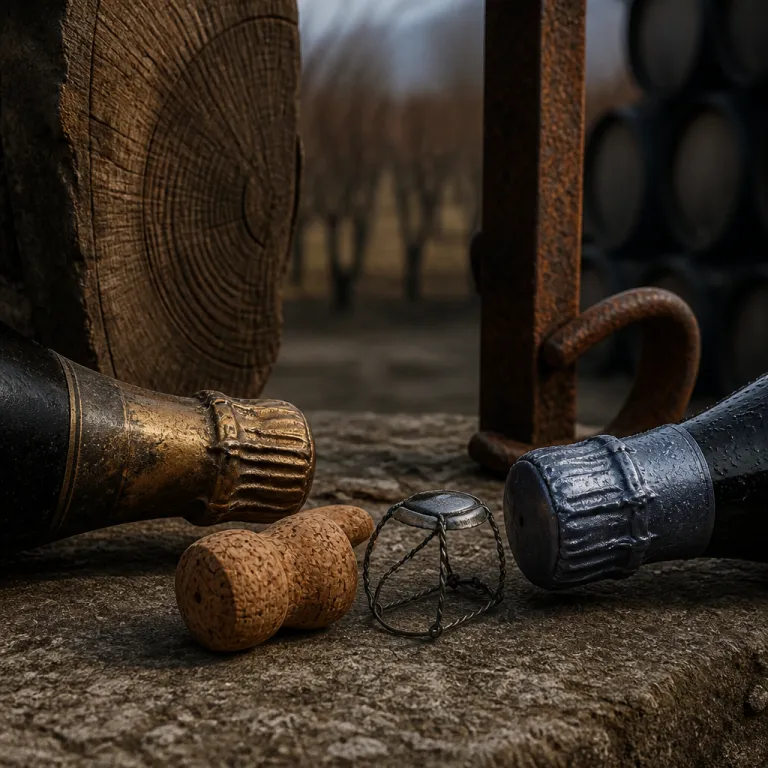
Vintage vs non vintage champagne for travelers
Understanding vintage versus non vintage champagne on the road
Every serious wine traveler eventually faces the question of vintage versus non vintage champagne. Standing in a chalk cellar in Reims or Épernay, listening to bottles crackle softly in the cool air, the guide will often contrast a single vintage champagne with a carefully blended non vintage cuvée from many wines and years. Knowing how these champagnes are made helps you choose the best bottle for each journey and understand why one glass feels taut and mineral while another seems rounder and more generous.
In Champagne, a vintage wine comes from one declared year, while a non vintage wine blends reserve wines from several wine years to achieve a consistent house style. Most houses release far more non vintage champagnes than vintage champagnes, because a single year rarely offers perfect balance across Chardonnay, Pinot Noir and Pinot Meunier. For travelers, this means you will taste more multi vintage blends in cellars, with occasional rare champagne vintage releases offered as highlights that showcase the character of a specific harvest.
Producers use vintage champagnes to capture the personality of particular vintages, while non vintage wines express the enduring signature of the house. A classic brut champagne often contains a mix of Chardonnay, Pinot Noir and Pinot Meunier, with a dosage of around 6 to 12 grams sugar per litre, depending on the desired style. When you compare several champagnes side by side in a tasting room, pay attention to how the same grape varieties and similar price levels can still produce very different textures and aromas, from citrus and chalk to brioche, hazelnut and spice.
How champagne production shapes what you taste when traveling
Walking through chalk cellars under Reims, you quickly see how production choices define both vintage and non vintage champagne. Each house ferments base wine from Chardonnay, Pinot Noir and Pinot Meunier separately, then blends these wines years later to create the final cuvée. The decision to declare a champagne vintage is never taken lightly, because it commits the house to expressing that single year without the safety net of extensive reserve wines and forces the cellar master to live with the vintage’s strengths and weaknesses.
Non vintage champagnes rely on a deep library of reserve wines stored in tanks or large foudres, which allows the cellar master to maintain a stable house style across changing vintages. A brut reserve cuvée might include wines from eight or more years, with some reserve wines adding nutty complexity and others bringing fresh citrus notes. When you taste such a multi vintage blend, you are effectively tasting the memory of the house, layered across time and carefully balanced to deliver the same recognisable profile whether you open a bottle in Tokyo, New York or Reims.
Travelers often ask how champagne differs from other sparkling wines they meet on the road, such as Cava or Franciacorta, and a detailed explanation is available in this guide to how champagne differs from other sparkling wines. In Champagne, strict rules govern everything from vineyard planting density to minimum ageing for both vintage champagnes and non vintage wines. According to the Comité Champagne, non vintage wines must age at least 15 months on lees and vintage bottles at least 36 months, which helps ensure that whether you choose a simple brut or a prestigious grande cuvée, the bottle in your glass reflects both terroir and long cellar ageing.
Planning cellar visits around vintage and non vintage tastings
Thoughtful wine and vineyard travel in Champagne starts with planning tastings that compare vintage and non vintage champagne side by side. Many houses offer a classic brut non vintage as an entry point, followed by a vintage champagne that shows the personality of a particular year such as 2008 or 2012. This structure lets you understand how reserve wines and ageing transform the same grapes into very different champagnes and helps you decide whether you prefer youthful energy or mature complexity.
At houses such as Veuve Clicquot, Laurent Perrier, Charles Heidsieck and Louis Roederer, tasting flights often include a signature brut reserve or multi vintage grande cuvée alongside a prestige champagne vintage. The grande cuvée style usually blends dozens of base wines and several vintages, while the vintage champagnes highlight the structure of Pinot Noir or the finesse of Chardonnay from that specific year. When you compare these bottles in the cellar, note how the non vintage wines feel more consistent and immediately approachable, while the vintage wines can be more dramatic, sometimes tighter in youth and more unpredictable as they evolve.
Travelers who also explore other sparkling regions, such as Spain, can deepen their perspective by reading this refined journey through semi dry brut sparkling wine in Spain. Returning to Champagne after such trips, you will better appreciate how dosage levels in grams sugar, grape composition such as Chardonnay Pinot blends, and ageing choices shape each cuvée. This context makes every cellar visit richer, whether you are tasting a simple blanc de noirs or an intricate blend of Chardonnay and Pinot Noir from a renowned house.
Reading champagne labels and understanding price while traveling
Standing in a Champagne wine shop, you often face shelves of bottles with unfamiliar terms, and understanding labels becomes essential. The words brut, extra brut, blanc de blancs, blanc de noirs, vintage and non vintage all signal important differences in style and ageing. Learning to decode these terms helps you compare price, quality and character without relying only on famous names or eye catching packaging.
A label that states vintage champagne or champagne vintage indicates that all the wine comes from one declared year, which usually explains a higher price and longer ageing. Non vintage champagnes, sometimes called multi vintage blends, rely on reserve wines from several vintages to maintain a consistent house style, often at a more accessible price point. When you read back labels, look for information about grams sugar per litre, grape composition such as Pinot Noir, Chardonnay and Pinot Meunier, and ageing, because these details guide your choice more reliably than marketing language or medal stickers.
Travelers should also pay attention to whether a cuvée is labelled brut champagne, brut reserve or another style, because these terms indicate sweetness and structure. A brut reserve often includes a higher proportion of older reserve wines, giving more depth than a basic brut, while still remaining drier than demi sec styles. When you compare several champagnes from the same house, you will quickly see how each cuvée occupies a different role in the range, from fresh aperitif wines to richer bottles suited to gastronomy and long dinners.
Grape varieties, terroir and house style in Champagne travel
Every visit to Champagne vineyards reveals how grape varieties and terroir shape both vintage and non vintage champagne. The region relies mainly on Chardonnay, Pinot Noir and Pinot Meunier, each contributing distinct aromas and textures to the final wines. When you walk through slopes in the Montagne de Reims or Côte des Blancs, guides often explain how soil and exposure influence whether a parcel is planted with Pinot Noir, Pinot Meunier or Chardonnay and how those decisions feed into the house style.
Houses known for Pinot Noir driven champagnes, such as those based in the Montagne de Reims, often produce structured vintage champagnes that age gracefully over many years. In contrast, Côte des Blancs producers focus on Chardonnay, creating blanc de blancs wines that can feel more linear and mineral, especially in a single champagne vintage. Many houses blend Chardonnay, Pinot Noir and Pinot Meunier from different villages to craft a balanced house style, using reserve wines to smooth out variations between vintages while still allowing each cru to contribute its own character.
For travelers who want to deepen their understanding of Pinot Noir beyond Champagne, this detailed guide to Pinot Noir wine for vineyard travels offers useful context. Returning to Champagne after visiting still wine regions such as Burgundy, you will recognise how Pinot Noir and Pinot Meunier behave differently when vinified for sparkling wines. This awareness makes it easier to appreciate subtle differences between a blend of Chardonnay and Pinot Noir, a pure blanc de blancs and a structured blanc de noirs during tastings.
Food pairing and serving vintage and non vintage champagne on the road
Thoughtful food pairing can transform both vintage and non vintage champagne into memorable travel experiences. Non vintage brut champagnes, with their bright acidity and moderate grams sugar, work beautifully as aperitif wines or with light dishes such as oysters, sashimi and simple goat cheese. Vintage champagnes, especially those based on Pinot Noir or rich reserve wines, often pair better with more complex dishes like roast poultry, veal or mature cheeses that can match their depth and savoury notes.
When you dine in Champagne, sommeliers usually suggest starting with a fresh brut reserve or multi vintage cuvée, then moving to a structured champagne vintage with the main course. The higher concentration and longer ageing of vintage champagnes give them the weight to stand up to sauces and roasted flavours, while non vintage wines keep the palate refreshed between bites. Paying attention to how each bottle behaves at different temperatures also matters, because serving a wine too cold can mute the nuances that justify its higher price and reputation.
Travelers should aim to serve non vintage champagnes around 8 to 10 °C, while vintage wines often show better between 10 and 12 °C, especially in larger glasses. Pouring a smaller amount at first allows the wine to warm slightly in the glass, revealing layers of Chardonnay, Pinot Noir and Pinot Meunier. When you host a picnic in the vineyards or a hotel room tasting, this simple attention to temperature and glassware can elevate even a modest bottle and make the experience feel closer to a professional cellar visit.
Collecting, ageing and buying the best bottles during vineyard trips
Many wine travelers use Champagne visits to start or refine a personal collection of both vintage and non vintage champagne. Non vintage champagnes are generally designed for earlier drinking, but well made bottles from serious houses can improve for several years after release. Vintage champagnes, especially from strong vintages and producers such as Veuve Clicquot La Grande Dame, Laurent Perrier Millésimé, Charles Heidsieck Millésimé and Louis Roederer Cristal, often reward careful ageing over a longer period.
When choosing bottles to bring home, consider both the style of the cuvée and your storage conditions, because even the best wines suffer in warm apartments. A structured Pinot Noir based champagne vintage from a cool year may need more time to soften, while a Chardonnay driven blanc de blancs might already show beautifully after only a few years. Multi vintage grande cuvée wines, built from many reserve wines and vintages, usually offer immediate pleasure but can also gain complexity with moderate cellaring, especially in magnum format.
Travelers should also think about practical aspects such as airline limits, customs rules and insurance for valuable bottles. Buying at the cellar door sometimes offers a better price than retail markets, especially for limited vintage champagnes or magnums, but not always, so compare calmly before deciding. Whether you choose a simple brut reserve, an ambitious blend of Chardonnay and Pinot Noir or a rare single vineyard champagne, the most important measure of value remains the pleasure you will feel when opening that bottle later, remembering the vineyards where it was born.
Key figures for vintage and non vintage champagne
- Non vintage champagnes represent around 80 to 90 percent of total Champagne production according to the Comité Champagne, which explains why most glasses poured in wine bars and tasting rooms come from multi vintage blends rather than single vintages.
- Vintage champagnes must age for a legal minimum of 36 months on lees, while non vintage wines require at least 15 months, so travelers can expect more autolytic complexity and texture from bottles labelled as vintage champagne.
- The typical dosage for brut champagne ranges from 6 to 12 grams sugar per litre, and many leading houses have gradually reduced dosage over recent years to highlight terroir and freshness in both vintage and non vintage wines.
- Global Champagne shipments regularly exceed 300 million bottles per year, with export markets accounting for more than half of sales according to annual Comité Champagne reports, which means wine travelers encounter Champagne lists in restaurants from Tokyo to New York.
- Prestige cuvées and rare vintage champagnes can reach prices dozens of times higher than entry level non vintage wines, reflecting longer ageing, stricter grape selection and limited production volumes.
FAQ about vintage and non vintage champagne for travelers
Is vintage champagne always better than non vintage champagne ?
Vintage champagne is not automatically better than non vintage champagne, because quality depends on producer, vineyard sources and cellar work. A carefully crafted non vintage brut reserve from a top house can outperform a weak champagne vintage from a lesser producer. When traveling, taste both styles from the same house to judge which bottle suits your palate and budget.
How can I tell if a champagne is vintage or non vintage ?
A vintage champagne will show a specific year on the front label, while non vintage champagnes usually omit the year and may use terms such as brut, brut reserve or grande cuvée instead. Some houses print disgorgement dates or codes on the back label, which help advanced travelers track wines years and freshness. If in doubt, ask the cellar staff or sommelier to explain the label.
Which grape varieties dominate vintage champagnes ?
Most vintage champagnes rely heavily on Pinot Noir and Chardonnay, with Pinot Meunier playing a smaller supporting role in many blends. Regions such as the Montagne de Reims favour structured Pinot Noir based wines, while the Côte des Blancs focuses on pure Chardonnay cuvées. During tastings, ask whether the vintage wine leans more toward Pinot Noir power or Chardonnay finesse.
How long can I age non vintage champagne bought during a trip ?
Non vintage champagnes are generally intended for drinking within a few years of purchase, but well stored bottles from serious houses can evolve pleasantly for five to seven years. Ageing brings more brioche and nutty notes, especially in brut reserve and multi vintage grande cuvée wines that contain older reserve wines. Always store bottles horizontally in a cool, dark place with stable temperature.
What serving temperature works best for vintage and non vintage champagne ?
Non vintage champagnes usually show best between 8 and 10 °C, which keeps them refreshing while still allowing aromas to emerge. Vintage champagnes benefit from slightly warmer service, around 10 to 12 °C, especially when served with food. Use larger tulip shaped glasses rather than narrow flutes to let both styles express their full complexity.
