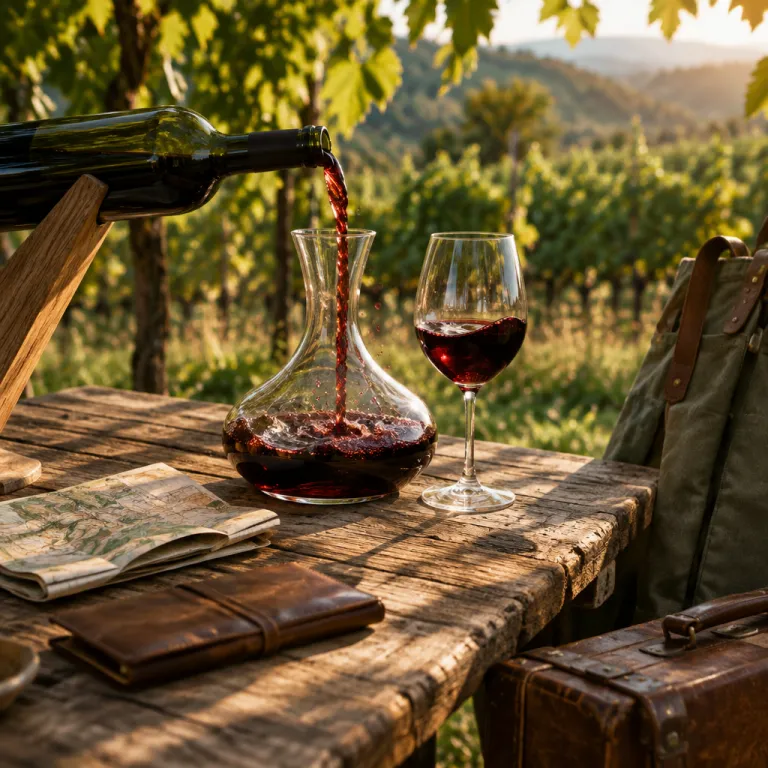
How dave phinney wines reshaped red wine travel in napa valley
Wine travellers who follow character driven producers inevitably arrive at dave phinney wines in Napa Valley. The story of how dave phinney built Orin Swift and later collaborated with Gallo reshaped how visitors move through the valley, because his labels turned casual tourists into focused red wine pilgrims. Many guests now plan their time in Napa Valley around a single tasting room that pours a bold red blend or a structured cabernet sauvignon linked to his name, often seeking out spaces that showcase the dramatic Orin Swift aesthetic.
When you trace the route of dave phinney wines across the valley, you move from vineyard to vineyard rather than from town to town. Each site that once supplied fruit to Orin Swift Cellars or to later projects such as Mercury Head cabernet now attracts travellers who want to stand where the grapes for their favourite red wine were grown. Years ago, few visitors asked which parcel produced a specific cabernet or petite sirah, but today the label and the vineyard story are part of the same journey, echoing the broader shift toward terroir focused wine tourism described by Napa Valley Vintners in its 2022 visitor insights report.1
For serious wine lovers, the appeal lies in how each red expresses a different kind of landscape. One day you might taste a dense cabernet sauvignon sourced from rocky hillsides, while the next day you explore a more restrained pinot noir from a cooler valley that dave phinney once purchased fruit from. Over months, French and international visitors return to compare seasons, vintages, and blends, turning a single trip into a long term relationship with both the wines and the place, much as wine travel researchers note in studies on repeat visitation and cellar door loyalty.2
From the prisoner to mercury head: following iconic labels on the road
Many travellers first encounter dave phinney wines through a single bottle such as The Prisoner, then decide that their next holiday will revolve around tasting that style at the source. The original Prisoner red blend, later purchased by Gallo in a widely reported 2016 acquisition,3 showed how a daring label and a rich, layered red wine could inspire people to cross oceans just to visit the valley that shaped it. Years ago, few wine tourists built itineraries around one label, but now the most passionate guests will fly in for a weekend focused entirely on a specific red blend family and its cabernet or petite sirah based cousins.
Mercury Head, a powerful cabernet sauvignon once produced under the Orin Swift banner and sourced from top Napa Valley vineyards,4 has become another magnet for wine centred travel. Collectors who regard it as the best wine in their cellar often plan a return to Napa Valley to taste cabernet and petite sirah based reds that echo its structure. They move from one tasting room to another, comparing how different sites and years influence tannin, acidity, and the kind of dark fruit that defines these wines, mirroring the comparative tasting approach recommended in many Wine Institute consumer education guides.5
Travellers who love bold red wines often combine a visit to Orin Swift Cellars with broader journeys focused on fruity reds. For readers planning such a route, an elegant resource like this refined guide to fruity red wine journeys helps frame how Mercury Head, The Prisoner, and other dave phinney wines fit into the wider world of red wine travel. Over time, these trips turn a single favourite label into a deeper understanding of how blends, vineyards, and winemaking choices interact, especially when you record tasting notes and photos as you move from one valley to the next.
Inside the tasting room: designing a visit around dave phinney wines
Stepping into a tasting room that pours dave phinney wines is very different from a casual bar stop. The design usually reflects the dramatic label art that made Orin Swift famous, so the space feels more like a gallery where each red wine and white wine is presented as a piece of art. Visitors who plan their time carefully can move through flights that highlight cabernet sauvignon, petite sirah, and pinot noir, comparing how each grape responds to different valley sites while staff explain vineyard sources, barrel regimes, and blending decisions.
When you book a tasting, ask in advance which wines will be poured and whether any limited red blend or single vineyard cabernet will be open. Some venues linked historically to Orin Swift Cellars or to later Gallo projects rotate their lineups every few months, and both French and American guests often return to catch a specific release. One Napa Valley tasting room host described regulars who “plan their vacation around the week a new cabernet comes out,” a pattern that reflects how allocations can be tight and how many tasting rooms prioritise club members for small production reds.
Travellers who want to deepen their understanding of structure and sweetness in red wines can prepare before arriving. A resource such as this refined traveller’s guide to red wines from sweet to dry helps you recognise where dave phinney wines sit on that spectrum. During the tasting, take time to compare how a cabernet sauvignon, a petite sirah based red, and a pinot noir differ in tannin and acidity, then note which style you would seek out again at a bottle shop back home, ideally adding photos with alt text descriptions if you later share your experience online.
Beyond napa valley: tracing dave phinney wines across regions and continents
Although Napa Valley remains the spiritual home of dave phinney wines, the influence of dave phinney extends far beyond a single region. Over the years, he has worked with fruit from multiple valleys and countries, creating red blends and cabernet sauvignon based wines that encourage travellers to explore new landscapes. Many wine tourists now design multi country itineraries that follow the same winemaker’s touch from one site to another, using online maps and winery finders to connect the dots between continents.
Some of the most compelling journeys link Napa Valley cabernet with European vineyards that share similar climates or soil types. Travellers might begin with a structured cabernet sauvignon in California, then continue to a European wine center where they taste red blends that echo the same dark fruit and spice. In each place, they look for the kind of bold yet balanced style associated with Orin Swift and with the later projects that dave phinney developed after selling The Prisoner to Gallo,3 often comparing critic scores and regional guides to refine their routes.
For those who enjoy both red and white wines, it can be rewarding to compare how different grapes express place. A detailed guide such as this analysis of chenin blanc versus sauvignon blanc for vineyard travel shows how white varieties can frame your expectations before you return to a glass of red wine. Over time, these layered trips help you see dave phinney wines not as isolated bottles, but as part of a global conversation about terroir, blending, and the art of the label, a theme frequently highlighted in wine tourism research from organisations such as the Wine Institute.6
Helena wine, downtown helena, and the bank of italy: a different angle on dave phinney wines
Not every journey linked to dave phinney wines passes through Napa Valley, because some travellers encounter his bottles in unexpected urban settings. In places such as Helena Wine bars or wine focused venues in downtown Helena, Montana, a single Orin Swift label on a shelf can spark curiosity about the wider wine business. Years ago, a guest might have ordered a generic red, but now they ask specifically for a red blend or cabernet sauvignon connected to dave phinney, sometimes snapping a quick photo of the bottle and its label art for later research.
Historic buildings like the former Bank of Italy branches that now host wine bars in several American cities add another layer to the story. Sipping a glass of Mercury Head or a Prisoner style red blend in a marble lined hall once used for finance highlights how far the wine business has evolved. The same bottle that drew you to a tasting room in Napa Valley can feel different when poured in a downtown Helena lounge or a repurposed bank that now serves as a local wine center, especially if the venue displays old vault doors or ledgers alongside modern wine lists.
Travellers who enjoy this contrast often build itineraries that mix vineyard visits with city based tastings. They might spend a few days among vines, then move to an urban district where a well curated bottle shop offers multiple dave phinney wines, from pinot noir to petite sirah based reds. Over time, these alternating settings show how the kind of wine you love can shape not only where you travel, but also how you experience architecture, history, and community, turning each glass into a small case study in place and culture.
Practical planning tips for following dave phinney wines on your next trip
Planning a journey around dave phinney wines starts with clarifying which styles you enjoy most. If you favour structured cabernet sauvignon and dense petite sirah, focus on Napa Valley and neighbouring regions where these grapes thrive in warm, dry conditions. Travellers who prefer lighter red wine such as pinot noir might still visit the same valley, but they will seek cooler sites and tasting rooms that highlight elegance over sheer power, often guided by regional maps from Napa Valley Vintners.7
Before you travel, research which venues currently pour wines linked to Orin Swift, Mercury Head, or other dave phinney projects. Some tasting rooms change ownership or focus over the years, especially when brands are purchased by larger companies such as Gallo, so always confirm lineups on the official site. Allow enough time between appointments to enjoy the landscape, because rushing from one red blend flight to another can dull your palate and reduce the pleasure of each wine, and consider designating a driver or using local transport services for safety.
Budget also matters, since the best wine experiences often involve tasting fees, bottle purchases, and sometimes shipping. Decide in advance how many bottles you will purchase, whether from a winery or from a bottle shop in a nearby town, and remember that limited labels such as Mercury Head can sell out quickly. With thoughtful planning, your trip becomes more than a checklist of wines, evolving instead into a series of meaningful encounters with people, places, and the kind of red wines that first drew you to dave phinney’s work, effectively creating a one page itinerary you can refine on future visits.
Key figures and statistics about napa valley wine travel and red wines
- Napa Valley welcomes more than three million visitors each year, and surveys from the Napa Valley Vintners association indicate that red wine focused tastings account for a majority of premium appointments; its 2022 tourism snapshot reports that high end cabernet and red blend experiences remain the primary draw for international guests.8
- Cabernet sauvignon represents over half of Napa Valley’s planted vineyard area, which explains why travellers following dave phinney wines encounter so many cabernet and cabernet based blends during their visits; the Napa Valley Vintners vineyard census regularly cites cabernet as the dominant variety by acreage.9
- According to the Wine Institute and the Sovos ShipCompliant Direct to Consumer Wine Shipping Report, direct to consumer wine sales in the United States have grown steadily over the past decade, with Napa Valley wineries capturing a significant share thanks to high value red blends and cabernet sauvignon that command premium price points.10
- Industry reports from organisations such as Silicon Valley Bank’s wine division show that visitors who join wine clubs during tasting room visits spend substantially more over time than casual tourists, especially when they focus on collectible red wines; the 2023 State of the U.S. Wine Industry report highlights club members as a key driver of long term revenue.11
- Travel research from Visit California highlights that wine tourism contributes billions of dollars annually to the state’s economy, with Napa Valley ranking among the top destinations for international visitors seeking premium red wine experiences and curated cabernet sauvignon tasting itineraries.12
FAQ about dave phinney wines and red wine travel
How should I plan a Napa Valley trip around dave phinney wines ?
Start by listing which dave phinney wines you enjoy most, then identify tasting rooms and wineries in Napa Valley that currently pour those labels or similar red blends. Book appointments in advance, group visits by area of the valley to reduce driving, and allow time between tastings so you can appreciate each cabernet sauvignon, petite sirah, or pinot noir without fatigue, following the pacing advice often shared by Napa Valley Vintners and local tourism boards.1
What makes dave phinney wines different from other Napa Valley reds ?
Many dave phinney wines stand out for their bold flavour profiles, creative blending, and striking label designs that reflect the Orin Swift aesthetic. Compared with more traditional Napa Valley cabernet sauvignon, these reds often emphasise ripe fruit, layered textures, and a distinctive sense of drama that appeals to travellers seeking memorable tasting room experiences and visually arresting bottles to photograph and share.
Can I explore dave phinney wines outside Napa Valley ?
Yes, you can find dave phinney wines and related labels in wine bars, restaurants, and bottle shops across the United States and abroad. Some travellers build itineraries around urban wine centers such as downtown Helena or repurposed Bank of Italy buildings that now host wine bars, then later visit Napa Valley to connect those bottles with the vineyards that inspired them, effectively extending their red wine journey across multiple regions.
Which grape varieties should I focus on when tasting dave phinney wines ?
The core grapes to explore are cabernet sauvignon, petite sirah, and zinfandel based red blends, along with selected pinot noir and white wines where available. Tasting these side by side in a structured flight helps you understand how dave phinney uses different varieties to create the kind of rich, layered red wines that attract dedicated wine travellers and collectors who follow specific labels from vintage to vintage.
Is it better to buy dave phinney wines at the winery or at a bottle shop ?
Buying at the winery often gives you access to limited releases and tasting room only bottlings, especially for labels like Mercury Head or small production red blends. However, a well curated bottle shop in a city wine center can offer older vintages and a broader cross section of dave phinney wines, so many travellers choose to do both during and after their trips, balancing exclusive releases with the chance to compare different years side by side.
References
- Napa Valley Vintners – Visitor Insights and tourism research reports
- Academic and industry studies on wine tourism, repeat visitation, and cellar door loyalty
- News coverage of the 2016 sale of The Prisoner brand to E. & J. Gallo Winery
- Orin Swift Cellars technical notes and historical releases for Mercury Head cabernet sauvignon
- Wine Institute consumer education materials on tasting and comparative flights
- Wine Institute publications on wine tourism and regional travel patterns
- Napa Valley Vintners – regional maps and appellation resources
- Napa Valley Vintners – 2022 tourism snapshot and visitor statistics
- Napa Valley Vintners – vineyard census and variety acreage data
- Sovos ShipCompliant & Wine Institute – Direct to Consumer Wine Shipping Report
- Silicon Valley Bank – 2023 State of the U.S. Wine Industry report
- Visit California – wine tourism economic impact and destination rankings