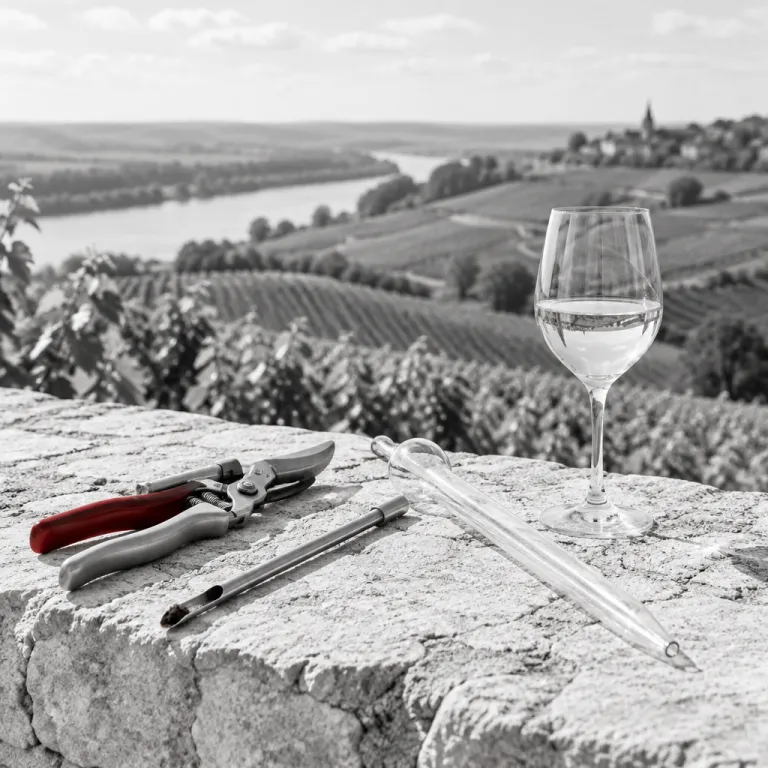
Why Comte de la Chevalière Sancerre belongs on a serious wine itinerary
Comte de la Chevalière Sancerre is one of the most reliable ways to understand how Sauvignon Blanc expresses itself in the central Loire. This label, produced by the Cave des Vins de Sancerre cooperative (often cited in regional trade guides as one of the area’s larger cellars), brings together grapes from roughly 250 hectares across the Sancerre appellation to create white wines that highlight flinty minerality, citrus brightness, and a clean, dry finish. For travellers planning a wine focused journey, this combination of scale, terroir diversity, and cooperative expertise makes Comte de la Chevalière Sancerre an essential stop in the wider Sancerre landscape.
The cooperative works with nearly 90 winegrowers, so the wines reflect multiple villages, slopes, and soil types rather than a single estate. That breadth allows you to taste how Sauvignon, grown on limestone, clay, and silex, shapes different bottles of white Sancerre and even the occasional Sancerre rosé or Pinot Noir based red. When you compare several Comte de la Chevalière Sancerre wines side by side in the Cave des Vins de Sancerre tasting room, you gain a structured overview of the appellation rather than a narrow snapshot of one parcel.
Travellers often ask whether they should prioritise a single famous domaine or a high quality cooperative such as Cave des Vins de Sancerre. For a first visit, many Loire specialists recommend starting with Comte de la Chevalière Sancerre because the range of wines, from classic Sauvignon Blanc to light Pinot Noir, offers a clear benchmark before you explore more specialised producers. Once you understand this benchmark, it becomes easier to judge which bottles truly belong among your personal best wines from Sancerre and which styles suit your own food pairings back home.
Planning a vineyard visit around Comte de la Chevalière Sancerre
The town of Sancerre sits on a hill above the Loire river, and the Cave des Vins de Sancerre cooperative lies within easy reach of most vineyard accommodation in the Loire Valley. When you plan your route, treat the cooperative’s cellar as a central hub, then add nearby estates in the Sancerre appellation and Pouilly Fumé area to compare Sauvignon Blanc styles across the two banks of the Loire. This approach turns a simple tasting of Comte de la Chevalière Sancerre into a deeper exploration of how one noir grape, Pinot Noir, and one white grape, Sauvignon, can define an entire Sancerre focused itinerary.
Most travellers arrive by car from Paris or Orléans, which makes it easy to transport several bottles of white Sancerre, Sancerre rosé, and Pinot Noir without worrying about fragile shipping. If you are flying home, ask the Cave des Vins de Sancerre team about protective cases and current rules for checked luggage, then compare those costs with professional shipping services that can handle multiple vintages of Comte de la Chevalière Sancerre wines. Either way, plan space for at least a few bottles of Sauvignon Blanc and perhaps a lighter style of blanc Pinot Noir, because these wines often show even better after a few months of rest.
Travellers who enjoy contrasting white wines should read a focused guide such as how to choose the right white wine for your next vineyard journey before arriving in Sancerre. That kind of preparation helps you articulate whether you prefer the crisp, mineral profile of Sauvignon Blanc from Comte de la Chevalière Sancerre or the softer, more aromatic style of other white wines. With clear preferences in mind, you can ask more precise questions in the tasting room and build a route that balances Sancerre, Pouilly Fumé, and perhaps other Loire Valley appellations known for their best wines.
Inside the cooperative: how Comte de la Chevalière Sancerre is made
Behind every bottle of Comte de la Chevalière Sancerre lies a modern production facility that still respects traditional Loire Valley practices. The Cave des Vins de Sancerre cooperative harvests Sauvignon Blanc for white wines and Pinot Noir for reds, then ferments the white grapes in stainless steel tanks under strict temperature control to preserve freshness. For travellers touring the cellar, this mix of stainless steel, inerting systems, and a well organised bottling line offers a clear view of how a large scale cave can still focus on quality.
Red wines based on the noir grape Pinot Noir usually see some time in oak cooperage, which adds gentle structure without overwhelming the delicate fruit. When you taste Comte de la Chevalière Pinot Noir beside the white Sauvignon Blanc, you can sense how the same Sancerre soils give both wines a subtle mineral edge, even though one is red and the other white. During one recent visit, for example, a 2020 Pinot Noir showed bright cherry and a faint smoky note, while the current Sauvignon Blanc vintage felt taut and saline, yet both shared a recognisable stony backbone.
The cooperative’s équipe emphasises that “Grapes grown across many villages and terroirs”, “Harvesting white grapes (Sauvignon Blanc) for fresh whites”, “Fermentation in stainless steel tanks”, “Temperature-controlled process”, and “Use of cooperage for red wines (Pinot Noir)” are central to maintaining consistent style across multiple vintages. These points are echoed in regional producer brochures and Loire trade summaries, which describe Cave des Vins de Sancerre as a benchmark for cooperative winemaking in the area.
Tasting notes, ratings, and what to expect in your glass
In the glass, Comte de la Chevalière Sancerre blanc typically shows pale straw colour with green highlights and a lively rim. Aromas lean toward lemon zest, grapefruit, and white peach, layered over a flinty note that reflects the silex rich soils of the Loire Valley hillsides. On the palate, the white wine is dry, with crisp acidity, medium body, and a clean, mineral finish that makes it ideal for grilled seafood and goat cheese based food pairings.
Travellers often compare Comte de la Chevalière Sancerre with other leading wines from the region by looking at ratings from major publications and retailers. Recent reviews on large retail platforms and in French wine magazines highlight the balance between fruit and minerality, with some critics noting stone fruit and subtle tropical hints in warmer vintages, while cooler years show more citrus and herbal notes. When you taste at the Cave des Vins de Sancerre, ask to sample both current releases and any remaining older bottles, because this side by side comparison reveals how Sauvignon Blanc from the Sancerre appellation evolves over time.
Do not overlook the Sancerre rosé and Pinot Noir reds under the Comte de la Chevalière label, even if your main interest is white wines. The Sancerre rosé, made from the noir grape Pinot Noir, usually offers delicate red berry aromas and a dry, refreshing palate that works beautifully with charcuterie or grilled seafood on a summer terrace. For sparkling enthusiasts, some travellers like to compare local brut styles from nearby Loire producers with still wines from Comte de la Chevalière Sancerre, which helps frame where these bottles sit in your personal hierarchy of best wines for aperitif versus dining.
Prices, availability, and how to buy Comte de la Chevalière Sancerre
For many travellers, the practical question is how much Comte de la Chevalière Sancerre costs and where to find it. In the United States, the average price for a standard 750 millilitre bottle of Comte de la Chevalière Sancerre blanc is often listed by importers and retailers in the range of about 30 to 35 US dollars, depending on margins and local taxes. That average price positions the wine as a premium but accessible option compared with some single vineyard Sancerre bottlings that can cost significantly more.
Large retailers such as Costco occasionally list Comte de la Chevalière Sancerre among their Loire Valley selections, especially in markets with strong demand for Sauvignon Blanc. When you see it on a Costco shelf, compare the shelf price with offers from independent merchants, then factor in any shipping costs if you plan to order multiple bottles online. For travellers returning from Sancerre, buying directly at the Cave des Vins de Sancerre often provides the best price to quality ratio, particularly if you take advantage of mixed case discounts on white, rosé, and Pinot Noir wines.
Because the cooperative is reported in regional trade data to export close to two million bottles annually, availability across several continents is generally good, though specific vintages may vary by market. If you are planning a special dinner with grilled seafood or refined food pairings, consider purchasing a few extra bottles of Comte de la Chevalière Sancerre blanc and perhaps a Sancerre rosé to compare at home. Keep in mind that while some sparkling brut wines from other Loire appellations are widely discounted, serious Sancerre wines rarely see deep promotions, so buying when you travel can offer both better pricing and fresher stock.
Food pairings and travel experiences around Comte de la Chevalière Sancerre
One of the great pleasures of visiting Sancerre is tasting Comte de la Chevalière Sancerre with local dishes in their home setting. Classic food pairings include crottin de Chavignol goat cheese, grilled seafood from the Loire river or Atlantic coast, and simple dishes based on seasonal vegetables and herbs. The bright acidity and mineral backbone of Sauvignon Blanc from the Sancerre appellation cut through the richness of cheese and highlight the sweetness of shellfish without overwhelming delicate flavours.
For a more elaborate meal, pair Comte de la Chevalière Sancerre blanc with grilled seafood such as prawns, scallops, or firm white fish, then serve a Sancerre rosé alongside charcuterie or lightly spiced dishes. Pinot Noir from the same cooperative, whether labelled as Comte de la Chevalière Pinot Noir or simply Sancerre rouge, works well with roast poultry, mushroom dishes, and even some lighter game. Travellers who enjoy comparing regions can organise a dinner that sets Comte de la Chevalière Sancerre against Pouilly Fumé and other Loire Valley whites, using an elegant traveller’s guide to sweet Italian wines and vineyard stays as inspiration for structuring themed tastings.
When planning your itinerary, remember that the main content of your trip should balance cellar visits with time in the vineyards and nearby villages, rather than rushing from one cave to another. Many travellers benefit from a simple strategy: start with a benchmark tasting at the Cave des Vins de Sancerre, then skip main tourist traps in favour of smaller producers recommended by the cooperative’s équipe. This approach yields a richer understanding of how one label, Comte de la Chevalière Sancerre, fits into the broader mosaic of Loire Valley wines, from crisp Sauvignon Blanc to delicate Pinot Noir and even occasional brut styles.
Key figures and practical statistics for Comte de la Chevalière Sancerre
- The Cave des Vins de Sancerre cooperative is described in regional trade publications as producing around 2 000 000 bottles of Comte de la Chevalière and related wines each year, which makes it one of the larger players in the Sancerre appellation while still focusing on terroir expression (producer and importer estimates).
- About 250 hectares of vineyards contribute grapes to the cooperative, giving Comte de la Chevalière Sancerre access to a wide range of soil types and exposures across the region (producer data and Loire Valley wine board summaries).
- The typical alcohol level for Comte de la Chevalière Sancerre blanc is often listed on back labels and retailer sheets at around 13 % by volume, which aligns with many premium Loire Valley Sauvignon Blanc wines and supports both aperitif and dining use.
- In many international markets, the average price for a bottle of Comte de la Chevalière Sancerre blanc sits near 30 to 35 US dollars, placing it in a competitive segment for high quality French white wines from recognised appellations (importer and retailer listings).
- Exports to the United States have been increasing in recent years, reflecting growing consumer preference for crisp, mineral driven Sauvignon Blanc and helping travellers encounter Comte de la Chevalière Sancerre both at home and in France (trade reports and market analyses).
FAQ about Comte de la Chevalière Sancerre and travel
What grape varieties are used for Comte de la Chevalière Sancerre
Comte de la Chevalière Sancerre whites are made from Sauvignon Blanc, while the reds and rosés rely on the noir grape Pinot Noir. This focus on two classic Loire Valley varieties allows the cooperative to offer a coherent range of wines that still show distinct personalities. Travellers can taste Sauvignon Blanc, Pinot Noir, and Sancerre rosé in one visit, gaining a complete view of the regional style.
Is Comte de la Chevalière Sancerre organic or biodynamic
The Cave des Vins de Sancerre cooperative does not currently present Comte de la Chevalière Sancerre as fully organic or biodynamic across all parcels. Some member growers may use sustainable or environmentally conscious practices, but there is no blanket organic certification for the entire label. Travellers who prioritise organic wines should ask directly in the Cave des Vins de Sancerre tasting room about specific cuvées or growers within the cooperative.
When is the best time of year to visit Sancerre for tastings
Spring and autumn are generally the most comfortable seasons for visiting Sancerre, because temperatures are moderate and vineyards show either fresh growth or golden foliage. During these periods, the Cave des Vins de Sancerre équipe usually has time to offer more detailed tastings of Comte de la Chevalière Sancerre, including multiple vintages when available. High summer can be beautiful but often busier, while harvest time may limit access to some cellar areas.
How should I serve Comte de la Chevalière Sancerre at home
Serve Comte de la Chevalière Sancerre blanc at around 10 to 12 °C in a tulip shaped white wine glass to highlight aromas and preserve freshness. If the wine is too cold, flavours of Sauvignon Blanc may seem muted, while too warm a temperature can emphasise alcohol and reduce perceived acidity. For Sancerre rosé and Pinot Noir, slightly higher serving temperatures work well, especially when pairing with grilled seafood, poultry, or charcuterie.
Can I visit the cooperative without an appointment
The Cave des Vins de Sancerre often welcomes walk in visitors, but serious travellers planning to taste Comte de la Chevalière Sancerre in depth should reserve ahead. An appointment increases the chance of accessing a broader range of wines, including older bottles and perhaps limited cuvées, and allows staff to tailor food pairings or educational explanations to your interests. During peak holiday periods, reservations also help you avoid waiting and ensure a calm, focused tasting environment.