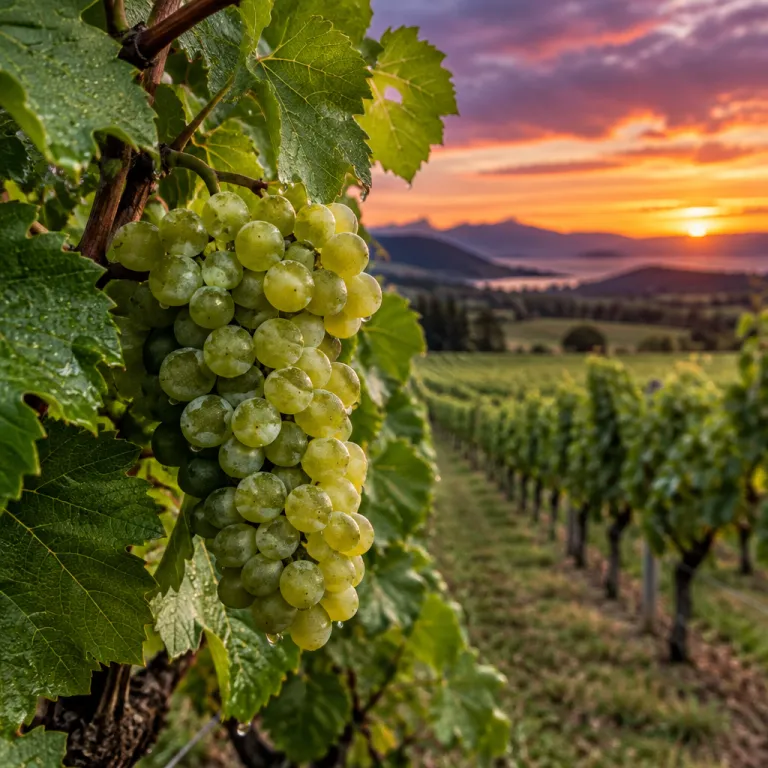
What defines good sauvignon blanc in New Zealand today
Good sauvignon blanc in New Zealand is instantly recognisable in the glass. According to regional educators, “Tropical fruit, gooseberry, bell pepper, fresh cut grass” are the flavours that define the most expressive New Zealand sauvignon styles. For travellers, that means every wine tasting becomes a lesson in how climate, soils, and coastal light shape both individual sauvignon blanc bottles and broader New Zealand wine identities.
Across the south island and north island, producers lean on cool climate viticulture, wild fermentation, and lees ageing to give these white wines more texture. The result is that even the most fruit driven sauvignon blancs balance tropical fruit with piercing acidity, while the best examples from Marlborough producers show mineral and herbal notes that lift the blanc rather than weigh it down. When you plan a journey around good sauvignon blanc New Zealand experiences, you quickly see how each valley, bay, and hillside vineyard will translate into different wines in your glass.
Marlborough sauvignon remains the benchmark, yet it is not a single style and travellers often underestimate that diversity. Wairau Valley tends to emphasise ripe fruit and generous body, while Awatere Valley usually brings cooler, saline edges that many ratings now reward for finesse. A smart route for wine focused visitors is to schedule structured wine tasting sessions in both valleys, then compare sauvignon blancs side by side to understand why this New Zealand wine category has become a global reference for energy, freshness, and wine food versatility.
Marlborough’s valleys, cellar doors, and benchmark blanc Marlborough bottles
Marlborough on the south island is where most travellers start exploring good sauvignon blanc New Zealand routes. The region accounts for a majority of the country’s sauvignon plantings, and recent NZ Wine data notes that about 68 % of national vineyard area is dedicated to this grape, which explains why so many cellar doors here focus on sauvignon blancs. When you drive between the Wairau and Awatere regions, you move from warmer alluvial riverbeds to wind cooled coastal slopes, and that shift is immediately visible in the wines.
In Wairau, many blanc Marlborough examples show exuberant tropical fruit, passionfruit, and ripe citrus, while Awatere based bottles lean toward lime, jalapeño, and sea spray. Producers such as Saint Clair Family Estate illustrate how careful vineyard selection across both regions can create sauvignon blanc with layered fruit and a mineral spine that pairs beautifully with local seafood and other wine food combinations. During a focused wine tasting flight, ask to compare their different New Zealand sauvignon parcels, then note how the same grape becomes multiple white wines depending on exposure, soil, and harvest date.
Travellers who enjoy semi sweet or textural whites often combine Marlborough with other styles, and a useful planning resource is this guide to semi sweet white wine journeys for vineyard lovers. Back in Marlborough, many cellar doors now offer structured wine food menus, where local chefs match sauvignon blancs with green lip mussels, goat cheese, and seasonal produce. These experiences usually require advance bookings in peak months such as november and aug zealand, so confirm your schedule early if you want seated tastings rather than standing at the bar with a quick pour of New Zealand wine.
Beyond Marlborough: Nelson, Hawke Bay, and north island sauvignon trails
While Marlborough sauvignon dominates export shelves, travellers seeking good sauvignon blanc New Zealand journeys should not overlook smaller regions. Nelson, tucked just west of Marlborough on the south island, offers a softer, often more floral expression of sauvignon blancs, with producers like Seifried Estate known for crisp yet generous wines that highlight stone fruit as much as tropical fruit. The slower pace of cellar doors here allows more detailed conversations about winemaking methods such as wild fermentation and minimal oak, which can be harder to explore during crowded tastings in larger regions.
On the north island, Hawke Bay has built a reputation for red wines, yet its coastal vineyards also produce distinctive New Zealand sauvignon styles. In cooler sub zones near the bay, sauvignon blanc can show grapefruit, nectarine, and subtle smoky notes, making these bottles excellent for wine food pairings with grilled fish or local lamb. When you compare Hawke Bay sauvignon blancs with Nelson and Marlborough wines, you start to map how latitude, maritime influence, and soil types create a spectrum of New Zealand wine personalities from one end of the country to the other.
Curious travellers who enjoy contrasting white wines with emerging cool climate regions may appreciate this in depth look at a wine trip to Sweden and its Solaris based vineyards. Returning to New Zealand, the north island also offers easy access from major cities, which makes short november weekends ideal for quick wine tasting escapes. Many estates now run online booking systems where you can start free planning of routes, check current ratings for specific bottles, and even subscription join their mailing lists for limited sauvignon blancs released only at the cellar door.
Greywacke, soils, and the texture of zealand sauvignon in the glass
One of the most distinctive features of good sauvignon blanc New Zealand wines is the influence of greywacke, the hard sedimentary rock that underpins many vineyards. In Marlborough and parts of the south island, this greywacke base breaks into gravelly soils that drain quickly, forcing vines to root deeply and concentrate flavour in fewer grapes. The resulting sauvignon blancs often show a tactile, almost chalky finish that sets them apart from softer white wines grown on richer clays elsewhere.
The producer Greywacke has become a reference point for travellers who want to taste how geology shapes New Zealand sauvignon, and a focused flight of Greywacke sauvignon across several vintages can be revelatory. Some bottles lean into pungent tropical fruit and passionfruit, while others emphasise citrus, herbs, and a savoury edge that works beautifully with complex wine food pairings such as asparagus, artichokes, or dishes with fresh coriander. When you taste Greywacke sauvignon alongside other blanc Marlborough wines, you begin to understand how winemaking choices like wild fermentation and lees ageing can either highlight or soften that mineral signature.
Soil stories are not limited to one brand, and many Marlborough producers now include vineyard maps and geology notes at their cellar doors. During a guided wine tasting, ask your host to pour sauvignon blanc from alluvial river terraces next to a wine grown on stony greywacke slopes, then compare the structure and length on the palate. These tales of rock, root, and rainfall turn a simple glass of New Zealand wine into a narrative of place, which is exactly what many travellers seek when they plan a journey around sauvignon blancs rather than simply chasing the best ratings.
Planning a sauvignon focused itinerary across regions and seasons
Designing a trip around good sauvignon blanc New Zealand experiences requires more than dropping into a few random cellar doors. Start by choosing two or three key regions, such as Marlborough, Nelson, and Hawke Bay, then allocate at least one full day in each to allow unhurried wine tasting and time for local food. This approach lets you compare sauvignon blancs from both north island and south island climates, while also leaving space for other white wines or reds that may surprise you along the way.
Seasonality matters, especially if you want to see vineyards at their most active and enjoy comfortable travel conditions. The period from late spring through early autumn brings long daylight hours, making november and the surrounding months popular for visitors who enjoy warm but not oppressive temperatures during outdoor tastings. In contrast, aug zealand trips can be quieter and more contemplative, with fewer crowds at cellar doors and more opportunities to talk in depth with winemakers about specific bottles, ratings, and evolving styles of New Zealand sauvignon.
When mapping routes, consider combining sauvignon focused days with contrasting experiences, such as a red wine road trip outlined in this guide to planning unforgettable Syrah and Shiraz journeys. Many estates now offer online tools where you can start free itinerary building, check availability for seated tastings, and subscription join mailing lists that alert you to special wine food events. A balanced schedule might include two structured tastings per day, leaving afternoons free for coastal walks, bay cruises, or simply sitting with a glass of sauvignon blanc while watching the light fade over the vines.
How to taste, assess ratings, and buy the best bottles to take home
Once you arrive in New Zealand, the challenge is no longer finding good sauvignon blanc but choosing which bottles deserve space in your luggage. Start each wine tasting session with a clear plan, asking for flights that compare different regions, such as Marlborough versus Hawke Bay, or contrasting styles like unoaked sauvignon blancs against those with partial barrel fermentation. This structure helps you move beyond simple fruit impressions and focus on balance, length, and how each New Zealand wine might perform at your own table with food.
Professional ratings can be useful, yet they should complement rather than replace your own palate. When a critic calls a wine the best sauvignon blanc from a particular bay or valley, taste it alongside a lesser known label from the same area and decide which you would rather drink on a quiet evening at home. Many cellar doors offer mixed cases that allow you to assemble a personal selection of blanc Marlborough, Nelson, and north island sauvignon, often with shipping options that make it easier to transport fragile bottles without worrying about airline limits.
As you taste, pay attention to how tropical fruit, citrus, and herbal notes evolve from first sip to finish, and ask staff to explain any references to greywacke soils, wild fermentation, or lower alcohol styles on the back labels. These details will enrich the tales you later share with friends when you open a New Zealand sauvignon at home, turning each cork into a reminder of specific vineyards, bays, and conversations. Before leaving each estate, consider whether you want to subscription join their mailing list, which often grants access to limited sauvignon blanc releases, invitations to wine food dinners, and sometimes free or discounted tastings if you start free membership during your visit.
Key figures and statistics for New Zealand sauvignon blanc travel
- Approximately 68 % of New Zealand’s vineyard area is planted with sauvignon blanc, according to recent NZ Wine data, which means travellers focused on this grape will find it at nearly every major cellar door.
- Marlborough accounts for the majority of national sauvignon blanc production, making it the most efficient single region to visit if you want to compare many styles of New Zealand sauvignon within a short driving radius.
- Cool climate sauvignon blancs from regions such as Marlborough, Nelson, and Hawke Bay typically sit in the 12–13 % alcohol range, reflecting a national innovation trend toward fresher, lower alcohol white wines that pair well with food.
- Many high quality New Zealand sauvignon blanc bottles are priced under 25 New Zealand dollars at the cellar door, offering strong value compared with similarly rated wines from other leading white wine regions worldwide.
FAQ: travelling for good sauvignon blanc in New Zealand
What flavours should I expect from New Zealand sauvignon blanc
You can expect intense tropical fruit such as passionfruit and guava, alongside citrus, gooseberry, and herbal notes like bell pepper or fresh cut grass. Wairau Valley wines tend to be riper and more fruit driven, while Awatere Valley and some south island coastal sites show cooler, mineral, and saline characters. These differences make side by side tastings an excellent way to understand regional nuance.
Which New Zealand region is considered the classic home of sauvignon blanc
Marlborough on the south island is widely regarded as the classic home of New Zealand sauvignon blanc. Within Marlborough, Wairau Valley often produces fuller, tropical styles, while Awatere Valley is known for leaner, herbaceous, and more mineral wines. Visiting both valleys in one trip offers a concise masterclass in how climate and soil shape sauvignon blancs.
Are there good value New Zealand sauvignon blanc bottles for travellers on a budget
Yes, there are many excellent value options, with a large number of well made sauvignon blanc bottles priced under 25 New Zealand dollars at the cellar door. These wines usually offer vibrant fruit, crisp acidity, and reliable quality, especially from established Marlborough producers. Tasting before you buy allows you to focus on styles you enjoy rather than simply chasing high ratings.
How many wineries should I visit in a single day
For a focused sauvignon blanc itinerary, two or three wineries per day is ideal. This pace leaves enough time for unhurried tastings, conversations with staff, and perhaps a relaxed wine food pairing lunch without rushing between appointments. It also helps you stay attentive to subtle differences between regions and producers as the day progresses.
Do I need to book wine tastings in advance in New Zealand
Advance bookings are strongly recommended, especially in popular regions such as Marlborough and Hawke Bay during peak months like november and the surrounding season. Many estates now require reservations for seated tastings or food pairings, and online systems make it easy to secure times before you travel. Booking ahead also allows wineries to prepare tailored flights that match your interest in sauvignon blancs and other white wines.
References
- New Zealand Winegrowers – annual vineyard and production reports on New Zealand sauvignon blanc.
- Wine Spectator – regional reports and ratings for New Zealand white wines.
- JancisRobinson.com – expert articles on Marlborough, Nelson, and Hawke Bay wine regions.