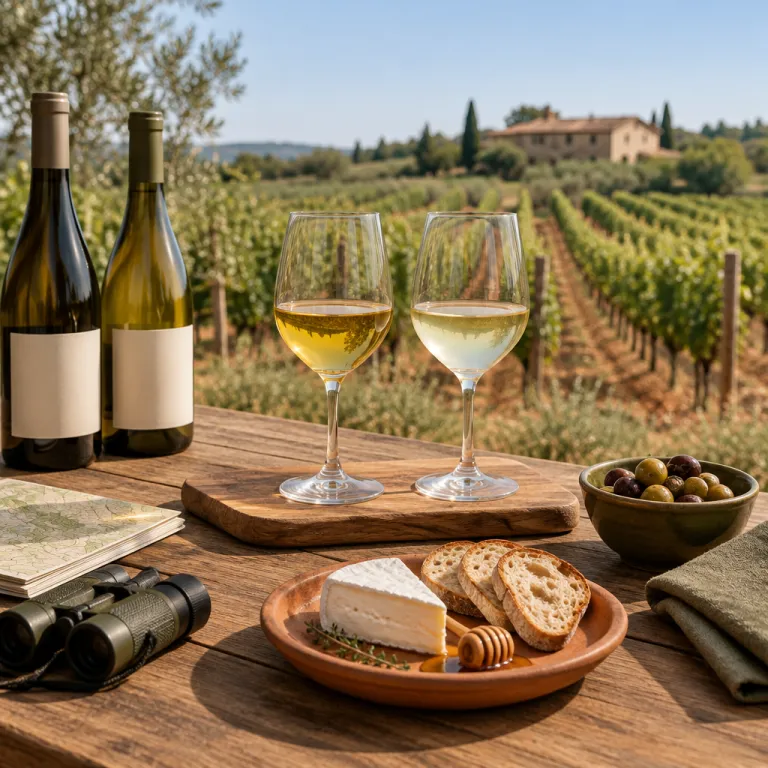
Chenin blanc vs sauvignon blanc when planning vineyard journeys
Choosing between chenin blanc and sauvignon blanc shapes the style of your vineyard travels. When you compare chenin blanc vs sauvignon blanc in the glass and in the landscape, you quickly see how each white wine expresses its region, its climate, and its winemaking culture. For a traveler who loves white wine and wants to understand different blanc wines at their source, this comparison becomes a practical roadmap rather than a theoretical tasting note.
Chenin is one of the most versatile white grapes in the world, while sauvignon offers a sharper, more linear profile that many wine travelers find instantly recognizable. In the classic chenin blanc vs sauvignon blanc debate, chenin often shows a broader range of flavors, from green apple and pear notes in dry styles to quince and tropical fruit tones in richer versions, whereas sauvignon blanc tends to highlight citrus, green apple, and fresh herb character. When you stand in a cool Loire Valley vineyard at sunrise or on a sun-drenched slope in South Africa, you feel how each valley and each exposure imprints its own signature on these wines.
For itinerary planning, think of chenin as the grape that invites you to explore contrast, and sauvignon as the grape that rewards precision. Travelers who enjoy chenin blanc in both dry and off-dry forms can design routes that include riverbank cellars, hillside crus, and experimental producers working with skin contact or amphora. Those who favor sauvignon blanc can focus on regions where vibrant acidity, pure white fruit, and clean lines dominate, creating a consistent tasting thread from one estate to the next.
How chenin and sauvignon shape iconic white wine regions
Understanding chenin blanc vs sauvignon blanc becomes easier when you anchor each grape in its heartland. The Loire Valley is the spiritual home of chenin, while sauvignon has strongholds in the same region and in many other valleys, from coastal zones to inland plateaus, each giving different white wine expressions. Walking these vineyards lets you taste how soil, river influence, and slope orientation change the balance between fruit, acidity, and texture in both grapes.
In the central Loire Valley, sauvignon blanc from appellations such as Sancerre and Pouilly-Fumé often shows piercing citrus, green apple, and subtle stone fruit, with vibrant acidity that feels almost saline on the finish. Travel west along the river and you enter the stronghold of chenin blanc, where dry wines from Savennières or Anjou can show green apple, pear, and quince notes layered over firm acidity and a mineral core, while nearby sweet wines reveal tropical fruit and stone fruit richness. Comparing these wines side by side in local tasting rooms, for example at a Sancerre domaine such as Domaine Vacheron or a Vouvray specialist like Domaine Huet, gives you a precise sense of how blanc wines from the same valley can differ dramatically when the dominant grape changes from chenin to sauvignon.
For travelers mapping broader white wine journeys, it helps to situate chenin and sauvignon among other key grapes. Chardonnay, for example, often offers a rounder, softer profile than either chenin or sauvignon, and tasting chardonnay blanc alongside a structured chenin blanc can highlight how texture and acidity diverge even when alcohol levels are similar. If you are planning a wider tour of the world’s most popular white wines, resources such as an elegant traveller’s guide to white classics on this dedicated white wine travel guide can help you position chenin blanc vs sauvignon blanc within a larger tasting framework.
Old world vs new world: south africa, california, and beyond
Once you grasp the Loire Valley benchmarks, the contrast between old world and new world expressions of chenin blanc vs sauvignon blanc becomes a compelling travel theme. South Africa has turned chenin into a national calling card, while regions such as Napa Valley and coastal California have built strong reputations for sauvignon and chardonnay based white wines. Planning a journey that links south africa, california, and Europe lets you follow these grapes across oceans and climates.
In South Africa, especially in Stellenbosch and Swartland, chenin blanc often comes from older vines that deliver concentrated fruit, combining green apple, pear, and stone fruit with vibrant acidity and a subtly waxy texture that can age gracefully. Many estates there also produce sauvignon blanc, which tends to show fresh tropical fruit, citrus, and herbal notes, giving you a direct chenin blanc vs sauvignon blanc comparison within a single tasting flight, often in valleys framed by dramatic mountain ranges. Travelers who enjoy structured white wines can also seek blends that combine chenin blanc with chardonnay blanc, creating white wine styles that bridge the tension of chenin with the roundness of chardonnay; in Stellenbosch, for instance, producers such as Ken Forrester Vineyards have helped define modern South African chenin styles.
California offers a different lens on these grapes, especially in Napa Valley and cooler coastal zones. Napa Valley producers often craft sauvignon blanc with ripe stone fruit, tropical fruit, and softer acidity than in the Loire, sometimes using oak to add texture, while some also experiment with chenin blanc in fresher, lower alcohol styles that highlight green apple and pear notes. If you are already exploring Italian white wine journeys, you can easily connect flights or train routes to include Loire, south africa, and california in a single extended itinerary, using guides such as this refined traveler’s overview of Italian whites on Italian white wine journeys to balance your schedule.
From glass to plate: food pairings for chenin and sauvignon on the road
For many travelers, the most memorable moments of a chenin blanc vs sauvignon blanc journey happen at the table. The way each white interacts with local food can transform a simple lunch into a masterclass in acidity, texture, and regional flavors. Planning meals around specific blanc wines ensures that every stop along your route feels intentional rather than improvised.
Dry chenin blanc with vibrant acidity pairs beautifully with roast chicken, especially when the dish includes quince or pear garnishes that echo the wine’s fruit profile. In the Loire Valley and in south africa, you will often see chenin served with goat cheese, creamy cheeses, and dishes featuring stone fruit or tropical fruit accents, which underline the grape’s ability to handle both richness and sweetness. Sauvignon blanc, by contrast, excels with lighter food pairings such as salads with fresh herbs, goat cheese tarts, grilled fish, and vegetable dishes where green apple, citrus, or fresh garden flavors dominate, making it a versatile choice for warm weather lunches.
When you taste sauvignon blanc and chenin blanc side by side with the same dish, the difference in structure becomes clear. Sauvignon’s linear, sometimes razor sharp acidity can cut through creamy cheeses and rich sauces, while chenin’s broader mid palate can wrap around roast chicken or slow cooked poultry, especially when the recipe includes pear or apple elements. For travelers planning summer vineyard journeys, curated selections of elegant summer wines for vineyard journeys in warm weather on this seasonal white wine guide can help you choose which bottles to seek out for picnics, terrace lunches, and sunset tastings.
Designing vineyard itineraries around chenin blanc vs sauvignon blanc
Building an itinerary around chenin blanc vs sauvignon blanc allows you to move beyond generic wine tourism and into focused, meaningful exploration. Instead of visiting whichever cellar happens to be open, you can structure days around specific valleys, slopes, and producers that highlight the best expressions of each blanc. This approach works equally well whether you are traveling through the Loire Valley, south africa, california, or a combination of regions.
In the Loire Valley, you might start in a sauvignon stronghold, tasting crisp white wines with green apple and citrus notes in the morning, then drive west to a chenin focused area where afternoon tastings reveal pear, quince, and stone fruit flavors supported by vibrant acidity. In south africa, a day could begin with fresh sauvignon blanc overlooking the ocean, followed by visits to inland valleys where old vine chenin blanc shows deeper fruit, from pear and green apple to tropical fruit, often with a dry, mineral finish. California itineraries can link coastal sauvignon vineyards, where the wines feel fresh and linear, with inland sites experimenting with chenin blanc and chardonnay blanc blends that offer richer textures and broader food pairings.
When planning, consider how many tastings you can realistically enjoy while still appreciating the nuances of different blanc wines. Aim for three to four estates per day, alternating chenin and sauvignon focused visits so your palate can reset and compare styles, rather than tasting only one grape for hours. Keep notes on flavors, acidity levels, and food pairings offered at each stop, because these details will help you understand which valleys and producers deliver the best alignment with your personal preferences in white wine.
How to taste and compare chenin and sauvignon like a seasoned traveler
To make the most of a chenin blanc vs sauvignon blanc journey, you need a clear tasting method. A structured approach lets you compare blanc wines across regions, producers, and vintages without feeling overwhelmed by the sheer number of glasses. It also helps you translate tasting room impressions into concrete decisions about which valleys and estates to revisit.
Begin by assessing appearance, noting whether each white wine looks pale and almost transparent or slightly deeper, which can hint at ripeness, oak use, or age. On the nose, chenin often shows a mix of green apple, pear, quince, and sometimes honey or lanolin, while sauvignon typically leans toward citrus, green apple, fresh herbs, and occasionally tropical fruit or stone fruit in warmer regions such as california or south africa. On the palate, focus on acidity first; sauvignon usually brings a more direct, piercing line of vibrant acidity, whereas chenin can feel rounder yet still dry, with acidity that builds gradually and supports a wider range of flavors.
As you taste, ask for local food pairings whenever possible, because these reveal how each blanc behaves at the table. Try goat cheese with both sauvignon blanc and chenin blanc, then repeat the comparison with roast chicken, creamy cheeses, or dishes featuring pear or stone fruit, and note which combinations feel most harmonious. Over time, you will see patterns emerge, such as preferring chenin blanc from cooler valleys for seafood, or favoring sauvignon blanc from napa valley for aperitif moments, and these insights will guide future travel plans as effectively as any map.
Key figures and trends in chenin and sauvignon vineyard travel
- Global plantings of sauvignon blanc exceeded 120,000 hectares according to data published by the International Organisation of Vine and Wine (OIV) in 2020, reflecting its status as one of the world’s most widely traveled white grapes for visitors and producers alike.
- Chenin blanc plantings in South Africa account for roughly half of the world’s total chenin vineyards, based on figures from Wines of South Africa and the OIV compiled between 2019 and 2021, making the country a primary destination for travelers who want to experience both historic and cutting edge expressions of this grape in a single trip.
- The Loire Valley receives several million visitors annually, with wine tourism representing a significant share of regional travel revenue, and chenin and sauvignon based white wines ranking among the most frequently tasted styles in local cellars, according to reports from InterLoire and regional tourism boards.
- Napa Valley welcomes more than three million visitors per year, and sauvignon blanc has become an increasingly important part of tasting room lineups, offering a fresher alternative to richer chardonnay for travelers seeking crisp white options, as highlighted in recent Napa Valley Vintners tourism summaries.
- Studies from regional wine boards in South Africa and France indicate that travelers who plan focused grape themed itineraries, such as chenin blanc vs sauvignon blanc routes, tend to spend more per day on tastings, food pairings, and cellar door purchases than generalist visitors, reinforcing the value of carefully designed vineyard journeys.
FAQ about chenin blanc vs sauvignon blanc for vineyard travel
Which regions are best for tasting both chenin blanc and sauvignon blanc on one trip ?
The Loire Valley is the most efficient region for tasting both grapes in depth, because it offers sauvignon based appellations such as Sancerre alongside chenin focused areas like Vouvray and Savennières within a few hours’ drive. South Africa also works well, since many estates produce both chenin and sauvignon, often in adjacent valleys, allowing direct comparisons in a single day. Travelers who include california can add napa valley sauvignon blanc and experimental chenin projects to broaden the picture.
How do chenin blanc and sauvignon blanc differ in flavor when tasted side by side ?
Chenin blanc usually shows a wider flavor spectrum, from green apple, pear, and quince in dry styles to stone fruit and tropical fruit in richer versions, often with a subtle waxy or honeyed note. Sauvignon blanc tends to be more linear, emphasizing citrus, green apple, and fresh herb character, with vibrant acidity that feels sharper on the palate. When you taste them together, chenin often feels broader and more textural, while sauvignon feels crisper and more focused.
What food pairings should I plan around chenin and sauvignon during my travels ?
Dry chenin blanc pairs well with roast chicken, pork dishes featuring pear or quince, and a range of creamy cheeses, especially when the wine has enough acidity to cut through richness. Sauvignon blanc is ideal with goat cheese, salads, grilled fish, and vegetable dishes where fresh herbs and green flavors dominate, and its vibrant acidity keeps the palate refreshed. In many wine regions, tasting rooms offer curated food pairings that highlight these combinations, so it is worth booking such experiences in advance.
Is chenin blanc or sauvignon blanc better for warm weather vineyard visits ?
Both grapes work well in warm weather, but sauvignon blanc often feels especially refreshing because of its high acidity and light body, making it a popular choice for terrace tastings and picnic lunches. Chenin blanc can also be excellent in summer, particularly in dry, unoaked styles that emphasize fresh green apple and pear, and these wines often pair beautifully with seasonal dishes. For very hot days, many travelers prefer sauvignon as an aperitif and then move to chenin with food.
How does chenin blanc compare with chardonnay when planning white wine focused trips ?
Chenin blanc generally offers higher acidity and a more diverse range of styles than chardonnay, from very dry to lusciously sweet, which can make chenin focused trips feel more varied in terms of tasting experiences. Chardonnay often brings a rounder texture and can show more oak influence, especially in regions such as california, so chardonnay blanc tastings may emphasize richness and creaminess more than the tension found in many chenin blanc wines. Travelers who enjoy structured, age worthy whites often plan routes that include both grapes, using chenin blanc vs sauvignon blanc comparisons as a framework and then adding chardonnay as a third reference point.
Trusted references for further reading
- International Organisation of Vine and Wine (OIV)
- Wines of South Africa
- InterLoire (Loire Valley Wine Board)