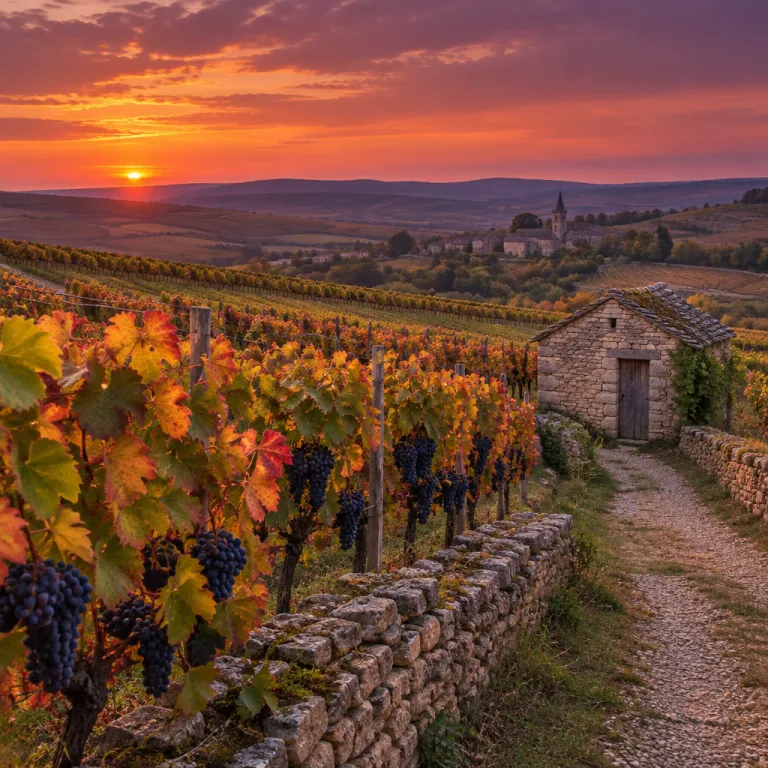
Understanding Burgundy grand cru terroirs for the serious traveler
Burgundy grand cru vineyards form a narrow, intricate patchwork along the Côte d’Or. These grands crus sit on slopes where exposure, limestone content, and drainage change every few metres, and this is why cru Burgundy fascinates wine travelers. When you walk these parcels, you feel how each plot, whether measured in hectares or acres, carries a distinct personality that shapes both red wine and white wine styles.
The region of Burgundy is officially divided into the Côte de Nuits and the Côte de Beaune. Most red Burgundy grands crus, especially those based on Pinot Noir, lie in the Côte de Nuits, while many of the most revered white Burgundy grands crus cluster in the Côte de Beaune. Understanding this split helps you plan days around red wines in the north and Montrachet white or Corton Charlemagne in the south, rather than zigzagging inefficiently between distant domaines.
Travelers often start in Beaune, the historic capital of Burgundy wines and a practical base for exploring nearby grand cru slopes. From here, you can reach Corton and its Corton Charlemagne terraces within about 15 minutes by car, then continue roughly 25 minutes toward the hill of Montrachet for tastings of both Montrachet and Bâtard Montrachet. One traveler recalls standing on the Montrachet slope at dusk, watching tractors crawl between rows as cellar lights flickered on below, a moment that made the idea of terroir feel suddenly tangible. Each domaine will pour from a single bottle that reflects a tiny cru, so tasting flights quickly reveal how grands crus differ from premier cru vineyards or village level parcels.
Iconic red Burgundy grands crus and how to visit them
The Côte de Nuits is the spiritual home of red Burgundy grand cru wines. Names such as Chambertin, Charmes Chambertin, Mazis Chambertin, Clos Vougeot, Bonnes Mares, and other grands crus line the Route des Grands Crus like a living open air wine museum. Walking between these crus, you see how a few rows of Pinot Noir vines can separate one legendary grand cru from another, yet the resulting red wine styles vary dramatically.
Chambertin and Charmes Chambertin sit on the same slope, but their characters diverge in the glass. Many travelers arrange tastings at a domaine that owns parcels in several Chambertin grands crus, allowing side by side comparisons from the same vintage and bottle format. In contrast, Mazis Chambertin often shows a wilder edge, and visiting its vineyards at sunrise reveals cooler air pooling in the combe, a detail that guides explain when discussing cru Burgundy structure and longevity.
Further south, Clos Vougeot offers a lesson in scale, with more than fifty hectares under a single grand cru name. Here, different domaines farm tiny plots inside the same walled clos, so the quality of Clos Vougeot wines depends heavily on producer choices rather than just terroir. When planning your itinerary, consider pairing a morning among Côte de Nuits grands crus with an afternoon exploring Beaune’s historic cellars and wine museums, which provide context on how Burgundy evolved from monastic holdings to today’s mosaic of small domaines.
Legendary white Burgundy grands crus and the art of tasting
While red wines dominate many conversations, white Burgundy grand cru vineyards are equally compelling for travelers. The hill of Corton, shared between red Corton and white Corton Charlemagne, lets you compare how exposition and altitude influence both styles within a short walk. Many domaines here offer flights that move from village level white wine to premier cru and finally to Corton Charlemagne, illustrating how intensity and minerality build with each step up the hierarchy.
Farther south in the Côte de Beaune, the cluster of Montrachet, Bâtard Montrachet, and related grands crus forms a pilgrimage site for Chardonnay lovers. Tastings of Montrachet white often show a profound depth, while Bâtard Montrachet can feel broader and more powerful, and travelers who focus on cru Burgundy quickly learn to read these differences in the glass. Because allocations are tiny and stock is limited, it is wise to reserve tastings well in advance and remain flexible about which specific bottle or vintage you will be offered.
Nearby Meursault has recently gained renewed attention among wine travelers, as highlighted in this detailed feature on new addresses for Burgundy wine travel. While Meursault itself has no grand cru, its premier cru vineyards provide context for understanding why Montrachet and Bâtard Montrachet sit at the summit. A day that combines Meursault, Puligny Montrachet, and Chassagne Montrachet offers a complete immersion into the spectrum of white Burgundy wines.
Planning a Burgundy grand cru itinerary from Beaune to Chablis
Designing a Burgundy grand cru journey starts with choosing a base that balances access and atmosphere. Beaune works well for many travelers, since it sits between the Côte de Nuits to the north and the Côte de Beaune to the south, and its historic center offers easy evening strolls after intensive tastings of red and white wines. From here, you can plan day trips that link several grands crus while keeping driving distances short and manageable.
One classic route heads north from Beaune into the Côte de Nuits, where you can visit domaines in Gevrey Chambertin, Morey Saint Denis, and Chambolle Musigny. This corridor includes Chambertin, Charmes Chambertin, Mazis Chambertin, Bonnes Mares, and Clos Vougeot, so you can experience multiple Burgundy grands crus in a single day without rushing. Many estates require appointments, and some limit the number of bottles opened per group, so communicate clearly about your interest in specific cru Burgundy sites when booking.
Another rewarding extension takes you northwest to Chablis, which technically sits apart from the main Burgundy cote but belongs firmly to the same region. Here, Chablis Grand Cru vineyards such as Les Clos and Vaudésir line a single slope above the town, and tastings of Chablis grand cru wines reveal a sharper, more saline expression of Chardonnay compared with Montrachet white. Combining Chablis grand cru visits with Côte de Beaune and Côte de Nuits grands crus gives travelers a complete picture of how Burgundy wines shift from north to south.
Inside the domaines: how producers shape Burgundy grands crus
Walking through a grand cru vineyard shows you the land, but stepping inside a domaine reveals how human choices shape Burgundy grand cru character. Producers decide on planting density, pruning, harvest dates, and whether to destem Pinot Noir for red wine or press Chardonnay whole for white wine, and these decisions matter as much as the slope of the cote. Many domaines now welcome visitors into their cuveries and cellars, explaining how they manage small stocks of grands crus alongside larger volumes from village and premier cru parcels.
In estates that own parcels in Bonnes Mares or Clos Vougeot, you may taste several barrels from the same grand cru before they are blended into a final bottling. This experience highlights why a single bottle of cru Burgundy can express both vineyard identity and domaine style, and why Burgundy Bonnes Mares from one producer may differ sharply from Bonnes Mares wines from a neighbor. Some domaines in Corton and Corton Charlemagne also show comparative flights of red and white wines from the same hill, which helps travelers understand how exposition and soil depth influence both colors.
Art, architecture, and wine culture increasingly intersect in Burgundy, echoing broader trends in European wine regions. For a deeper perspective on how leading families think about heritage and aesthetics, many travelers read about initiatives in historic wine families before visiting. Approaching domaines with this context encourages more nuanced conversations about how they present their grands crus, manage limited stock, and position their wines in a global market.
Practical tips for tasting, buying, and shipping Burgundy grand cru wines
Serious wine travelers often arrive in Burgundy with clear goals for tasting and purchasing grand cru bottles. Because production from each grand cru parcel is tiny, especially when measured in hectares or acres, availability can be unpredictable, and some domaines restrict sales of their most sought after Burgundy grands crus to long standing clients. It helps to approach tastings with curiosity rather than a fixed shopping list, allowing the wines in the glass to guide your decisions.
When you do find a bottle of Chambertin, Bonnes Mares, Clos Vougeot, Montrachet, Bâtard Montrachet, or Corton Charlemagne that moves you, ask about ideal drinking windows and storage conditions. Many red wines based on Pinot Noir benefit from several years of cellaring, while some white wines from Chablis grand cru vineyards can age gracefully for decades, developing complex tertiary aromas. Because shipping regulations vary by country, coordinate with the domaine or a trusted local merchant who can consolidate your cru Burgundy purchases and arrange compliant transport.
Travelers who wish to compare multiple grands crus at home sometimes buy half bottles when available, which allow broader exploration without overcommitting to full formats. Keeping a simple tasting journal that notes the domaine, vineyard, vintage, and impressions of each grand cru or premier cru wine will enrich future visits, since you can reference past experiences when planning new itineraries. Over time, this practice turns a single trip through Burgundy into a long term dialogue with its vineyards, bottles, and the people who care for them.
Key figures on Burgundy grand cru vineyards and production
- The entire Burgundy region covers roughly 30 000 hectares of vineyards, of which about 1 percent is classified as grand cru, highlighting how rare Burgundy grands crus truly are (data from the Bureau Interprofessionnel des Vins de Bourgogne, BIVB).
- Côte de Nuits holds the majority of red Burgundy grand cru vineyards, with communes like Gevrey Chambertin and Vosne Romanée accounting for a significant share of Pinot Noir grands crus compared with the Côte de Beaune, which focuses more on white wines.
- Clos Vougeot alone spans more than 50 hectares, making it one of the largest enclosed grands crus in Burgundy, while many other grands crus measure just a few hectares, resulting in extremely limited bottle production per domaine.
- The Chablis Grand Cru appellation covers about 100 hectares across seven named climats, representing less than 2 percent of total Chablis vineyard area, which explains why Chablis grand cru wines are far rarer than standard Chablis on export markets.
- Iconic white Burgundy grands crus such as Montrachet, Bâtard Montrachet, and Corton Charlemagne regularly achieve some of the highest average prices per bottle in global fine wine indices, reflecting sustained demand from collectors and travelers.
FAQ about traveling to Burgundy grand cru vineyards
When is the best season to visit Burgundy grand cru vineyards ?
Late spring and early autumn offer the most rewarding conditions for visiting Burgundy grand cru vineyards. Vines are in full leaf, cellar temperatures are comfortable, and domaines often have more time for visitors outside the peak harvest period. Winter can be atmospheric for cellar tours, but vineyard walks may be less visually engaging.
Do I need appointments to taste Burgundy grand cru wines at domaines ?
Most serious domaines require appointments, especially for tastings that include Burgundy grands crus. Contact estates several weeks in advance, explain your interest in specific crus such as Chambertin, Bonnes Mares, or Corton Charlemagne, and be flexible about timing. Some producers also work with local wine merchants who can host comparative tastings of multiple grands crus under one roof.
How much should I budget for Burgundy grand cru bottles during a trip ?
Prices for Burgundy grand cru bottles vary widely by domaine, vineyard, and vintage, but they generally start in the high double digits and can reach several hundred euros at the cellar door. Red wines from Côte de Nuits grands crus and white wines from Montrachet or Bâtard Montrachet often sit at the upper end of this range. Setting a clear budget per day or per domaine helps keep purchases aligned with your overall travel plans.
Can I visit both Chablis grand cru vineyards and Côte d’Or grands crus in one trip ?
Yes, many travelers combine Chablis grand cru visits with tours of Côte de Nuits and Côte de Beaune grands crus in a single itinerary. Chablis lies about two hours by car from Beaune, so it works well as a dedicated day trip or an overnight extension. This combination lets you compare the saline precision of Chablis grand cru whites with the richness of Corton Charlemagne and Montrachet white wines.
What is the difference between premier cru and grand cru in Burgundy ?
In Burgundy, grand cru represents the highest vineyard classification, reserved for sites with a long track record of producing exceptional wines, while premier cru sits one tier below. Premier cru vineyards can deliver outstanding quality and often offer better value, especially in villages like Meursault, Gevrey Chambertin, and Chablis. Many travelers use premier cru tastings as a reference point to understand what makes Burgundy grand cru wines stand apart.