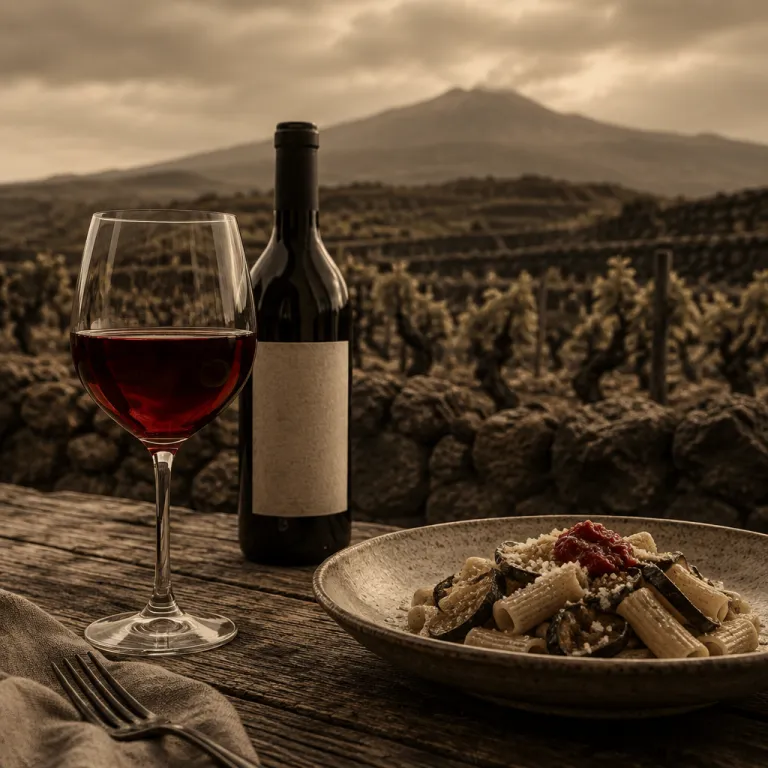
Why mount Etna has become Europe’s most compelling volcanic wine journey
Mount Etna is no longer a niche name on a sommelier’s list. The mountain has shifted from curiosity to benchmark, and a focused mount etna wine tasting sicily volcanic vineyard itinerary now rivals classic European routes for depth and character. For a solo traveler, this active volcano offers a rare mix of raw geology, precise wines and intimate wineries that still feel personal.
The appeal starts with altitude and lava. Terraced vineyards climb the volcano’s flanks between roughly 400 and 1 000 meters, with the north slope and eastern Sicily sides giving very different expressions of etna wine from the same indigenous grapes. Here, the flagship red nerello mascalese delivers pale color yet full bodied structure, while the white etna bianco style leans on Carricante for saline tension and length.
Unlike Tuscany’s rolling hills, these vineyards sit on broken black stone. Old dry walls hold narrow terraces where each slope angle, wind corridor and lava flow layer changes how the wines etna producers can coax from their parcels, and that is exactly what makes a mount etna wine tasting sicily volcanic vineyard trip so compelling. You are not just tasting etna doc labels ; you are reading the volcano’s history in every glass.
For many wine travelers, the region’s rise mirrors a broader Italian shift toward serious wine tourism. National events such as Vinitaly, which now positions wine travel as a permanent pillar of Italy’s tourism strategy, have helped shine a spotlight on etna wineries without yet overwhelming them. On the ground, that means you can still visit etna estates where the winemaker pours your wine tasting personally, often with a view straight up to the smoking summit.
Crucially, prices remain relatively gentle compared with more famous regions. You can book a guided tour with several wine tastings and a tasting lunch at a leading winery for less than a single prestige tasting in parts of Piedmont, and the quality of both red wines and white wines is now firmly world class. For a solo explorer who values access over polish, this balance of excellence and informality is the real luxury.
Reading the volcano: terraces, slopes and the architecture of Etna’s vineyards
Etna’s vineyards are best understood as a series of amphitheaters carved into lava. On the cooler north slope around Randazzo, terraces of old bush vines sit between chestnut groves and olive trees, giving etna wine with taut acidity and red fruit rather than jammy richness. The eastern Sicily side, closer to the sea, tends to produce slightly broader, more aromatic wines etna that still keep the region’s signature freshness.
Walking these terraces during a mount etna wine tasting sicily volcanic vineyard tour, you notice how narrow everything feels. Many wineries etna still farm alberello vines by hand, because tractors cannot navigate the tight stone steps that link one slope to the next, and this manual work shows in the precision of the resulting wines. A single etna doc parcel can change character within a few meters as the lava’s age, depth and drainage shift underfoot.
For the traveler, this means that visiting two neighboring etna wineries rarely feels repetitive. One winery might focus on structured, full bodied nerello mascalese from higher terraces, while the next highlights fragrant, lighter wines from lower vineyards closer to olive groves and citrus, and both interpretations feel legitimate. When you visit etna with a good guide, they will often walk you through specific rows to explain why that particular slope catches afternoon sun differently from the next.
Infrastructure has improved just enough to make independent travel easy without erasing the region’s edge. Catania airport is the natural gateway, and from there a loose wine road circles mount etna, linking wineries, olive oil mills and small towns such as Randazzo, Linguaglossa and Milo. As Italy leans harder into wine tourism, as seen in national initiatives highlighted by Vinitaly’s focus on long term wine travel development, Etna’s producers are quietly refining their hospitality while keeping appointments essential.
Most estates now require you to book a visit in advance, especially for structured wine tastings or a full tasting lunch. This system keeps groups small, which suits the solo explorer who prefers a detailed tasting etna session over a crowded bar, and it allows wineries to pair specific wines with seasonal wine food from their own gardens. The result is a style of hospitality that feels curated rather than choreographed, with the active volcano always in your peripheral vision.
Nerello Mascalese and Etna Bianco: the grapes rewriting expectations
Etna’s reputation rests on two main styles, and both reward close attention. Nerello mascalese is the red grape that has made the region famous, often compared to Nebbiolo or Pinot Noir for its pale color, fine tannins and ability to express tiny shifts in slope and soil. In the glass, a classic etna wine from nerello mascalese can feel simultaneously delicate and full bodied, with sour cherry, blood orange and a distinctly volcanic, almost ferrous edge.
On the white side, etna bianco is usually based on Carricante, a grape that thrives in the high altitude vineyards of eastern Sicily. These white wines are rarely showy at first sip ; instead they build quietly, layering citrus, fennel and saline notes that echo sea breezes climbing up the mountain, and they pair beautifully with the region’s seafood driven wine food. During a mount etna wine tasting sicily volcanic vineyard visit, alternating between red and white flights is the best way to understand how altitude and aspect shape both styles.
Many etna wineries now offer vertical tastings of nerello mascalese, allowing you to track how the same parcel evolves over several vintages. For a solo traveler, this is where the region’s intellectual appeal really emerges, because you can taste how a slightly cooler year on the north slope or a warmer season on the eastern flank leaves its mark, and the wines etna remain transparent enough to show every nuance. Some estates also pour older etna doc bottles alongside current releases, underlining the grape’s capacity to age with grace.
Producers such as Donnafugata, better known for wider Sicilian wines, have invested in etna vineyards to explore this volcanic expression. A visit to a Donnafugata property on mount etna might include both their broader Sicilian range and focused etna wine bottlings, giving context to how the same winery interprets different terroirs. If you are interested in how historic estates evolve, it is worth reading about other long running cellars, such as the detailed profile of Beaulieu Vineyards’ stone cellars and multi tier tasting program, which shows how heritage properties can modernize without losing identity.
Etna’s rise also fits into a broader Italian story of rediscovering ancient grapes and sites. In Campania, for example, Aglianico has been replanted among the ruins of Pompeii, creating another powerful intersection of history and wine that you can explore through in depth reports on the region’s 2 000 year winemaking revival and how to taste it. Together, these projects signal a shift toward wine regions where geology, archaeology and contemporary craftsmanship intersect, and mount etna wine tasting sicily volcanic vineyard itineraries sit at the forefront of that movement.
From arancini to olive oil: how Sicilian cooking elevates Etna tastings
No mount etna wine tasting sicily volcanic vineyard trip is complete without leaning into the local table. Many wineries etna now understand that serious visitors want more than a quick pour, so they build tasting lunch experiences that weave together wine, olive oil and regional dishes, often served on terraces overlooking the vineyards. The best visits feel like being welcomed into a private Sicilian home rather than a formal restaurant.
A typical tasting lunch might start with extra virgin olive oil from groves planted between vine rows, served with warm bread and simple tomato salads. From there, plates of arancini, caponata and grilled vegetables appear, each matched to specific etna wine flights that highlight how nerello mascalese’s acidity cuts through fried dishes while etna bianco’s salinity lifts citrus and herbs, and this is where the wines etna truly show their versatility. When swordfish or local sausages arrive from the grill, the reds’ full bodied yet finely etched structure comes into its own.
Some estates go further, integrating seasonal produce from their own gardens into the menu. On the north slope near Randazzo, you might taste mushrooms foraged from chestnut forests alongside older etna doc reds, while on the eastern Sicily side citrus desserts and pistachio pastries pair with late harvested white wines, and the whole experience feels anchored in place. For solo travelers, these shared tables often become informal salons where you trade notes with other guests about favorite wineries and slopes to visit next.
Names such as Gambino Winery have become reference points for visitors seeking structured wine tastings with thoughtful food pairings. A typical tour there might include a walk through terraced vineyards, a guided tasting etna session of several labels and a generous lunch that showcases both wine food and estate olive oil, all framed by views of the active volcano’s summit. Other etna wineries, including smaller family run estates, offer simpler but equally sincere lunches that focus on a few perfect dishes rather than elaborate menus.
For travelers used to more polished regions, the charm here lies in the balance between professionalism and warmth. Hosts are usually deeply involved in both cellar and kitchen, so your questions about a particular slope or fermentation choice often lead straight to the plate in front of you, and that immediacy is rare. If you value this kind of integrated experience, prioritize visits that explicitly mention a tasting lunch or extended wine tasting with food when you book, rather than quick bar tastings designed for passing tour buses.
Planning your Etna itinerary: practical routes for the solo wine explorer
Designing a mount etna wine tasting sicily volcanic vineyard itinerary starts with choosing your base. Catania works well if you want urban energy and easy access to eastern Sicily’s coastal towns, while smaller centers such as Randazzo or Linguaglossa place you closer to the north slope vineyards and reduce daily driving, especially useful if you are traveling alone. Either way, renting a car gives you the flexibility to move between wineries, olive groves and hilltop villages at your own pace.
Think of the mountain as a clock face when planning your route. The north slope between roughly ten and two o’clock is where many of the most acclaimed etna wineries cluster, offering a dense concentration of estates that produce both structured nerello mascalese reds and mineral driven etna bianco whites, and you can comfortably visit two or three wineries etna in a day if you book carefully. The eastern flank, closer to the sea, tends to host slightly fewer estates but rewards with dramatic views and cooler breezes.
Always arrange appointments before you visit etna, ideally grouping wineries by slope and altitude. Morning slots are perfect for more technical cellar tours and focused wine tastings, when your palate is fresh and you can pay attention to details such as soil samples, fermentation vessels and barrel choices, and afternoons lend themselves to slower tasting lunch experiences that stretch into early evening. Many estates also offer short vineyard walks, which are invaluable for understanding how each slope shapes the final wines etna.
Solo travelers should pay attention to logistics around driving and alcohol. Consider alternating full tasting flights with lighter pours, spitting during technical tastings or booking a local driver for one or two days when you plan to explore several etna wineries in sequence, and always factor in the mountain’s winding roads and changing weather. The active volcano can shift from bright sun to mist quickly, especially at higher altitudes, so carry layers and allow extra time between appointments.
Finally, leave space in your schedule for unplanned stops. A small roadside sign for a family winery or olive oil mill can lead to some of the most memorable encounters, especially in a region where hospitality still feels personal and unscripted, and that spontaneity is part of Etna’s charm. As you refine your own wine travel style, you may find that this mountain, with its mix of precise etna doc wines, generous Sicilian cooking and ever present geological drama, quietly resets what you expect from a wine region.
FAQ
What is the best time of year to visit Etna for wine travel ?
The most rewarding periods for a mount etna wine tasting sicily volcanic vineyard trip are generally spring and autumn. Temperatures are comfortable for walking vineyards, and wineries etna are less crowded than during peak summer holidays. Harvest season offers extra energy, but appointments become essential and some estates limit tours.
Do I need a car to explore Etna’s wineries ?
A car is highly recommended if you want to visit multiple etna wineries across different slopes in a single trip. Public transport around mount etna is limited and not designed for winery hopping, especially on the north slope near Randazzo. If you prefer not to drive, consider booking a private driver or small group tour focused on wine tasting.
How many wineries can I realistically visit in one day ?
For a relaxed mount etna wine tasting sicily volcanic vineyard day, plan on two, at most three, winery visits. This allows time for a full tour, structured wine tastings and possibly a tasting lunch without rushing between appointments. Remember that mountain roads and detailed cellar explanations both take longer than you might expect.
Is Etna suitable for travelers new to wine ?
Etna is an excellent region for curious beginners because many estates explain the basics clearly while pouring high quality wines. The contrast between nerello mascalese reds and etna bianco whites makes it easy to grasp how grape and slope influence style. Food pairings and olive oil tastings also help ground the experience in familiar flavors.
Can I visit the volcano’s summit and wineries on the same day ?
Combining a summit excursion with winery visits is possible but requires careful planning. Summit tours often start early and can be physically demanding, so schedule wine tastings later in the afternoon at nearby estates on the same side of mount etna. Many travelers prefer to dedicate one full day to the active volcano and another to focused winery visits for a more balanced pace.